
Running Gear Lab
Built by runners. Made to be useful.
Running Gear Lab helps everyday runners make better decisions about shoes, watches, clothing, training, and race preparation. We care more about what works for the runner than what looks best on a product page.
Run
Test
Research
Build
Update
Last reviewed: September 2026
On this page Meet the team First-hand experience Review process What we cover How we make money Contact us
Who is behind Running Gear Lab?
The site comes from two sides of the work. Justin brings coaching, training, racing, and hands-on gear experience. Kelly handles research, writing, editing, site design, and the tools that make the information easier to use.
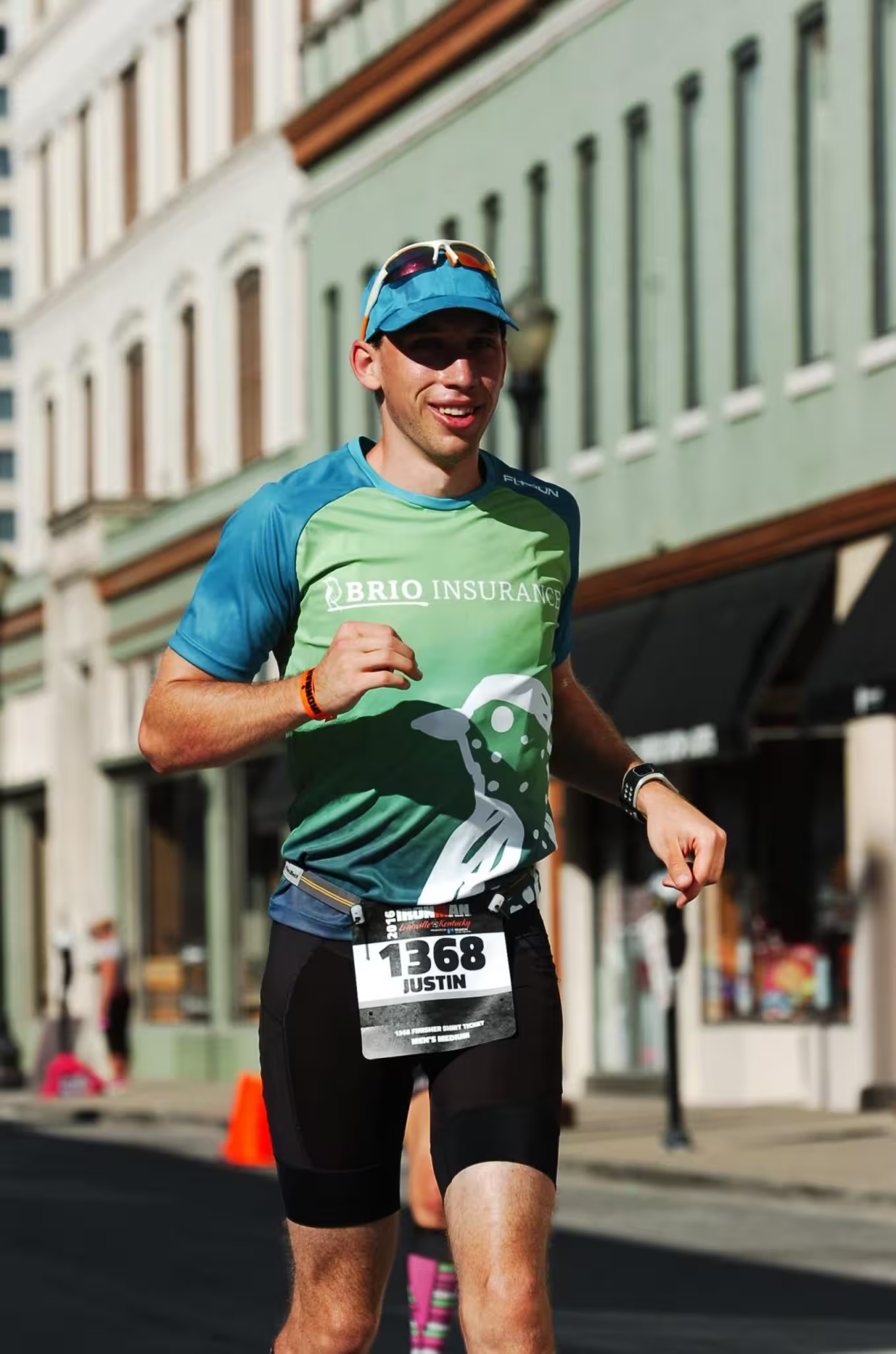
Justin Evenden
Triathlon coach · endurance athlete · gear tester
Justin has spent years training and racing across triathlon, marathon, road, and trail events. He brings that experience to training tools, race guidance, and reviews of the gear he uses in regular training.
When an article draws on Justin’s own miles, setup, or race preparation, the article says so. Research-only recommendations are labelled and written differently.

Kelly Hanna
Editor · research · website design
Kelly researches, writes, and edits the shoe, gear, comparison, and planning guides. She also designs and maintains Running Gear Lab and has worked in SEO and website publishing since 2015.
Her job is to keep recommendations current, make complicated choices easier to understand, and turn useful information into pages and tools that work well on a phone and a desktop.
“If we did not personally test it, we should not write as if we did.”
That is the rule we use when deciding how a review or recommendation should be written.
Where first-hand experience comes from
Gear is used during normal training, early-morning runs, races, recovery, and family life. It is not treated as personally tested after a quick look at a retailer page.
Some examples include Justin’s Garmin Forerunner 165 and Fenix headlamp, plus household use of PF30 gels, HOKA Ora Slide 3 recovery slides, BUFF and Ciele running hats, Superfeet Run Support insoles, Injinji toe socks, KT Tape, Body Glide, and Squirrel’s Nut Butter. This list changes as products are replaced.
When we have not used a product, we compare the current model, specifications, fit options, intended use, and consistent runner feedback. That research can still be helpful, but it is not presented as a first-person test, also when models change we will let you know.
How we make recommendations
The best shoe, watch, or piece of running gear depends on the runner. We start with the job the product needs to do, then check the details that can change the buying decision.
01
Start with the runner
Foot shape, support needs, distance, terrain, training goals, and budget come before a universal best pick.
02
Check the current model
Shoes, watches, and gear change quickly. We check current specifications, fit options, retailer availability, and meaningful model updates.
03
Use hands-on experience when we have it
If we own, run in, or regularly use something, we can discuss fit, comfort, setup, wear, and how it behaves during actual training.
04
Research when we do not
For products we have not used, we compare current product information and runner feedback without turning research into a fake first-person review.
05
Include the downside
A useful recommendation should explain the tradeoff and tell you who may be happier with another option.
06
Keep important guides current
Models get replaced, prices change, and products disappear. We revisit recommendations and links when those changes affect the reader.
What we cover
Use these hubs when you know the type of help you need. Each card opens the relevant section of Running Gear Lab.
Running shoes
Daily trainers, stability, trail, racing, fit, brand, kids, and budget guides.
Clothing and gear
Clothing, accessories, foot care, fuel, hydration, support, and recovery gear.
Watches and technology
GPS watches, training technology, comparisons, and watch-finder help.
Training plans
5K through marathon plans, plus pacing, strength, recovery, and plan guidance.
Running guides
Plain-language help with running terms, pacing, recovery, race preparation, and common questions.
Calculators and tools
Pace, splits, training zones, treadmill, shoe mileage, fueling, and race-planning tools.
Training advice should fit real life
We do not think every runner needs the same plan. Training should fit your current base, race date, available days, responsibilities, and recovery. Rest and cutback weeks are part of training. Race-day fuel, shoes, and pacing should be practised before race day.
If pain is sharp, worsening, or changes how you run, an online training plan is not the right place to solve it. Training content on this site is educational and does not replace individual medical advice.
How Running Gear Lab makes money
Some pages contain affiliate links. If you buy through one of those links, Running Gear Lab may earn a commission at no extra cost to you. As an Amazon Associate, Running Gear Lab earns from qualifying purchases. The site may also use other affiliate relationships.
A product being available through an affiliate link does not automatically make it a top pick. Prices, stock, colours, and return policies change, so check the current retailer listing before buying.
Corrections are welcome
Running products, race information, and training resources change. If you spot an outdated model, broken link, incorrect specification, or something that needs clarification, tell us. We would rather fix it.
Contact Running Gear Lab
Questions, corrections, reader feedback, and partnership inquiries are welcome.
Start here
These free tools and hubs give you a useful next step without making you sort through the whole site.