
Running clothing, accessories & practical gear
Running Clothing and Gear Reviews.
Dress Right for Every Run.
Start with the free outfit calculator when you need an answer for today. Then browse 32 guides for clothing, winter running, accessories, foot care, hydration, fuel, support gear, trail equipment, and home running.
Outfit calculator · about 60 seconds
- Set the temperature and weather
- Add your run length and effort
- Choose how warm you like to feel
- Get layers, accessories, and safety notes
Celsius or Fahrenheit · No email · Includes wind and rain
Browse clothing and gear by category
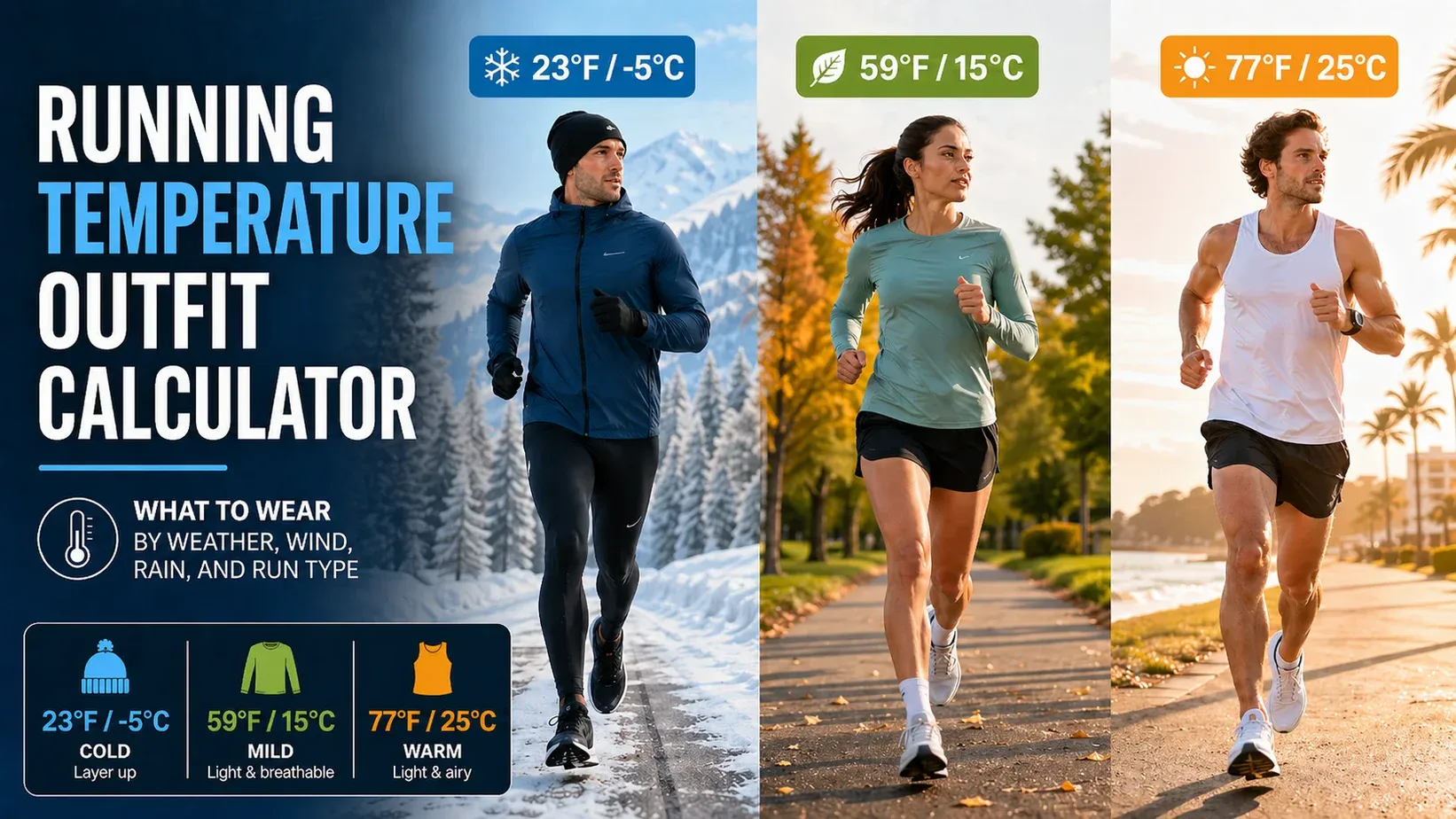
Start here · Get an answer for today
What Should I Wear Running Today?
Enter the weather, wind, rain, run length, effort, and how warm you like to feel. The calculator gives you a practical outfit and safety reminders for the conditions.
Running clothing
Clothing for warm, cool, and long runs
Start with the body area and weather you are dressing for. These guides cover the fit, fabric, storage, and rubbing problems that matter once you begin moving.

Men’s shorts
Men’s Running Shorts
Compare lined and linerless shorts, pocket layouts, inseams, and options for easy runs, workouts, and long runs.
Women’s shorts
Women’s Running Shorts
Find shorts that stay in place, manage sweat, and give you useful storage without feeling bulky.
New clothing guide
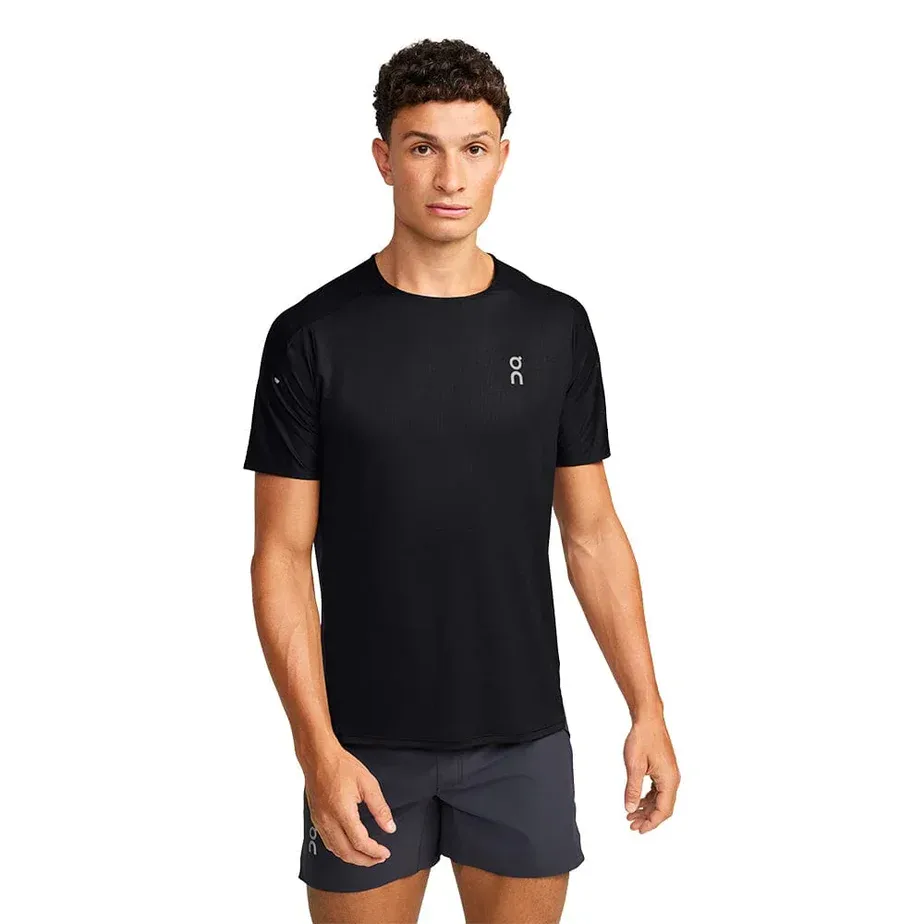
Men’s Running Shirts
Compare light shirts for heat, softer tops for long runs, and practical picks at several price levels.
Women’s support
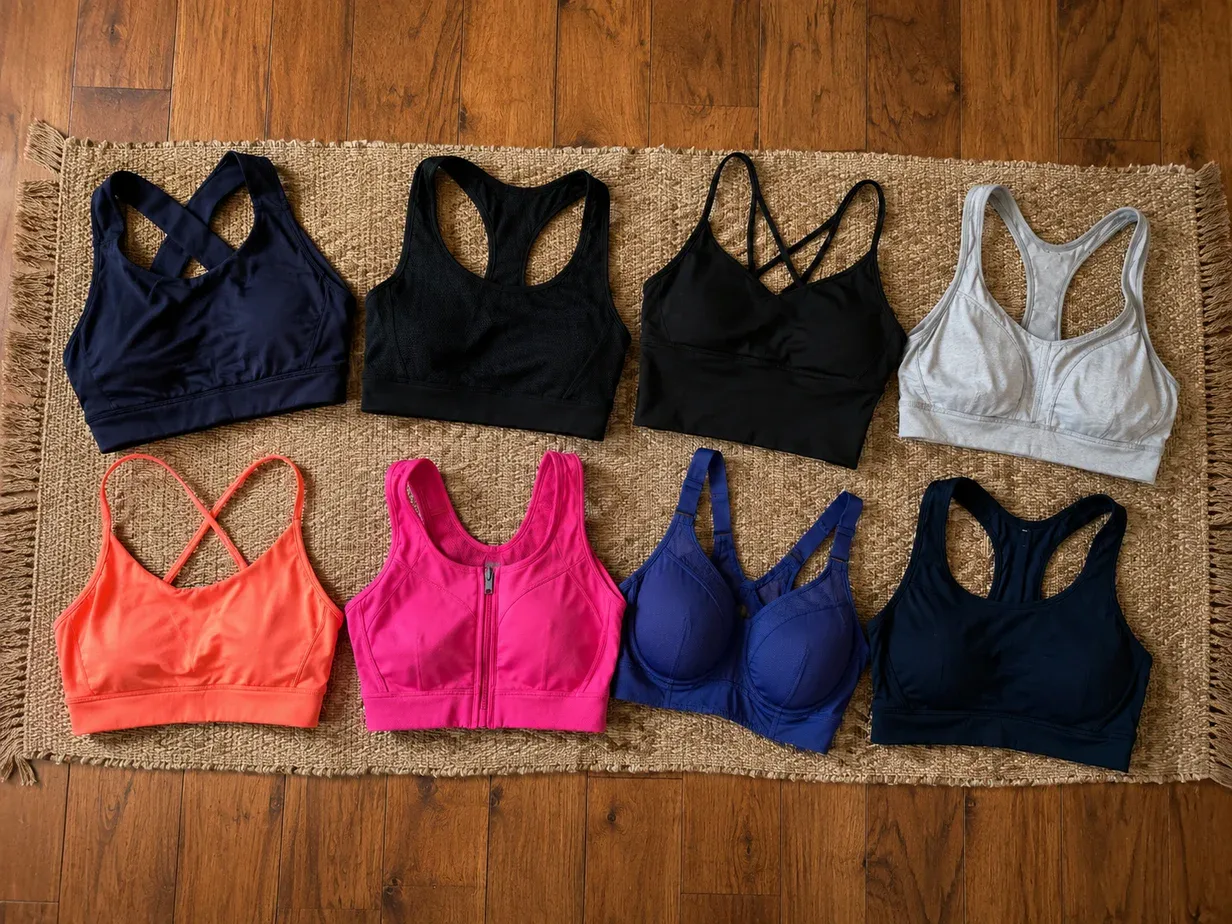
Sports Bras for Running
Choose the right support level, fit, closure, and phone storage for easy miles, workouts, and long runs.
Men’s cold-weather bottoms
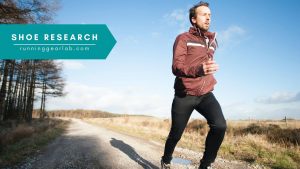
Men’s Running Tights and Pants
Compare fitted tights and looser pants for cool mornings, wind, and winter training.

Women’s cold-weather bottoms
Women’s Running Pants and Tights
Find warm, secure bottoms that stay up, move well, and give you the pockets you need.

Men’s base layer
Men’s Running Underwear
Compare anti-chafe underwear for daily miles, warm weather, long runs, and race day.

Women’s base layer
Women’s Running Underwear
Choose smooth, breathable options designed to stay put and reduce rubbing as the miles add up.
Cold, ice, and dark routes
Winter running and visibility
Start with clothing that fits the temperature and wind. Then solve the route separately with traction for ice, reflective or lighted gear for visibility, and a path light when you need to see the ground.
Complete winter kit
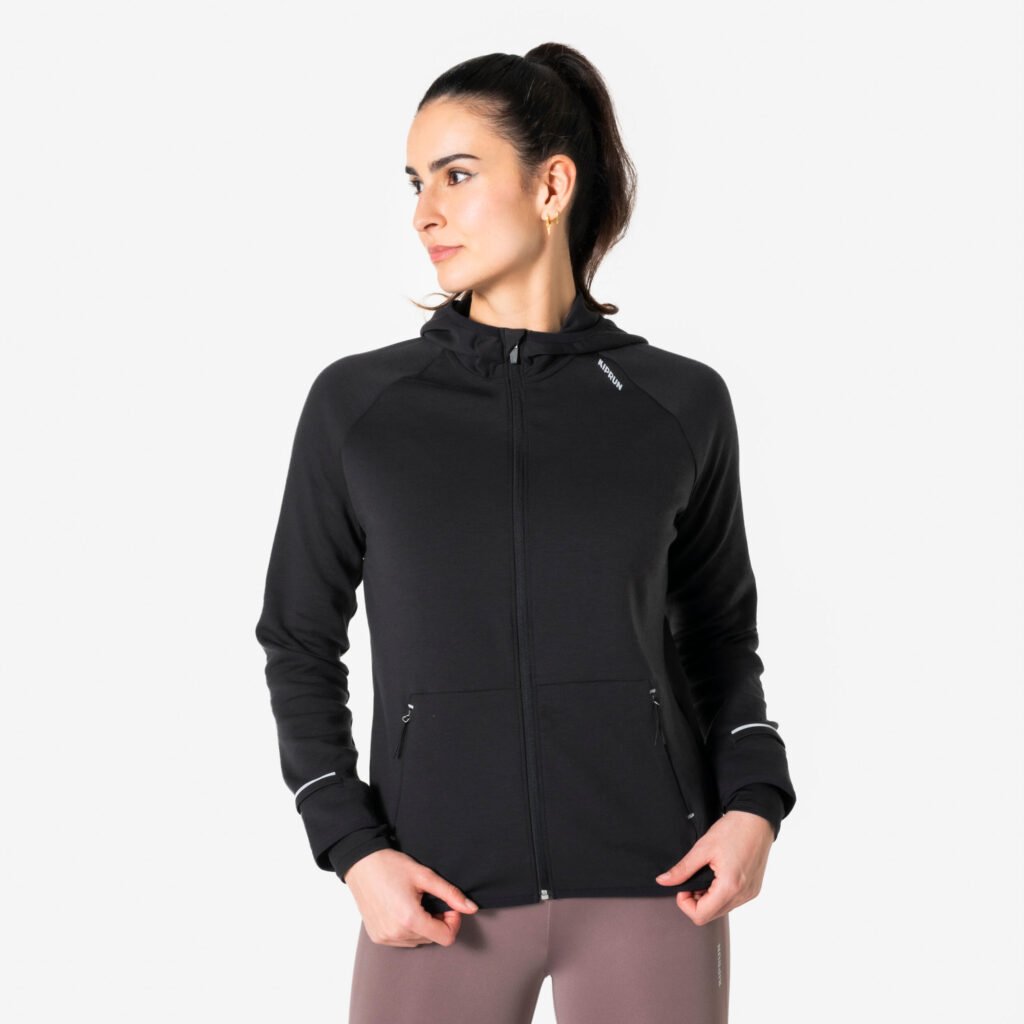
Cold-Weather Running Gear
Build a practical outfit for the temperature, wind, effort, and route, from base layers and jackets to gloves, socks, and face coverage.

Dark-run visibility
Reflective Running Gear and Safety Lights
Compare active lights, reflective vests, path lights, clip lights, and dog gear by the job each item actually needs to do.

Ice and packed snow
Running Traction Cleats
Match low road studs or deeper trail spikes to bare pavement, black ice, packed snow, or steep frozen trails.
Small gear that matters
Running accessories
These are the items runners notice when they go wrong. Choose them for your weather, route, sweat rate, storage needs, and time of day.

Foot comfort
Running Socks
Compare thin, cushioned, merino, and toe socks for hot spots, blisters, and different shoe fits.
Sun and sweat
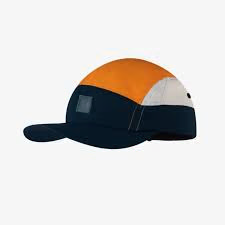
Running Hats
Find light hats for heat, heavy sweaters, larger heads, ponytails, and everyday training.

Eye protection
Running Sunglasses
Compare secure, light sunglasses that reduce glare without bouncing or sliding when you sweat.
Phone and fuel storage
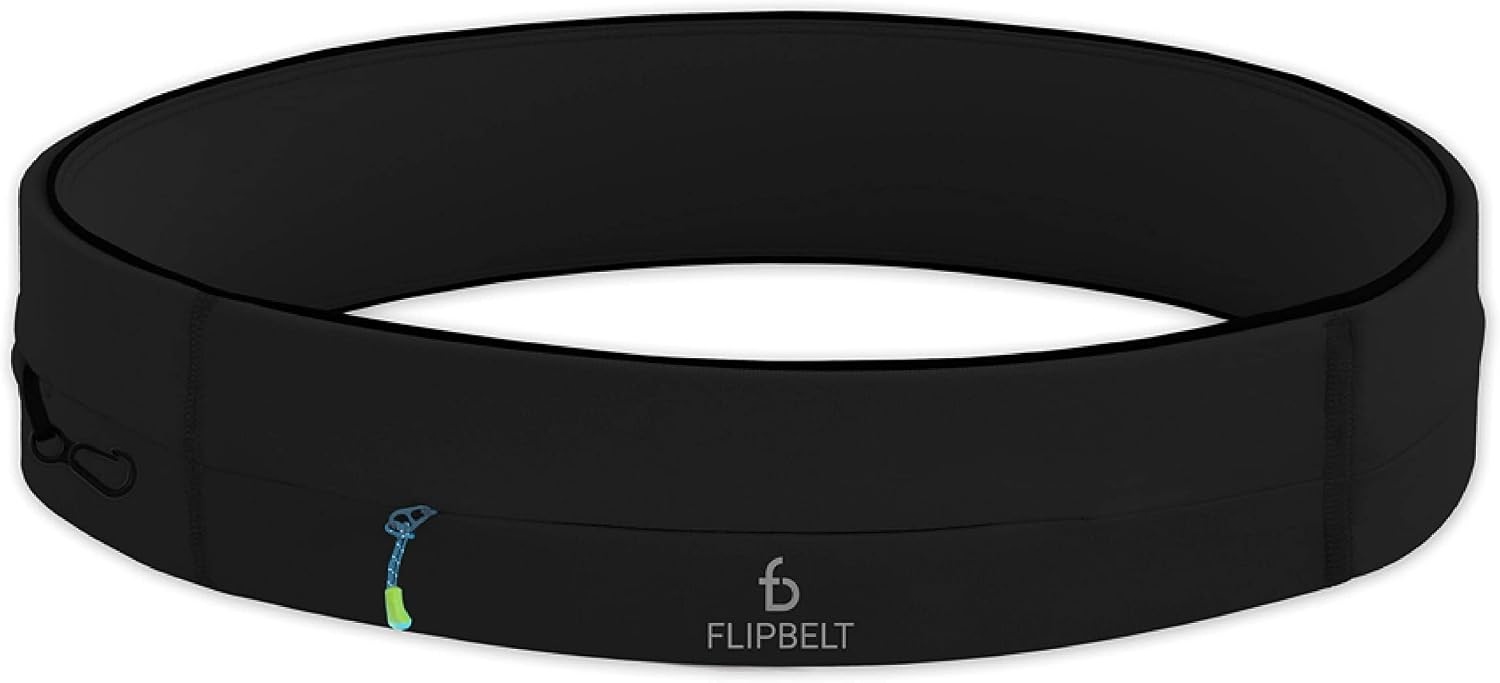
Running Belts
Carry a phone, keys, gels, and a small flask without loading down your shorts or fighting bounce.

Dark roads and trails
Running Headlamps
Compare brightness, beam pattern, battery life, comfort, and cold-weather use for early or late runs.
Prevent rubbing and support tired feet
Skin, foot care, support, and recovery
Start with the specific problem. Chafing and blisters need different fixes, while braces and insoles should match the source of the discomfort rather than cover it up.
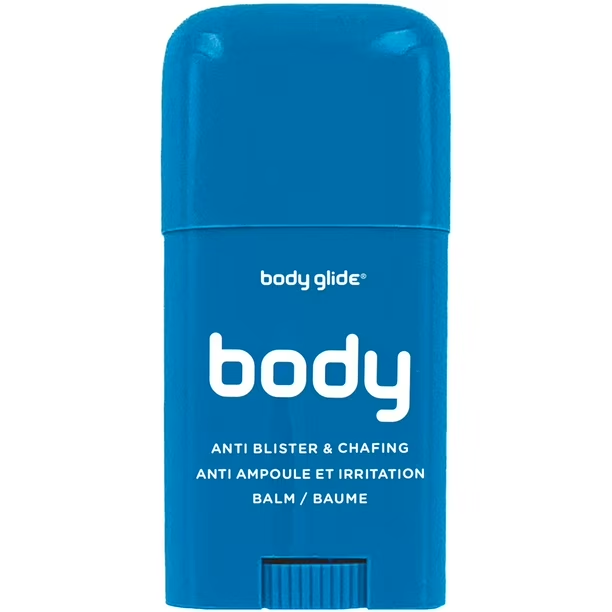
New skin-care guide
Anti-Chafing Products
Choose a balm, salve, roll-on, or targeted cover for the places that rub on warm, wet, and long runs.
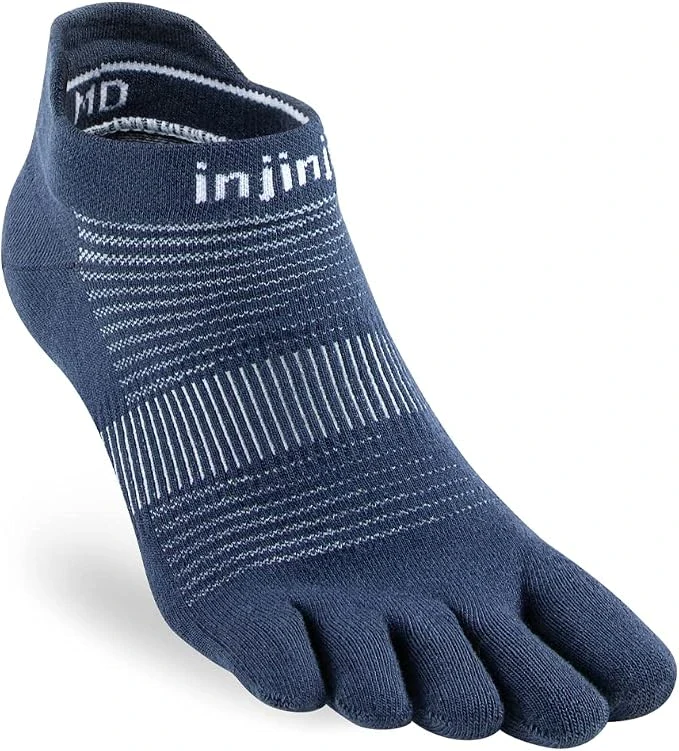
New foot-care guide
Blister Prevention Products
Match the fix to the problem with toe socks, tape, lubricant, hydrocolloid bandages, and better shoe fit.
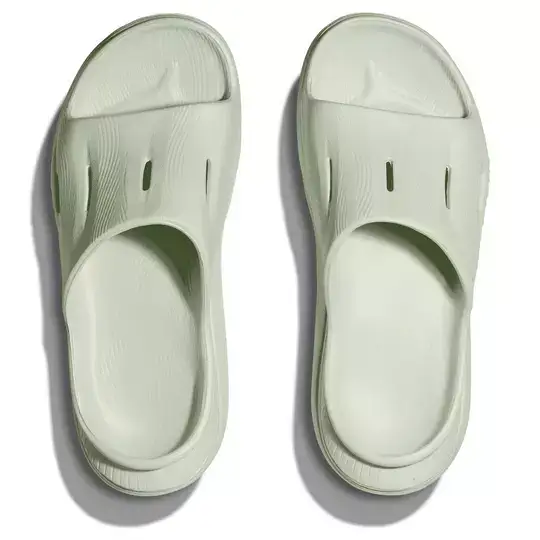
After the run
Recovery Sandals
Compare cushioned slides and sandals for tired feet after long runs, races, and hard training days.
Inside the shoe
Running Insoles
Compare support, cushioning, shape, and volume before changing how your favourite running shoe fits.
Knee support
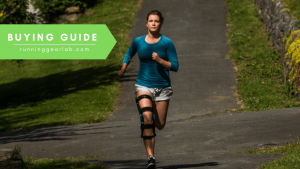
Knee Braces for Running
Understand the difference between sleeves and straps, plus when support gear should not replace rehab.

Ankle support
Ankle Braces for Running
Compare sleeves and lace-up braces for mild support, returning from injury, and recurring ankle rolls.
Carry, fuel, and train
Hydration, fuel, trail, and home equipment
Choose the smallest setup that does the job. A handheld may be enough for a shorter run, while long trail days and home training need a different level of equipment.
Shorter long runs
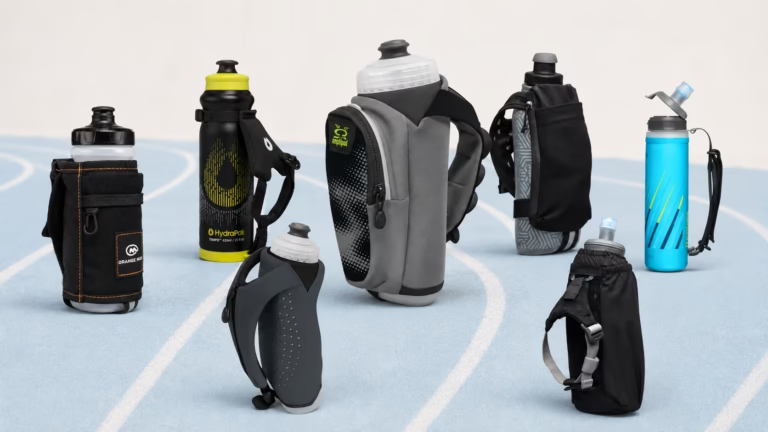
Handheld Water Bottles
Compare grip, strap comfort, bottle size, valve design, and storage without moving up to a vest.
Long-run fuel
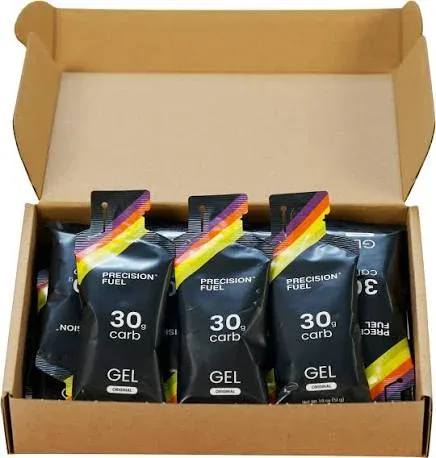
Energy Gels for Running
Compare carbohydrates, sodium, caffeine, texture, and serving size before choosing your race fuel.

Long-run hydration
Hydration Packs and Vests
Choose capacity and fit for marathon training, trail runs, ultras, hot weather, and mandatory gear.
Carry more gear
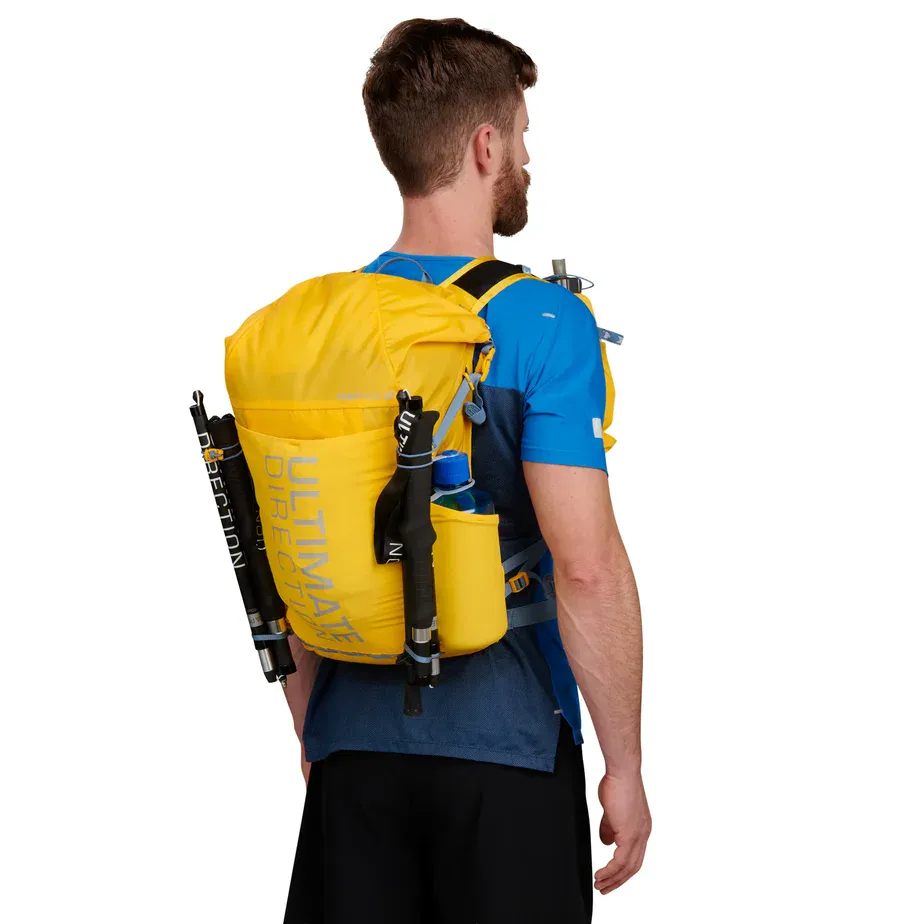
Running Backpacks
Find room for layers, food, water, and commuting gear while keeping bounce under control.

Trail protection
Trail Running Gaiters
Keep dirt, stones, snow, and trail debris out of your shoes without adding unnecessary bulk.
Home training
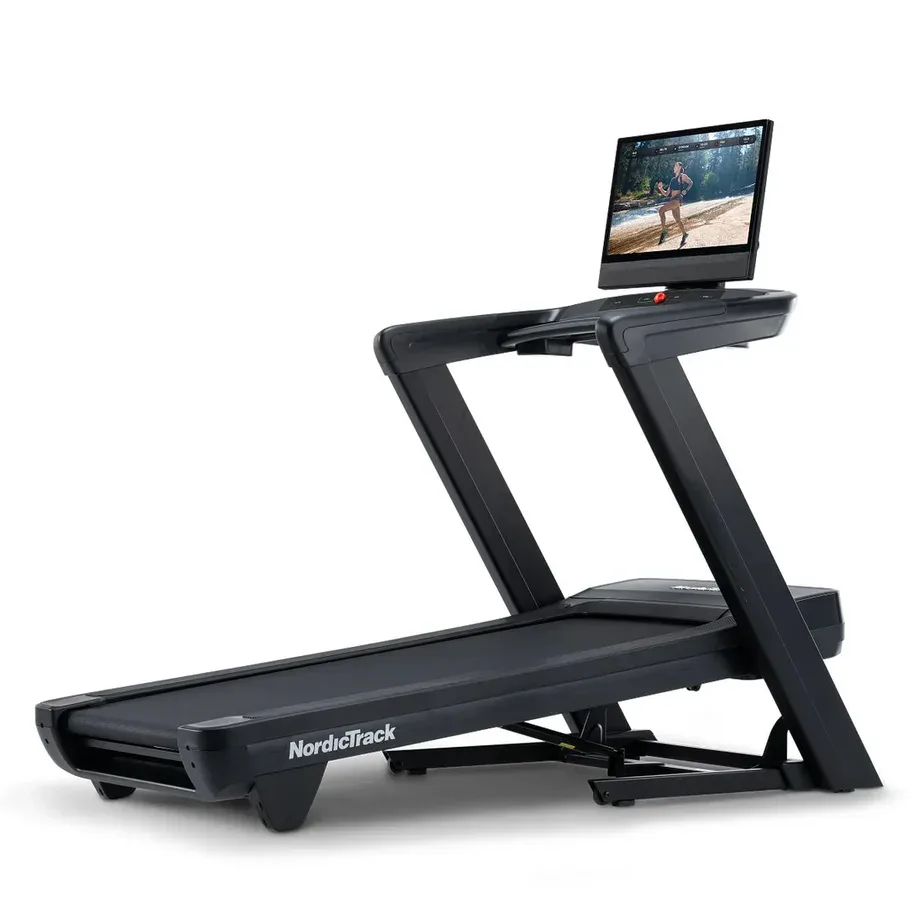
Treadmills for Running
Compare deck size, speed, incline, cushioning, stability, and screens for regular home running.

Lower-noise home training
Quiet Treadmills
Compare treadmill noise, deck feel, motor behaviour, stability, and ways to reduce sound at home.
New home training guide
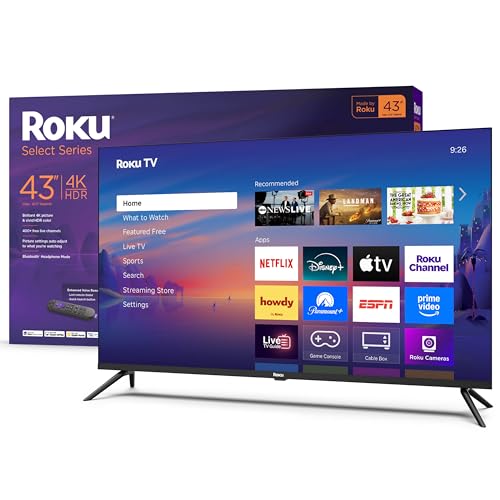
TVs for a Treadmill Room
Compare practical 32- and 43-inch smart TVs, plus when a separate screen beats a treadmill console.
Phone-free audio
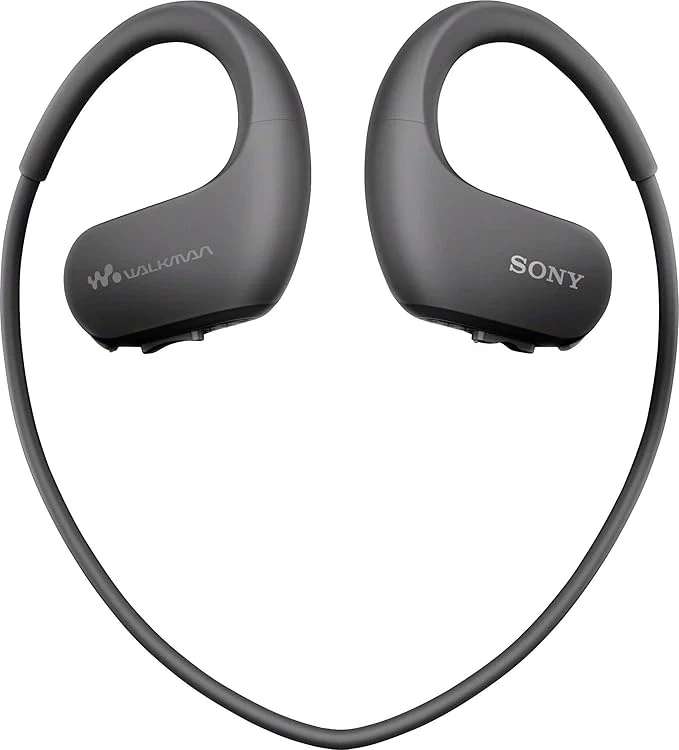
MP3 Players for Running
Find simple and waterproof options for music, podcasts, and swim training without carrying a phone.

Shopping for a runner
Gifts for Runners
Use practical gift ideas for new runners, marathoners, trail runners, and people who already own the basics.