Best Running Socks 2026: Anti-Blister, Cushioned and Thin Picks
Short answer: start with the Balega Blister Resist No Show when rubbing or hot spots are why you are shopping. Choose Darn Tough Coolmax Run when your shoes fit closely, Injinji Run Lightweight when your toes rub together, or Swiftwick Aspire No Show when you want the thinnest feel.
A running sock is part of the shoe fit. More cushion is not automatically more comfortable. The right pair leaves your toes enough room, stays smooth underfoot and matches the weather you actually run in.
Runner reviewed and carefully researched. Justin owns the Balega Blister Resist, Darn Tough crew socks, Smartwool cold weather socks, QC socks and the Injinji Run Lightweight No Show. Where his pair differs from the exact model ranked, we say so. Current names and product details were checked against official brand pages on October 3, 2026.
Best Overall Running Sock
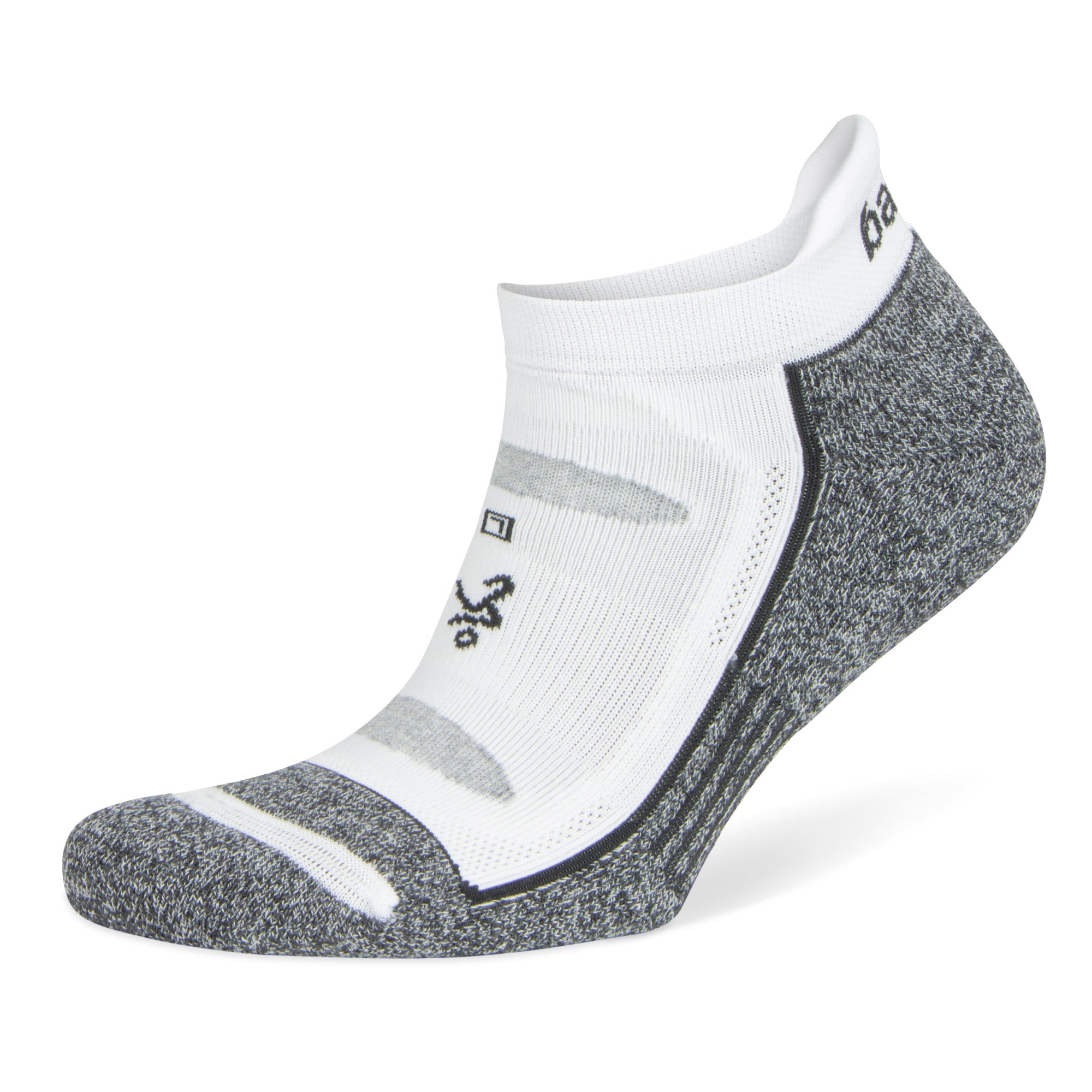
Balega Blister Resist No Show
Balega is our first recommendation for runners who want more protection from rubbing. It pairs maximum cushion with a seamless toe, secure heel pocket and moisture managing fibre blend. Justin’s pair does not feel unusually thick compared with a regular sock. It is simply thicker than the lightest performance socks, which can still matter if your shoes already fit closely.
No show tab
Maximum cushion
Seamless toe
Blister focused
Affiliate disclosure: Running Gear Lab may earn a commission from links on this page, at no extra cost to you.
Quick Match
Choose by the problem you need to solve
Tap a card to jump straight to the most useful review.
Best Overall
Balega Blister Resist
Cushioned, but not unusually thick beside a regular sock.


Does the same blister keep coming back?
A sock cannot fully fix heel slip, toe crowding or a shoe that is too narrow. Match the fix to the exact spot with the blister prevention guide, then check shoe fit if the problem continues.
Top Picks
The 7 Best Running Socks in 2026
#1
Best Overall · Family Owned
Balega Blister Resist No Show
Best for: Rubbing and hot spots
Height: No show tab
Cushion: Maximum
Toe: Seamless
Fit: Deep heel pocket
Fibres: Mohair, Merino and Drynamix
Good choice if: rubbing and hot spots are your main problem and your shoes have room for a cushioned sock.
This is the first pair to compare when rubbing is the reason you are changing socks. Balega combines maximum cushioning with a seamless toe, a deep heel pocket and a high heel tab. The Mohair, Merino and Drynamix blend is built to manage friction, temperature and moisture.
Justin owns this pair, and it does not feel unusually thick compared with a regular sock. It is simply thicker than his lightest performance running socks. That small difference can matter in a close fitting race shoe, but we would not call the Balega bulky in a normal daily trainer.
Buy it if: you want plush coverage and your running shoes have enough space.
Skip it if: your shoes already feel tight or you strongly prefer an ultra thin sock.
What Works
- Maximum cushioning underfoot
- Seamless toe and deep heel pocket
- High tab helps protect the back of the heel
- Available in No Show, Quarter and Crew heights
Watch For
- Uses a little more shoe space than ultra thin running socks
- Warmer than the thinnest picks
- May feel too full in a close fitting racing shoe
#2
Best Low Bulk · Everyday
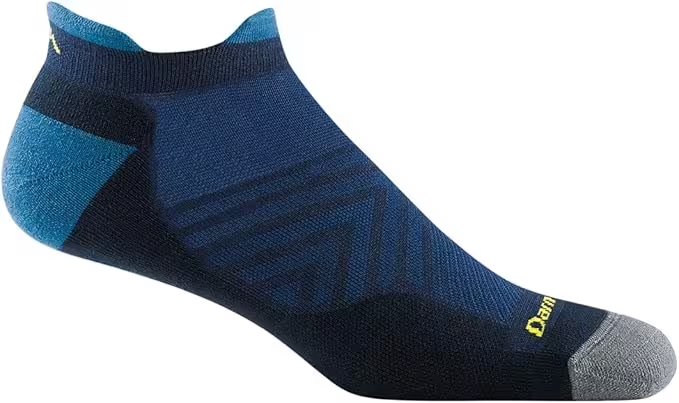
Darn Tough Coolmax Run No Show Tab
Best for: Everyday road running
Height: No show tab
Weight: Ultra lightweight
Cushion: Underfoot
Yarn: COOLMAX synthetic
Fit: Performance fit
Good choice if: you want one light, secure sock for short runs, long runs and regular training.
The Darn Tough is the balanced choice. It uses COOLMAX yarn, an ultra lightweight knit, soft cushion underfoot and a smooth toe seam. The performance fit is meant to limit slipping and bunching while using slightly less shoe space than the Balega.
Justin owns Darn Tough crew socks rather than this exact Coolmax Run No Show. That gives us real experience with the brand, but not with this exact height and construction. The no show specifications and ranking here come from the current product information. Darn Tough also backs the sock with its lifetime guarantee, although you should check the current terms before relying on that for a purchase.
Buy it if: you want a versatile everyday sock with slightly less bulk than Balega.
Skip it if: you want a very plush sock or taller trail protection.
What Works
- Low profile everyday fit
- COOLMAX moisture management
- Smooth toe seam
- Lifetime guarantee from Darn Tough
Watch For
- Not a plush sock
- No show height gives little trail coverage
- Fit is more secure than relaxed
#3
Best for Toe Blisters · Team Experience
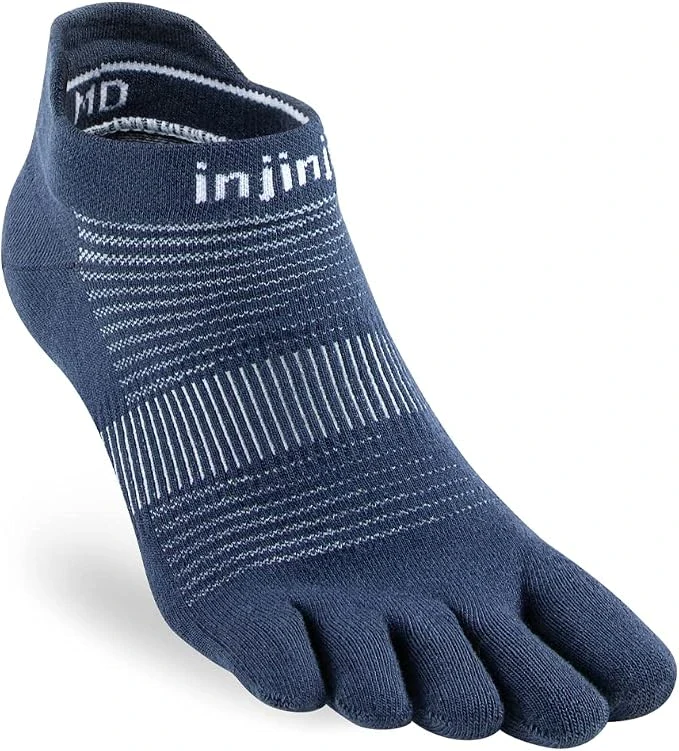
Injinji Run Lightweight No Show
Best for: Rubbing between toes
Height: No show tab
Cushion: Lightweight
Design: Five toe
Feel: Thin and breathable
Use: Road and daily runs
Good choice if: your toes rub against each other and you want less bulk than a midweight trail toe sock.
Injinji solves a specific problem that regular socks cannot: each toe is wrapped separately, so there is no direct skin on skin rubbing between them. The Run Lightweight No Show is the brand’s thinnest non liner running option, with a heel tab and a secure arch band.
Justin owns this lightweight no show pair and previously used a warmer Injinji model in winter. His experience supports the seasonal advice here: use the lightweight version for warm road miles, then move to a warmer or midweight height when cold or trail debris matters.
Buy it if: blisters form between your toes or you already like toe socks.
Skip it if: you dislike fabric between your toes or have very little room in the toe box.
What Works
- Separates every toe
- Thin profile for warmer runs
- Heel tab and arch band
- Genuine Running Gear Lab ownership experience
Watch For
- Takes longer to put on
- Individual toe fit does not suit everyone
- Can use more forefoot space than a thin regular sock
#4
Best Thin Sock · Hot Weather
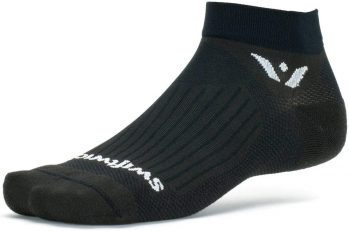
Swiftwick Aspire No Show
Best for: Heat and snug shoes
Height: No show
Cushion: Minimum
Compression: Firm
Feel: Thin and secure
Use: Racing and speed work
Good choice if: thicker socks make your shoes tight or your feet heat up quickly.
The current Aspire No Show is the thin option in this group. Swiftwick lists minimum cushioning and firm compression, while the Y shaped heel and channeled upper are designed to keep the fit secure and improve airflow.
Choose it for a close fitting race shoe, a warm day or simply because you dislike padded socks. The firm feel is part of the design, so it is not the safest blind buy for someone who prefers a relaxed cuff.
Buy it if: you want a firm, thin sock that preserves space inside the shoe.
Skip it if: you want underfoot softness or dislike compression.
What Works
- Minimum cushion and very little bulk
- Firm fit stays close to the foot
- Channeled upper adds airflow
- Useful in close fitting shoes
Watch For
- Almost no cushioning
- Firm compression is not for everyone
- The older Aspire Zero name may still appear at retailers
#5
Best Max Cushion · Long Runs
Feetures Elite Max Cushion Quarter
Best for: Long runs and more padding
Height: Quarter
Cushion: Maximum
Fit: Right and left specific
Toe: Seamless
Support: Targeted arch compression
Good choice if: you like substantial underfoot cushioning and your running shoes have room for it.
Feetures is the plush alternative to Swiftwick. The Elite Max Cushion Quarter uses a right and left specific shape, targeted arch compression, a seamless toe and thick padding underfoot. The quarter cuff also covers more of the ankle than a no show sock.
Extra cushion can feel good late in a long run, but it is not automatically better for distance. If the shoe already fits closely, the added thickness can create pressure instead of solving it.
Buy it if: you enjoy a padded sock and have spare room inside the shoe.
Skip it if: your toes already feel crowded or you want a barely there feel.
What Works
- Plush maximum cushioning
- Right and left specific shape
- Seamless toe
- Quarter cuff adds ankle coverage
Watch For
- Adds substantial shoe volume
- Warmer than the thin options
- More sock than many racers want
#6
Best Double Layer · Repeat Friction
Wrightsock Coolmesh II Tab
Best for: Repeat friction hot spots
Height: Tab
Construction: Double layer
Feel: Lightweight
Use: Running and walking
Fit need: Both layers must sit flat
Good choice if: the same area keeps rubbing even after you change ordinary running socks.
Wrightsock takes a different approach to friction. The Coolmesh II uses two light layers so some movement happens between the layers instead of directly against your skin. That makes it worth comparing when the same hot spot returns in a normal single layer sock.
Pull both layers smooth before you put on your shoe. A fold or wrinkle defeats the point and can create a new pressure spot. Choose the Cushion version only if your shoe has enough volume for the extra padding.
Buy it if: you want to try a double layer design for a repeat friction problem.
Skip it if: you prefer the simplest possible single layer sock.
What Works
- Distinct double layer design
- Lightweight Coolmesh II option
- Tab height works with road shoes
- Useful for repeat friction hot spots
Watch For
- Feels different from a regular sock
- Both layers need to lie smooth
- The Cushion version uses more shoe space
#7
Best Winter · Family Owned
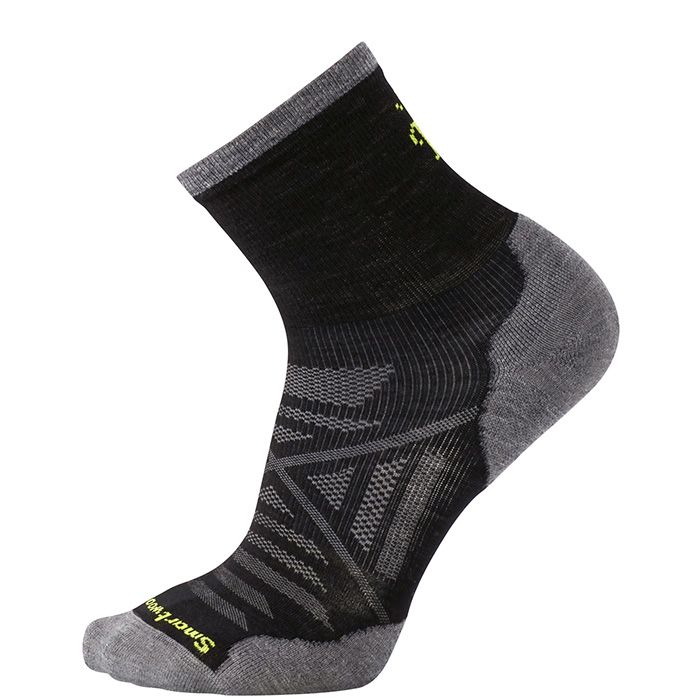
Smartwool Run Cold Weather Crew
Best for: Cold weather running
Height: Crew
Cushion: Targeted
Fibre: 55 percent Merino wool
Coverage: Above the ankle
Role: Winter training
Good choice if: you want more warmth and coverage without using a thick hiking sock.
Cold runs ask for a different sock. Smartwool’s current Run Cold Weather Crew combines 55 percent Merino wool with targeted cushioning and crew coverage. It gives you warmth over the ankle without using the brand’s heaviest full cushion construction.
Justin owns the Smartwool cold weather socks shown here. They are the winter specialist in his sock drawer, not the pair he reaches for in July. Make sure the extra height and material still work with the shoes and tights you plan to wear together.
Buy it if: cold toes and ankle coverage matter more than minimum bulk.
Skip it if: you mainly run in warm weather or want a true no show sock.
What Works
- Merino blend for cold conditions
- Targeted rather than full heavy cushioning
- Crew height adds coverage under tights
- Current Smartwool running model
Watch For
- Too warm for summer
- Uses more shoe space than Swiftwick
- Needs to be tested with the rest of your winter kit
At a Glance
Compare the 7 Main Picks
Swipe sideways to compare all columns →
| Sock | Best For | Cushion | Height | Buy |
|---|---|---|---|---|
| Balega Blister Resist Family Owned | Rubbing and hot spots | Maximum | No show tab | Amazon |
| Darn Tough Coolmax Run | Everyday road running | Underfoot | No show tab | Amazon |
| Injinji Run Lightweight | Rubbing between toes | Lightweight | No show tab | Amazon |
| Swiftwick Aspire No Show | Heat and snug shoes | Minimum | No show | Amazon |
| Feetures Elite Max Cushion | Long runs and more padding | Maximum | Quarter | Amazon |
| Wrightsock Coolmesh II | Repeat friction hot spots | Double layer | Tab | Amazon |
| Smartwool Run Cold Weather Family Owned | Cold weather running | Targeted | Crew | Amazon |
Sock thickness and fit can vary slightly by size and colour. Retail listings also change, so check the exact model name and size chart before buying.
How we chose these running socks
This guide is written by Kelly and includes clearly labelled experience from Justin. He owns the Balega Blister Resist, Smartwool cold weather socks, the Injinji Run Lightweight No Show, a warmer Injinji pair, Darn Tough crew socks and QC socks. His Darn Tough pair is not the exact no show model ranked here, and QC is not ranked because the exact model has not been confirmed. We do not claim that the Running Gear Lab team has run in every sock on this page.
For the models we do not own, and for model specific details on the owned pairs, we checked the brands’ current product names, cushion levels, fibre descriptions, heights, fit features and intended uses on October 3, 2026. We also reviewed current independent comparisons for context, but did not copy one tester’s ranking as a universal answer.
The rankings focus on a practical shopping question: which sock solves a clear problem without creating a new fit issue? Affiliate commission does not determine the order. Learn more about our process on the Running Gear Lab About page.
Still Worth Comparing
3 More Running Socks to Consider
These are useful alternatives, but each overlaps with one of the seven main picks.
Balega Hidden Comfort No Show
Choose it for soft high cushioning when you like Balega’s fit but do not need the Mohair and Merino blend used in Blister Resist.
Injinji Trail Midweight Mini Crew
Choose it for trails when toe separation still matters but you want more underfoot cushion and coverage above the shoe.
Smartwool Run Low Ankle
Choose it for milder weather when you want a Merino blend and targeted cushion without the winter crew height.
Fit First
How to Choose Running Socks
Match thickness to shoe volume
A maximum cushion sock can feel comfortable in a roomy trainer and cramped in a racing shoe. Put the sock on before judging shoe fit.
Use the blister location
Choose Injinji for rubbing between toes. Compare Balega or Wrightsock for heel and forefoot hot spots, then check shoe fit if the same spot keeps returning.
Choose height for conditions
No show socks suit most road shoes. Quarter and crew heights add coverage for trail debris, cold weather and the gap below tights.
Test the race combination
Wear the exact sock and shoe together on a long run. A small change in thickness can alter heel hold and toe room.
Buy by the size chart
Sock sizing overlaps shoe sizes. If you sit on a boundary, follow the brand’s advice rather than assuming every medium fits the same.
Keep the fabric smooth
Straighten the toe, heel and any double layers before lacing up. A wrinkle can become a hot spot after a few kilometres.
What about cotton? Technical synthetic and Merino blends usually move moisture more effectively during a run. Cotton can stay wet longer, which may make rubbing less comfortable on long or sweaty outings. You do not need to throw out a cotton pair that works for a short easy run.
Common Questions
Running Sock FAQ
What are the best running socks in 2026?
The Balega Blister Resist No Show is the best overall starting point in this guide when rubbing and hot spots are the reason you are shopping. Choose Darn Tough for less bulk, Injinji for rubbing between the toes or Swiftwick for the thinnest feel.
What running socks are best for blisters?
Start with Balega Blister Resist for heel or forefoot hot spots when your shoe has enough room. Choose Injinji when the rubbing is between your toes. Wrightsock is another option for a repeat friction spot. A sock will not fix a shoe that slips, pinches or crowds your toes.
Are thick or thin running socks better?
Neither is always better. Balega’s maximum cushion label sounds bulkier than the sock feels. Justin’s pair is not unusually thick compared with a regular sock; it is simply thicker than his lightest performance socks. That small difference can still matter in a close fitting shoe.
Do toe socks help with blisters?
Toe socks can help when the problem is skin rubbing directly between the toes because each toe is wrapped separately. They still need to fit your toe shape, and the extra fabric may feel crowded in a narrow toe box.
What running socks are best for hot weather?
Swiftwick Aspire No Show is the hot weather pick here because it has minimum cushion, firm compression and a breathable upper. Injinji Run Lightweight No Show is the better warm weather choice when rubbing between the toes is the main problem.
What running socks are best for winter?
Smartwool Run Cold Weather Crew is the winter pick in this guide. It uses a Merino blend, crew coverage and targeted cushion. Check that the extra material still leaves enough room inside your winter running shoes.
More Running Gear
Keep Comparing
You can also browse the full Running Clothing and Gear hub for clothing, hydration, lights, recovery gear and other practical running guides.