10 Best Neutral Running Shoes 2026

The Shoe Category Most Runners Actually Need

A running friend texted me last year during a trip to the running store. He had just been told by the sales person that he was a neutral runner and he wanted to know what that meant and where to start. I told him to take a photo of the wall and send it to me because neutral shoes are the biggest category in the store and the range of options is genuinely confusing even for experienced runners.

The neutral shoe category covers everything from budget friendly daily trainers to max-cushion recovery shoes and responsive tempo options. Most of what you see advertised, most of what fills the shelves at running stores, and most of what ends up on the feet of recreational runners fits into this bucket. That’s the good news. The challenge is that more options doesn’t automatically mean easier decisions.

I’ve run in all ten shoes on this list at some point. Some have hundreds of miles on them. A couple I put down after twenty miles because they weren’t right for me and I’ll tell you exactly why. That’s the only honest way to write a guide like this. Every runner is different and the shoe that works perfectly for your training partner might feel completely wrong to you. My goal here is to give you enough information about each shoe that you can figure out which one fits your situation before you spend $150 finding out the hard way.

Quick check before you read on: Look at the wear on an old pair of running shoes. If the wear is fairly even across the sole with perhaps a little more toward the outer forefoot, you’re probably a neutral runner and this guide is right for you. If wear is concentrated heavily on the inner edge near the big toe, you likely overpronate and should look at stability shoes or the guide for flat feet instead.

Jump to Your Pick

What a Neutral Running Shoe Actually Is

A neutral running shoe has no built-in arch post, medial guide, or overpronation correction in the midsole. Both sides of the foam feel the same underfoot. There is no denser wedge on the inner side trying to push your foot into a different position. The shoe just gives you cushioning and protection from the road without trying to change what your foot naturally does.

This is different from a stability shoe, which has a medial post on the inner midsole specifically designed to limit how much the foot rolls inward. A neutral shoe has no such correction. The assumption is that your foot mechanics are working reasonably well and the shoe’s job is to protect you from impact rather than redirect your gait. If you’ve been told you’re a neutral runner during a gait analysis, or if your old shoes show relatively even wear, you’re in the right place.

Who Should Be in a Neutral Shoe

Neutral shoes are designed for runners whose foot lands and rolls forward without excessive inward movement. This is called a neutral or supinating gait. When your foot strikes the ground it’s supposed to roll slightly inward through the midstance phase. That inward roll distributes impact across the full foot and acts as a natural shock absorber. A neutral runner does this within a normal range.

If you tend to roll inward significantly beyond that normal range, that’s overpronation and a stability shoe helps. If you roll outward instead of inward, that’s supination or underpronation, and a well-cushioned neutral shoe is still the right answer. The shoes on this list are appropriate for both neutral runners and underpronators since the key is finding something cushioned and flexible without any correction features working against you.

Not sure where you fall? The Running Shoe Finder asks about your arch, wear pattern, and terrain in about two minutes and tells you which category is right for you. It’s the fastest way to get a clear answer before spending money on the wrong type of shoe.

What Neutral Runners Actually Need in a Shoe

1. Cushioning That Matches Your Mileage

Higher mileage runners need more cushion. If you’re running 40 or more miles a week your joints are absorbing a serious amount of impact and a more protective shoe pays for itself in reduced wear on your body. If you’re running 20 miles a week or less a moderately cushioned shoe is plenty. Buying a max-cushion shoe when you only run three times a week is not going to make you a better runner but it will make your wallet slightly lighter.

2. A Drop That Suits Your Stride

Drop is the height difference between the heel and the forefoot. A 10 to 12mm drop suits traditional heel strikers. An 8mm drop is the most universally accommodating middle ground. A 4 to 6mm drop encourages a more midfoot-forward landing but requires adaptation if you’re coming from a higher-drop shoe. Changing drops too quickly causes calf and Achilles issues. If you’re buying your first pair of running shoes, start in the 8 to 10mm range and see how your body responds.

3. A Fit That Actually Holds Your Foot

Your heel should feel locked in. Your midfoot should feel secure when the laces are tightened. And there should be a thumbnail’s worth of space between your longest toe and the front of the shoe. Feet swell during runs and a shoe that fits perfectly in the store will often feel tight at mile 12. Most runners go half a size up from their street shoe size in running shoes.

4. A Purpose That Matches Your Training

The most important question before buying any running shoe is what you’re actually going to use it for. If you run easy miles and want one comfortable shoe for everything, prioritize cushion and fit. If you train at varied paces and need versatility, look for something with a more responsive midsole. If you’re doing recovery runs after hard days, max cushion is worth the money. One shoe trying to do everything is usually worse than two shoes each doing one thing well.

The 10 Best Neutral Running Shoes for 2026

Every shoe on this list is a neutral trainer with no stability features. They range from a $130 budget workhorse to premium max-cushion options. The right one for you depends on your mileage, your preferred pace range, and what your body needs from a shoe.

BROOKS GHOST 17 Running Shoe

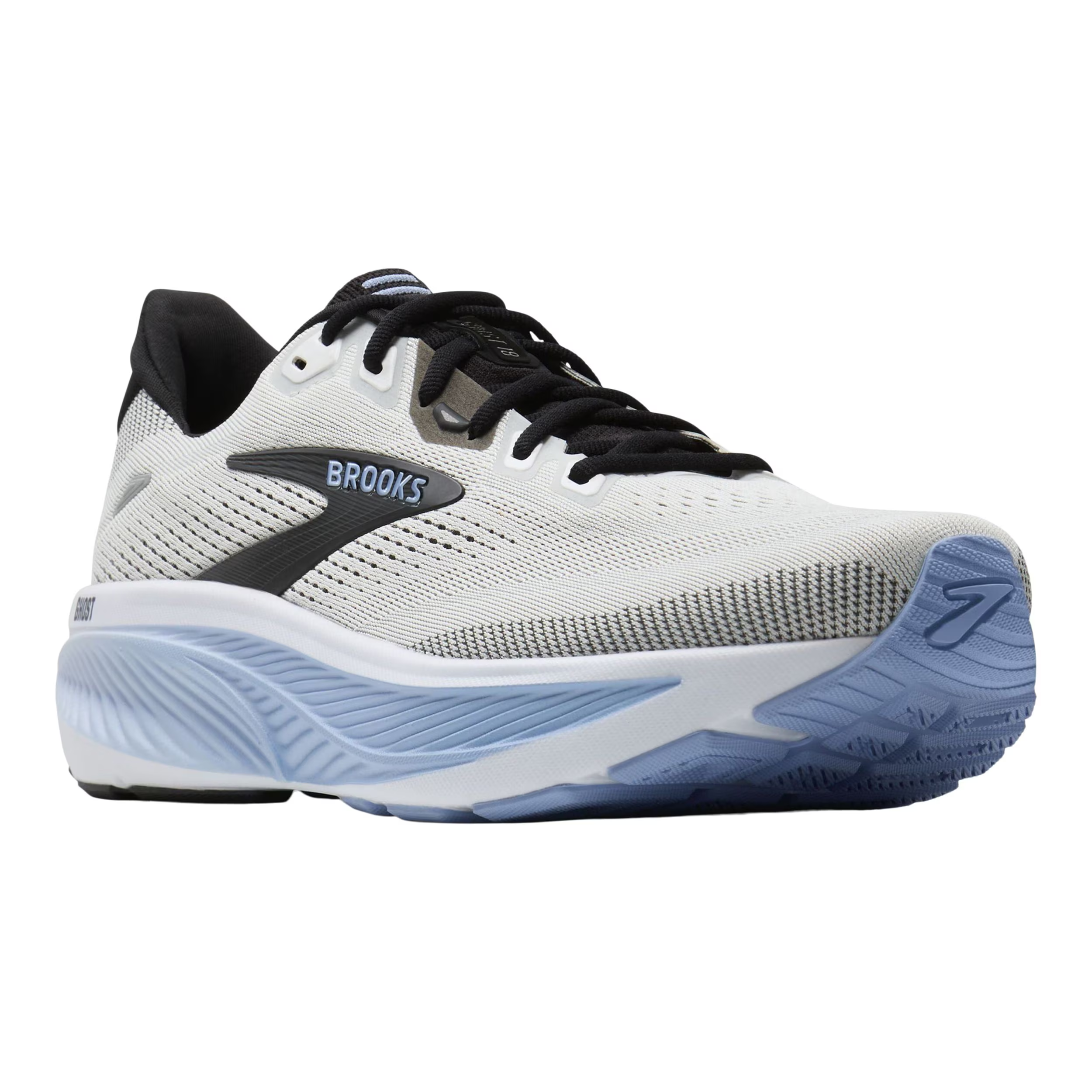
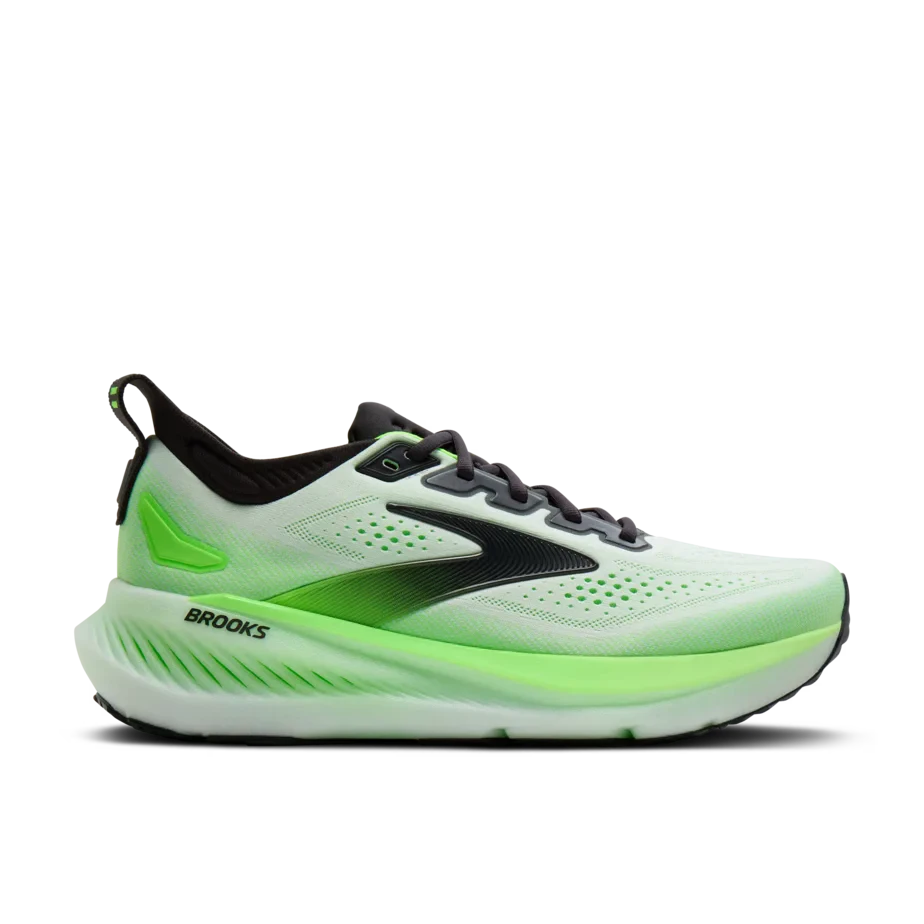
#1: Brooks Ghost 17 — Best All-Around Neutral Trainer

Weight: 10.2 oz (men’s size 9) Drop: 10mm Stack: 36.5mm heel / 26.5mm forefoot Foam: DNA Loft v3 Price: $150

The Brooks Ghost has been the bestselling running shoe in America for most of the last decade and the version 17 is genuinely the best one they’ve made. That’s not something I say about every annual update. Brooks dropped the heel-to-toe offset from 12mm down to 10mm and added a couple of millimeters of foam in the forefoot. That sounds like a minor change on paper but it completely changes how the shoe moves through a stride. The shoe rolls through your gait more naturally now and it doesn’t pitch you forward as aggressively as the older versions used to.

The DNA Loft v3 foam is soft enough to feel forgiving on easy days but has enough firmness that you can pick up the pace when you want to. It’s not a dead or mushy shoe. I’ve done long runs in it and threshold sessions in it and it handled both without feeling like I was fighting the shoe. The double jacquard mesh upper is more breathable than previous Ghost versions and the redesigned heel collar is better for runners who used to get Achilles irritation from the old design.

The honest note: at 10.2 ounces the Ghost 17 is not light for a shoe at this stack height. ASICS is launching shoes like the Novablast 5 with significantly more foam for less weight at a lower price. Brooks knows the Ghost has a loyal following and this update keeps them happy without shaking things up. If you’ve run in the Ghost before and liked it this is the best version yet. If you’re new to the category the Novablast 5 is worth comparing before you decide.

Check Price on Amazon

What I Like

  • Lower 10mm drop makes for a more natural stride than older Ghost versions
  • Soft enough for recovery runs and firm enough for tempo efforts
  • Available in narrow, medium, wide and extra-wide widths
  • Durable outsole that typically goes 400 to 500 miles
  • Improved breathability from the new jacquard mesh upper
  • 90-day wear test guarantee from Brooks

What to Watch

  • 10.2 oz is heavier than comparable shoes at this stack height
  • DNA Loft v3 foam feels less energetic than newer foam technologies
  • Not the right pick if you want a bouncy or lively underfoot feel
  • Forefoot strikers may find the 10mm drop still slightly high
New Balance Fresh Foam X 1080v14 Running Shoe CREAM e1776189593863

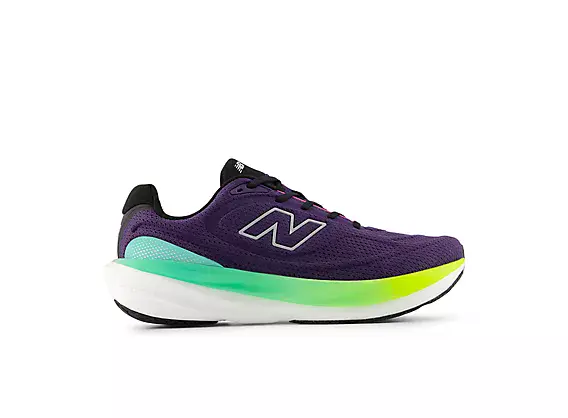
#2: New Balance Fresh Foam X 1080 v14 — Best for Long Runs

Weight: 8.3 oz (men’s size 9) Drop: 6mm Stack: 38mm heel / 32mm forefoot Foam: Fresh Foam X Price: $165

If I had to pick one shoe for marathon training I would genuinely struggle to choose between the Ghost 17 and the 1080 v14. They do different things well and that difference comes down to what you’re asking the shoe to handle. The Ghost does more things adequately across different paces. The 1080 does one thing at a very high level: it makes long slow miles feel significantly more comfortable than most other shoes at this price.

The Fresh Foam X midsole in the v14 is softer than the v13 and has a more stable platform underfoot without losing the plush quality that made the 1080 famous. When you’re sixty miles into a training week and your legs are already sore from the work you’ve done, this shoe is genuinely kind to your body in a way that a standard cushioned trainer often isn’t. The rocker geometry encourages smooth transitions even when your form is starting to break down late in a run.

The 6mm drop is lower than most of the shoes on this list. If you’re currently in a 10 or 12mm shoe you will feel the difference in your calves and Achilles for the first week or two. Give it four or five runs before you make any judgment. Once your body adjusts it’s one of the smoothest rides in this category. One honest caveat: this is not a fast shoe. If you want to do strides or intervals in your daily trainer the Ride 18 or the Wave Rider 29 are better suited for that. Get the 1080 for your easy days and long runs.

Check Price on Amazon

What I Like

  • Remarkably light for the amount of cushioning it provides at 8.3 oz
  • Rocker geometry keeps transitions smooth even on tired legs
  • Non-prescriptive midsole lets the foot roll through naturally
  • Available in narrow, standard, wide and extra-wide versions
  • Firmer and more stable than the v13 without losing the plush feel

What to Watch

  • 6mm drop requires a two to three week transition from higher drop shoes
  • Too soft for speed work or tempo efforts
  • At $165 it’s at the higher end of the daily trainer category
  • Toe box runs narrow — go up half a size or get the wide version
New Balance 880 Running Shoe

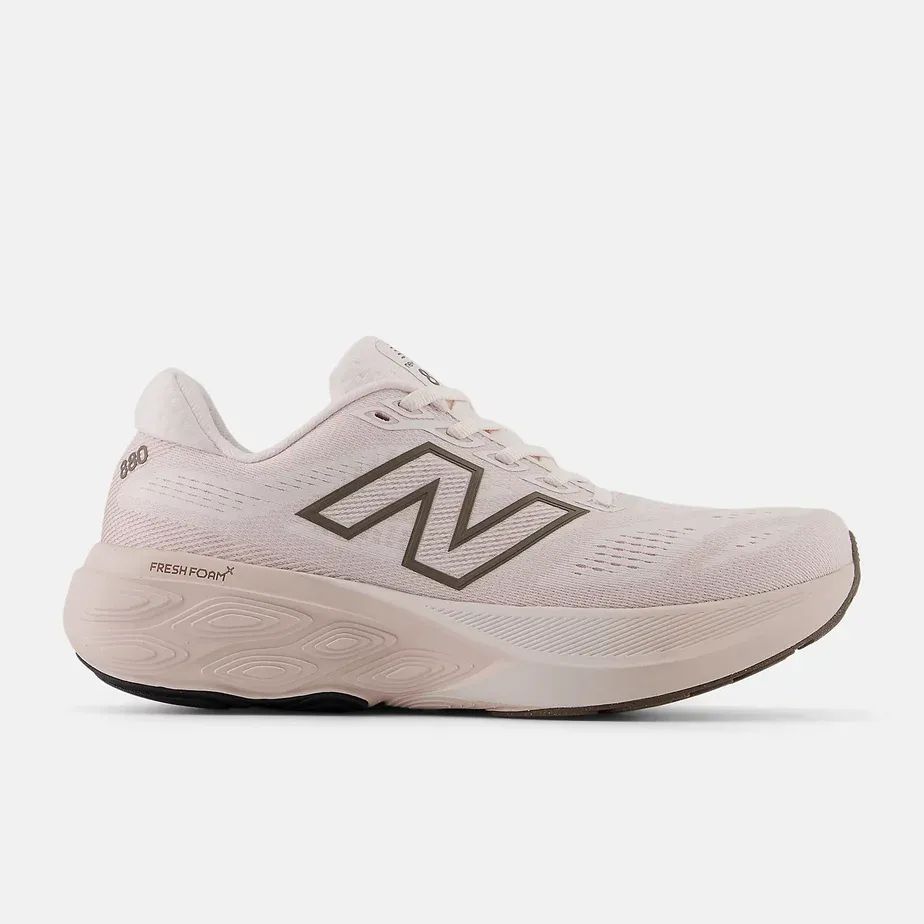
#3: New Balance Fresh Foam 880 v15 — Best Budget Neutral Shoe

Weight: 9.9 oz (men’s size 9) Drop: 8mm Foam: Fresh Foam X Price: $130

Someone described the New Balance 880 as the Honda Civic of running shoes and I have never heard a more accurate description of any shoe in my life. It is not exciting. Nobody at a race is going to stop you to ask about it. But it is absolutely reliable, the quality is consistent across every version, it fits the majority of feet well, and it costs $35 less than the Ghost 17 and $35 less than that compared to the 1080 v14.

The 880 v15 updated the midsole to be lighter and slightly more cushioned than the v14, with better flex grooves that make the shoe bend more naturally underfoot. The 8mm drop sits right in the middle of the market, which makes it the most universally accommodating offset on this list. It works whether you’re a heel striker or landing closer to your midfoot, and whether you’ve been running for six months or six years.

If you’re just getting into running and don’t want to spend $150 on your first real pair of shoes, this is the one I’d tell you to buy. If you’re a more experienced runner who goes through shoes quickly and wants something dependable without overspending, same answer. The one honest caveat is that the foam starts firmer than the Ghost or the 1080 and needs about thirty miles to break in properly. Don’t judge it in the first week.

Check Price on Amazon

What I Like

  • Best value in the neutral category at $130
  • 8mm drop is the most universally accommodating offset available
  • Comfortable fit for the widest range of foot shapes on this list
  • Solid durability for the price
  • Good as both a primary shoe and a backup rotation pair

What to Watch

  • Firmer than the Ghost or 1080 especially in the first 30 miles
  • Not ideal for high-mileage runners who need maximum protection
  • Upper materials feel less premium than pricier options
Asics Nimbus Running Shoe

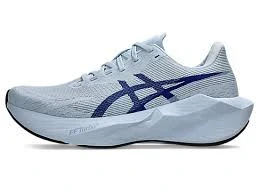
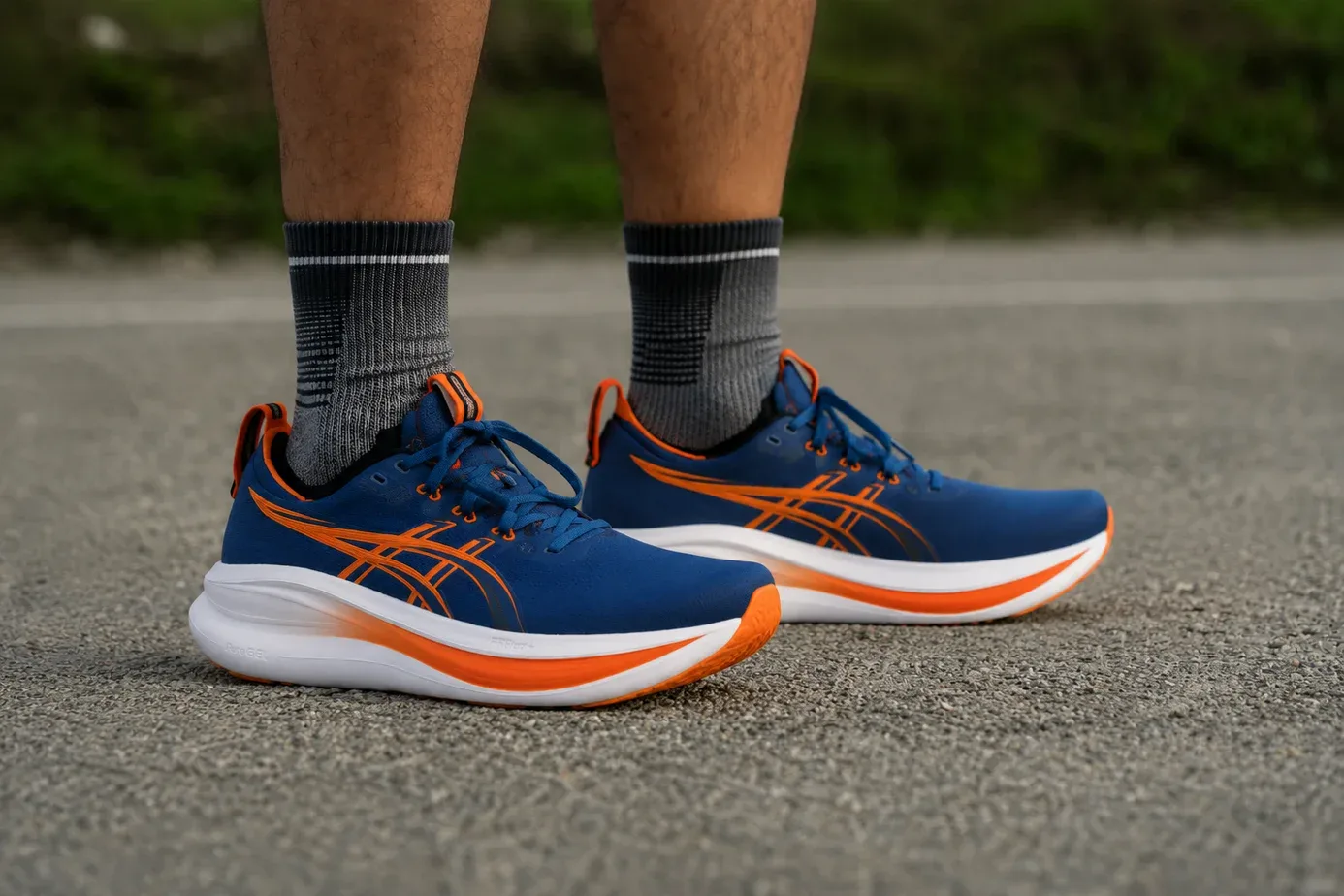
#4: ASICS Gel-Nimbus 27 — Best Max-Cushion Neutral Shoe

Weight: 10.1 oz (men’s size 9) Drop: 8mm Stack: 43.5mm heel / 35.5mm forefoot Foam: FF Blast Plus Eco + PureGEL Price: $165

The Nimbus is ASICS being completely unapologetic about what they’re trying to do. This is a comfort shoe. It is not versatile. It is not going to help you run faster. It has 43.5mm of foam in the heel, which is the most cushion of any shoe on this list, and its entire purpose is to absorb as much impact as possible on easy days and recovery runs. Within that purpose it is genuinely exceptional.

The FF Blast Plus Eco foam combined with the PureGEL insert in the heel creates a landing that is noticeably softer than anything else on this list. ASICS uses the gel insert specifically to improve shock absorption for heel strikers, which is where most runners make their initial contact. The platform is wide and stable enough that all that foam doesn’t feel wobbly or unpredictable. It just feels like being protected from the road rather than absorbing it through your joints.

I wear the Nimbus on recovery days. That’s what it was built for. Days when your legs are fried and your only goal is to complete the run without making your body feel worse. For that job it is about as good as a running shoe gets. Where runners go wrong is treating it like an all-rounder. The foam is too soft for anything faster than easy pace and you lose a lot of feedback from the road. Accept what it is and it’s a great shoe.

Check Price on Amazon

What I Like

  • Most protective cushioning of any shoe on this list
  • PureGEL insert softens heel landings for heel strikers
  • Accommodating fit for mid to narrow feet despite the tall stack
  • Padded ankle collar with excellent step-in comfort
  • ASICS durability is reliably consistent across versions

What to Watch

  • Not a versatile shoe — purely for easy runs and recovery
  • At $165 it’s the same price as the 1080 v14 for a more specialized use
  • Heavy runners may find the foam compresses quickly over time
NIKE PEGASUS 41 Running Shoe

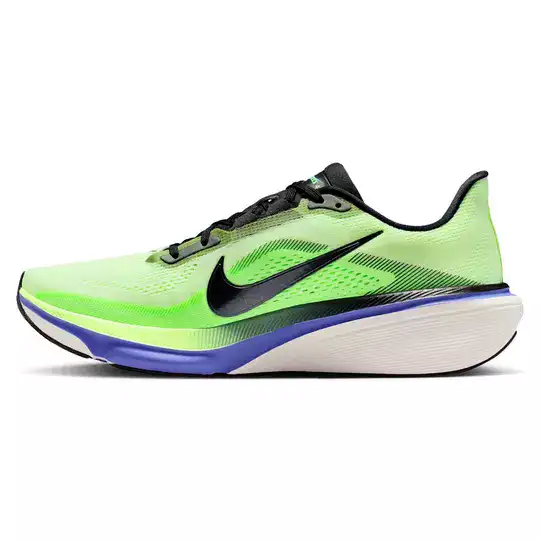
#5: Nike Air Zoom Pegasus 41 — Most Versatile Shoe on This List

Weight: 10.0 oz (men’s size 9) Drop: 10mm Stack: 37mm heel / 27mm forefoot Foam: ReactX + Air Zoom pods Price: $140

The Pegasus has been around since 1983. There is a reason Nike has kept updating this shoe for over four decades: it works for a genuinely wide range of runners in a way that most shoes simply don’t. The version 41 introduced a new ReactX midsole and two Air Zoom units embedded in the heel and forefoot. The result is a shoe with noticeably more energy return and pop than any previous Pegasus. It’s not as soft as the Ghost or the 1080 but it has a responsive balanced feel that makes it usable for everything from easy runs to tempo sessions.

If I could only own one pair of running shoes for a training cycle this would be a serious contender. Not because it’s the best at anything on this list but because it’s the most capable across everything. The fit is medium width and true to size for most runners. The upper on the 41 is more breathable than previous versions which used to run warm. The 10mm drop suits heel strikers well. If you tend to land more toward your midfoot you might find the forefoot cushioning slightly flat at faster paces, but for most runners that’s not a meaningful limitation.

Check Price on Amazon

What I Like

  • Most versatile shoe on this list by a significant margin
  • ReactX foam has noticeably more spring than older Pegasus versions
  • Air Zoom pods give it a liveliness that the Ghost and 880 don’t have
  • Good durability — typically lasts 400 to 500 miles
  • Works as a single shoe for beginners and for experienced runners who want one do-everything trainer

What to Watch

  • Not the softest ride for pure recovery days
  • Forefoot cushioning is adequate but not inspiring for very fast running
  • Heel strikers get more from this shoe than forefoot strikers
HOKA CLIFTON 10 Running Shoe

#6: Hoka Clifton 10 — Softest Daily Ride on This List

Weight: 9.8 oz (men’s size 9) Drop: 8mm Stack: 42mm heel / 34mm forefoot Foam: Compression-molded EVA Price: $145

When Hoka first came out people thought the shoes looked completely ridiculous. Big chunky soles, rocker geometry, looked like orthopedic sandals. Then runners put them on and went quiet for a second and then said oh, okay, I get it now. The Clifton 10 is the lightest and most refined version Hoka has produced and it’s a meaningful step forward from the version 9.

The thing that makes the Clifton different from everything else on this list is the metarocker geometry. Most shoes ask your foot to roll through each stride under its own power. The Clifton almost does it for you. The curved sole guides your foot from heel strike through toe-off in a way that feels effortless, especially late in a long run when your form is starting to deteriorate. For runners returning from injury or dealing with Achilles or plantar fascia issues, this is often the shoe coaches and physical therapists recommend first because the rocker reduces the load on those tissues.

Hoka increased the drop from 4mm to 8mm on the Clifton 10, which was a significant and somewhat controversial change from the previous version. For most runners it’s actually an improvement since it makes the shoe more accessible without the aggressive adaptation the 4mm drop required. Ground feel is minimal which is a real trade-off. If you like to feel the road this is not your shoe. But if you want something that absorbs impact efficiently and keeps your legs feeling fresh mile after mile, the Clifton 10 is excellent at that job.

Check Price on Amazon

What I Like

  • Metarocker makes running feel genuinely easier on tired legs
  • Light for the amount of cushioning it provides
  • Forgiving for runners coming back from impact-related injuries
  • New 8mm drop is more accessible than the 4mm of previous versions
  • Spacious toe box works well for wide feet

What to Watch

  • Minimal ground feel — not for runners who want road feedback
  • Not a fast shoe — the rocker makes you efficient but not quick
  • Some runners find the rocker geometry takes a few runs to feel natural
  • EVA foam wears faster than newer foam technologies
SAUCONY RIDE 18 Running Shoe

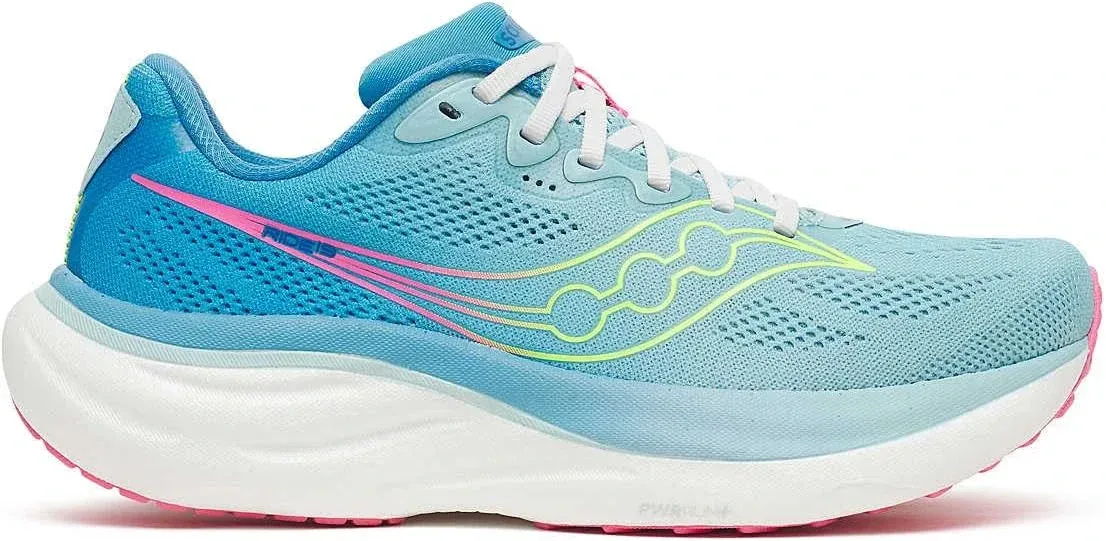
#7: Saucony Ride 18 — Best for Everyday Training at Varied Paces

Weight: 9.4 oz (men’s size 9) Drop: 8mm Foam: PWRRUN+ Price: $140

Saucony doesn’t get talked about as much as Brooks or New Balance in mainstream running conversations but the Ride series is one of the genuinely best value propositions in the category. The version 18 updated the midsole to supercritical PWRRUN+ foam, which is softer and more energetic than what Saucony was using in earlier versions. The ride has more life to it now and less of the flat, workmanlike quality the older Rides had.

What I like specifically about the Ride 18 is that it handles easy days and moderate-effort days without feeling like two different shoes. Of the options on this list it’s probably the second most versatile after the Pegasus 41. The 8mm drop and the flex grooves in the forefoot make the gait cycle feel natural across a range of paces. The gusseted tongue and solid heel lockdown keep the foot secure even on longer runs when feet tend to swell and move around more inside a shoe.

One honest caveat is the upper. The engineered mesh wraps the midfoot well and gives a confident lockdown, but it runs slightly narrow. Runners with wider feet or runners who like a roomier fit through the toe box should try it before buying. Medium and narrow feet will love it. Wide feet may find it frustrating.

Check Price on Amazon

What I Like

  • PWRRUN+ foam has a lively responsive quality the Ghost and 880 don’t match
  • More versatile than most cushioned trainers — handles easy runs and moderate efforts
  • Great midfoot lockdown from the upper
  • At $140 it’s excellent value for what it delivers
  • Runs true to size with a secure feel on the foot

What to Watch

  • Upper runs slightly narrow — wide feet should try before buying
  • Not as plush as the 1080 or Clifton on pure recovery days
  • Some runners find the foam a touch firm out of the box
Brooks Glycerin 22 Running Shoe

#8: Brooks Glycerin 22 — Best Premium Neutral Trainer

Weight: 10.2 oz (men’s size 9) Drop: 10mm Foam: DNA Tuned Price: $165

The Glycerin is the Ghost’s older sibling and the version 22 is the first one that genuinely surprised me. Brooks switched to DNA Tuned foam, which uses two different foam cell sizes in the same midsole. Larger cells in the heel and midfoot absorb impact softly. Smaller denser cells in the forefoot provide more response at toe-off. The result is a shoe that feels more luxurious underfoot than the Ghost 17 and has a smoother heel-to-toe transition.

The reason it’s not higher on this list is honest economics. The Ghost 17 does about 90 percent of what the Glycerin does for $15 less. But if you’re a higher-mileage runner who trains five or six days a week and wants something that feels genuinely comfortable from the first mile to the last, the Glycerin starts to justify its price. This is also the shoe I’d recommend for runners who like the Ghost experience but find the Ghost 17 slightly too firm. The Glycerin 22 is softer without crossing into the max-cushion territory of the 1080 or Nimbus.

Check Price on Amazon

What I Like

  • DNA Tuned dual-density foam is a genuine upgrade over single-density competitors
  • Smoother heel-to-toe transition than the Ghost
  • Upper quality is noticeably better than the Ghost 17 — materials feel premium
  • Available in wide widths
  • Good choice for high-mileage runners who need daily cushion without going full max-stack

What to Watch

  • At $165 the value case is thin when the Ghost 17 is this close for less
  • Not as soft as the 1080 or Nimbus for maximum cushion needs
  • Not a speed shoe — this is a daily trainer not a workout option
  • At 10.2 oz it matches the Ghost’s weight without the Ghost’s price advantage
Mizuno Wave Rider 29 Running Shoe

#9: Mizuno Wave Rider 29 — Most Responsive Daily Trainer

Weight: 9.1 oz (men’s size 9) Drop: 10mm Foam: ENERZY NXT + Wave Plate Price: $150

Mizuno doesn’t get the credit it deserves. The Wave Rider has been around for nearly thirty years and the version 29 is one of the most well-balanced daily trainers on the market right now. The ENERZY NXT foam combined with a half-length Wave Plate is where Mizuno got things right. The foam is plush enough to be comfortable on easy runs but springs back faster than the foam in most of the other shoes on this list. When you pick up the pace in the Wave Rider 29 you actually feel the shoe working with you.

Multiple testers have described the version 29 as the best the Wave Rider series has ever been and I’d agree with that. At 9.1 ounces it’s the lightest traditional cushioned trainer on this list. The 10mm drop makes it comfortable for heel strikers and the Wave Plate adds just enough stability to the foam that the shoe doesn’t feel vague or unstable at faster paces.

The one thing I tell people before they buy the Wave Rider 29 is about the upper. It runs slightly narrower than average. Runners with medium to narrow feet love it. Runners with wide feet or bunions may find it frustrating. If you’re near a running store try it on before ordering online. Once the upper breaks in it works for most foot types but that initial fit impression matters.

Check Price on Amazon

What I Like

  • Most responsive foam on this list — genuinely pushes back
  • At 9.1 oz it’s the lightest traditional cushioned trainer here
  • ENERZY NXT foam handles both easy runs and moderate efforts well
  • Wave Plate provides understated stability without correction features
  • Strong outsole durability — Mizuno rubber wears well

What to Watch

  • Upper is narrower than average — wide feet should try before buying
  • 10mm drop is the higher end of what’s on this list — not for low-drop fans
  • Foam starts firmer than most and needs a break-in period of around 30 miles
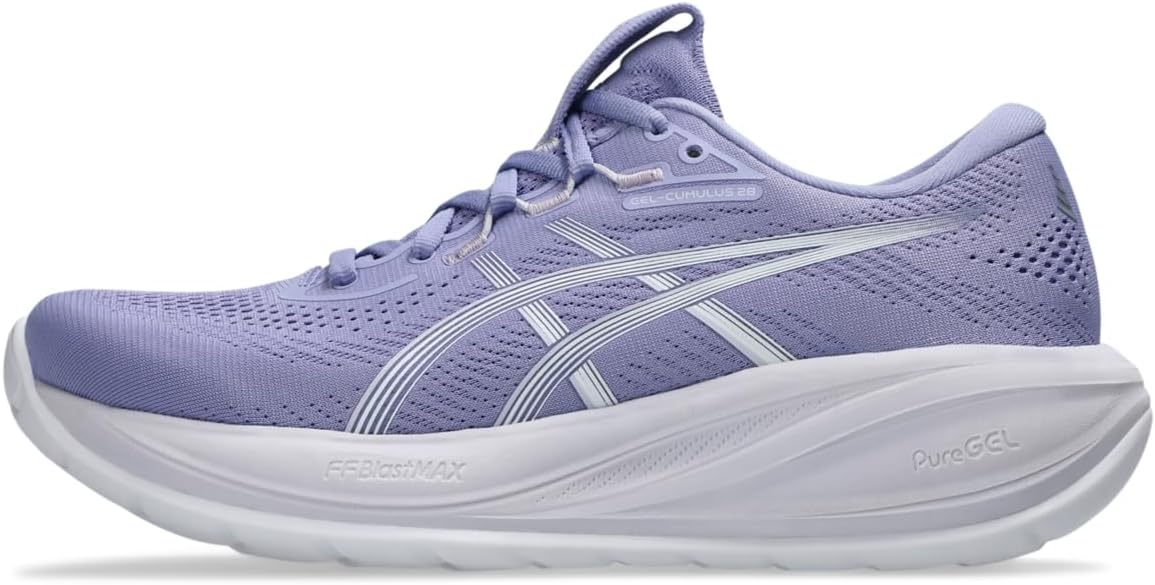
ASICS Gel-Cumulus 28 Running Shoe

#10: ASICS Gel-Cumulus 28 — Best Neutral Shoe for New Runners

Weight: 9.5 oz (men’s size 9) Drop: 10mm Foam: FF Blast Plus Eco Price: $145

The Gel-Cumulus sits between the Ghost and the Nimbus in terms of what it does and that’s almost exactly what it feels like underfoot. It’s not as soft as the Nimbus but it has a cushioned protective feel that’s more generous than what most standard daily trainers provide. ASICS designed the upper on the version 28 from data collected across hundreds of runners, which is reflected in how well it fits a wide range of foot shapes straight out of the box. It feels like the shoe was made for your foot rather than adapted to it.

The reason I put this in the spot for new runners is that the Cumulus is forgiving in the right ways. The landing is soft enough to be gentle on legs that are still adapting to running. The 10mm drop is accessible for most new runners who haven’t thought much about heel-to-toe offset before. The upper fits most feet without the snug narrow feel of the Ride 18 or the Wave Rider.

For someone just getting into running who doesn’t yet know their preferred drop, their pace range, or how many days a week they’ll actually train, the Cumulus 28 is a comfortable and sensible starting point. Once you’ve run a full training cycle in it you’ll have a much clearer idea of what you want in your next shoe.

Check Price on Amazon

What I Like

  • One of the best step-in fits of any shoe on this list
  • Soft enough to feel protective without the extremity of the Nimbus
  • Upper fits an unusually wide range of foot shapes well
  • 10mm drop is accessible for most new runners
  • Good option if you’re returning from a minor injury and need something forgiving

What to Watch

  • Not as versatile as the Ghost or Pegasus for runners who train at varied paces
  • Foam softens over time in a way that changes the shoe’s character as it breaks in
  • Not a speed shoe — comfort is the priority here not responsiveness

Not sure which of these fits your situation?

Find Your Match in 90 Seconds

The ten shoes above cover different foot types, training volumes, and paces. If you want a recommendation that factors in your specific arch, weekly mileage, and where you tend to get injured, the Shoe Finder covers all of that in about seven questions.

Take the Free Shoe Finder Quiz

Free to use. No account or email needed.

Quick Comparison

ShoePriceWeightDropBest For
Brooks Ghost 17 Top Pick$15010.2 oz10mmBest all-around daily trainer
NB Fresh Foam X 1080 v14$1658.3 oz6mmLong runs and recovery miles
NB Fresh Foam 880 v15 Best Value$1309.9 oz8mmBudget-conscious runners
ASICS Gel-Nimbus 27$16510.1 oz8mmMaximum cushion and recovery
Nike Air Zoom Pegasus 41$14010.0 oz10mmMost versatile single shoe
Hoka Clifton 10$1459.8 oz8mmSoftest daily ride
Saucony Ride 18$1409.4 oz8mmEasy runs and moderate efforts
Brooks Glycerin 22$16510.2 oz10mmPremium cushion for high mileage
Mizuno Wave Rider 29$1509.1 oz10mmMost responsive daily trainer
ASICS Gel-Cumulus 28$1459.5 oz10mmBest starting point for new runners

How to Pick the Right Neutral Shoe for You

Step 1: Figure Out Your Weekly Mileage

Under 25 miles a week: Any shoe on this list works. Prioritize fit and comfort above everything else. The 880 v15 or the Cumulus 28 are good starting points at this volume.

25 to 50 miles a week: Go for something more protective. The 1080 v14, the Nimbus 27, or the Glycerin 22 are worth the extra money at this level. Your joints are absorbing a lot more over a training week and better cushioning pays off.

Over 50 miles a week: You almost certainly need a rotation of two shoes. A cushioned trainer for easy days and something more responsive for harder sessions. The Ghost 17 and the Ride 18 pair well together at this level.

Step 2: Know Your Drop History

If you’ve only ever run in traditional shoes with a 10 or 12mm drop, stay in that range until you deliberately decide to transition lower. The Ghost 17, Pegasus 41, Glycerin 22, Wave Rider 29 and Cumulus 28 are all at 10mm and will feel familiar immediately.

If you want to try something with a more midfoot-forward landing, the Clifton 10 at 8mm or the 1080 v14 at 6mm are both options. Give yourself four to six weeks of gradual adaptation before jumping into full training mileage in them.

Step 3: Match the Shoe to What You Actually Do

Easy and recovery runs only: Hoka Clifton 10 or New Balance 1080 v14. Both are built for this and both are genuinely excellent at it.

Everything including tempo runs and long runs: Brooks Ghost 17 or Nike Pegasus 41. Both handle varied paces without feeling compromised.

High mileage protection: ASICS Gel-Nimbus 27 or Brooks Glycerin 22. The extra cushion and quality materials are worth the price at high training volumes.

One shoe on a budget: New Balance 880 v15. It’s the most dependable option at its price point.

Just getting into running: ASICS Gel-Cumulus 28 or Brooks Ghost 17. Both are accessible, forgiving, and work for a wide range of runners.

Step 4: Try Before You Buy If You Can

Every foot is shaped differently. The shoe that works perfectly for your running partner might feel wrong to you for reasons that have nothing to do with quality. If you’re near a running specialty store, jog on their treadmill in two or three options. If you’re buying online, make sure the retailer has a no-questions return policy.

Step 5: Track Your Mileage and Replace on Time

Most neutral running shoes last 300 to 500 miles. The cushioning breaks down before the outsole shows obvious wear, which means a shoe can look fine while no longer protecting you properly. Track your miles in Strava or on your GPS watch and replace around the 400-mile mark. New aches in your knees or hips after runs you’ve been handling fine are often a signal that your shoes are done, not that your body is breaking down.

Building a training plan to go with your new shoes? The Training Plan Creator generates a personalized plan for 5K through marathon based on your experience level, race date, and goal time. It’s free and takes about a minute.

Frequently Asked Questions

What is a neutral running shoe?
A neutral running shoe has no built-in arch post, medial guide, or overpronation correction in the midsole. Both sides of the foam feel the same underfoot. It lets your foot move through its natural gait pattern without trying to redirect or correct your stride. Neutral shoes are designed for runners whose foot rolls through a normal range of motion on each stride, without excessive inward or outward movement.
How do I know if I need a neutral shoe?
Look at the wear pattern on an old pair of running shoes. If the wear is fairly even across the sole with perhaps a little more on the outer forefoot, you’re likely a neutral runner. If wear is heavily concentrated on the inner edge near the big toe and inner heel, you likely overpronate and should look at stability shoes instead. A ten-minute gait analysis at a running specialty store is the most accurate way to know for certain and it’s usually free.
Can I run a marathon in a neutral shoe?
Yes. Most recreational and competitive marathoners train in neutral daily trainers. Every shoe on this list is capable of handling marathon training mileage. For race day itself, some runners also add a more responsive option like a carbon-plated shoe for the event itself while keeping a cushioned neutral trainer for their training miles. The Training Plan Creator can help you structure which shoes to use at which points in your training cycle.
Do I need to spend over $150 to get a good neutral shoe?
No. The New Balance Fresh Foam 880 v15 at around $130 is excellent for most runners. The Brooks Ghost 17 at $150 is one of the best daily trainers available at any price point. More expensive options like the 1080 v14 at $165 or the Nimbus 27 at $165 offer more cushioning but they’re specialized tools for specific needs rather than universally better shoes.
How long do neutral running shoes last?
Between 300 and 500 miles for most options. The cushioning breaks down before the outsole shows obvious wear, which means a shoe can look fine while no longer protecting you properly. Track your mileage and replace around the 400-mile mark. New aches in your knees or hips after runs you’ve been handling fine are often a signal that your shoes are past their best rather than a sign your training is off.
Should I rotate between two pairs of neutral shoes?
If you run four or more days a week, yes. Foam needs time to decompress and recover between runs. Rotating two pairs extends the life of each one and keeps the foam fresher every time you put them on. A common setup is a cushioned trainer like the Ghost 17 or 1080 v14 for easy days and something more responsive like the Ride 18 or Wave Rider 29 for harder sessions.
What heel drop should a neutral runner look for?
Drop is the height difference between the heel and the forefoot. Higher drop at 10 to 12mm suits heel strikers and runners transitioning from traditional shoes. A middle-ground drop of 8mm is the most universally accommodating option. Lower drop at 4 to 6mm encourages a more midfoot-forward landing but requires adaptation if you’re used to a higher drop. Changing drops quickly can cause calf and Achilles issues, so if you decide to go lower, transition gradually over four to six weeks.
What if I am between sizes in running shoes?
Go up half a size. Your feet swell during runs and a shoe that fits perfectly in your living room often feels tight at mile 12. Most runners go half a size up from their street shoe size in running shoes. When trying a shoe on there should be a thumbnail’s width of space between your longest toe and the front of the shoe.
Are neutral shoes good for beginners?
Neutral shoes are a great starting point for most beginners because the majority of runners have a neutral to mild gait. The Ghost 17 and the Cumulus 28 are both excellent first shoes. If you’re completely new to running I’d suggest getting a quick gait analysis at a local running store before spending money so you know for certain you’re in the right category.
Can I use neutral running shoes for walking?
Yes. Most of the shoes on this list are comfortable enough for walking and all-day wear. The 1080 v14, the Clifton 10, and the Cumulus 28 in particular work very well for walking given their softer cushioning and protective feel. The Ghost 17 is also one of the most popular choices among people who are on their feet all day in jobs like nursing or teaching.

Quick Answer

If You Only Have Time to Read One Thing

For most neutral runners, start with the Brooks Ghost 17. It’s a well-cushioned neutral daily trainer that handles easy runs, long runs, and moderate tempo efforts without feeling like it’s fighting you. The lower drop on the version 17 is a genuine improvement from previous versions and it fits the widest range of feet of any shoe on this list. At $150 it’s not cheap but it’s one of the most reliable purchases you can make in running gear.

If you want something softer for long runs and recovery days, the New Balance 1080 v14 is the move. If you’re just starting out and want to spend a bit less while you figure out what you actually need, the New Balance 880 v15 at $130 is the most honest recommendation I can make. And if you need maximum impact protection because you’re dealing with impact-related pain or running very high mileage, the ASICS Gel-Nimbus 27 is the most protective shoe on this list by a clear margin.

Whatever you pick, make sure it’s actually neutral. If you’re seeing significant wear on the inner edge of your current shoes, read the flat feet guide or the stability shoes guide before spending money in the wrong category.

See Brooks Ghost 17 on Amazon