Best Running Sunglasses in 2026: 9 Top Picks for Women, Men, and Everyday Runs
Good running sunglasses should stay put, block glare and disappear once you start moving.
Start with the picks below. If you need help choosing, the lens and fit sections are further down.
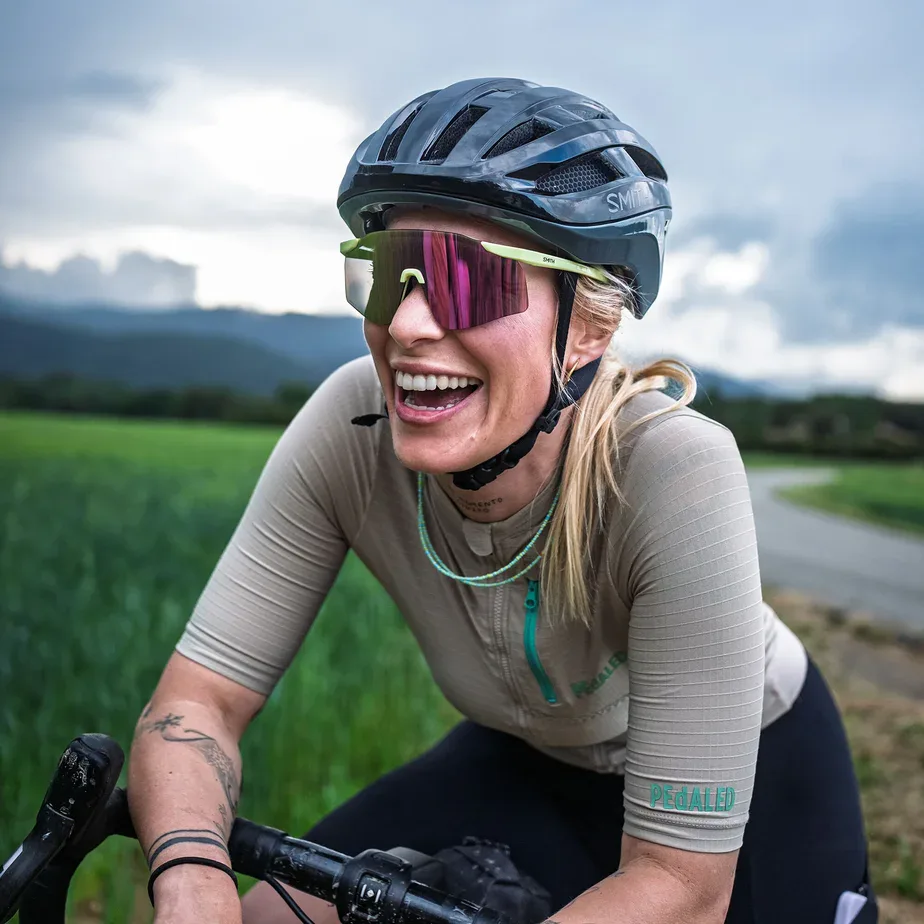
Smith Defy
The Defy is a strong place to start if you want one premium pair for road runs, trails and race day. The large shield blocks wind and sun well, while the adjustable nose pads and grippy temples make it easier to dial in the fit.
Check Current PriceMain tradeoff: the Defy fits medium to larger faces best. If your face is narrow, start with the Julbo Spark instead.
See the Top Picks First
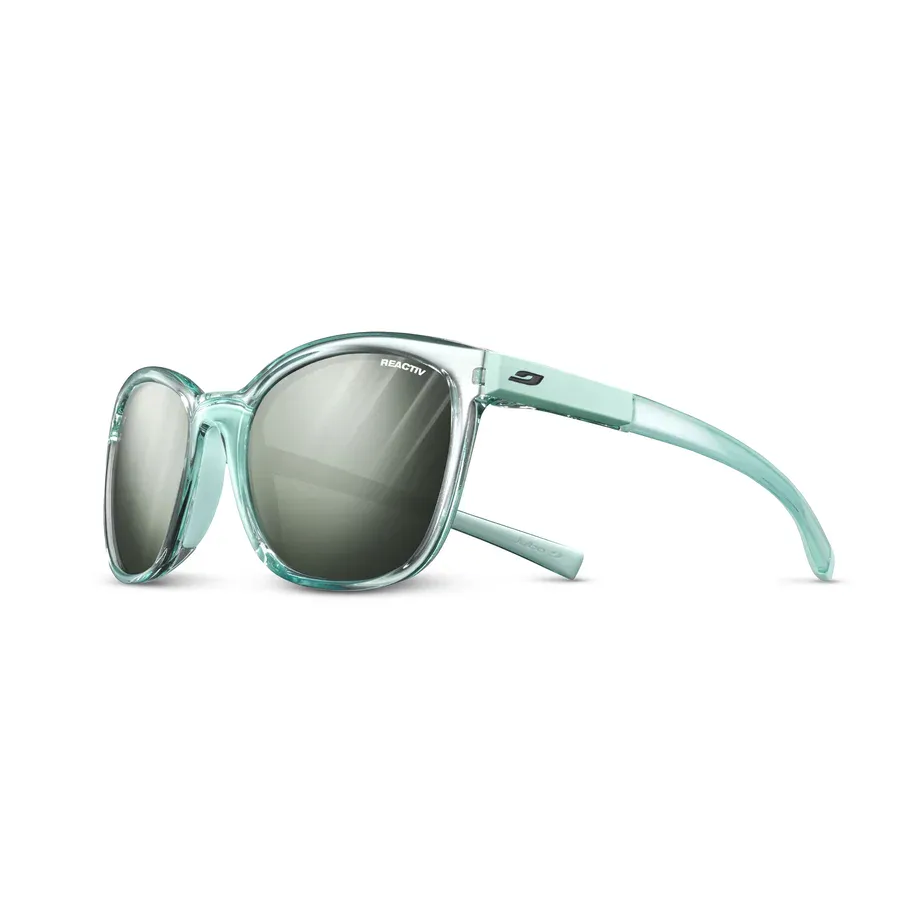
Great for changing light and medium or narrower faces.
Read review →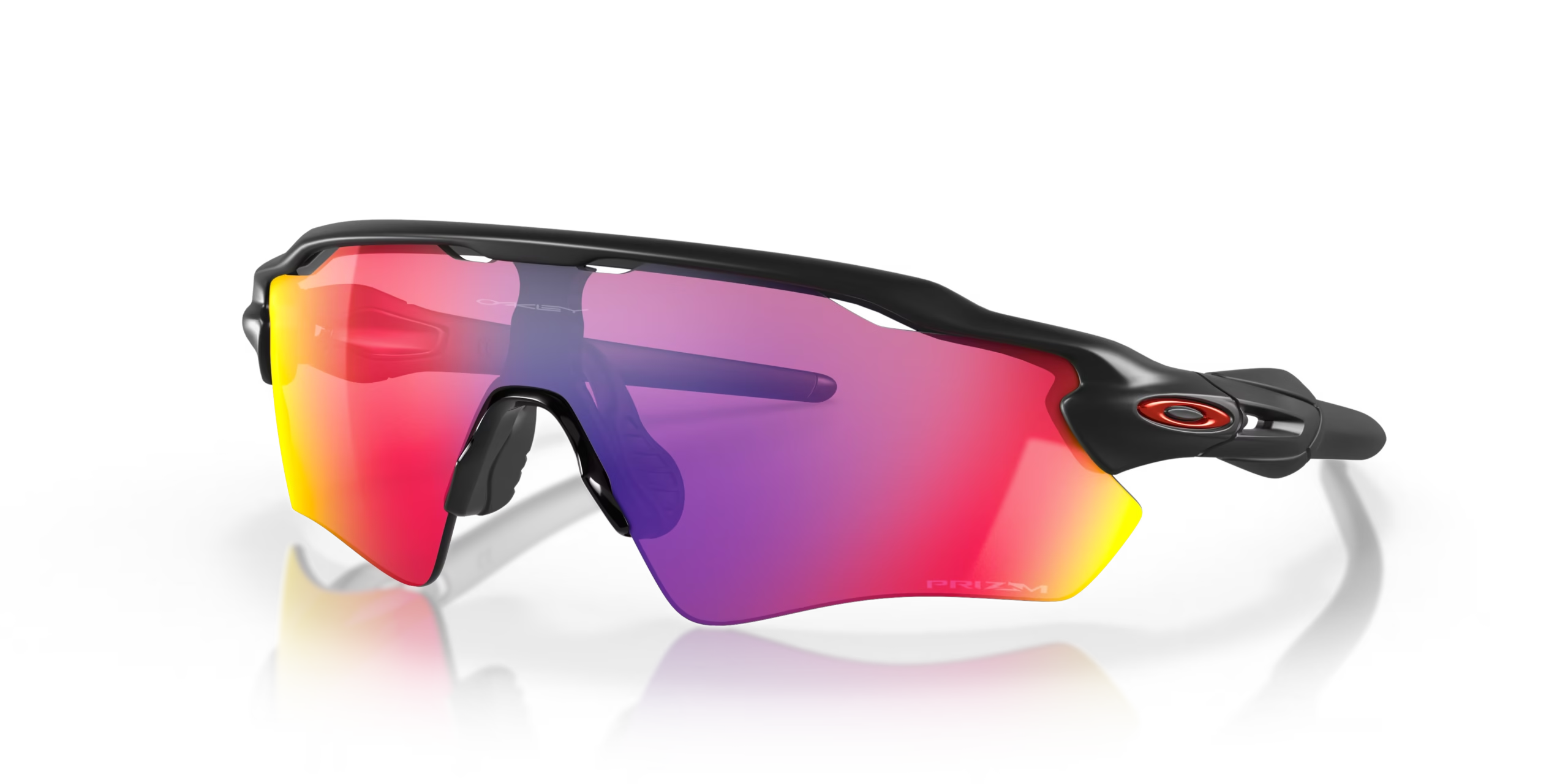
Large frame with excellent bright-road optics.
Read review →
Running-shield coverage without the premium price.
Read review →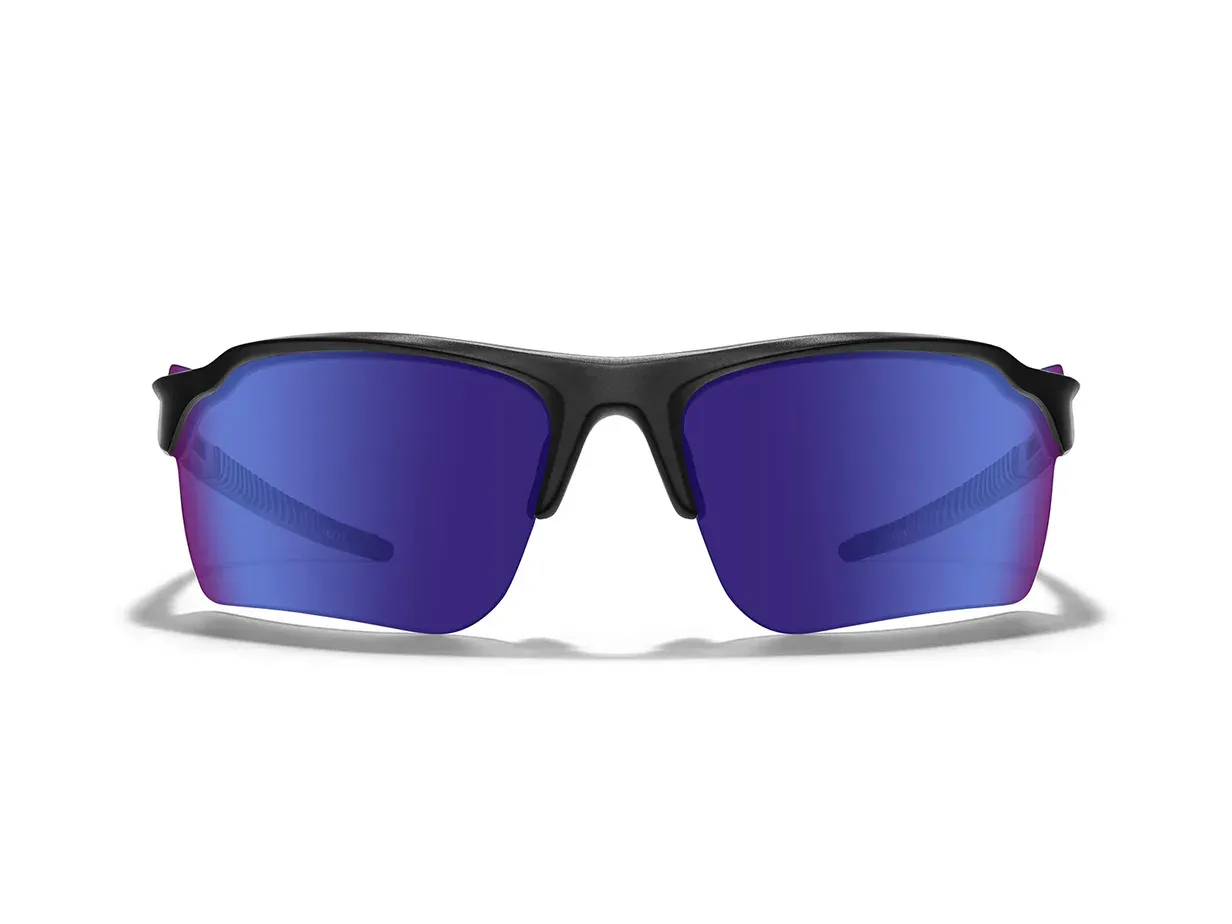
Running Sunglasses Comparison
| Sunglasses | Best For | Fit | Lens Strength | Price Level |
|---|---|---|---|---|
| Smith Defy | Best overall | Medium to large | ChromaPop + interchangeable lens | Premium |
| Julbo Spark REACTIV | Changing light | Medium, 130 mm frame | REACTIV photochromic | Premium |
| Oakley Radar EV Path | Bright road/race use | XL, 138 mm | Prizm options | Premium |
| Tifosi Vogel SL | Best value performance | Sport shield | Multiple sun and clear lenses | Budget |
| ROKA TL-1 | Secure adjustable fit | Customizable nose/temples | C3 lens options | Premium |
| KOO Supernova | Ultralight coverage | Large shield, one size | ZEISS toric lens | Premium |
| goodr OG | Budget everyday running | Multiple size options now available | Polarized UV400 | Budget |
| Tifosi Sanctum | Budget full coverage | Standard + XL options | Multiple tints + polarized options | Budget |
Choose the Lens Before You Obsess Over the Frame
Even a great fit can be frustrating if the lens is wrong for your usual light.
A darker road lens or polarized option works well when glare is the main problem. Oakley Radar EV Path, goodr OG and many Tifosi colourways work well here.
Photochromic lenses work especially well when your route moves through trees or your runs start before sunrise. Julbo Spark REACTIV is the standout here.
A larger shield blocks more wind and side light. Smith Defy, KOO Supernova, Tifosi Vogel SL and Tifosi Sanctum all give you more coverage than a casual frame.
Polarized or non-polarized?
Polarized lenses are helpful when glare from pavement or water is the main problem. They are not automatically the best choice for every route. On technical trails, contrast and how the lens handles changing light can matter more.
Photochromic lenses are useful, not mandatory
If most of your runs happen in bright daylight, a regular sun lens is usually enough. Photochromic lenses make more sense for early starts, wooded routes and days when the light changes a lot.
The 8 Best Running Sunglasses in 2026
Smith Defy
You want one premium pair for road, trail, racing and lower-light runs.
You have a narrow face or mainly want casual-looking sunglasses.
The Defy works well across a lot of runs. It has a large ChromaPop shield, adjustable nose pads, grippy Megol at the nose and temples, and interchangeable lenses. Some versions also include a clear lens for darker conditions.
The rimless lower edge keeps the view open, which helps when you are watching the ground on trails or late in a race.
The only real caution is size. The Defy suits medium to larger faces. On a narrow face, the shield can feel oversized.
Julbo Spark REACTIV
You run through changing light or want a less oversized performance frame.
You only run in hard midday sun and want maximum shield coverage.
The Spark is especially useful on routes where the light keeps changing. Julbo’s REACTIV 1-3 lens adjusts as conditions change, so an early run can start dim and finish in full sun without needing a second pair.
The more useful detail is the size: a 130 mm frame width, medium fit and 25 gram weight. It is a good option for anyone who finds today’s oversized performance shields too much.
Grip Tech temples and a grippy nose help it stay put, while the shape still looks fairly normal away from the run.
Oakley Radar EV Path
You want premium bright-road optics, big coverage and a proven sport frame.
You have a small face. Oakley now makes the smaller Radar EV S Path for that job.
The Radar EV Path remains a strong road option. Oakley’s Unobtainium nosepads and earsocks grip well as you sweat, and the Prizm lens range gives you several choices for bright conditions.
The important thing here is sizing. The standard Radar EV Path is a large 138 mm frame. Oakley’s Radar EV S Path scales the same idea down to 128 mm for smaller faces.
If the standard Radar fits you, the tall lens gives you a wide view and strong coverage against wind and bright sun.
Tifosi Vogel SL
You want a proper running shield without paying premium-brand money.
You want photochromic lenses or a frame that looks understated off the run.
The Vogel SL gives you a lot for the price. It gives you a proper running shield at a price that is much closer to everyday sunglasses than premium sport eyewear.
You still get broad protection from sun and wind without a heavy frame around your view. Tifosi also offers several lens options, including a clear version.
The compromise is refinement. Smith, Oakley and Julbo offer more advanced lenses and materials, but the Vogel costs much less.
ROKA TL-1
Your biggest sunglasses problem is getting a frame to stay exactly where you put it.
You want the biggest single-lens shield or a cheap second pair.
ROKA gives you more ways to adjust the fit than most sunglasses here. The TL-1 comes with three nose pad sizes and adjustable titanium core wires in the temples, which helps if one-size sport frames rarely feel quite right.
The GEKO pads get tackier when wet, and the current TL-1 weighs 22 grams. That is a good combination for hot, sweaty runs.
It also uses a twin-lens design instead of a huge one-piece shield, which some runners will prefer.
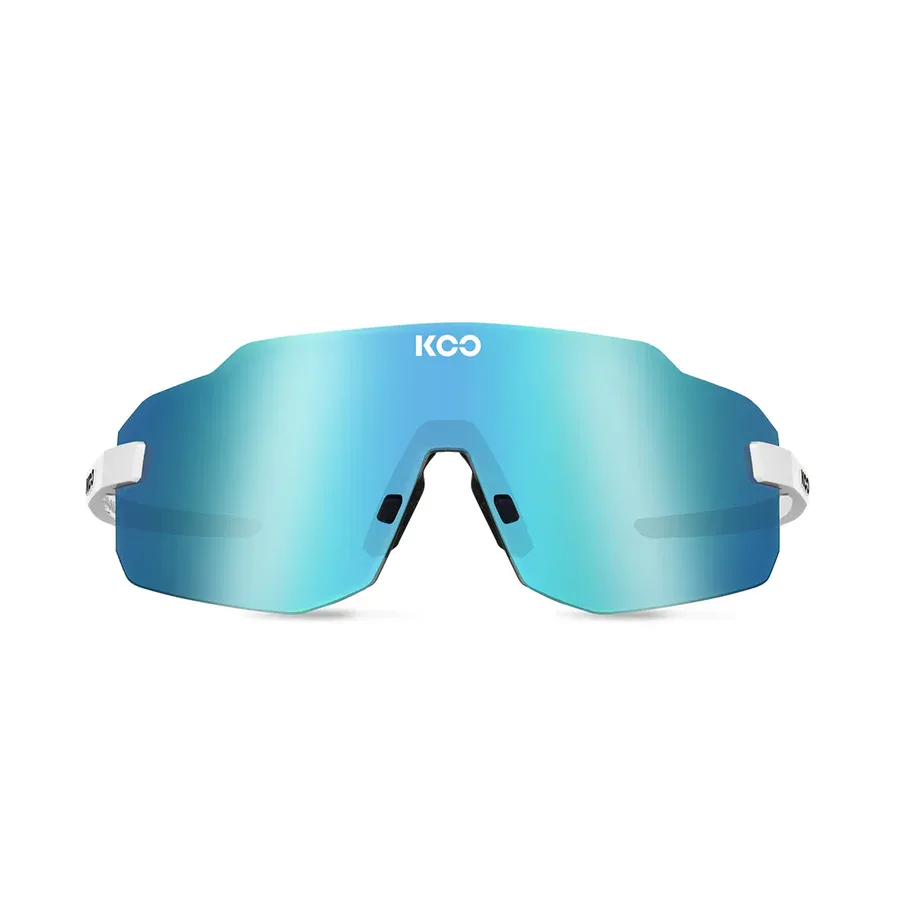
KOO Supernova
You want maximum field of view with almost no frame weight.
You prefer a small, understated frame or need lots of fit adjustment.
The Supernova gives you a huge field of view without much weight. At roughly 21 grams, the frameless design feels surprisingly light for such a large shield.
The ZEISS toric nylon lens gives you broad coverage, while flexible temples help reduce pressure around the head. It works especially well for race day, triathlon and exposed road running.
Fit is the main caution. The Supernova uses a flexible one-size shield, so it can feel excellent on one face and less secure on another.
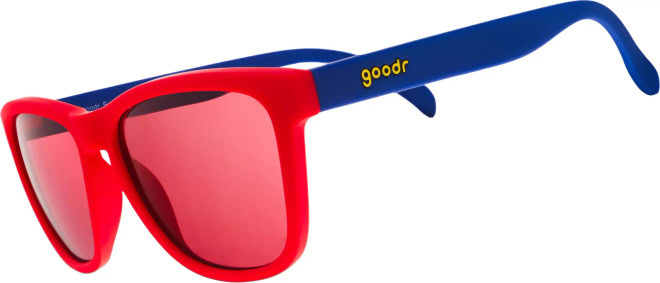
goodr OG
You want inexpensive sunglasses you can run in, travel with and wear after the run.
You want interchangeable lenses, photochromic tech or maximum shield coverage.
Most runners do not need $200 sunglasses for every easy run. The goodr OG gives you polarized UV400 lenses and a lightweight frame designed to stay put.
They also look normal away from the run, which makes them easy to wear to run club, travel with or keep on afterward.
goodr now offers the OG shape in more than one size, which makes it easier to get a better fit than older one-size versions allowed.
Tifosi Sanctum
You like the current oversized shield look but do not want a premium price.
You prefer a subtle frame or want premium interchangeable optics.
The Sanctum gives you a modern shield shape without a premium price. Tifosi offers it for road and trail use with several lens choices.
Tifosi also sells a taller Sanctum XL, so you have more sizing choice if you want extra face coverage.
Choose the Sanctum if the bold shield shape is part of what you want. The Vogel SL is the simpler performance-value option.
How to Tell if Running Sunglasses Fit Properly
A pair can feel fine in the mirror and still move once you start sweating. Check the fit with a little movement before deciding.
- Shake your head gently. The frame should not slide forward or lift away from your nose.
- Check the temples. Secure is good. Pressure behind your ears for an hour is not.
- Look down. If the glasses start creeping toward the end of your nose before you are sweaty, they will be worse on a run.
- Check your eyelashes. A shield that touches your lashes will get annoying fast.
- Wear your hat or headphones. Make sure the arms do not fight with the rest of your normal running setup.
- Look for airflow. A huge close-fitting lens can fog if there is not enough space for air to move.
Finish the Rest of Your Running Setup
These guides cover the other gear that tends to matter on bright days and longer trail runs.
Running Sunglasses FAQ
Are polarized sunglasses good for running?
What lens colour is best for running?
Are photochromic sunglasses worth it for runners?
Why do my sunglasses bounce when I run?
Are expensive running sunglasses worth it?
Are running sunglasses different for men and women?
What running sunglasses are best for a smaller face?
The Short Version
Start with the Smith Defy if you want one premium pair and have a medium to larger face. It gives you secure grip, broad coverage and flexible lens options.
Choose the Julbo Spark REACTIV for changing light or a more moderate fit. Choose the ROKA TL-1 if getting a truly secure fit is your biggest problem.
If you want to spend less, the Tifosi Vogel SL gives you the best performance value. The goodr OG is the simpler everyday option.
Check Smith Defy Price