Best Stability Running Shoes 2026: 7 Supportive Picks
Short answer: the Brooks Adrenaline GTS 25 is the best all-round stability shoe in this guide. Choose the ASICS Gel-Kayano 33 for a plusher long-run ride, the New Balance 860v15 when width choices matter most, or the ASICS GT-2000 15 if you want less weight underfoot.
A stability shoe should feel steady, not corrective. Current models often use wider platforms, sidewalls, rails and shaped foam instead of the hard medial posts found in older support shoes. If neutral shoes already feel comfortable and controlled, you do not need to switch categories just because stability sounds safer.
Runner-reviewed and carefully researched. Current model details were checked against official brand pages on October 3, 2026.
Affiliate disclosure: Running Gear Lab may earn a commission from links on this page, at no extra cost to you. Affiliate relationships do not determine the rankings.
Best Overall Stability Shoe
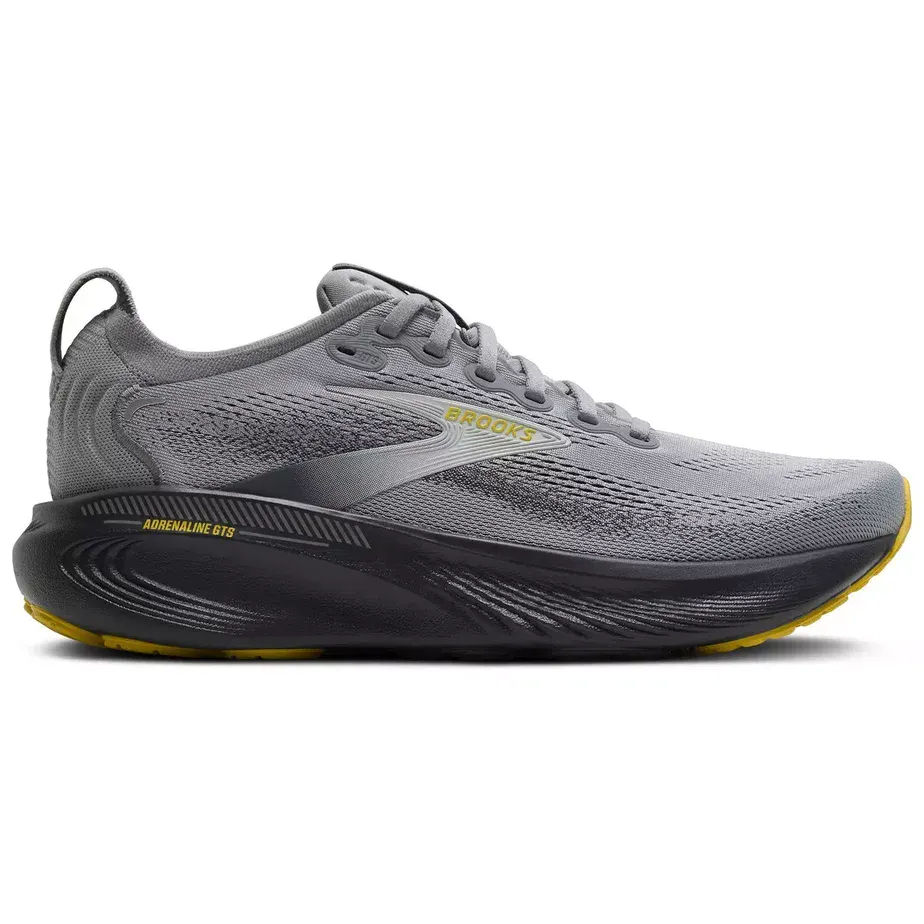
Brooks Adrenaline GTS 25
Start here when you want support without turning every run into a lesson in shoe technology. GuideRails add structure around a balanced daily-training platform, and the Canadian men’s range runs from narrow through extra wide.
GuideRails
10 mm drop
300.5 g / 10.6 oz
Multiple widths
Stability, flat feet and overpronation are not the same search. This guide compares stability shoes as a category. Use the flat-feet guide for low-arch fit help, the overpronation guide for more gait-focused advice, or the arch-support guide if pressure and in-shoe support are your main concern.
Quick Match
Pick by ride and support feel
These seven shoes cover distinct needs. Tap anywhere on a card to open the full review.
Not sure you need a stability shoe?
The Running Shoe Finder compares support, cushioning, width, terrain and training needs without trying to diagnose your gait from one clue.
Top Picks
The 7 Best Stability Running Shoes in 2026
#1
Best Overall · Daily Support
Brooks Adrenaline GTS 25
Best for: Everyday road running
Support: GuideRails
Drop: 10 mm
Weight: 300.5 g / 10.6 oz men’s
Cushion: Balanced
Widths: Narrow to extra wide
Good choice if: you want moderate guidance in a familiar daily trainer.
The Adrenaline is the easiest stability shoe to recommend as a starting point because it does not feel built around one aggressive support feature. Brooks places GuideRails around the heel and pairs them with balanced DNA LOFT v3 cushioning.
At 300.5 g with a 10 mm drop, it is not the light choice here. It is the dependable one for easy miles, walking and longer training. The Canadian men’s range also covers narrow, medium, wide and extra-wide fits.
Buy it if: you want balanced cushioning, structured support and plenty of width choices.
Skip it if: you want a very plush shoe or a light trainer for faster running.
What Works
- Balanced cushioning and support
- Narrow through extra-wide men’s fits
- Clear everyday running and walking role
Watch For
- Heavier than several alternatives
- 10 mm drop is higher than most shoes here
- Not intended as a speed shoe
#2
Best Plush Support · Long Runs
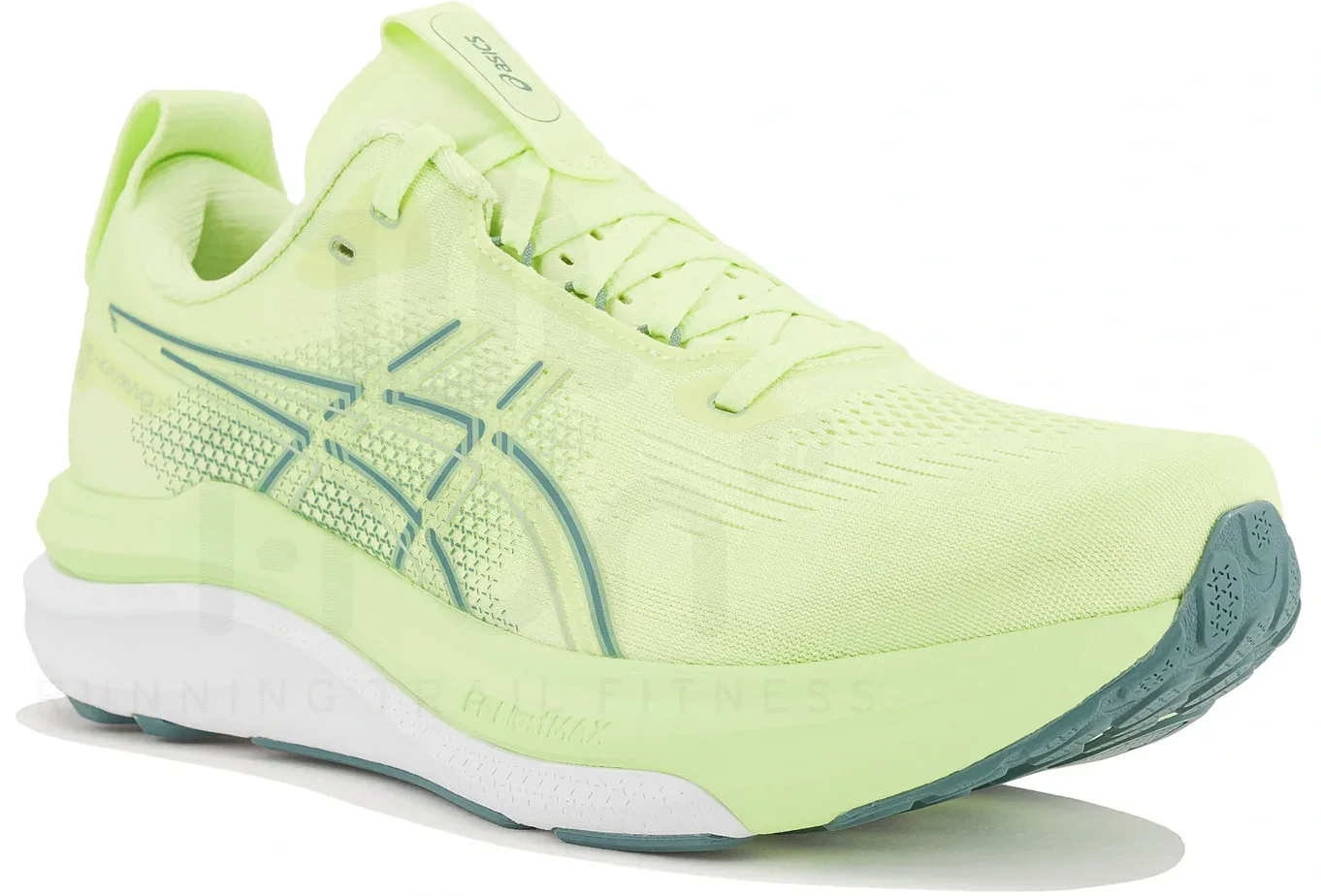
ASICS Gel-Kayano 33
Best for: Easy and long runs
Support: FLUIDSUPPORT
Drop: 8 mm
Weight: 298 g / 10.5 oz men’s
Midsole: FF BLAST PLUS + MAX
Fit: Wide and extra wide available
Good choice if: cushioning and guidance matter more than keeping weight down.
The Kayano 33 feels more built up than the Adrenaline. ASICS combines FF BLAST PLUS and FF BLAST MAX foams with FLUIDSUPPORT geometry, giving the shoe an 8 mm drop and a listed men’s weight of 298 g.
That extra shoe makes the most sense on easy and long runs, especially if you already know a plush guided platform works for you. If it sounds excessive, compare the lighter GT-2000 15. Kayano also appears in our long-distance running shoe guide.
Buy it if: you want plush cushioning and modern guidance in the same shoe.
Skip it if: you prefer a lighter or less substantial daily trainer.
What Works
- FLUIDSUPPORT guidance
- Plush long-run cushioning
- Wide and extra-wide versions
Watch For
- Heavier than the GT-2000 15
- More shoe than some runners want
- Premium price
#3
Best Smooth HOKA · H-Frame
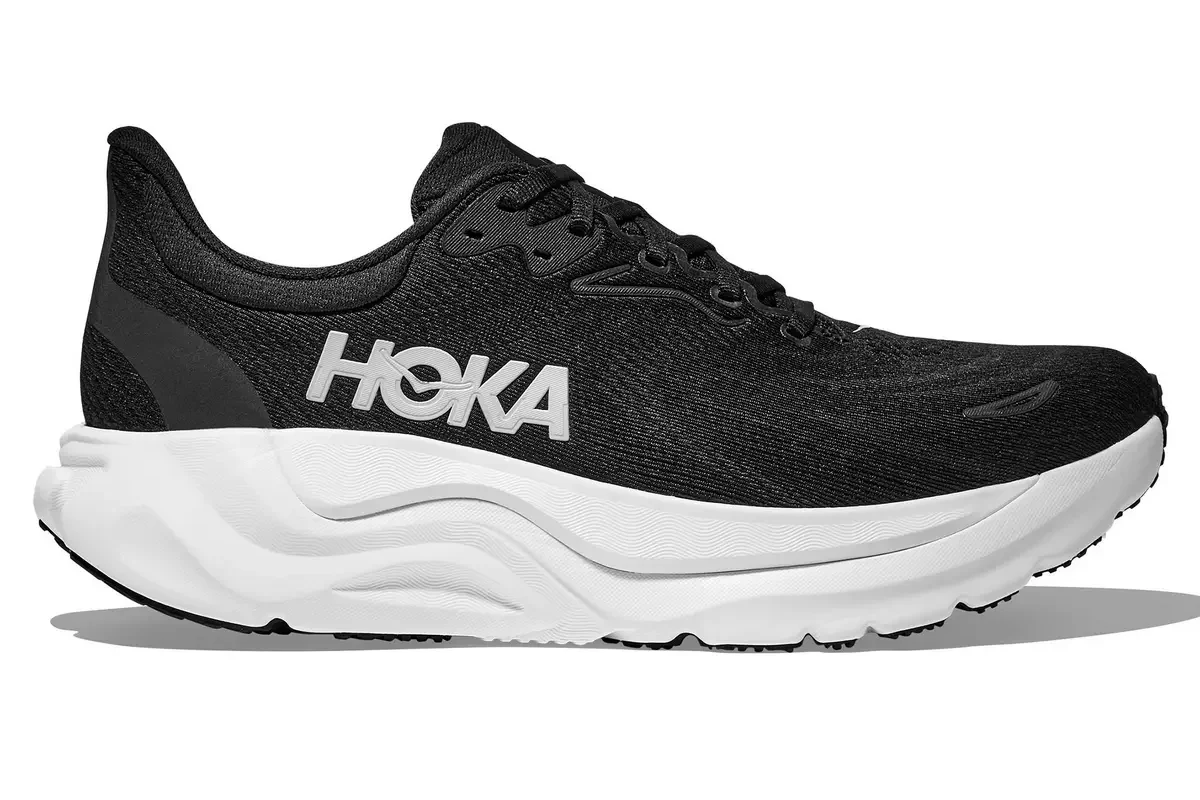
HOKA Arahi 8
Best for: Daily running
Support: H-Frame
Drop: 8 mm
Weight: 276 g men’s
Feel: Balanced
Alternative: Gaviota for more cushion
Good choice if: you want HOKA stability without moving into a heavier max-cushion shoe.
The Arahi 8 feels different from the traditional stability trainers above. Its H-Frame and rocker shape create a smoother rolling transition, while the listed 276 g weight and 8 mm drop keep it easier to use for normal daily running than the broader Gaviota.
Do not assume the HOKA name means a very soft ride. Arahi is the more moderate, streamlined option. Arahi 9 has started appearing in some markets, while the picture and Amazon link here are for Arahi 8, so check the model number before ordering.
Buy it if: you want a balanced HOKA support shoe for regular daily running.
Skip it if: you want the plushest HOKA ride or would rather buy the newest Arahi version.
What Works
- Lighter than the Gaviota 6
- H-Frame support
- Balanced everyday role
Watch For
- Less plush than Gaviota or Kayano
- Broad platform may not suit narrow feet
- Arahi 9 is beginning to replace it
#4
Best Natural Feel · 6 mm Drop
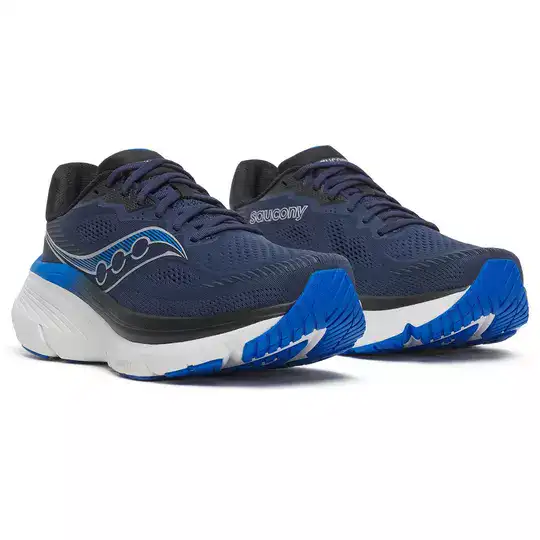
Saucony Guide 19
Best for: Everyday training
Support: Broad geometry
Drop: 6 mm
Weight: 275 g / 9.7 oz men’s
Midsole: PWRRUN
Fit: Wide and extra wide available
Good choice if: you want support to come from the shape of the shoe instead of a noticeable corrective piece.
The Guide 19 is for runners who dislike feeling a support device under the foot. CenterPath uses a broad base and raised sidewalls to guide the ride, while PWRRUN foam and a 6 mm drop give it a less traditional feel than Adrenaline or 860.
It is still a substantial daily trainer, not a stripped-down speed shoe. The useful part is the fit range: men’s listings include standard, wide and extra wide, so a cramped midfoot does not have to be solved by buying a shoe that is too long.
Buy it if: you want a broad, cushioned support shoe with a lower drop.
Skip it if: you want maximum softness or a quicker shoe for workouts.
What Works
- Broad supportive geometry
- Standard, wide and extra-wide fits
- Lower 6 mm drop
Watch For
- Not built for faster sessions
- Less plush than Kayano or Gaviota
- Lower drop may feel different at first
#5
Most Planted · Broad + Plush
HOKA Gaviota 6
Best for: Easy runs and walking
Support: Enhanced H-Frame
Drop: 6 mm
Weight: 290 g men’s
Cushion: Plush
Alternative: Arahi for less bulk
Good choice if: you want cushioning, width underfoot and a planted ride.
Gaviota 6 is the broadest, plushest HOKA in this group. Its enhanced H-Frame sits within a wide platform with a 6 mm drop, making the shoe better suited to relaxed mileage and walking than quick sessions.
At 290 g in the listed men’s sample, it is not dramatically heavy for this category, but the wide footprint can still feel like a lot of shoe. Choose it because you like that planted shape, not because the most structure must be the best choice.
Buy it if: you want a plush HOKA with a broad, steady platform.
Skip it if: you want a nimble trainer or do not enjoy wide, tall shoes.
What Works
- Broad, stable base
- Plush cushioning
- Useful for running and walking
Watch For
- Wide platform can feel bulky
- Not designed for speed work
- Less versatile than a lighter trainer
#6
Best Width Range · Fresh Foam X
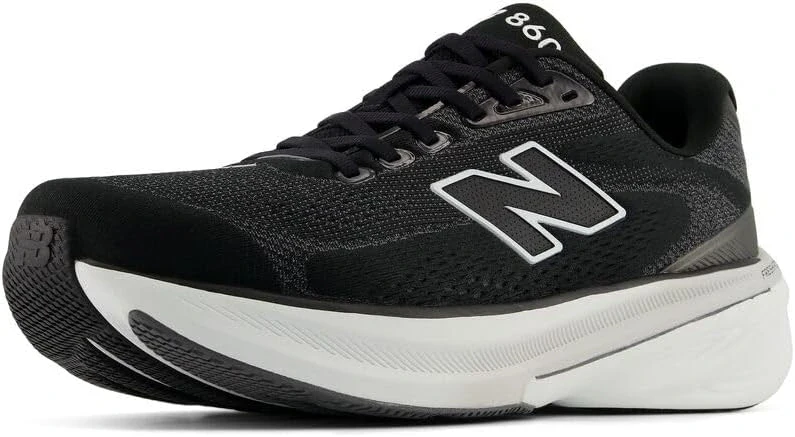
New Balance Fresh Foam X 860v15
Best for: Daily mileage
Support: Stability Plane
Weight: 331 g / 11.7 oz men’s
Midsole: Fresh Foam X
Widths: Standard, wide and extra wide
Profile: Rockered
Good choice if: width flexibility and dependable daily support are your priorities.
The 860v15 pairs Fresh Foam X cushioning with New Balance’s Stability Plane and a rocker profile. At 331 g in the current Canadian men’s listing, it is the heaviest main pick. That weight buys you a solid platform made for steady mileage, not speed work.
Fit is the stronger reason to shortlist it. The Canadian men’s listing covers standard, wide and extra-wide sizes. See our New Balance running shoe guide if you are comparing the 860 with the neutral 880 or softer 1080.
I have worn the New Balance 860 line alongside the 1080. The 860 feels more structured and controlled for my runs, while the softer 1080 is a shoe I prefer for walking. That is my experience with the shoe families, so your fit may land differently.
Buy it if: you want Fresh Foam cushioning, guidance and several widths.
Skip it if: you want the lightest or least noticeable support shoe.
What Works
- Three men’s width choices in Canada
- Fresh Foam X cushioning
- Stable daily-training platform
Watch For
- Heaviest main pick
- More conventional feel than Arahi
- Not the best option for faster workouts
#7
Lighter Support · More Pace Range
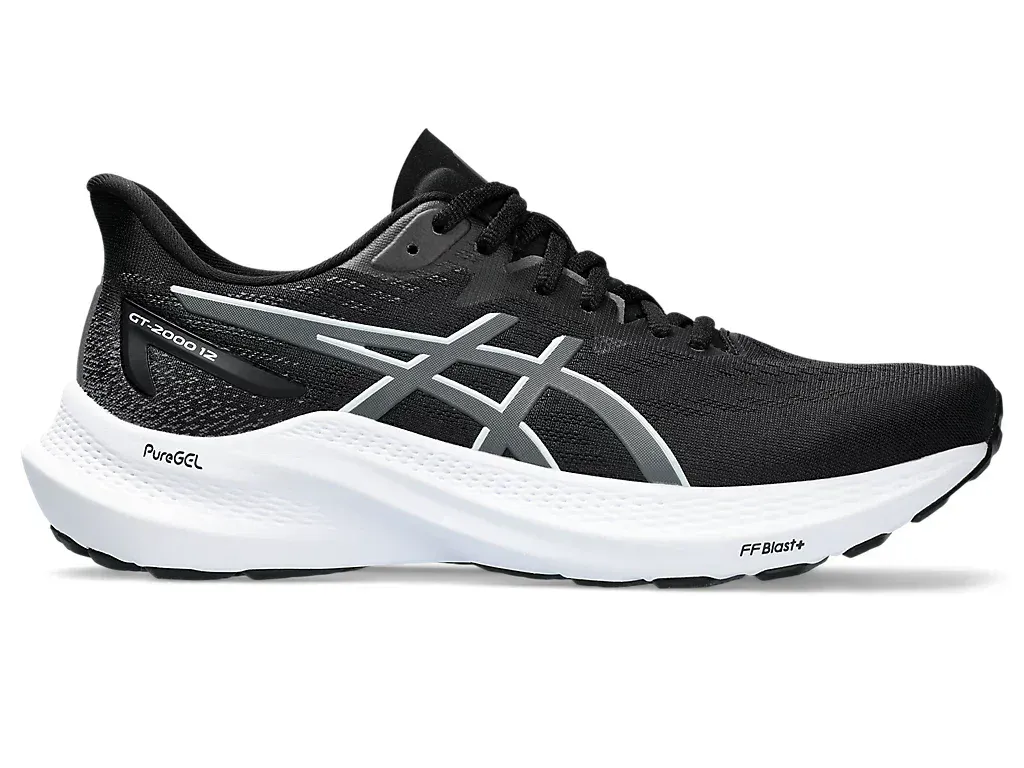
ASICS GT-2000 15
Best for: Daily runs and pace changes
Support: 3D Guidance System
Drop: 8 mm
Weight: 252 g / 8.9 oz men’s
Cushion: High
Width: Standard; wide varies by market
Good choice if: you want ASICS guidance without the weight and plushness of Kayano.
The GT-2000 15 is the lightest main pick at 252 g in the listed men’s sample size. It still uses ASICS’ 3D Guidance System, but the 46 g difference from Kayano makes it easier to use when a daily run includes moderate pace changes.
It does not give you Kayano’s plush, planted feel. That is the point. Choose GT-2000 when guidance matters but you do not want the support shoe to feel like the biggest shoe in your rotation.
Buy it if: you want lower weight and more pace range from an ASICS support shoe.
Skip it if: maximum cushioning and a broad, planted platform matter more.
What Works
- Lightest main pick
- 3D Guidance System
- More versatile than Kayano for pace changes
Watch For
- Less plush than Kayano
- Less planted than Gaviota
- Availability can vary by country
At a Glance
Compare the 7 Main Picks
Swipe sideways to compare all columns →
| Shoe | Best For | Support Approach | Key Spec | Buy |
|---|---|---|---|---|
| Brooks Adrenaline GTS 25 Best Overall | Everyday road running | GuideRails | 300.5 g / 10 mm | Amazon |
| ASICS Gel-Kayano 33 | Easy and long runs | FLUIDSUPPORT | 298 g / 8 mm | Amazon |
| HOKA Arahi 8 | Balanced daily trainer | H-Frame | 276 g / 8 mm | Amazon |
| Saucony Guide 19 | Broad daily support | Platform geometry | 275 g / 6 mm | Amazon |
| HOKA Gaviota 6 | Easy runs and walking | Enhanced H-Frame | 290 g / 6 mm | Amazon |
| New Balance 860v15 | Width options | Stability Plane | 331 g; drop not listed | Amazon |
| ASICS GT-2000 15 | Lighter support | 3D Guidance System | 252 g / 8 mm | Amazon |
Weights are the men’s sample weights listed by each brand. Weight, fit and available widths can change by size, sex and country.
How we chose these shoes
This guide is written by Kelly, a runner, active mom and editor of Running Gear Lab. She owns shoes from both the New Balance 860 and 1080 lines. The 860 feels more structured for her runs, while she prefers the softer 1080 for walking. That first-hand comparison helps with the fit and ride advice here, but we do not claim she has run in every exact current model.
We checked current manufacturer specifications, support systems, listed weights, drops, width choices and intended use on October 3, 2026. Rankings are based on how clearly each shoe serves a different runner, not which brand pays the highest commission.
We do not describe stability shoes as an injury guarantee or assign them from arch height alone. A Cochrane review found no clear overall injury reduction from one running-shoe type and little or no benefit from prescribing shoes by static foot posture. Read the research summary or learn more on our About Us page.
Still Worth Comparing
3 More Stability Shoes to Consider
These are current options, but they overlap with the seven main picks enough that they do not need another full review.
Brooks Glycerin GTS 23
Choose it over Adrenaline when you want more cushioning but prefer the same GuideRails support approach.
On Cloudrunner 3
Choose it for run-walk use when a broad base and relaxed everyday ride sound more useful than speed.
Mizuno Wave Inspire 22
Choose it for a more traditional feel when very soft stability shoes feel vague and you prefer a supportive Wave plate.
Fit First
How to Choose a Stability Running Shoe
Start with what has worked before
If a neutral shoe already feels comfortable and controlled, stay with it. If guided shoes have felt better late in runs, compare stability models with a similar drop and cushioning level.
Choose the support feel
Guide and GT-2000 feel less substantial. Kayano, Gaviota and 860 feel more planted. Adrenaline sits between those groups and is the easiest starting point.
Fix width before adding control
A shoe that pinches the forefoot or presses across the midfoot is the wrong fit. Try the correct width before moving into a firmer model. The flat-feet guide also includes fit-focused choices.
Match the shoe to the run
Plush stability shoes suit easy and long runs. Lighter options make more sense when one shoe must also handle moderate pace changes. Compare the long-distance shoe guide if distance is the main goal.
Pain changes the decision. Do not keep buying firmer shoes and hope a sharp or recurring problem disappears. Pain that changes your stride, keeps returning or gets worse should be assessed by a qualified health professional.
Common Questions
Stability Running Shoe FAQ
What is the best stability running shoe in 2026?
The Brooks Adrenaline GTS 25 is the best overall starting point in this guide. It combines a familiar daily-trainer ride, GuideRails support and several width choices without using a hard medial post.
Do I really need stability running shoes?
Try a stability shoe if a guided, planted ride has felt better in the past or a qualified professional has suggested one. You do not need to switch if neutral shoes already feel comfortable and controlled.
Are stability shoes only for overpronation?
No. Some runners choose stability shoes because they prefer a broader, steadier platform. Pronation is normal, and looking at arch height or outsole wear alone does not diagnose the shoe category you need.
Can I run a marathon in stability shoes?
Yes. A stability shoe can work for marathon training and race day if it remains comfortable on long runs. Test the exact shoe during several longer sessions before using it for a race.
Will stability shoes prevent running injuries?
No shoe can guarantee injury prevention. Stability shoes may suit some runners, but injury risk also depends on training load, previous injury, recovery and other factors.
What is the difference between stability and motion-control shoes?
Modern stability shoes usually guide the ride with wider platforms, sidewalls, rails or shaped foam. Motion-control shoes are generally more structured and restrictive.
More Shoe Help