
Find your shoe · Practical running guides
Find Your Running Shoe Guides & Reviews
Start with the free Shoe Finder Quiz, or browse guides by support, foot shape, terrain, distance, budget, brand, and age. You can get a quick answer first, then open the full guide when you want more detail.
Running Shoe Finder · 8 questions
- Where do you usually run?
- How much support feels right?
- What fit problems do you notice?
- What does this shoe need to do?
About 75 seconds · No email needed
Browse shoe guides by category

Prefer one broad shortlist?
Start with the best running shoes guide
This is the quickest place to compare everyday trainers, cushioned shoes, stability options, trail shoes, and race day picks in one guide.
Support, cushioning and foot shape
Start here when fit or support is the main concern. You do not need to diagnose your gait first. Compare the categories that sound closest, then choose the shoe that feels secure and comfortable.

Guided ride
Best Stability Running Shoes
Compare supportive daily trainers for runners who prefer a steadier, more guided feel.
Low arches
Running Shoes for Flat Feet
A practical look at stable platforms, comfortable support, and fit for low arches.
Extra guidance
Running Shoes for Overpronation
Compare shoes built to feel more stable through the heel and midfoot.
Midfoot support
Running Shoes With Arch Support
Shoes with a more secure midfoot and supportive feel across several categories.

Forefoot room
Running Shoes for Bunions
Look for more room through the forefoot and less pressure around the big toe joint.
Everyday choice
Best Neutral Running Shoes
Daily trainers for runners who do not want or need added guidance underfoot.

More protection
Best Cushioned Running Shoes
Higher cushion options for easy runs, long runs, and runners who like a softer ride.

High arches
Running Shoes for High Arches
Cushioned choices with fit notes for runners who need enough room over the midfoot.

Supination
Running Shoes for Underpronation
Cushioned options for runners who tend to load the outside edge of the foot.
Terrain, distance and race day
Choose by where you run and what the shoe needs to do. Trail grip, marathon comfort, and track speed are different jobs.
Off road
Best Trail Running Shoes
Grip, protection, and fit for dirt, gravel, mud, roots, and rocky trails.
Women
Trail Running Shoes for Women
Women’s trail options for mixed ground, wet weather, and technical routes.

26.2 miles
Best Marathon Shoes
Race day shoes and dependable options for runners who put comfort first.
High mileage
Long Distance Running Shoes
Daily trainers for long runs and the repeated mileage of a training block.
Cross country
Best Cross Country Shoes
Spikes and spikeless race shoes for grass, dirt, mud, and mixed XC courses.

Track
Best Track Spikes
Sprint, middle distance, and distance spikes matched to the event.
For parents
Running shoes for kids
Start with the general guide for school, track, and everyday running. Use the more specific guides when width, trails, cross country, or warm winter footwear are the main concern.
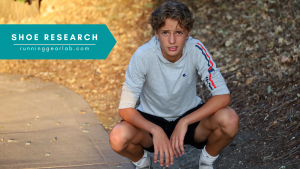
Start here
Best Running Shoes for Kids
Family friendly picks for regular running, school use, and growing feet.
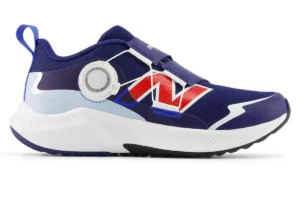
Wide and XW
Kids Running Shoes for Wide Feet
Four models sold in real Wide or XW sizes, with little kid, big kid, and easy-on options.
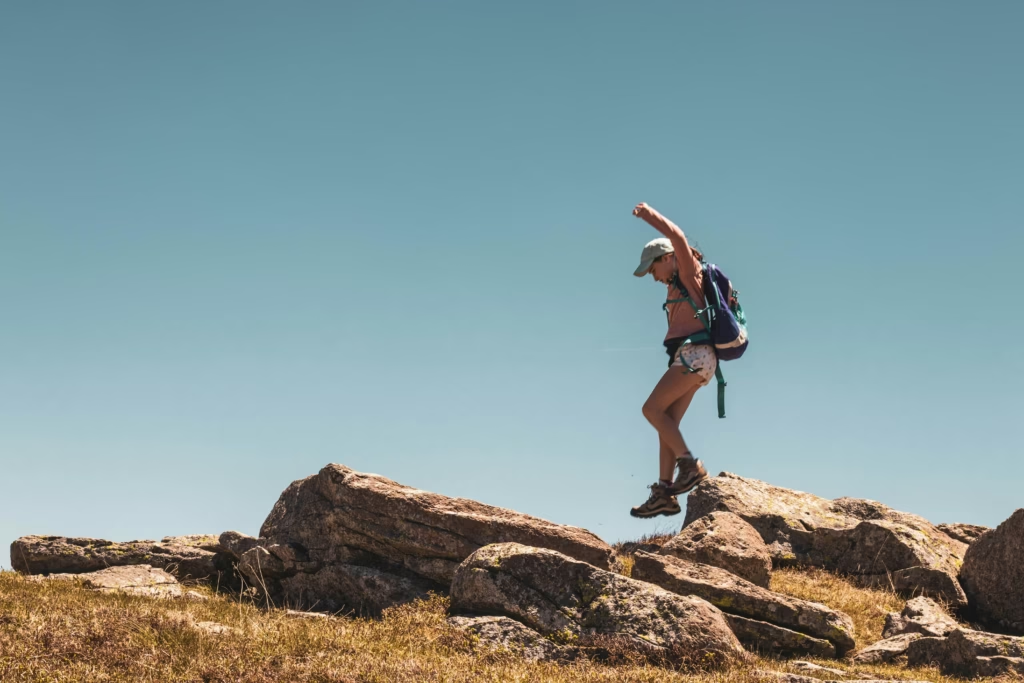
Trails and wet weather
Best Trail Running Shoes for Kids
Waterproof, muddy trail, dry trail, and easy-on picks, including a family-tested Merrell option.
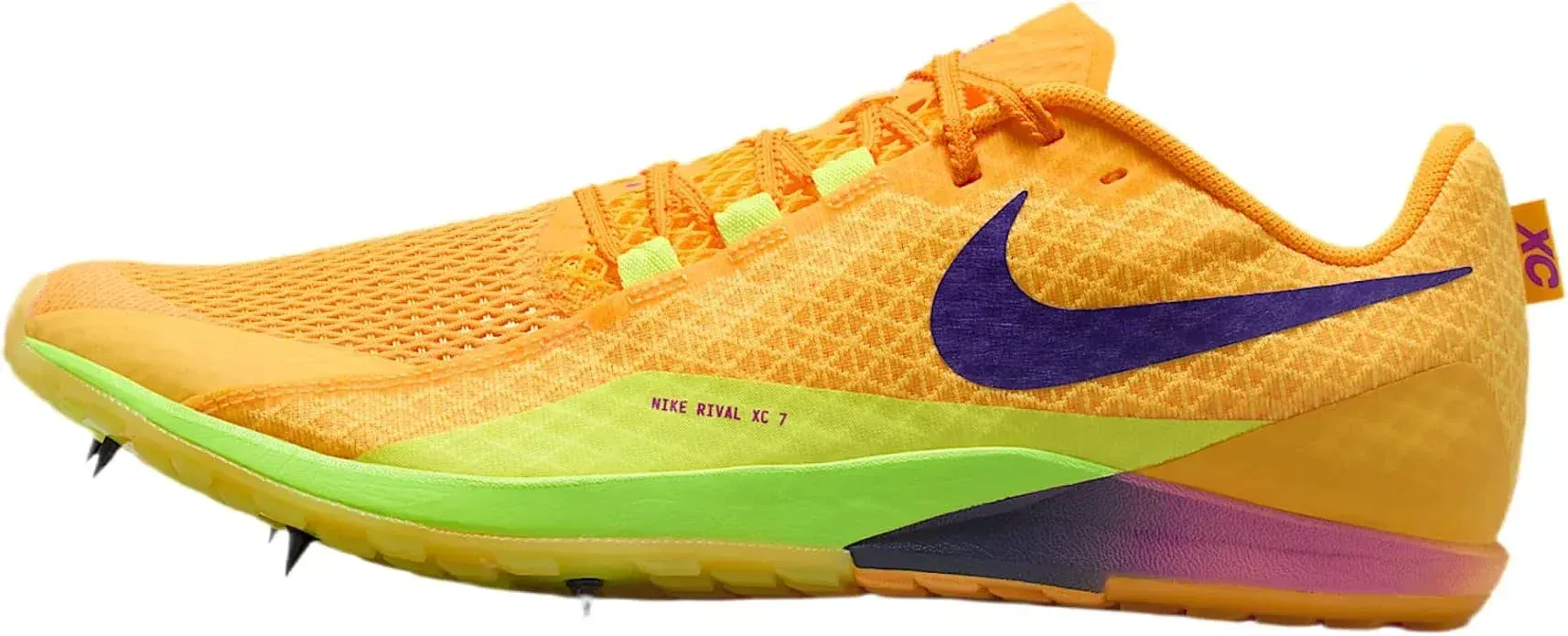
School XC
Cross Country Shoes for Kids
Regular trainers, spikes, and spikeless choices for first seasons and school meets.
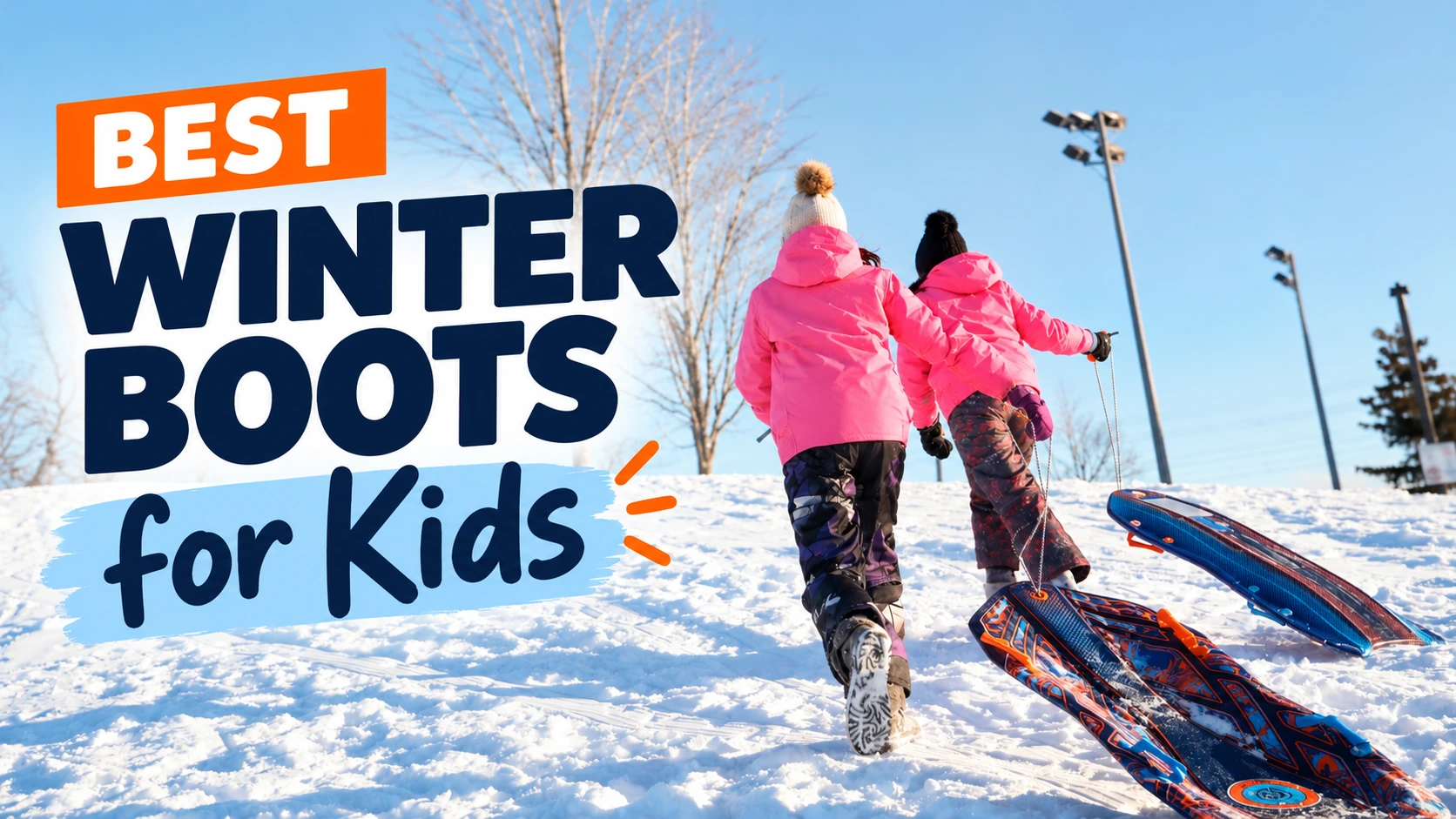
Cold-weather footwear
Best Winter Boots for Kids
Warm, lighter boots for active kids, with first-hand notes on Merrell, Stonz, BOGS, Baffin, Sorel, and Kamik.

Quiz
Kids Running Shoe Finder
Answer six quick questions to find kids’ running shoes by age, width, closure and terrain, including trail, cross-country and barefoot picks.
Brand guides and shoes we have worn
Use the brand guides to understand a full lineup. The individual reviews are narrower and include first-hand wear notes from Justin or Kelly.
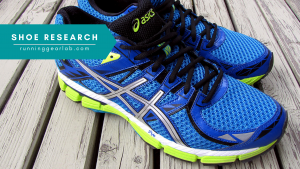
Brand guide
Best ASICS Running Shoes
A guide to ASICS daily trainers, stability shoes, cushioned models, and race options.
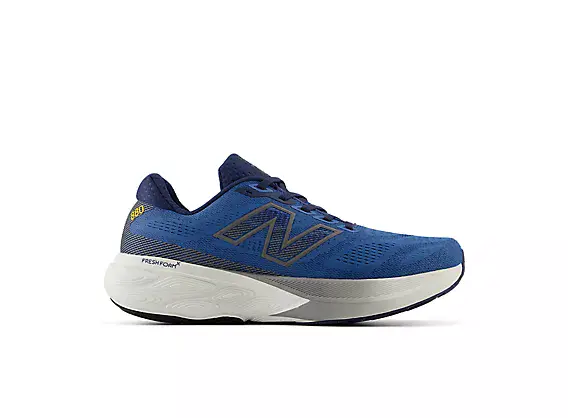
Brand guide
Best New Balance Running Shoes
Compare New Balance daily trainers, stability shoes, faster options, and wide fits.

Justin’s trail review
Brooks Caldera 8 Review
What Justin found after more than 100 miles on Pacific Northwest trails.
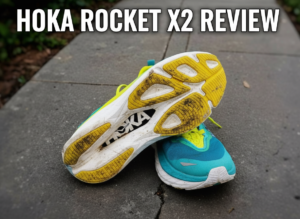
Justin’s road review
HOKA Rocket X 2 Review
Justin’s first move into plated shoes, with the feel, tradeoffs, and price in context.
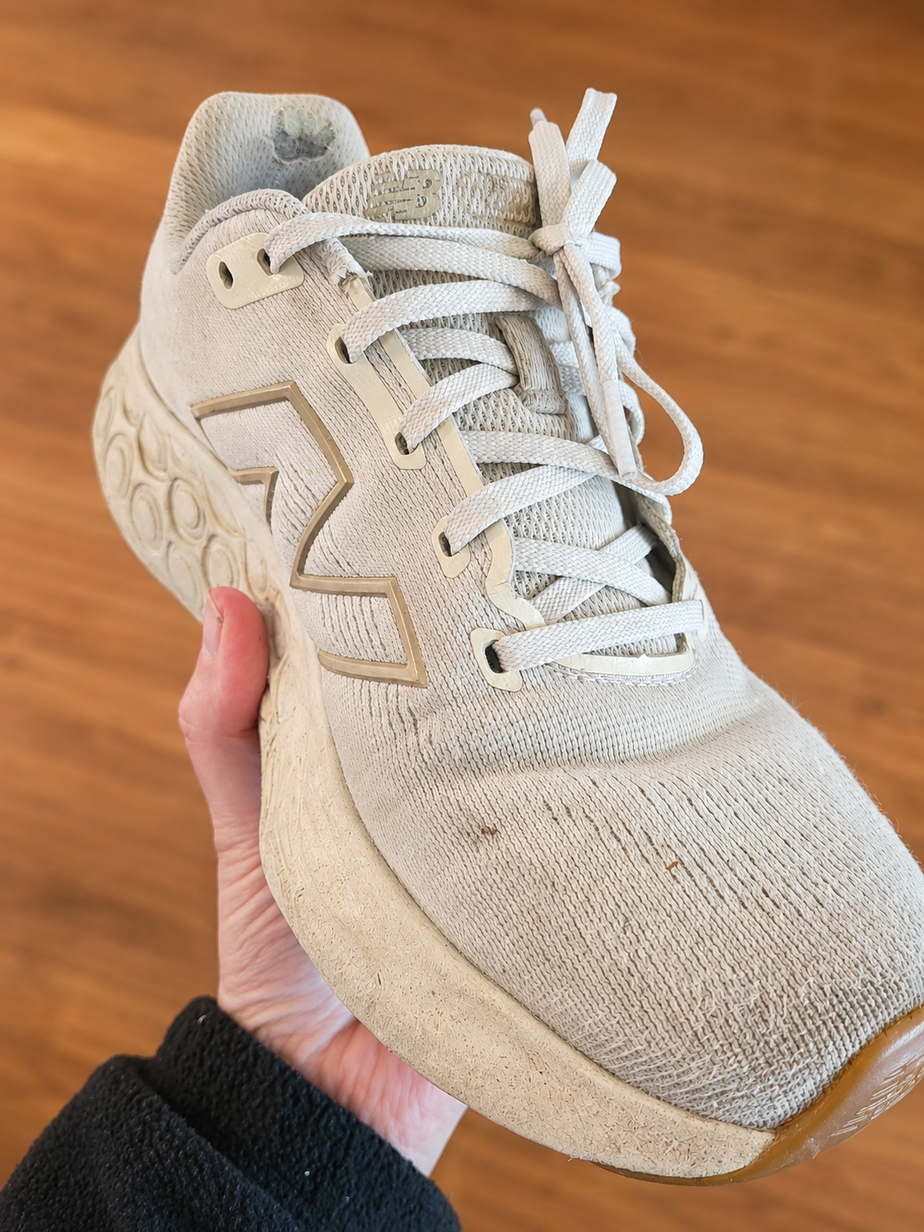
Kelly’s road review
New Balance Fresh Foam 680v9 Review
A straightforward daily trainer that Kelly prefers over the softer 1080.
More ways to narrow the choice
These guides help when price, body size, gender-specific fit, or a lower-profile shoe matters more than terrain.
Women
Best Running Shoes for Women
A broad starting point for everyday training, support, cushion, and race day.

Men
Best Running Shoes for Men
Daily trainers and more specific picks for support, long runs, trails, and racing.
Larger runners
Running Shoes for Heavy Men
Stable, durable choices with enough cushioning for daily miles and longer runs.

Lower price
Best Cheap Running Shoes
Simple, useful running shoes for shoppers trying to stay near the lowest price range.
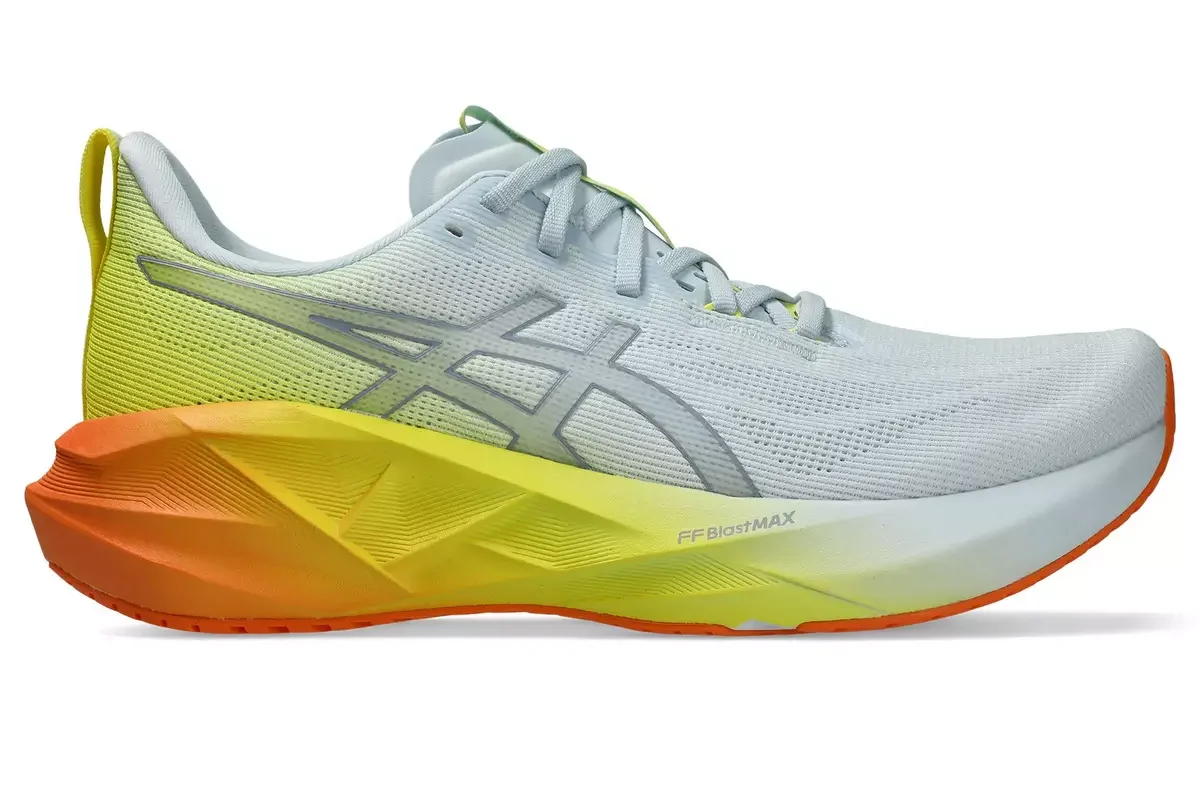
Under $150
Running Shoes Under $150
Good daily trainers without moving into high-priced race shoe territory.

More ground feel
Best Minimalist Running Shoes
Lower-profile, flexible choices for runners who already know they prefer less shoe.
After you choose
Fit, comfort and shoe upkeep
A shoe is only part of the setup. Socks can change rubbing, insoles can change fit, and a mileage log helps you notice when a pair is wearing down.
Comfort
Best Running Socks
Reduce rubbing, hot spots, and blisters before deciding the shoe is the problem.
Fit support
Best Insoles for Running
A next step when the shoe fits but the arch or heel still needs a different feel.
Free tool
Shoe Mileage Tracker
Track kilometres, shoe rotation notes, and when a pair may be ready to replace.
Running shoe questions
Short answers to the questions that usually come up before buying.
Where should I start if I do not know what running shoe I need?
Use the Running Shoe Finder if you want a shortlist based on your surface, mileage, fit needs, and goals. Use the best running shoes guide if you would rather compare the main categories yourself.
How do I choose between neutral and stability shoes?
Start with what has felt comfortable in the past. A neutral shoe usually feels less guided. A stability shoe adds structure or a broader platform. Arch shape alone does not settle the question, so pay attention to comfort, heel security, and whether the shoe feels steady while you run.
How should a running shoe fit?
A useful starting point is about a thumb width of room in front of your longest toe. Your heel should stay secure, and the upper should not pinch the sides or top of your foot. Try shoes later in the day when possible because feet can swell.
How long do running shoes last?
Many pairs last roughly 500 to 800 km, or 300 to 500 miles, but the range is not a deadline. Shoe design, surface, body weight, stride, and how often you rotate pairs all matter. Track mileage and also watch for a flat ride, uneven wear, or new discomfort.
What is the difference between road and trail running shoes?
Road shoes usually have smoother outsoles and are built for pavement or treadmills. Trail shoes add deeper tread, a more secure upper, and often more protection from rocks and roots. For easy gravel, either may work. For mud or technical terrain, trail grip matters more.
Does a child need cross country spikes?
Not always. A younger runner or a child in a first season can often race in a comfortable running shoe. Spikes make more sense on soft grass, dirt, or mud when the school and meet rules allow them. Ask the coach before buying.