Best Running Shoes for Women: Beginner’s Guide 2026
Your First Running Shoe Doesn’t Have to Be a Guessing Game
One of my athletes came to her first coaching session wearing a pair of cross-training shoes she had owned for three years. She wasn’t getting hurt yet, but she was tight in the calves after every run and couldn’t figure out why. We switched her to a proper running shoe and within two weeks the tightness was gone. She went on to run her first 10K four months later.
That story comes up because it’s more common than you’d think. A lot of women who are just starting to run don’t realize how much the wrong shoe costs them, not in money but in sore feet, shin tightness, and workouts they abandon because something feels off. The good news is that picking a good first running shoe is not complicated once you know what to look for and what to ignore.
This guide is specifically for women who are new to running, whether you’re starting a Couch to 5K program, getting back into it after years away, or just lacing up consistently for the first time. Every shoe here is forgiving, beginner-friendly, and built to carry you from your first mile to your first race without needing to be replaced halfway through.

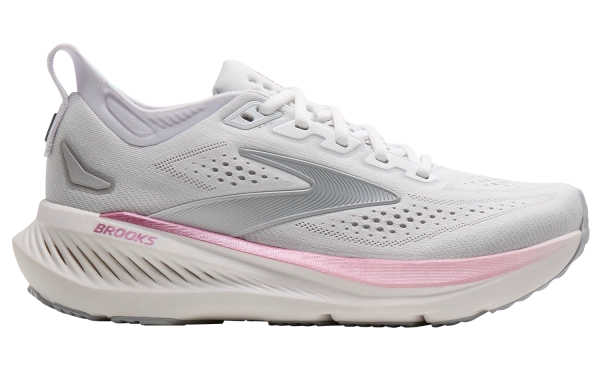
Brooks Ghost 17
If you want one shoe that works for most new women runners without any fuss, this is it. The Ghost 17 is forgiving, comfortable from the first run, fits most foot shapes, and gives you a stable neutral platform to build your mileage on. It has been the bestselling running shoe in the US for years and the version 17 is the best yet.
Jump to:
What to Look For Gait Basics Top 7 Shoes Comparison Table Shoe Finder How to Buy FAQ Quick Answer Last Updated: April 2026Jump to Your Pick
- → Best Overall for Beginners: Brooks Ghost 17
- → Best Cushioning (soft landings): Hoka Clifton 10
- → Best Budget Pick: New Balance Fresh Foam 880 v15
- → Best if You Might Overpronate: Brooks Adrenaline GTS 25
- → Best Versatile Trainer: Saucony Ride 18
- → Best for Wide Feet: ASICS Gel-Cumulus 28
- → Best Lightweight Option: Nike Air Zoom Pegasus 41
What a Beginner Runner Actually Needs in a Shoe
Cushioning That Absorbs the Learning Curve
When you start running, your joints, tendons, and muscles are absorbing an impact load they haven’t dealt with before. A shoe with decent cushioning gives your body a buffer while it adapts. You don’t need a max-cushion shoe to start but you do need enough foam that easy runs don’t leave your feet feeling beaten up. All seven shoes on this list have that.
A Forgiving Fit That Doesn’t Require Break-In
A beginner shoe should feel comfortable from the very first run. If you’re spending mental energy thinking about your shoes at mile two, something is wrong. Look for an upper that holds the foot without squeezing it, a roomy enough toe box that your toes aren’t jammed, and a heel collar that doesn’t rub your Achilles. Every shoe on this list passes that test.
A Neutral or Mild Stability Construction
Unless a gait analysis at a running store has specifically told you that you overpronate significantly, a neutral shoe is the right starting point. Neutral shoes let your foot move through its natural gait without trying to redirect anything. If you do overpronate, the Brooks Adrenaline GTS 25 on this list offers gentle guidance without being rigid or corrective.
A Drop That Matches How You Land
Heel-to-toe drop is the height difference between the heel and the forefoot. Most beginner runners land on their heel, and a 8 to 10mm drop suits that pattern well. Very low-drop shoes (4mm and under) require calf adaptation that can cause problems for new runners who don’t build up gradually. Every shoe on this list sits at 8mm or 10mm, which is the sweet spot for most new runners.
A Two-Minute Gait Check at Home
Before you spend money on a shoe, do this: find an old pair of trainers or sneakers you have worn regularly and look at the bottom. The wear pattern tells you a lot.
If the inner heel and the edge near your big toe are worn down significantly more than the rest of the sole, you likely overpronate. Your foot rolls inward more than average on each stride, and a shoe with mild stability features will help support that. The Brooks Adrenaline GTS 25 is the right pick for this situation.
If the wear is fairly even or leans slightly toward the outer edge of the heel and little toe side, you’re probably a neutral runner. Any of the neutral shoes on this list will work well.
If you want a more accurate answer, a running specialty store can do a proper gait analysis in about ten minutes, usually for free. It’s worth doing if you’re investing in a decent pair of shoes. You can also use the Shoe Finder on this site to get a personalized recommendation based on your answers.
The 7 Best Running Shoes for Women Beginners in 2026
Brooks Ghost 17

The Brooks Ghost is the shoe I have recommended to more new runners than any other in the last five years, and the version 17 is the best reason yet to keep doing that. Brooks dropped the heel-to-toe offset from 12mm to 10mm for the first time in the series, which makes the shoe roll through a stride more naturally. They also added a few millimeters of foam in the forefoot and redesigned the upper to breathe better and cause less Achilles irritation. The result is the most refined Ghost to date.
What makes it so good for beginners is the combination of things it doesn’t do. It doesn’t require break-in. It doesn’t feel stiff on early runs. It doesn’t punish you for landing on your heel, which is where most new runners land. The DNA Loft v3 foam is soft enough to absorb impact without feeling mushy or unstable. Treeline Review specifically named the Ghost 17 their pick for beginners on a couch-to-5K program, and Fleet Feet called it one of the most beginner-friendly shoes they carry. When that many reviewers who spend their lives testing shoes agree, there’s a reason.
The one honest caveat: at 8.5 ounces for women’s sizing it’s not the lightest shoe here, and reviewers note the DNA Loft foam offers less energy return than newer foam technologies like PEBA or POE. For a beginner who’s building fitness slowly, neither of those things matter much. You’re not running for pace yet. You’re running to finish, to build a habit, and to stay injury-free while your body adapts.
Check Price on AmazonWhat Works
- Comfortable from the first run, no break-in needed
- Available in narrow, standard, wide and extra-wide
- 10mm drop suits most beginner heel strikers
- Brooks offers a 90-day wear-test guarantee
- Durable outsole, typically 400 to 500 miles
- Redesigned heel collar reduces Achilles irritation
Watch Out For
- 8.5 oz is heavier than the Clifton or Pegasus at similar cushioning levels
- Less energetic foam than newer technologies
- Midfoot runs slightly snug — try the wide version if you’re between widths
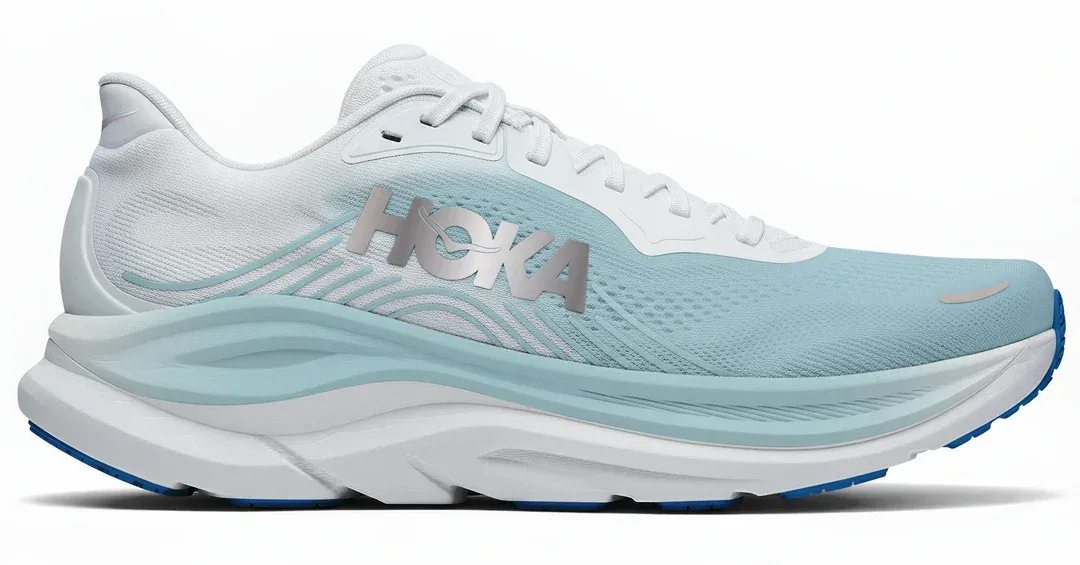
Hoka Clifton 10

When Hoka launched their big chunky-soled shoes about fifteen years ago, experienced runners laughed. Then they tried them and went very quiet. The Clifton has been one of the most popular running shoes in the world for several years now, and the version 10 is the lightest and most refined they have produced.
For new women runners specifically, the Clifton 10 is excellent for two reasons. First, the metarocker geometry built into the curved sole guides your foot through each stride instead of making you figure it out yourself. That means less hip and knee fatigue on early runs when your form is still inconsistent. Second, the roomy toe box means almost no blisters during the first weeks when your feet are adjusting to the repetitive motion of running. Fleet Feet named it one of the best beginner choices specifically for its ideal fit, comfort, and durable outsole.
Hoka changed the drop on the Clifton 10 from 4mm to 8mm, which is a meaningful improvement for beginners. The previous 4mm was tough to adapt to if you came from regular sneakers. The new 8mm version is much more accessible. At 8.0 ounces in women’s sizing, it is the second lightest shoe on this list despite having significantly more foam underfoot than the Ghost 17. That is a genuinely impressive number.
Check Price on AmazonWhat Works
- Lightest shoe on this list at 8.0 oz in women’s sizing
- Metarocker guides each stride naturally — less knee and hip fatigue
- Roomy toe box is excellent for wide feet and blister prevention
- New 8mm drop is more accessible than the old 4mm
- Works for both running and long walks or all-day wear
Watch Out For
- EVA foam wears faster than newer foam technologies
- Minimal ground feel — not for runners who want to feel the road
- Some runners find the rocker takes 2 to 3 runs to feel natural
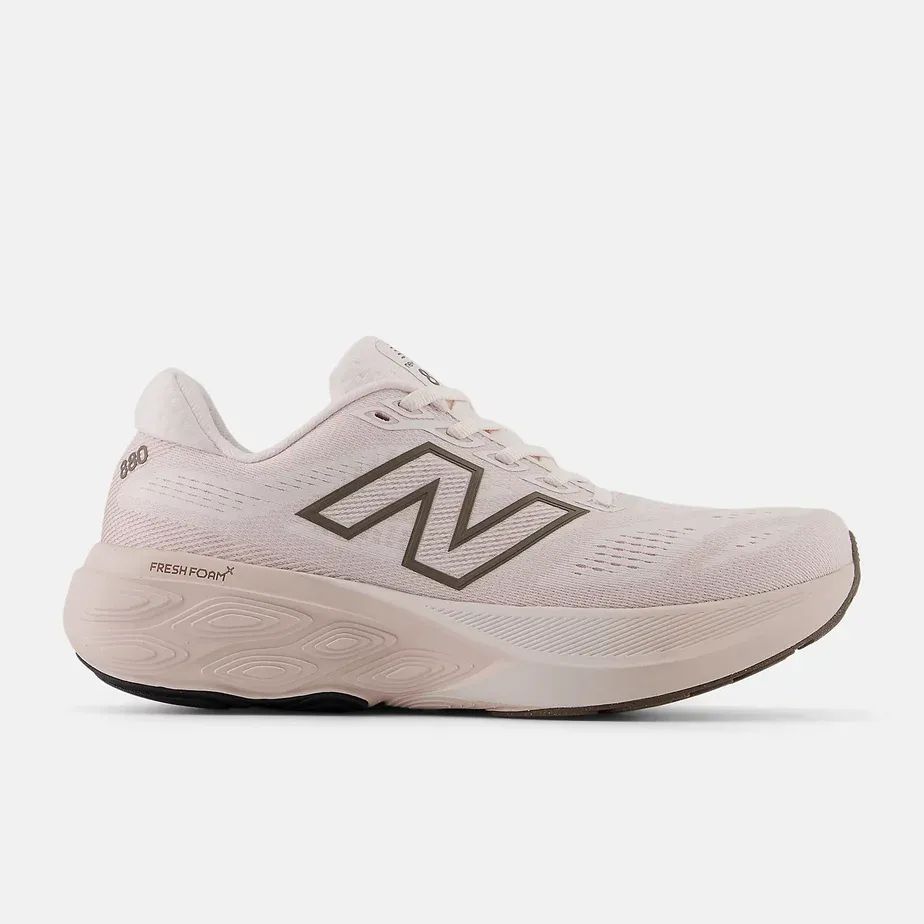
New Balance Fresh Foam 880 v15

Someone once told me the New Balance 880 is the Honda Civic of running shoes. Reliable. Unexciting. Loved by everyone who actually owns one. I have never heard a more accurate description of any shoe, and the version 15 earns that reputation all over again. Fleet Feet named it one of the best running shoes for beginners because of its no-fuss fit and feel and how well it scales as your mileage builds from your first few runs to longer distances.
The Fresh Foam X midsole in the v15 is slightly firmer and more structured than the v14, which gives beginners a more stable platform to run from without the mushiness that some softer shoes can cause when your gait is still inconsistent. The 8mm drop sits right in the middle of the market, which means it works for heel strikers and midfoot strikers alike without feeling either too high or too low. The fit accommodates narrow, standard, and wide feet through its width options.
The main trade-off is that the foam starts firmer than the Ghost or the Clifton and takes about thirty miles to fully break in. Don’t judge it in the first week. The upper materials are also less premium-feeling than more expensive options. But at $130 it is $20 less than the Ghost and $15 less than the Clifton, and for a beginner who isn’t sure how committed to running she’ll be, that difference matters.
Check Price on AmazonWhat Works
- Best value on this list at $130
- 8mm drop works for the widest range of foot-strike patterns
- Available in narrow, standard, wide, and extra-wide
- Reliable and consistent — doesn’t change character significantly between runs
- Good as both a running shoe and an everyday trainer
Watch Out For
- Foam starts firm and needs around 30 miles to break in properly
- Upper materials feel less premium than pricier options
- Not ideal if you want a plush, cushioned feeling straight out of the box
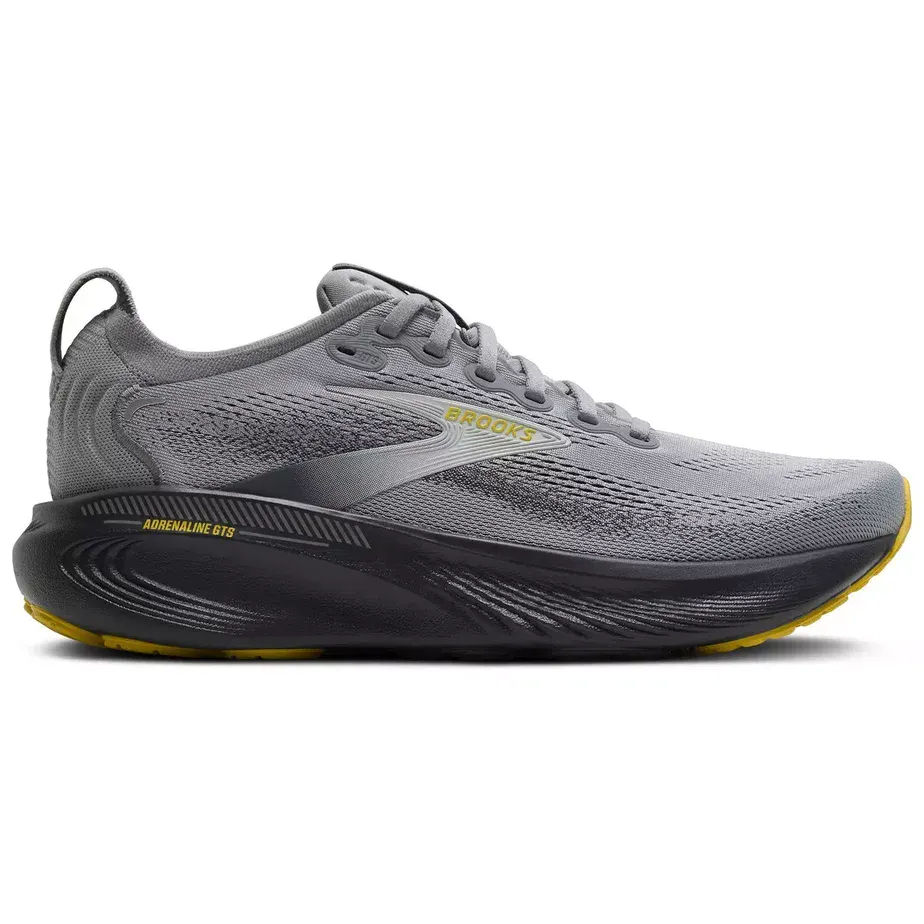
Brooks Adrenaline GTS 25

If your shoe wear pattern shows heavy wear on the inner edge near your big toe and inner heel, or if someone at a running store has told you that you overpronate, this is the shoe for this list. The Adrenaline GTS 25 uses Brooks’ GuideRails technology, which is denser foam on both sides of the heel that gently keeps your foot centered without forcing it into a specific position. It doesn’t feel corrective in the way that motion-control shoes used to feel. It just feels stable.
I coached a runner who had been dealing with recurring knee pain for years. She had been running in neutral shoes on the advice of an online guide. When we got her into a gait analysis, she was a clear overpronator. Two weeks in the Adrenaline and the knee pain she had attributed to weak hips was gone. Overpronation puts rotational stress on the knee. A shoe that addresses that isn’t magic but it does remove a significant irritant from the equation.
The 12mm drop is higher than most shoes on this list. That suits traditional heel strikers well but may feel a little pitched if you’ve been running in lower-drop shoes. The shoe is available in multiple widths and is one of the better fits for runners with wider or more average-volume feet. For a deeper look at shoes for overpronators, the flat feet guide and the stability shoes guide on this site both go into more detail.
Check Price on AmazonWhat Works
- GuideRails offer gentle stability without a rigid corrective feel
- DNA Loft v3 foam is soft and comfortable for easy paces
- Available in multiple widths including 2E and 4E
- Comfortable from the first run, similar to the Ghost in step-in feel
- Proven design — the GTS series has over 25 iterations for good reason
Watch Out For
- 12mm drop is higher than the other shoes here — can feel pitched at first
- Not the right choice if your gait analysis shows neutral or supination
- Slightly heavier than the Ghost due to the GuideRail structure
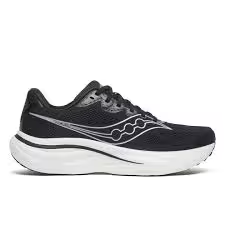
Saucony Ride 18

Saucony doesn’t have the brand recognition of Brooks or Nike for new runners, which is genuinely a shame because the Ride series is one of the most consistent value propositions in the running shoe market. The version 18 updated the midsole to a supercritical PWRRUN+ foam that is noticeably more energetic than what older Rides used. OutdoorGearLab named it their pick for beginners looking for a no-fuss, beginner-friendly option with its straightforward simplicity.
What I like about recommending the Ride 18 to beginners is that it grows with you. At the start, you’re using it for easy 2 to 3-mile runs where comfort is all that matters. A few months in when you start doing longer runs or the occasional faster workout, the Ride 18 handles those too without feeling out of its depth. The Ghost 17 is slightly more cushioned on easy days. The Ride 18 is slightly more alive when you start to pick up the pace. If you think you might want to race eventually, this is the better shoe to start in.
At 8.0 ounces in women’s sizing it matches the Clifton 10 as the lightest shoe on this list. The one honest caveat is the upper. It fits medium and narrow feet really well but runs slightly snug for wider feet. If you have a wide forefoot, size up or try the wide version before committing.
Check Price on AmazonWhat Works
- More versatile than any other shoe on this list — grows with you as fitness improves
- PWRRUN+ foam has a lively feel that rewards picking up the pace
- 8mm drop is ideal for most new runners
- Tied for lightest on this list at 8.0 oz
- At $140 it is excellent value for the technology it delivers
Watch Out For
- Slightly narrow upper — wide feet should try before buying
- Less plush than the Clifton or Ghost on pure easy-day runs
- Some runners find the foam firmer than expected on the first few runs
ASICS Gel-Cumulus 28

The ASICS Gel-Cumulus sits between the Ghost and the Nimbus in what it does, and that’s almost exactly what it feels like underfoot. ASICS designed the upper on the version 28 from data collected across hundreds of runners, and the result is one of the most accommodating fits on the market for a wide range of foot shapes. Marathon Sports reviewers specifically noted that the Cumulus 28 is comfortable and forgiving with no big rocker, which means you won’t feel pushed forward artificially when you’re still figuring out your stride.
For women beginners with wider feet or a higher-volume foot, the Cumulus 28 is often a better fit than the Ghost. The Ghost’s midfoot can run slightly snug. The Cumulus tends to be more generous. The FF Blast Plus Eco foam also has a gentle bounce to it that makes early runs feel a bit more effortless than the same foam did in older versions. PureGEL technology in the heel cushions the initial landing specifically for heel strikers, which again describes most new runners.
The trade-off is that the Cumulus is less versatile than the Ride 18 or the Pegasus if you eventually want to use your shoe for faster workouts. It is built for comfort at easy paces and it excels there. Once you’re ready to train at varied paces, you will likely want to add a more responsive shoe to the rotation. For now, this is a very good place to start.
Check Price on AmazonWhat Works
- One of the most accommodating fits for varied foot shapes on this list
- PureGEL in the heel softens landing for heel strikers
- FF Blast Plus Eco foam has a gentle bounce even at easy paces
- Upper fits wide feet better than the Ghost 17
- 10mm drop is comfortable for most new runners from day one
Watch Out For
- Less versatile than the Ride 18 or Pegasus for faster efforts
- Upper can feel thin for runners with narrow feet — midfoot may have too much room
- Not a speed shoe — comfort at easy paces is its strength, not pace flexibility
Nike Air Zoom Pegasus 41

The Pegasus has been around since 1983. There is a reason Nike has kept refining it for over four decades: it works for a genuinely wide range of runners in a way that most shoes simply don’t. The version 41 brought in a new ReactX midsole and embedded Air Zoom pods in the heel and forefoot, giving it more energy return and more pop than any previous Pegasus.
For a beginner, the Pegasus 41 sits at number seven because it’s slightly firmer on easy slow runs compared to the Ghost, Clifton, or Cumulus. If your early runs are truly slow and focused just on finishing, those shoes feel more forgiving. But if you’re a slightly more athletic beginner who wants a shoe she can grow into for years and use across everything from easy runs to eventual race days, the Pegasus 41 is the single most versatile shoe on this list. Fleet Feet specifically praised it as a beginner option because beginners love the versatility and the approachable fit for everyday wear as well as running.
The fit is medium width and true to size. The upper on the 41 is more breathable than previous versions. The 10mm drop suits heel strikers well and feels immediately familiar to anyone who has worn regular athletic shoes.
Check Price on AmazonWhat Works
- Most versatile shoe on this list — grows from beginner miles to race day
- ReactX and Air Zoom give it energy return the Ghost and 880 don’t have
- Looks great for everyday wear — not purely a sports shoe aesthetic
- Durable, typically 400 to 500 miles
- 10mm drop is immediately familiar to most new runners
Watch Out For
- Slightly firmer than the Ghost or Clifton on slow easy runs
- Not the widest toe box — wider feet may find it snug
- Heel strikers benefit more than forefoot strikers from the 10mm drop
Find Your Match in 90 Seconds
Answer 7 questions about your arch, terrain, and goals and the Shoe Finder filters 200+ shoes down to your best matches. It’s free and takes less time than reading one more review.
Take the Free Shoe Finder Quiz Free to use. No account or email required.Quick Comparison
| Shoe | Price | Weight (W) | Drop | Best For |
|---|---|---|---|---|
| Brooks Ghost 17 Top Pick | $150 | 8.5 oz | 10mm | Most beginners, all foot shapes |
| Hoka Clifton 10 | $145 | 8.0 oz | 8mm | Cushion first, wide feet, injury-prone |
| NB Fresh Foam 880 v15 Best Value | $130 | ~8.6 oz | 8mm | Budget-conscious, reliable all-rounder |
| Brooks Adrenaline GTS 25 | $140 | ~8.6 oz | 12mm | Overpronators, inner-heel wear pattern |
| Saucony Ride 18 | $140 | 8.0 oz | 8mm | Versatile, medium-narrow feet, future racers |
| ASICS Gel-Cumulus 28 | $145 | ~8.1 oz | 10mm | Wide feet, easy-pace comfort focus |
| Nike Air Zoom Pegasus 41 | $140 | 8.3 oz | 10mm | Do-everything shoe, everyday wear |
How to Buy Your First Running Shoe Without Getting It Wrong
Step 1: Know Your Foot Type Before You Walk In
Do the wear-test on your old shoes. Check if the inner edge near your big toe is significantly more worn than the outer edge. If yes, mention overpronation when you talk to a sales person or use the Shoe Finder to get a category recommendation before you go.
Step 2: Always Try to Buy at a Running Specialty Store First
A running store will let you jog on a treadmill in two or three pairs. That ten minutes tells you more than any guide can. The fit that feels right when you jog in a store is the fit that feels right at mile three. If you’re in an area without a running store, buy from a retailer with a generous return policy like Amazon, Zappos, or directly from the brand.
Step 3: Size Up Half a Size
Your feet swell when you run, especially after the first 20 minutes. A shoe that fits perfectly at rest will often feel tight at the 30-minute mark. Go up half a size from your regular shoe. There should be a thumbnail-width gap between your longest toe and the front of the shoe. If you’re at all unsure, go half a size up rather than down.
Step 4: Ignore the Color, Trust the Fit
The shoe that fits you correctly is the right shoe even if it’s not the color you wanted. Most of these models come in multiple colorways. If the fit is right in one color, it’s right in all of them. Buy the right shoe in your second-favorite color rather than the wrong shoe in your favorite.
Step 5: Track Your Miles and Replace on Time
Most running shoes last 300 to 500 miles. The foam breaks down before the outsole looks worn, so you can’t judge a shoe by how it looks. Use a free app like Strava or your GPS watch to track mileage and replace around 400 miles. New aches in your knees or shins after runs you’ve been handling fine are often a sign the shoes are done, not that your training is wrong. If you eventually need a GPS watch to track your runs, the Watch Finder works the same way as the Shoe Finder.
Common Questions from New Women Runners
What is the best running shoe for a woman just starting out?
Should beginner women runners buy neutral or stability shoes?
How much should a woman spend on her first pair of running shoes?
How do I know what size running shoe to buy?
Is the Hoka Clifton 10 good for beginners?
What is heel drop and does it matter for a beginner?
How long do running shoes last for a beginner?
Can I use running shoes for walking and everyday wear too?
Do women need different running shoes than men?
If You Only Have Time to Read One Thing
Buy the Brooks Ghost 17. It is the safest, most forgiving, most consistently recommended first running shoe for women, and the version 17 is the best one Brooks has made. Comfortable from run one, fits most feet, available in four widths, and comes with a 90-day wear-test guarantee.
If you want something softer and lighter, get the Hoka Clifton 10. If you want to spend a bit less and still get an excellent shoe, the New Balance 880 v15 at $130 is the honest recommendation. And if your shoe wear pattern shows heavy inner-edge wear, skip the neutral options and go straight to the Brooks Adrenaline GTS 25.
Not sure which category you fall into? The free Shoe Finder takes two minutes and tells you. Once you have your shoes sorted, the Training Plan Creator will build you a free personalized plan to go with them.
See Brooks Ghost 17 on Amazon