Best ASICS Running Shoes 2026: 6 Top Picks Compared
The ASICS Novablast 6 is the best ASICS running shoe for most runners in 2026. It is cushioned enough for everyday mileage but still feels lively when the pace changes. Choose the Gel-Nimbus 28 for softer easy runs. For a calmer beginner-friendly ride, pick the Gel-Cumulus 28. The Gel-Kayano 33 handles stability, while the Versablast 4 keeps the price down.
The names overlap. The rides do not. This guide sorts the current ASICS road lineup by the job each shoe does best, then explains the tradeoffs before you reach the shopping link.
This article contains affiliate links. RunningGearLab may earn a commission if you buy through one of them, at no extra cost to you. Recommendations are not ranked by commission. Prices, colours and size availability change, so confirm the exact model before ordering.
Best ASICS Overall
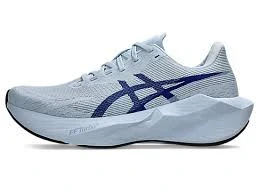
ASICS Novablast 6
If I were buying one current ASICS shoe without building a rotation, this is where I would start. It can handle easy runs, steady mileage and quicker finishes without feeling as heavy as the Nimbus or as expensive as the Megablast.
8 mm drop
8.9 oz / 253 g
High cushion
Wide option
Quick Match
Which ASICS shoe fits your run?
Start with the run you do most. That is more useful than choosing the shoe with the newest foam name.


Best Budget
Versablast 4
A lower-priced road shoe for shorter runs, gym sessions and new runners.
Not sure ASICS is the right brand?
The Running Shoe Finder compares your fit, mileage, terrain, cushioning and support needs across brands.
The Common Mix-Up
Novablast vs Nimbus vs Cumulus
These three neutral trainers cause the most confusion. The shortest answer is bounce versus softness versus simplicity.
Novablast 6
Choose it for: mixed paces and one-shoe versatility.
Feels: bouncy, lighter and more energetic.
Gel-Nimbus 28
Choose it for: easy runs, recovery and maximum cushion.
Feels: softer, heavier and more protective.
Gel-Cumulus 28
Choose it for: everyday running without a specialised ride.
Feels: smoother, calmer and more traditional.
How We Chose These ASICS Shoes
We checked the current ASICS road lineup, manufacturer specifications, width options and list prices in September 2026. Then we compared what each shoe is built to do with independent wear-test reports and recurring feedback from runners.
This is a researched buyer guide. We have not personally run in every shoe here, so we do not pretend otherwise. The rankings favour clear use cases, practical value and known tradeoffs rather than the most expensive foam.
Fit note: Novablast, Cumulus, Nimbus and Kayano are sold in selected wide versions. Superblast, Megablast and Versablast are mainly standard-width choices. Availability changes by gender, colour and retailer.
Top Picks
The 7 Best ASICS Running Shoes in 2026
#1
Best Overall · Daily + Mixed Paces
ASICS Novablast 6
Best for: Daily runs + mixed paces
Support: Neutral
Drop: 8 mm
Listed weight: 8.9 oz / 253 g men
Widths: Standard + selected wide
Price tier: $$
Best match: You want one ASICS shoe that can cover easy mileage, steady runs and occasional quicker work.
The Novablast 6 is the easiest recommendation in this lineup. Its high stack gives you plenty underfoot, yet the shoe is light enough to avoid the slow, padded feeling some max-cushion trainers develop.
ASICS added FF TURBO SQUARED foam in the forefoot and more ASICSGRIP rubber up front. On paper, that means more response at toe-off and better traction than the previous model. The practical result is a daily shoe that can change gears without becoming a plated workout shoe.
There is still a tradeoff. Some runners love a springy platform. Others feel more settled in the Cumulus. If bounce sounds distracting rather than fun, choose the calmer shoe.
Buy it if: you want the most versatile current ASICS daily trainer.
Skip it if: you need stability or dislike tall, bouncy shoes.
What Works
- Versatile enough for a one-shoe rotation
- High cushioning without excessive weight
- More energetic than Cumulus or Nimbus
- Selected wide versions are available
Watch For
- The bouncy ride is personal
- Neutral support only
- More expensive than Versablast
- Not much ground feel
#2
Best Budget · Running + Gym
ASICS Versablast 4
Best for: Shorter runs + mixed workouts
Support: Neutral
Drop: 8 mm
Listed weight: 9.2 oz / 260 g men
Widths: Standard
Price tier: $
Best match: You want an inexpensive ASICS for beginner runs, the treadmill, gym sessions and everyday wear.
The Versablast 4 is the honest budget pick. It costs far less at list price than the premium trainers, and it is built for people who mix running with other workouts. That makes sense for a new runner who is not ready to spend heavily on a first pair.
You give up cushion and long-run comfort. The AMPLIFOAM PLUS midsole is simpler than the foams in Novablast, Cumulus or Nimbus. It also comes mainly in standard width. Those limits matter if your mileage is climbing.
For a few short runs each week, though, simple can be enough. Spend more when you know what you want more of.
Buy it if: price matters and your runs are still fairly short.
Skip it if: you need wide sizing or cushion for regular long runs.
What Works
- Lowest-priced shoe in this guide
- Useful for running and gym sessions
- Familiar 8 mm drop
- No premium features you may not need
Watch For
- Less cushion for long mileage
- Standard width only
- Not a speed or marathon shoe
- Less refined ride than Cumulus
#3
Best for Beginners · Smooth Daily Ride
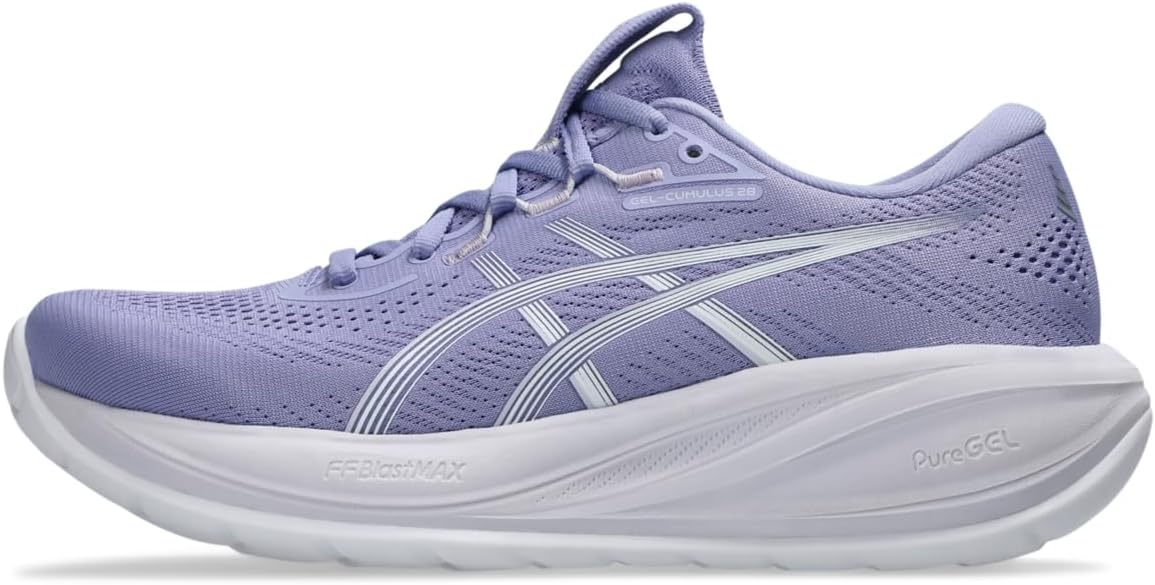
ASICS Gel-Cumulus 28
Best for: Everyday training
Support: Neutral
Drop: 8 mm
Listed weight: 9.1 oz / 259 g men
Widths: Standard + wide options
Price tier: $$
Best match: You want a dependable daily trainer that feels smooth rather than dramatic.
Cumulus 28 is the sensible middle ground. It has more cushioning and refinement than Versablast, but it avoids the huge softness of Nimbus and the extra bounce of Novablast.
That calmer personality is useful for beginners. You can run easy, add a few strides and wear it for regular training without wondering whether you bought a shoe meant for a very specific pace.
The price is no longer low enough to call it the budget winner. What you are paying for is a smoother FF BLAST MAX ride, current materials and useful width choices. If you already know you enjoy bounce, Novablast gives you more excitement for a modest step up.
Buy it if: you want a straightforward, comfortable daily trainer.
Skip it if: you want maximum softness or an especially lively ride.
What Works
- Easy to understand and use
- Smooth FF BLAST MAX cushioning
- Good first serious running shoe
- Wide and extra-wide versions are available
Watch For
- Less lively than Novablast
- Less protective than Nimbus
- Not the true budget option
- No built-in stability system
#4
Best for Long Runs · Premium Unplated
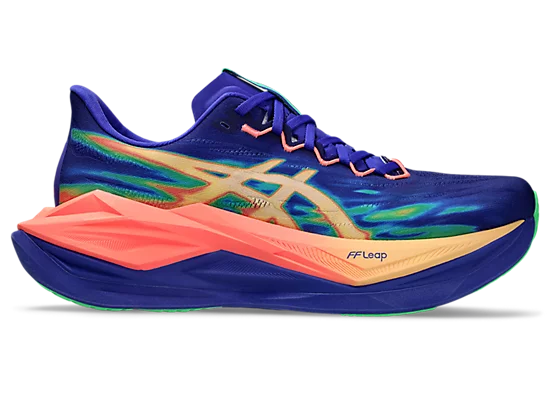
ASICS Superblast 3
Best for: Long runs + marathon training
Support: Neutral
Drop: 8 mm
Listed weight: 8.4 oz / 239 g unisex
Widths: Standard unisex
Price tier: $$$
Best match: You want a tall, light and unplated shoe for long steady runs.
Superblast 3 is built for distance. ASICS replaced the top foam with FF LEAP, reduced the listed weight and kept a very tall 46.5 mm heel stack. There is no carbon plate, so the appeal is protection and bounce without a rigid racing setup.
Recent runners often describe this version as softer than Superblast 2. Feedback on easy paces is mixed. Some find it smooth and protective; others say the large platform feels awkward when they slow down. That is exactly why it belongs in the long-run slot rather than at the top of the whole list.
It is expensive. It can also make sense for runners who want one premium shoe for long runs, marathon-pace sections and tired legs without training in a carbon racer.
Buy it if: your priority is light, protective long-run cushioning.
Skip it if: you want a budget daily shoe or need a wide version.
What Works
- Very light for its stack height
- Protective on long runs
- No carbon plate
- More accommodating forefoot than version 2 for some runners
Watch For
- Premium price
- Standard unisex width only
- May feel large at slower paces
- Some runners notice a loud landing
#5
Best Max Cushion · Easy + Recovery
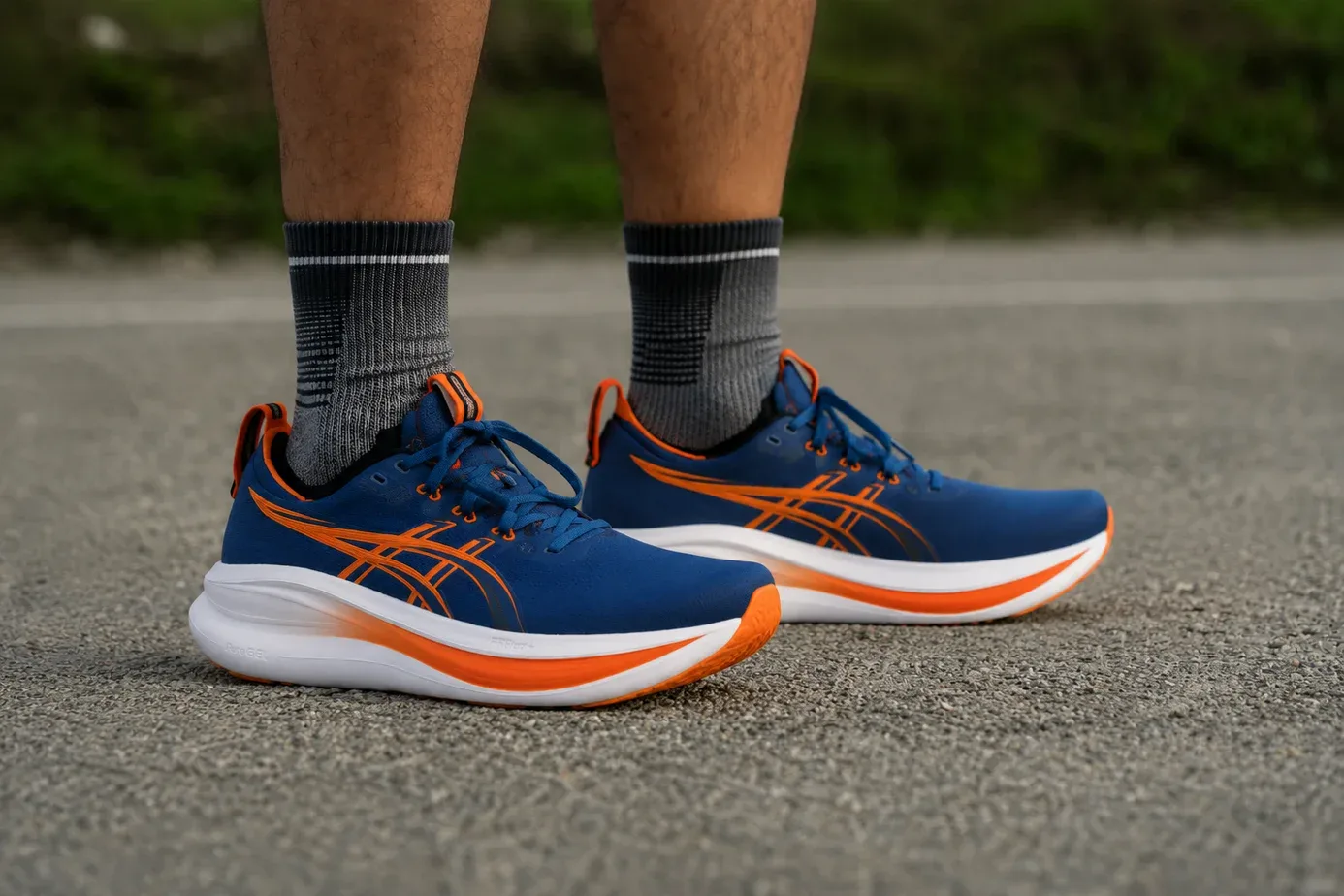
ASICS Gel-Nimbus 28
Best for: Easy + recovery runs
Support: Neutral
Drop: 8 mm
Listed weight: 9.9 oz / 281 g men
Widths: Standard + wide options
Price tier: $$
Best match: You care more about soft protection than speed or low weight.
Nimbus 28 is the comfort specialist. It uses FF BLAST PLUS with PureGEL and is about 20 g lighter than the previous version, based on ASICS’ listed men’s weights. It still feels like a substantial shoe.
Choose it because you enjoy soft cushioning, not because a mileage chart says you need it. Many runners like Nimbus for recovery runs and relaxed long efforts. Others find that much shoe warm, heavy or slow when the pace rises.
Pay attention to the upper. Some owners have reported pressure from the lacing area. That will not affect everyone, but it is worth checking indoors before removing tags or running outside.
Buy it if: your favourite runs are easy, soft and protected.
Skip it if: you want a light shoe for frequent faster running.
What Works
- Maximum neutral cushioning
- Lighter than Nimbus 27
- Wide versions are available
- Good for easy and recovery mileage
Watch For
- Heavier than Novablast
- Not designed for speed sessions
- Knit upper may feel warm
- Check the lacing pressure carefully
#6
Best Fast Trainer · Premium Bounce
ASICS Megablast
Best for: Tempo + faster long runs
Support: Neutral
Drop: 8 mm
Listed weight: 8.1 oz / 230 g unisex
Widths: Standard unisex
Price tier: $$$
Best match: You want one of ASICS’ lightest and bounciest trainers for faster work.
Megablast is the expensive fun shoe. Its full-length FF TURBO SQUARED midsole gives it a quick, springy character, while the listed 230 g weight is low for this much cushioning.
Long-term owner reports are unusually positive about the foam holding its bounce. Runners also use it across tempo sessions, progression runs and faster long runs. That range is impressive, but it does not make the price disappear.
Fit is the bigger warning. Several runners describe a low-volume or tapered toe box. There is no wide version listed, so a half-size change may not solve the shape problem. Try it carefully if your toes already feel crowded in standard ASICS models.
Buy it if: you want premium bounce for tempo and long-run speed.
Skip it if: you have wide feet or do not need a premium trainer.
What Works
- Very light for the cushioning level
- Energetic full-length foam
- Handles several faster run types
- Strong long-term feedback on midsole life
Watch For
- Highest list price in this guide
- Standard width only
- Toe box may feel tapered
- More shoe than most easy runs require
#7
Best Stability · Maximum Cushion
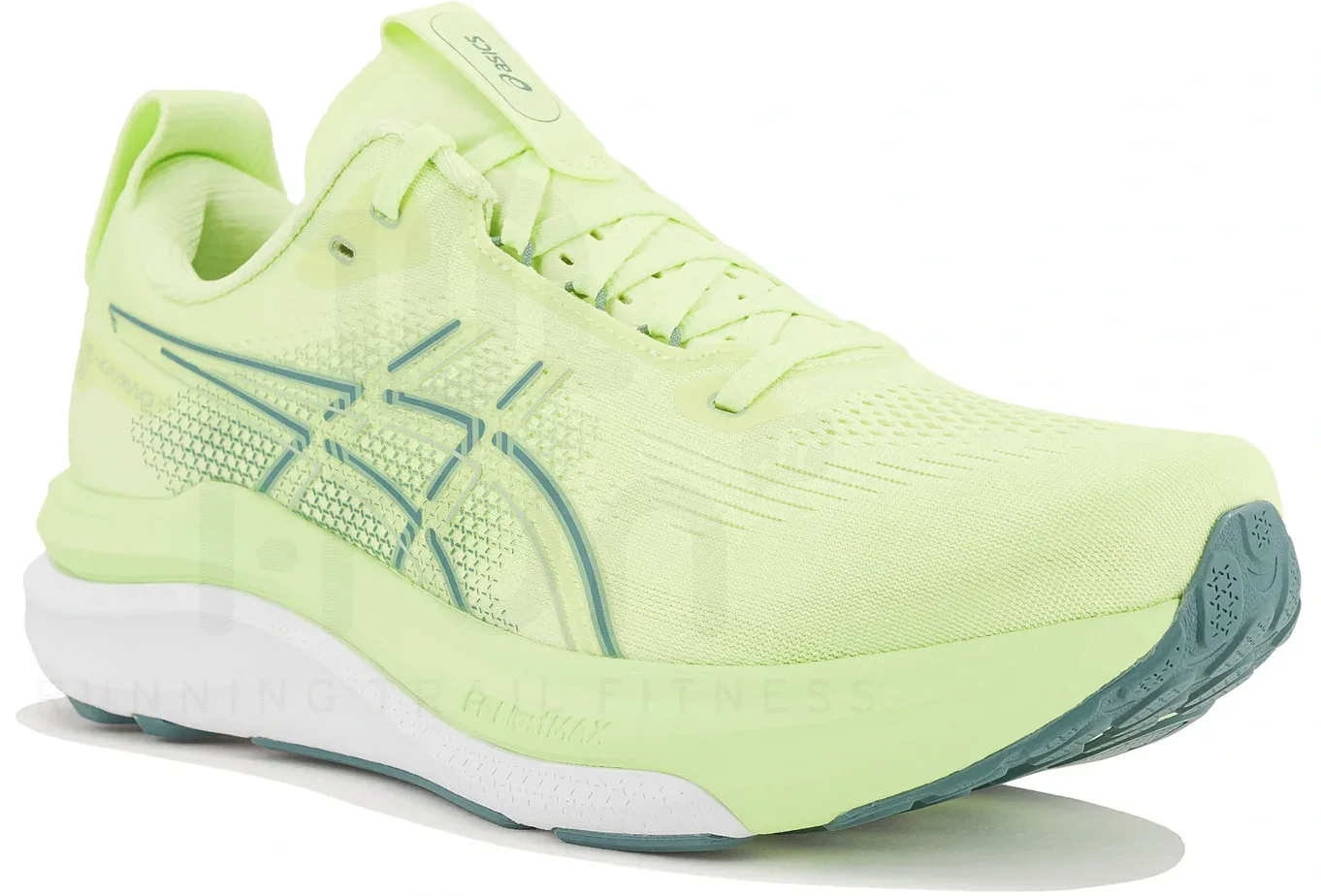
ASICS Gel-Kayano 33
Best for: Guided easy + long runs
Support: Stability
Drop: 8 mm
Listed weight: 10.5 oz / 298 g men
Widths: Standard + wide options
Price tier: $$
Best match: You already know a stable, guided platform feels better underfoot.
Kayano 33 is the support specialist. Its FLUIDSUPPORT system combines two foam layers with platform geometry intended to guide the foot without the hard medial post used in older stability shoes.
The result should feel softer and more natural than traditional motion-control designs. It is still the heaviest shoe in this main list. That weight is easier to accept on steady runs than during intervals.
Do not buy Kayano because your arch looks low or one edge of your outsole is worn. Those clues do not diagnose your gait. Choose it when guided shoes have felt more comfortable and secure in the past, or after useful advice from a qualified professional.
Buy it if: you want ASICS’ most cushioned mainstream stability shoe.
Skip it if: neutral shoes feel steady or you want a light ride.
What Works
- Modern support without a hard post
- Maximum cushioning
- Wide and extra-wide versions
- Good for supported easy mileage
Watch For
- Heaviest main pick
- Not intended for fast workouts
- More guidance than some runners want
- Neutral runners may not need it
At a Glance
Compare the 7 ASICS Picks
Swipe sideways to compare all columns →
| Shoe | Best For | Ride | Widths | Price | Buy |
|---|---|---|---|---|---|
| Novablast 6 Best Overall | Daily + mixed paces | Bouncy neutral | Standard + wide | $$ | Check price |
| Versablast 4 | Budget + short runs | Simple neutral | Standard | $ | ASICS |
| Gel-Cumulus 28 | Beginners + daily runs | Smooth neutral | Standard + wide | $$ | Check price |
| Superblast 3 | Long runs + marathon training | Light max cushion | Standard | $$$ | Check price |
| Gel-Nimbus 28 | Easy + recovery runs | Soft neutral | Standard + wide | $$ | Check price |
| Megablast | Tempo + faster long runs | Fast, bouncy neutral | Standard | $$$ | ASICS |
| Gel-Kayano 33 | Stability + cushion | Guided stability | Standard + wide | $$ | Check price |
Price key: $ lower-priced, $$ mid-range, $$$ premium. Tiers use current US list prices only. Sale prices and Canadian prices will differ. Listed weights are manufacturer reference weights, usually men’s US 9 or unisex.
Specialist ASICS
Three More ASICS Shoes Worth Knowing
GT-2000 15: lighter stability
If Kayano feels like too much shoe, the GT-2000 15 uses 3D Guidance and FF BLAST MAX in a lighter package. It is the better stability starting point when you do not want maximum cushioning.
Magic Speed 5: plated workouts
Magic Speed 5 is the lighter, lower plated option for intervals, tempo runs and shorter races. It has a 7 mm drop, FF LEAP foam and a reworked carbon plate. A wide version is also listed.
Metaspeed Tokyo: race day
Metaspeed Sky Tokyo and Edge Tokyo are specialised carbon race shoes. They belong in a race-day comparison, not at the top of a general road-shoe guide.
Simple Foam Guide
What the ASICS Foam Names Mean
AMPLIFOAM PLUS
Simple cushioning used in Versablast 4. It keeps the price down and works for mixed workouts, but it is not the most protective foam here.
FF BLAST MAX
Current everyday cushioning in Novablast 6 and Cumulus 28. It is designed to feel softer and more responsive than older daily foams.
FF LEAP
ASICS’ light, energetic premium foam. Superblast 3 uses it above FF BLAST PLUS to provide a lot of cushion without weighing as much as its height suggests.
FF TURBO SQUARED
The responsive foam throughout Megablast and in the Novablast 6 forefoot. It is aimed at energy and speed more than a quiet recovery feel.
PureGEL
A hidden cushioning component used in comfort-focused models such as Nimbus. It helps soften impact but does not tell you how the whole shoe will feel.
FLUIDSUPPORT
Kayano 33’s support setup. It combines two foam layers with geometry that guides the stride without relying on an old-style firm post.
Buying Help
How to Choose Between ASICS Running Shoes
Buy for your normal week
A shoe used for four easy runs matters more than one used for occasional intervals. Start with your most common pace and distance. Novablast suits a mixed week. Cumulus feels calmer. Versablast keeps the cost down.
Do not confuse more cushion with a better shoe
Nimbus is softer and Superblast is taller, but neither is automatically better than Novablast or Cumulus. Cushioning is a preference. More foam can feel protective, heavy, unstable or all three depending on the runner.
Leave room for your feet to swell
Try running shoes with your normal socks and later in the day when possible. Your toes should move without sliding. If the upper bulges or pressure builds across the forefoot, compare a wide version before sizing up in length.
Choose stability because it feels better
A flat arch or worn outsole does not prescribe a stability shoe. If neutral shoes feel comfortable and steady, stay neutral. Compare Kayano 33 with GT-2000 15 when you already prefer more guidance.
Use a return policy as part of the fitting process
Walk around indoors first. Check heel movement, toe pressure and lacing comfort. Then read the retailer’s return rules before taking the shoes outside. A popular model is still the wrong shoe when the fit is wrong.
Common Questions
ASICS Running Shoe FAQ
What is the best ASICS running shoe in 2026?
The Novablast 6 is the best overall ASICS shoe in this guide. It combines high cushioning, relatively low weight and enough range for daily miles, steady runs and some faster work.
What is the best budget ASICS running shoe?
The Versablast 4 is the budget pick. It works best for shorter runs, treadmill sessions and mixed workouts. Choose Cumulus 28 if you can spend more for a smoother ride and wider size options.
Should I buy Novablast, Nimbus or Cumulus?
Buy Novablast 6 for bounce and mixed paces, Nimbus 28 for soft easy runs, or Cumulus 28 for a calmer everyday ride. All three are neutral road shoes, but they feel noticeably different.
What is the best ASICS shoe for long runs?
Superblast 3 is the premium long-run pick because it combines a tall protective stack with a relatively low listed weight. Novablast 6 is the better-value choice if you also need the shoe for everyday running.
What is the most cushioned ASICS running shoe?
Gel-Nimbus 28 is the max-cushion neutral pick in this guide. Gel-Kayano 33 also has maximum cushioning but adds a stability system for runners who prefer guidance.
Which ASICS shoes come in wide sizes?
ASICS sells selected wide versions of Novablast 6, Gel-Cumulus 28, Gel-Nimbus 28 and Gel-Kayano 33. Options vary by gender, colour and retailer. Superblast 3, Megablast and Versablast 4 are mainly standard-width models.
How long do ASICS running shoes last?
There is no exact replacement mileage for every runner. Watch for worn outsole rubber, compressed cushioning, new discomfort or a shoe that suddenly feels flat. Terrain, body weight, gait and how often you rotate shoes all affect wear.
More Shoe Help
Your Next Step
Stay with the Novablast 6 if you want one versatile ASICS road shoe. Choose Cumulus for a calmer beginner-friendly ride, Nimbus for soft easy miles, Kayano for guidance or Versablast when budget comes first. If none of those descriptions sounds right, compare across brands before buying.
Research note: Specifications and list-price tiers were checked against current ASICS pages. See the source listings for the Novablast 6, Versablast 4, Gel-Cumulus 28, Superblast 3, Gel-Nimbus 28, Megablast and Gel-Kayano 33. The Magic Speed 5 listing was checked separately. We also reviewed current runner discussions about Superblast 3 fit and ride, long-term Megablast use and Nimbus 28 fit concerns. Individual experiences vary.