7 Best Track Spikes 2026: Sprint, Mid-Distance & Distance
Find the Right Track Spike for Your Event
Start with the event, not the logo. For 60m to 400m, choose a sprint spike. For 800m to the mile, look at middle-distance models. For 1500m to 10000m, a lighter distance spike with more cushioning usually makes more sense.
The quick match below gives you the short answer. The full reviews explain who each spike suits, where it can feel too aggressive, and when a lower-priced model is the better buy.
This article contains affiliate links. RunningGearLab may earn a commission if you buy through one, at no extra cost to you. Check the exact model, colour, size, seller and return policy before ordering.
Quick Match
What event do you run?
Match the spike to your main race and your experience level. A first-season athlete rarely needs the stiffest shoe on the shelf.

Sprint | 60m to 400m
Nike Maxfly 2
Premium pick for an experienced sprinter who wants a very stiff race-day setup.
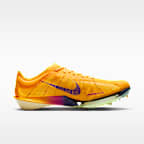
Middle distance | 800m to mile
Nike Victory 2
A fast, aggressive option for experienced 800m and 1500m runners.
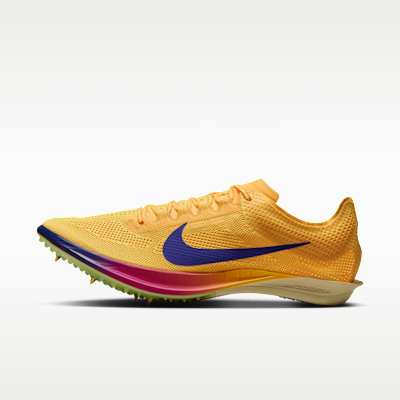
Distance | 1500m to 10000m
Nike Dragonfly 2
A light, cushioned premium spike for competitive distance racing.
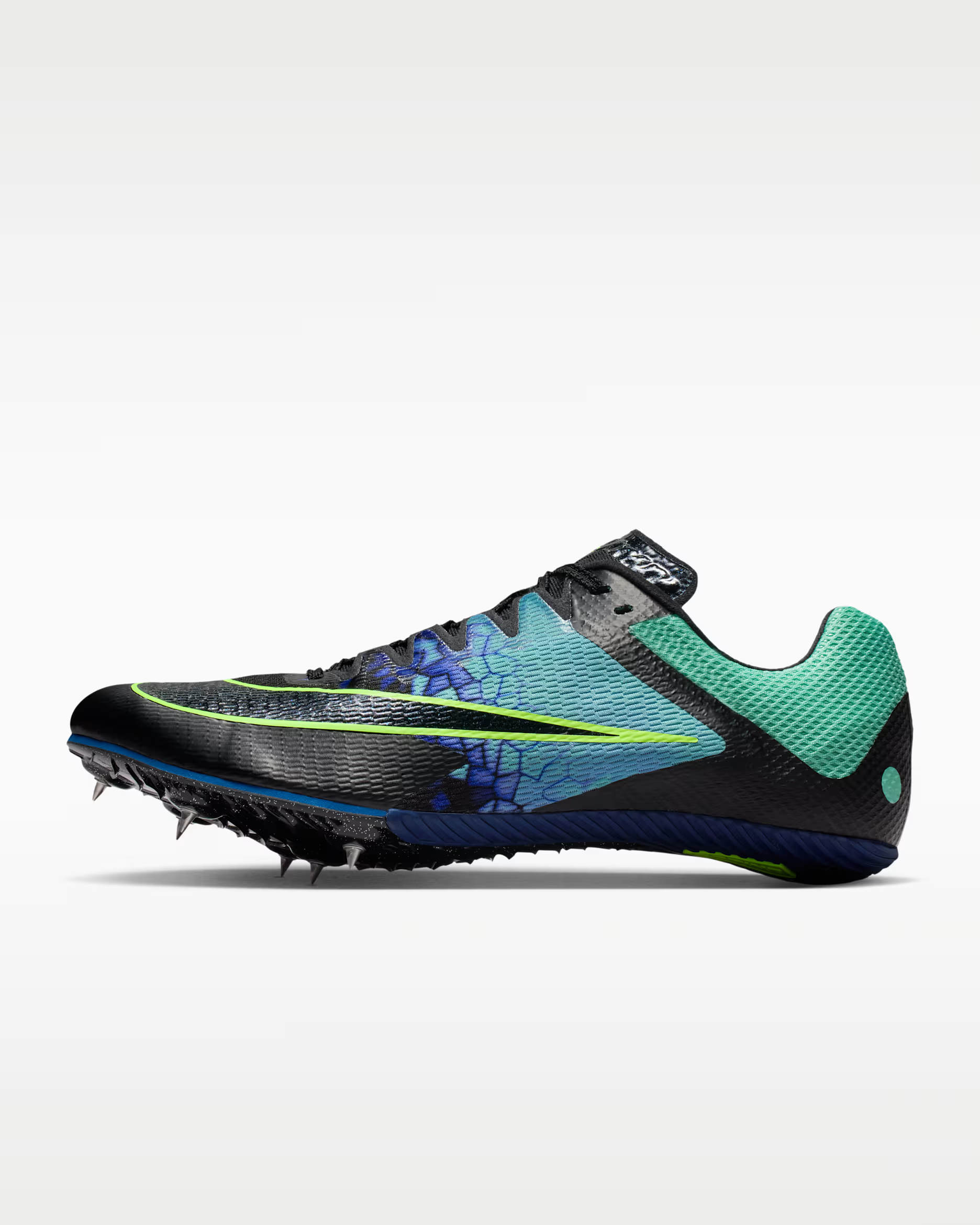
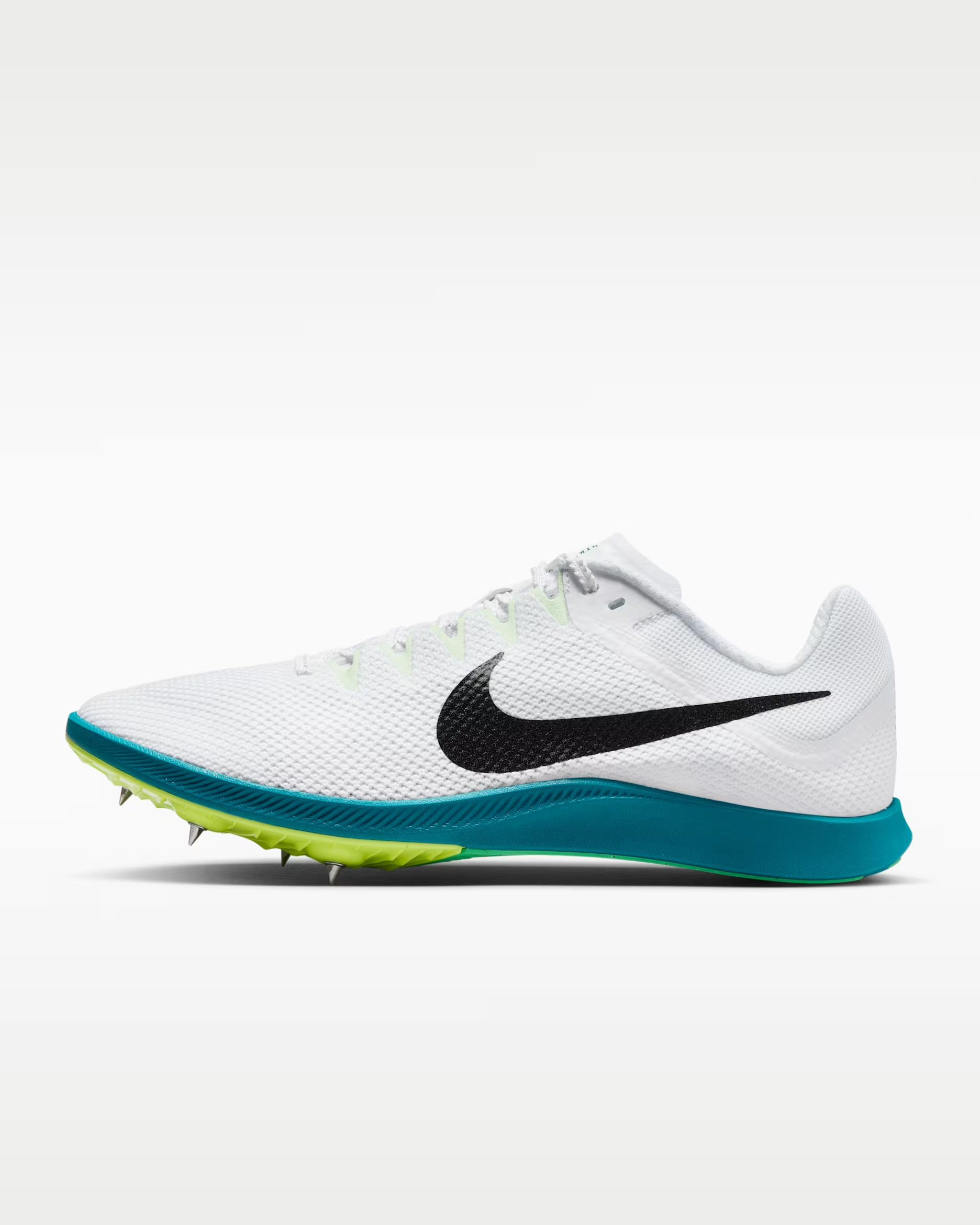
First season?
Start with a Rival
Rival Sprint for short races. Rival Distance for 800m and longer.
Shopping for cross-country instead? Grass, mud and uneven ground call for a different shoe. Use the kids’ cross-country shoe guide for a school-age runner, or see the adult and teen cross-country picks.
Jump to
Last checked and updated: September 29, 2026
Start here: New sprinters should begin with the Nike Rival Sprint. New 800m-to-10000m runners should begin with the Nike Rival Distance. Both cost much less than the premium picks and are easier to get used to.
Seven useful options
The 7 Best Track Spikes in 2026
#1
Best elite sprint spike | 100m to 400m
Nike Air Zoom Maxfly 2
Events: 100m to 400m, including hurdles
Plate: Full-length carbon-fibre Flyplate
Cushioning: Dual-chamber forefoot Air Zoom
Upper: Flyweave
Weight: Approx. 5.8 oz / 164g
Fit: Nike recommends half a size up
List price: About $190 USD
Best for: Experienced sprinters
Buy it if: You already know you like a rigid, aggressive sprint spike and want a premium race-day shoe.
The Maxfly 2 is the sharpest sprint option in this guide. Its full-length carbon plate and forefoot Air Zoom unit create a firm, springy platform for high-speed running. That is useful when an athlete has the strength and mechanics to control it. For a first season, it is usually more shoe and more money than necessary.
Nike widened the base, removed the middle spike and raised the platform on the big-toe side compared with the original Maxfly. Those changes are meant to improve stability on bends and straightaways. The fit runs small according to Nike, so start by trying half a size above your usual size and use a retailer with an easy return policy.
What works
- Built specifically for fast 100m to 400m racing
- Very direct feel from the carbon Flyplate
- Air Zoom adds forefoot response
- Wider base than the first Maxfly
Watch for
- Too aggressive for many new athletes
- Premium price
- Runs small according to Nike
- Better for races than routine training
#2
Best Maxfly alternative | 60m to 400m
Adidas Adizero Prime SP 4

Events: Short sprints and hurdles
Platform: Stiff sprint plate
Cushioning: Lightstrike Pro
Upper: Lightweight mesh
Traction: Six removable pins
Fit: Adidas says true to size
List price: About $185 USD
Best for: Intermediate to advanced sprinters
Buy it if: You want a premium Adidas sprint spike with a firm feel and do not want the Air Zoom setup used in the Maxfly 2.
The Prime SP 4 gives experienced sprinters a different kind of premium ride. It uses Lightstrike Pro rather than a forefoot air unit, so the feel is firm and direct without copying the Maxfly formula. It is a sensible shoe to compare with the Maxfly 2 when fit or underfoot feel decides the purchase.
Adidas replaced the dense STRUNG upper from the previous generation with a lighter mesh. The brand currently recommends ordering your normal size. This is still a specialist sprint spike, though. A developing runner will usually get better value from the Rival Sprint and can upgrade once they know what stiffness they prefer.
What works
- Premium option for short sprints
- Responsive Lightstrike Pro cushioning
- Six removable spike pins
- Adidas lists the fit as true to size
Watch for
- Still a demanding sprint shoe
- Expensive for a first-season runner
- Not a one-pair solution for athletes who also jump
- Availability changes by size and colour
#3
Best first sprint spike | 60m to 400m
Nike Zoom Rival Sprint

Events: 60m to 400m, including hurdles
Plate: Three-quarter-length plate
Traction: Six replaceable spikes
Cushioning: Foam midsole and rubber heel
Weight: Approx. 6.0 oz / 170g
List price: About $80 USD
Best for: Beginners and school athletes
Use: Practice and competition
Buy it if: This is your first sprint season, or you want one affordable spike for short races and hurdles.
This is the easy recommendation for a new sprinter. The three-quarter plate is less demanding than an elite carbon setup, while six removable pins still provide proper track traction. A foam midsole and rubber at the heel also make walking, drills and post-race slowing down less awkward.
Nike designs it for 60m through 400m and hurdle events. That range works well for a school athlete who may try several short races before settling on a favourite. It is not the fastest shoe in this list, but it is the one least likely to make a new runner pay for technology they cannot use yet.
What works
- Good value for a first spike
- Less extreme than elite sprint models
- Six replaceable pins
- Rubber heel adds useful protection
Watch for
- Less explosive than the premium picks
- Snug fit for some feet
- Advanced sprinters may want more stiffness later
- Choose a multi-event or jump spike for regular jumping events
#4
Best middle-distance spike | 800m to mile
Nike Victory 2
Best events: 800m, 1500m, 1600m and mile
Official range: 800m to 5000m
Plate: Full-length carbon-fibre Flyplate
Cushioning: ZoomX and forefoot Air Zoom
Weight: Approx. 4.8 oz / 136g
Fit: Nike recommends half a size up
List price: About $200 USD
Best for: Experienced middle-distance runners
Buy it if: You race the 800m or 1500m, have experience in spikes and want more bite than a long-distance model.
The Victory 2 sits between a sprint spike and a distance spike, which is exactly where many 800m and 1500m runners want to be. It combines a full-length carbon Flyplate with ZoomX foam and a dual-chamber Air Zoom unit. The result is quick and aggressive, but with enough cushioning for several hard laps.
Nike gives it an official 800m-to-5000m range. In practical buying terms, it makes the most sense for a runner who puts speed ahead of forgiveness in the 800m, 1500m or mile. A newer athlete should look at the Rival Distance first. It costs far less and places fewer demands on the calves and feet.
What works
- Built around middle-distance speed
- Carbon, ZoomX and Air Zoom work together
- Wider support base than the first Victory
- Very light at about 4.8 ounces
Watch for
- Expensive for a developing athlete
- More aggressive than most distance spikes
- Nike recommends going up half a size
- Best saved for races and key sessions
#5
Best premium distance spike | 1500m to 10000m
Nike ZoomX Dragonfly 2
Events: 1500m to 10000m
Plate: Full-length responsive plate
Midsole: Full-length ZoomX foam
Traction: Four-spike system
Weight: Approx. 4.6 oz / 130g
Upper: Engineered mesh
List price: About $170 USD
Best for: Competitive distance racing
Buy it if: You want a light, cushioned race spike for 1500m through 10000m and are ready to pay for a specialist shoe.
The Dragonfly 2 is the premium distance pick because it combines very low weight with enough cushioning for longer track races. Full-length ZoomX foam protects better than a bare-bones sprint setup, while the plate keeps the shoe responsive when the pace changes late in a race.
Nike widened the midfoot and forefoot, changed the plate material and moved to four spikes. Those updates create a broader connection with the track without pushing the weight above about 4.6 ounces. This is a race tool, not the shoe for every practice. A first-season distance runner can learn just as much in the much cheaper Rival Distance.
What works
- Full-length ZoomX cushioning
- Very light at about 4.6 ounces
- Wider platform than the first version
- Designed for 1500m to 10000m racing
Watch for
- Premium price
- Not needed for a first track season
- Wrong category for short sprints
- Use a regular trainer for most weekly mileage
#6
Best Adidas distance alternative | 1500m to 10000m
Adidas Adizero Avanti

Events: 1500m to 10000m
Cushioning: Lightstrike Pro
Plate: Full-length glass-fibre-infused plate
Feel: Cushioned and responsive
Best for: Runners who prefer Adidas
Price: Check current retailer price
Buy it if: The Dragonfly 2 does not suit your foot, or you prefer the feel of Adidas Lightstrike Pro.
The Avanti belongs in the same shopping conversation as the Dragonfly 2. Lightstrike Pro supplies the cushioning, and a full-length glass-fibre-infused plate adds snap without turning it into a pure sprint spike. The choice between them should come down to fit, feel and price, not brand loyalty alone.
Try both if a local store carries them. The Avanti is especially worth a look when Nike’s upper or platform feels wrong on your foot. Stock can be uneven by colour and country, so confirm that the retailer is showing the current model before you order.
What works
- Lightstrike Pro for longer track races
- Full-length plated construction
- Useful alternative to the Dragonfly 2
- Fit choice for runners who prefer Adidas
Watch for
- Stock varies by size and colour
- Still a specialist race shoe
- May be harder to find in local shops
- Confirm model details before buying
#7
Best first distance spike | 800m to 10000m
Nike Zoom Rival Distance
Use: Middle distance, long distance and multi-event
Cushioning: Added foam at midfoot and heel
Traction: Four replaceable spikes
Upper: Single-layer mesh
Weight: Approx. 5.6 oz / 159g
List price: About $80 USD
Best for: First-season distance runners
Value: One pair for several races
Buy it if: You are new to middle- or long-distance racing and want one affordable spike that covers several events.
The Rival Distance is the sensible first buy for an 800m, 1500m or longer-distance runner. There is enough foam at the midfoot and heel to soften the move from trainers to spikes, and the four pins are replaceable. One pair can cover several events while the athlete learns what distance suits them.
It is not as light or lively as the Dragonfly 2, but that gap matters less for a new runner than fit and comfort. Save the premium upgrade for later. Try the spike with race socks, make sure the heel stays secure and avoid any toe pressure that will become painful after several laps.
What works
- Affordable entry to distance spikes
- More forgiving than a sprint model
- Four replaceable pins
- Useful across several race distances
Watch for
- Less responsive than premium models
- Fit can vary by foot shape
- Advanced racers may want a lighter specialist spike
- Check that the selected listing matches the model shown
At a glance
Compare All 7 Track Spikes
Swipe sideways to see every column.
| Spike | Typical price | Best events | Key setup | Weight | Level | Shop |
|---|---|---|---|---|---|---|
| Nike Maxfly 2 Top sprint | About $190 | 100m to 400m | Carbon + Air Zoom | 5.8 oz | Advanced | Amazon |
| Adidas Prime SP 4 | About $185 | 60m to 400m | Lightstrike Pro + sprint plate | Check size listing | Intermediate / advanced | Adidas |
| Nike Rival Sprint Beginner sprint | About $80 | 60m to 400m, hurdles | Three-quarter plate | 6.0 oz | Beginner / intermediate | Amazon |
| Nike Victory 2 Middle distance | About $200 | 800m to mile | Carbon + ZoomX + Air Zoom | 4.8 oz | Advanced | Nike |
| Nike Dragonfly 2 Top distance | About $170 | 1500m to 10000m | ZoomX + full plate | 4.6 oz | Advanced | Amazon |
| Adidas Adizero Avanti | Check retailer | 1500m to 10000m | Lightstrike Pro + glass-fibre plate | Check model | Intermediate / advanced | Retailer |
| Nike Rival Distance Beginner distance | About $80 | 800m to 10000m | Cushioned distance setup | 5.6 oz | Beginner | Amazon |
Buying guide
How to Choose a Track Spike
1. Choose the event category first
A sprint spike keeps you high on the forefoot and transfers force quickly. That same shape can feel punishing over several laps. A distance spike adds cushioning and a less extreme platform, but it will not feel as sharp out of starting blocks. Pick the right category before comparing price, colour or plate material.
2. Match the stiffness to the athlete
The stiffest spike is not automatically the fastest spike for every runner. A Maxfly 2 or Prime SP 4 asks more from the feet, calves and technique. New athletes usually learn more comfortably in a Rival model, then move to a premium shoe once they know their event and preferred feel.
3. Make fit the final test
A track spike should hold the heel and midfoot securely, with little sliding inside the shoe. Snug is normal. Numb toes, pinching or pressure on the toenails are not. Try the socks you will race in, follow the current size note for that exact model and buy from a store that allows indoor try-ons or returns.
4. Check the meet’s pin rules
Do not assume the pins supplied in the box are legal at every venue. Many outdoor synthetic tracks accept 6mm or quarter-inch pyramid pins, while some indoor tracks require shorter pins or restrict the pin shape. The facility and meet rules always win. Ask the coach or meet director before race day.
5. Keep most training in regular running shoes
Use spikes for races, starts, time trials and selected fast sessions. Warm-ups, cool-downs, easy runs and most weekly mileage belong in a comfortable trainer. The Running Shoe Finder can narrow down a training shoe, and the running-shoe guide hub has the latest reviews by category.
Event guide
Which Type of Track Spike Do You Need?
Sprint spikes: usually 60m to 400m. These use a rigid plate, little heel cushioning and an aggressive forefoot position. They are made for fast running, not jogging or easy warm-ups.
Middle-distance spikes: usually 800m to the mile. They blend a quick plate with enough foam for multiple laps. There is some overlap at 400m, 800m, 1500m and 3000m because speed, strength and comfort differ by runner.
Long-distance spikes: usually 1500m to 10000m. More cushioning and a less extreme shape help over longer races. Modern premium models can still use a full-length plate, so plate length alone does not tell you how aggressive a spike will feel.
The ranges overlap. An experienced 800m runner may want the quicker Victory 2, while another runner will value the extra protection of the Dragonfly 2. A first-season athlete can keep the decision simple: choose the Rival Sprint for short races or the Rival Distance for middle and long distances.
Cross-country season is different. Grass, dirt, mud and uneven footing change the traction and upper you need. For a younger athlete, use the best cross-country shoes for kids. Older runners can start with the cross-country shoe and spike guide.
How this guide was built: RunningGearLab checked current manufacturer specifications, intended event ranges, fit notes and listed prices on September 29, 2026. The recommendations compare those details with the needs of new, developing and experienced athletes. This is a research-based buying guide, and we do not label a product as personally tested unless a RunningGearLab author has actually used it.
Featured tool
Find a Training Shoe for the Rest of the Week
Spikes cover a small part of a track season. Answer eight quick questions to get a short list of daily trainers for your mileage, fit and cushioning needs.
Free to use. No account or email needed.
Keep shopping
Related Running Shoe Guides
Common questions
Track Spike FAQ
What is the difference between sprint and distance spikes?
Sprint spikes are very stiff, use little heel cushioning and are built mainly for 60m to 400m. Middle-distance spikes add cushioning for races such as the 800m and mile. Distance spikes protect the legs better over 1500m to 10000m and use a less extreme shape. Plate length varies, so judge the complete shoe rather than the plate alone.
Which track spike is best for the 800m and 1500m?
The Nike Victory 2 is the dedicated premium pick for an experienced 800m or 1500m runner. The Dragonfly 2 offers more cushioning for a runner who leans toward longer events. A newer athlete should start with the more affordable Nike Rival Distance.
Does a beginner need track spikes?
Not for every practice. A beginner can learn technique and build fitness in regular running shoes. When racing starts, the Nike Rival Sprint or Rival Distance is enough for most first-season athletes. Fit and comfort matter more than buying an elite plate.
How should track spikes fit?
They should feel snug through the heel and midfoot with very little sliding, but they should not crush the toes or cause numbness. Sizing changes by model. Nike currently recommends half a size up in the Maxfly 2 and Victory 2, while Adidas lists the Prime SP 4 as true to size.
What length of spike pin should I use?
There is no pin that is allowed at every track. Many outdoor synthetic tracks accept 6mm or quarter-inch pyramid pins. Some indoor facilities require 3mm pins, and some do not allow needle pins. Check the venue and meet rules before installing them.
Can I use sprint spikes for hurdles or long jump?
The Nike Rival Sprint and Maxfly 2 are listed for hurdle events. Long jump and triple jump place different demands on the shoe. If jumping is a regular event, use a jump spike or a true multi-event model such as the Nike Rival Multi rather than assuming a premium sprint spike will do both jobs well.
How long do track spikes last?
There is no fixed number of seasons. Body weight, running mechanics, track surface and how often the shoes are worn all matter. Save spikes for races and selected fast sessions, replace worn pins and inspect the upper, plate and outsole regularly. Replace the shoe if the plate cracks, the upper tears badly or the fit no longer feels secure.
Are carbon-plated track spikes worth it?
They can be worth it for an experienced athlete who wants a stiff, specialist race shoe and has the mechanics to use it. They are not a shortcut and there is no universal performance gain for every runner. A nylon or Pebax-style plate is often cheaper, more forgiving and better for a developing athlete.
Bottom line
Which Track Spike Should You Buy?
60m to 400m: Pick the Nike Maxfly 2 for an experienced sprinter who wants an aggressive premium shoe. Pick the Nike Rival Sprint for a first season or a tighter budget.
800m to the mile: Pick the Nike Victory 2 for an experienced middle-distance runner. Pick the Nike Rival Distance if you are newer to spikes.
1500m to 10000m: Pick the Nike Dragonfly 2 for a premium race-day setup. Compare it with the Adidas Adizero Avanti if Nike’s fit or feel does not work for you.
Cross-country: Do not treat this track list as an XC guide. Start with the kids’ XC guide or the adult and teen XC guide.