Best Trail Running Shoes 2026 Reviews: 6 Picks by Terrain
The short answer: the HOKA Speedgoat 7 is the best starting point for most trail runners. It has the grip and protection needed for rocky routes without feeling like a heavy hiking shoe. Your terrain still matters. A road-to-trail runner, a long-distance runner and someone who prefers zero drop may need very different shoes.
This article contains affiliate links. Running Gear Lab may earn a commission if you buy through one of them, at no extra cost to you. Prices and availability change. Check the exact model, width and size before ordering.
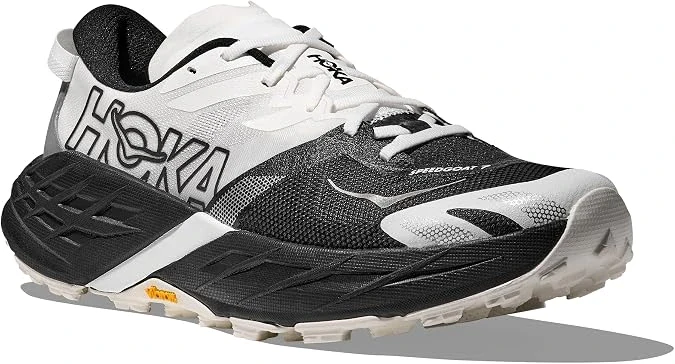
Best trail running shoe overall
HOKA Speedgoat 7
Choose it if you want one shoe for mixed trails, rocky sections and longer runs. It offers more trail protection than a road-to-trail shoe, with a listed weight of 9.7 oz / 275 g.
5 mm drop
9.7 oz / 275 g
Mixed terrain
Regular and wide
Not sure which trail shoe fits your runs?
The Running Shoe Finder asks about terrain, support, cushioning, mileage and budget, then gives you a shorter list.
Quick match
Start with where you run
These six shoes solve different trail problems. Pick the closest match before reading every review.

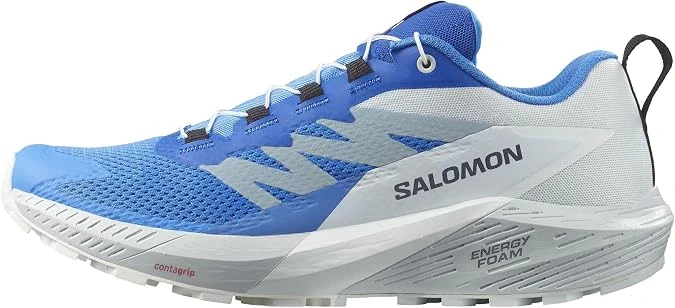
Daily mixed trails
Salomon Sense Ride 5
Secure fit and moderate cushioning for varied routes.

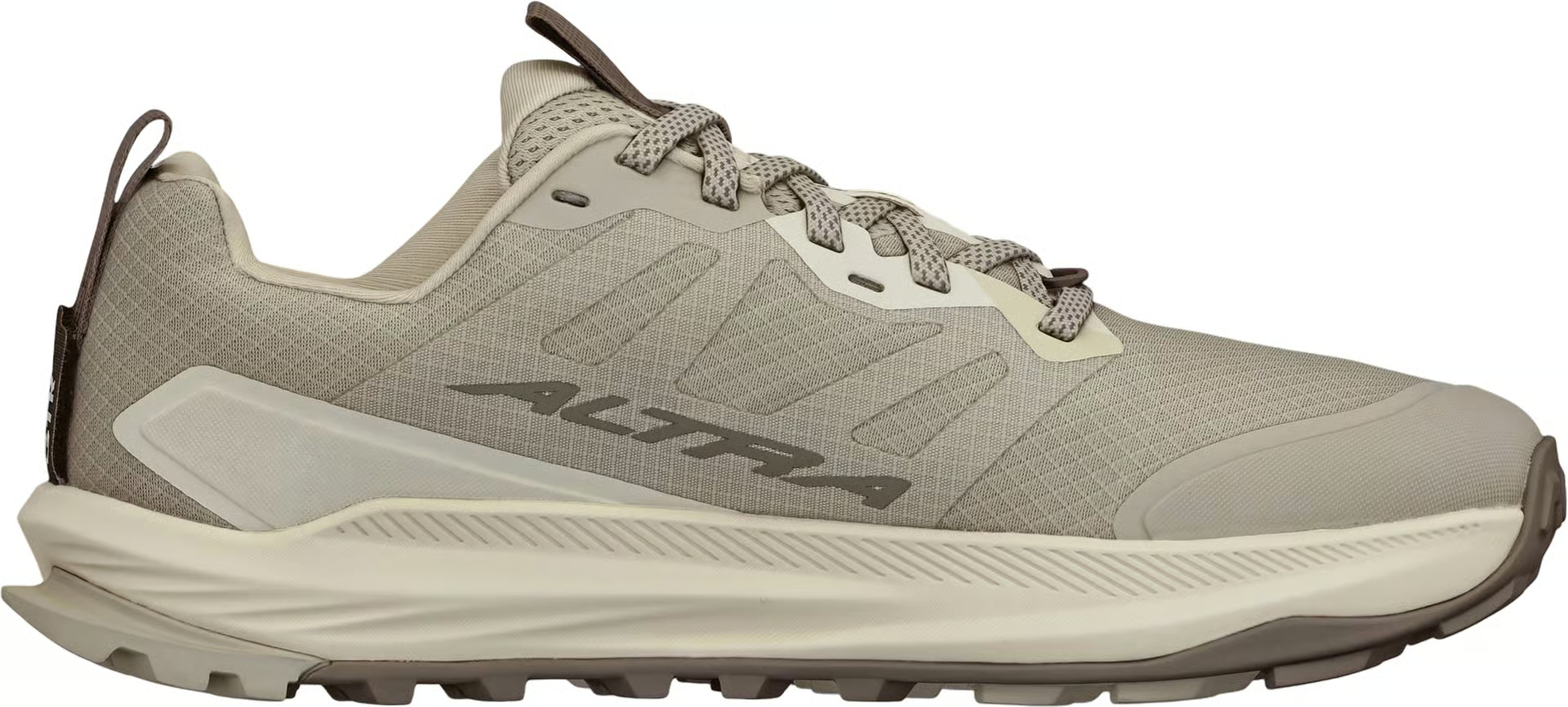
Roomy zero drop
Altra Lone Peak 9
Original FootShape fit for runners used to zero drop.
Jump to:
Terrain matchFull reviewsCompare all sixHow to chooseTrail gearFAQ
Updated September 2026
Which trail running shoe should you buy?
Choose the Speedgoat 7 if you want one dependable shoe for mixed trails. Choose the Caldera 8 for long, relaxed mileage. Choose the Peregrine 16 when grip and a lower ride matter most.
The Sense Ride 5 is the balanced Salomon option. The Pegasus Trail 5 makes more sense when pavement and gravel are part of every run. The Lone Peak 9 is for runners who already want zero drop and a roomier toe box.
Full reviews
The six best trail running shoes in 2026
#1 Best overall trail shoe
HOKA Speedgoat 7
The best starting point when one shoe needs to handle most of your trail week.
Best for: Mixed trails, rocky paths and longer runs
Drop: 5 mm
Listed weight: 9.7 oz / 275 g
Ride: Neutral, protective and responsive
Buy it if: you want enough grip for rough trails without giving up cushioning on longer runs.
The Speedgoat 7 covers the widest range of runs in this guide. It has enough cushioning for long days, but its traction and secure build make more sense on rough ground than a road-to-trail shoe.
It is more trail focused than the Nike, and less relaxed through the forefoot than the Caldera. Runners with very wide feet should still try the fit carefully, even though wide sizing is available.
What works
- Useful mix of grip, protection and cushioning
- Reasonable weight for a protective trail shoe
- Regular and wide options
Watch for
- May still feel narrow on very wide feet
- More shoe than smooth gravel requires
- Premium price
#2 Best for long trail runs
Brooks Caldera 8
A cushioned, stable option for long trail days and ultra training.
Best for: Long runs, ultra training and comfort
Drop: 6 mm
Listed weight: 10.6 oz / 300.5 g
Ride: Cushioned, broad and stable
Buy it if: comfort and a steady base matter more than quick direction changes.
The Caldera 8 is built for time on feet. Its wide base and extra cushioning suit steady long runs, mixed dirt and gravel, and runners whose feet need more room after several hours.
It can feel bulky on narrow technical trails. For more detail on its fit and ride, read the full Brooks Caldera 8 review.
What works
- Comfortable for long trail runs
- Broad base feels steady
- More forgiving fit than many technical shoes
Watch for
- Can feel bulky on narrow trails
- Not the quickest choice for short races
- Not waterproof
#3 Best versatile Salomon
Salomon Sense Ride 5
A secure daily trail shoe for gravel, forest paths and moderate terrain.
Best for: Mixed terrain and daily trail runs
Drop: 8 mm
Listed weight: 293 g / about 10.3 oz
Lugs: 3.5 mm
Buy it if: you like a secure Salomon fit and run varied but not highly technical trails.
The Sense Ride 5 is the middle-ground option. It is more secure and trail ready than a road shoe, but less aggressive than the Peregrine. Its 8 mm drop may also feel familiar to runners moving over from road training.
The fit is the main exception. Salomon shoes can feel snug through the midfoot, and the Quicklace system is different from regular laces. Try it before committing if you need a roomy upper.
What works
- Useful for several trail surfaces
- Secure upper and quick lacing
- Moderate cushioning and familiar drop
Watch for
- May feel narrow
- Less grip than the Peregrine on rough trails
- Quicklace will not suit everyone
#4 Best lighter grippy option
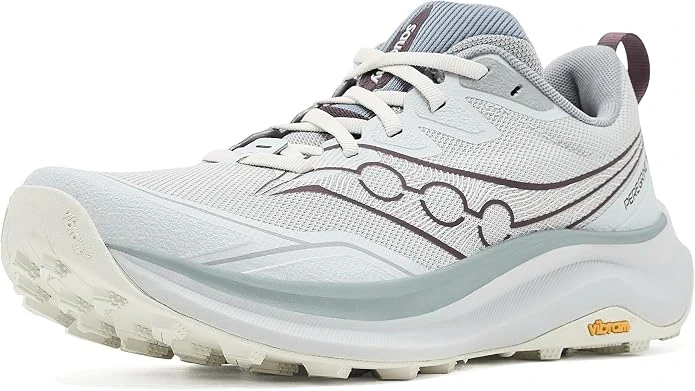
Saucony Peregrine 16
A lower-drop trail shoe for grip, quicker runs and technical dirt.
Best for: Technical dirt, wet rock and faster trail runs
Drop: 4 mm
Listed weight: 9.5 oz / 271 g
Outsole: Full-coverage Vibram Megagrip
Buy it if: you want strong wet and dry grip with less bulk than a maximum-cushion trail shoe.
The Peregrine 16 is the grip-first choice. Its full-coverage Vibram Megagrip outsole suits wet, rocky and loose surfaces, while the 4 mm drop keeps the ride lower than the Sense Ride or Pegasus Trail.
That lower drop needs an adjustment period if you normally run in 8 to 12 mm shoes. It also feels firmer and more trail focused than the Caldera.
What works
- Strong wet and dry grip
- Lower, more nimble feel
- Wide and GTX versions available
Watch for
- 4 mm drop may load calves differently
- Less relaxed than the Caldera
- Not ideal for frequent pavement
#5 Best road-to-trail shoe
Nike Pegasus Trail 5
A familiar transition for road runners using pavement, gravel and mild trails.
Best for: Gravel, park paths and road-to-trail routes
Drop: 9.5 mm
Listed weight: About 300 g / 10.6 oz
Midsole: ReactX foam
Buy it if: your route starts on pavement and reaches gravel or non-technical trails.
The Pegasus Trail 5 feels closer to a road shoe than the other picks. ReactX cushioning and a higher drop make it approachable for runners moving between pavement, crushed gravel and easy trail loops.
Do not choose it for steep mud or highly technical racing. The smoother road-to-trail design gives up some bite and protection compared with the Speedgoat or Peregrine.
What works
- Smooth on road and gravel
- Familiar feel for road runners
- Useful beginner option on mild trails
Watch for
- Less grip on technical terrain
- Higher drop than most picks here
- Nike advises checking fit carefully
#6 Best roomy zero-drop option
Altra Lone Peak 9
A trail and hiking crossover for runners who already prefer zero drop and toe room.
Best for: Toe room, zero drop, trails and hiking
Drop: 0 mm
Listed weight: 11.15 oz / 316 g
Fit: Original FootShape
Buy it if: you already like zero drop shoes and want Altra’s roomiest FootShape fit.
The Lone Peak 9 gives toes more room and keeps the heel and forefoot at the same height. That combination appeals to runners and hikers who already know they enjoy a natural, lower platform.
Zero drop is the important exception. It can load the calves and Achilles differently from a conventional running shoe. Start with short runs if you are changing from a higher drop.
What works
- Roomy toe box
- Trail and hiking crossover
- Stable ground feel for zero-drop fans
Watch for
- Zero drop needs a careful transition
- Heavier than its low profile suggests
- Less cushioned than maximum-cushion shoes
At a glance
Compare all six trail running shoes
| Shoe | Best for | Drop | Weight | Trail match |
|---|---|---|---|---|
| HOKA Speedgoat 7 | One shoe for most trails | 5 mm | 9.7 oz | Mixed, rocky, long |
| Brooks Caldera 8 | Long runs and ultras | 6 mm | 10.6 oz | Long, smooth to moderate |
| Salomon Sense Ride 5 | Daily mixed trails | 8 mm | 293 g | Gravel, forest, moderate |
| Saucony Peregrine 16 | Grip and quicker runs | 4 mm | 9.5 oz | Wet, rocky, technical dirt |
| Nike Pegasus Trail 5 | Road to trail | 9.5 mm | About 10.6 oz | Pavement, gravel, mild trail |
| Altra Lone Peak 9 | Toe room and zero drop | 0 mm | 11.15 oz | Moderate trail and hiking |
Buying guide
How to choose trail running shoes
Rocky or technical trails
Start with the Speedgoat 7 or Peregrine 16. Grip, protection and upper security matter more here than a soft step-in feel.
Long runs and ultra training
The Caldera 8 offers the broadest, most relaxed platform. The Speedgoat 7 is better when the route gets rougher.
Road, gravel and easy trail
The Pegasus Trail 5 is smoother on pavement. The Sense Ride 5 adds a more secure trail feel.
Wide toe box or zero drop
Choose the Lone Peak 9 only if you want both features. A wide conventional trail shoe is the safer choice when you do not want zero drop.
Check grip before cushioning
Cushioning feels easy to compare in a store. Grip matters when you are tired, turning or descending. Wet rock, mud and loose dirt need a more capable outsole than dry gravel.
Leave room without losing control
Your toes need space for swelling, but your foot should not slide forward on descents. Test the shoes with the socks you use on trails. A runner’s knot can help heel hold, but it cannot fix the wrong shape.
Change heel-to-toe drop slowly
Moving from a 10 mm shoe to a 4 mm or zero-drop shoe changes how the lower leg is loaded. Use the new pair on short, easy runs before taking it onto your longest route.
Need a women-specific fit comparison? See the Best Trail Running Shoes for Women. Shopping for a younger runner? Use the guide to the Best Trail Running Shoes for Kids.
Useful gear for longer trail runs
Start with shoes and a pair of running socks that fit without bunching. Add a hydration pack when the route is too long or remote for handheld water. Trail running gaiters help keep sand, pine needles and loose debris out of your shoes.
If an old ankle injury affects your confidence, footwear may not be the full answer. The guide to ankle braces for running explains the different support levels and when to ask a health professional.
For longer distances, the beginner’s guide to ultra running covers training, fuel, gear and race planning. You can also browse ultra runners worth following for practical ideas from people spending real time on trails.
How these shoes were selected
This is a researched comparison, not a claim that every current model was personally wear-tested. We checked current manufacturer specifications, compared each shoe’s intended terrain and kept models that serve a clear type of trail runner.
Listed weights change by size and by men’s or women’s version. Fit is personal, and wet roots can make any outsole slippery. Use a retailer with a practical return policy when you cannot try the shoe first.
Still comparing shoe types?
Use the finder for a personalized shortlist, browse the main running shoe guides, or return to the overall Best Running Shoes comparison.
Common questions
Trail running shoe FAQ
What is the best trail running shoe for most runners?
The HOKA Speedgoat 7 is the best starting point in this guide because it combines grip, protection and cushioning for mixed terrain. Choose a more specialized shoe if you mostly run pavement and gravel, prefer zero drop or need a wider long-run platform.
What trail shoe is best for long runs?
The Brooks Caldera 8 is the comfort pick for long, steady trail runs. The Speedgoat 7 is more suitable when those long routes include rougher or more technical sections.
What trail shoe is best for beginners?
The Nike Pegasus Trail 5 is approachable for road runners using gravel and mild trails. Beginners heading straight onto rocky terrain should prioritize fit and grip, which may make the Speedgoat 7 a better option.
Can I wear trail running shoes on the road?
Short road sections are usually fine. Deep lugs and softer trail rubber can feel awkward or wear faster on pavement. The Pegasus Trail 5 is the best road-to-trail option in this guide.
Do I need waterproof trail running shoes?
Not always. Waterproof uppers help in cold rain, slush and shallow snow. In warm weather, a breathable shoe may drain and dry faster after water gets inside.
How often should I replace trail running shoes?
There is no exact mileage for every runner. Check the lugs, midsole feel, upper security and any new discomfort. Rough rock can damage an outsole faster than smooth dirt. Track distance with the shoe mileage tracker.
Should I choose a zero-drop trail shoe?
Choose zero drop if you already like that feel or are willing to transition slowly. The Lone Peak 9 offers toe room and a flat platform, but it is a large change from a conventional 8 to 12 mm shoe.