10 Best Running Shoes for Overpronation 2026

Best Running Shoes for Overpronation 2026 | RunningGearLab

The Shoe Question That Comes Up More Than Any Other

Of all the things runners come to me about as a coach, overpronation is probably the most common one that starts with confusion. Someone went to a running store, got told they overpronate, got handed a stability shoe, and now they are not sure what any of it means or whether they even needed the shoe in the first place. I get it. The terminology gets thrown around a lot and it does not always come with a good explanation.

Here is the short version: overpronation means your foot rolls inward more than it should on each stride. Some inward roll is completely normal and is actually part of how your foot absorbs shock. When it goes too far though, it puts extra stress on your ankles, shins, knees, and hips in ways that tend to turn into injuries over time. A stability shoe adds structure to slow that inward roll and distribute the load more evenly.

The research on this has moved on from the old days of rigid medial posts and motion control shoes. Modern stability shoes guide the foot rather than block it. They feel much more like regular running shoes than they used to and most runners are surprised by how comfortable they are. The five shoes on this list are all current models that I have looked at carefully. The specs, weight, and features are all verified from independent testing sources.

One thing to do before you buy: Get a free gait analysis at a specialty running store. Most stores will watch you jog for about 30 seconds and tell you whether you actually overpronate and how much. This matters because a heavy stability shoe on a runner who does not need it can cause its own problems. The five minutes you spend there will make this whole guide make more sense.

Jump to Your Pick

What Overpronation Actually Means

When your foot hits the ground during a run, it naturally rolls inward a little bit. That movement, called pronation, helps your foot spread out and absorb the impact of landing. Think of it like a shock absorber doing its job. The problem starts when the foot keeps rolling past the point where it should stabilize and push off. That is overpronation.

Most overpronators have lower arches or flat feet that do not provide enough structure to stop that inward movement. The result is a chain reaction up the leg. The ankle rolls in, the shin rotates inward with it, the knee gets pulled out of its ideal alignment, and over the course of thousands of repetitions that misalignment starts causing real damage. Shin splints, plantar fasciitis, IT band syndrome, and medial knee pain are all things that show up regularly in runners who overpronate and do not have the right support.

One quick check you can do at home is to look at the wear pattern on your old running shoes. If the inside edge of the heel and the area under your big toe wear down significantly faster than the rest of the sole, you are almost certainly overpronating. You can also read more about how flat feet and overpronation are connected in the flat feet guide since the two often go together.

How much overpronation is too much? A neutral foot rolls inward about 15 degrees during the gait cycle. Mild overpronation is roughly 15 to 20 degrees. Moderate is 20 to 30. Significant overpronation goes beyond 30 degrees and is where you start seeing consistent injury patterns. A running store gait analysis will tell you where you land.

What to Look For in a Stability Running Shoe

Understand the Different Support Systems

Stability shoes use a few different approaches and knowing roughly what each one does helps you pick the right level of support.

Medial Post

A denser foam wedge on the inner side of the midsole. It resists compression more than the surrounding foam and creates a firm barrier that slows the inward roll. More assertive support, good for moderate to significant overpronation.

GuideRails

Used by Brooks. Firmer foam placed on both the inner and outer sides of the heel. Rather than blocking movement from one direction, it keeps the foot centered. Feels more subtle. Works well for mild to moderate overpronation.

J-Frame / H-Frame

Used by Hoka. A shaped piece of firmer foam that wraps around the heel and up the medial side. Provides guidance without a rigid post feel. Good for runners who want support that does not feel heavy or corrective.

Cushioning Is Still Important

A lot of runners assume stability shoes must sacrifice cushioning for structure. That used to be true when stability meant a stiff plastic post in the midsole. The modern versions on this list are genuinely well cushioned. The Kayano 32 has 40mm of foam in the heel. The Adrenaline GTS 25 just added more cushion in its latest update. You are not giving anything up on that front.

Drop Affects How the Support Feels

Drop is the height difference between your heel and forefoot in the shoe. A higher drop tilts you slightly forward and tends to make heel striking more comfortable. Most traditional stability shoes ran at 10 to 12mm. A lot of the newer versions have come down to 8mm which gives a slightly more natural feel. If you are coming from a very high drop shoe, go gradual on any transition down.

Wide Widths Matter More Than People Think

Overpronators often have lower arches and feet that spread wider under load. A shoe that is too narrow squeezes the forefoot and makes the foot work harder to stay stable. New Balance specifically builds their 860 in multiple widths for this reason. Brooks and ASICS also offer wide options across their stability lines.

Top 5 Reviews

The 5 Best Running Shoes for Overpronation in 2026

#1
Premium Stability · Moderate to Significant Overpronation

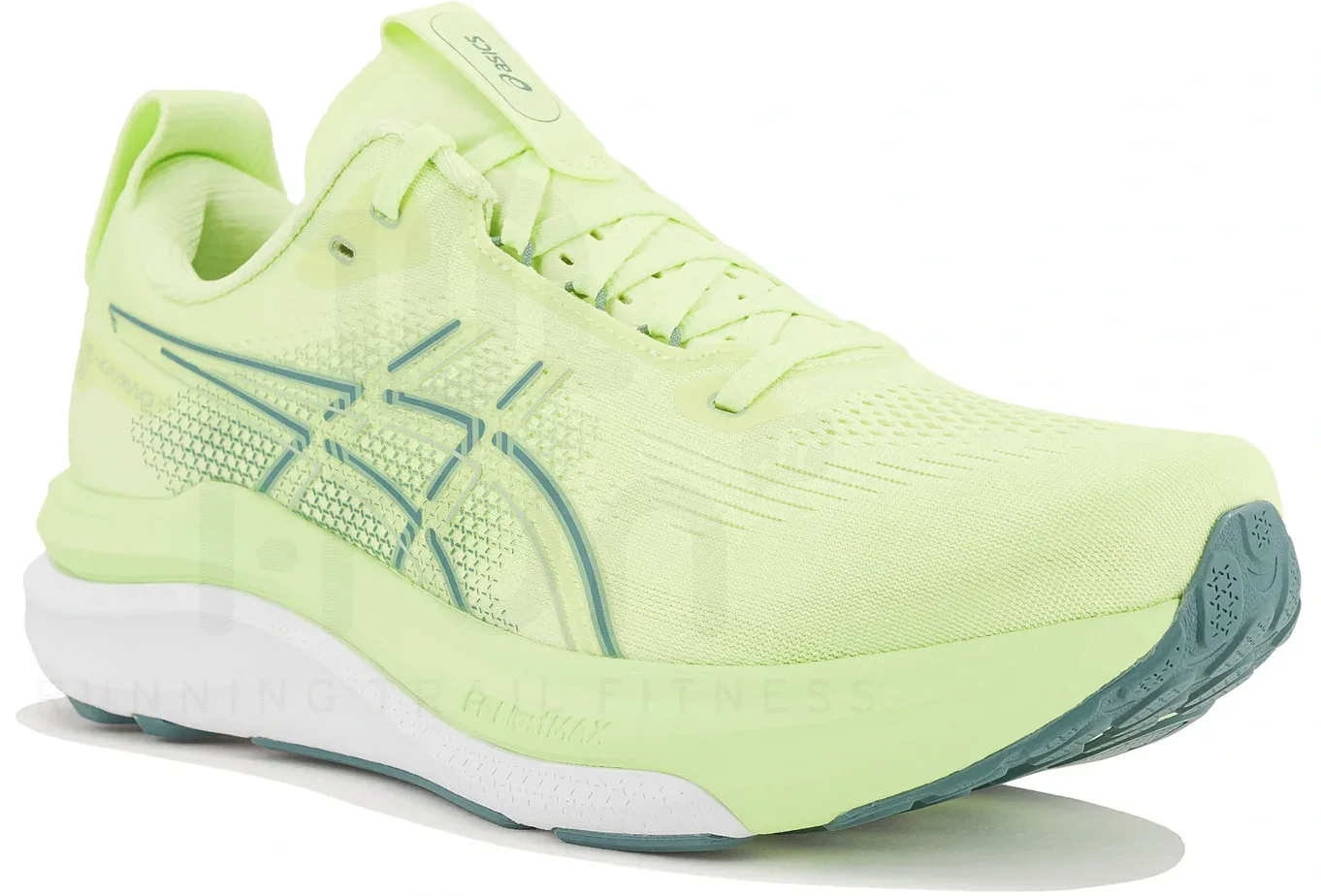
ASICS Gel-Kayano 32 — Best Overall Stability Shoe

ASICS Gel-Kayano 32 stability running shoe
Weight: 10.5 oz / 298g (men’s size 9) Drop: 8mm (first time in Kayano history) Stack: 40mm heel / 32mm forefoot Stability: 4D Guidance System Price: ~$165

The Kayano has been ASICS’s flagship stability shoe since 1993. Version 32 is the most significant update the shoe has seen in years. For the first time ever, ASICS dropped the heel-to-toe offset down to 8mm, added 2mm of foam to the forefoot, and updated the heel geometry to create the smoothest transition this shoe has ever had. If you have been in an older Kayano and found the heel landing clunky, this version fixes that.

The 4D Guidance System is what sets the Kayano apart in the stability category. Instead of a rigid medial post, ASICS uses an adaptive foam structure in the midsole that responds differently depending on how hard you land and where. When you start to roll inward it provides resistance. When you are landing neutrally it stays out of the way. The result is support that feels natural rather than corrective, which is a much more comfortable experience over long miles.

At 40mm in the heel this is a genuinely maximalist shoe. You have a lot of foam between your foot and the ground and it holds up well over marathon training distances. The ASICS Hybrid ASICSGRIP outsole provides solid traction on wet roads, which is something overpronators need to think about since the lateral edge of the shoe contacts the ground first. The Kayano 32 has earned the American Podiatric Medical Association seal of acceptance, which matters for runners dealing with foot related issues. Reviewers across the board agree: this is one of the best stability trainers currently available.

Check Price on Amazon

What Works

  • 4D Guidance System adapts to how hard you land rather than blocking every stride
  • New 8mm drop is the smoothest heel transition in Kayano history
  • 40mm heel stack handles marathon training distances comfortably
  • Available in standard, wide, and extra-wide widths
  • ASICS Hybrid GRIP outsole performs well on wet pavement
  • APMA Seal of Acceptance for foot health

Watch Out For

  • 10.5 oz is on the heavier side for daily training
  • Not the right pick for speed work or tempo runs
  • At $165 it is one of the pricier options on this list
  • Runners coming from a 10mm+ drop should transition gradually to the new 8mm
#2
Moderate Stability · Mild to Moderate Overpronation

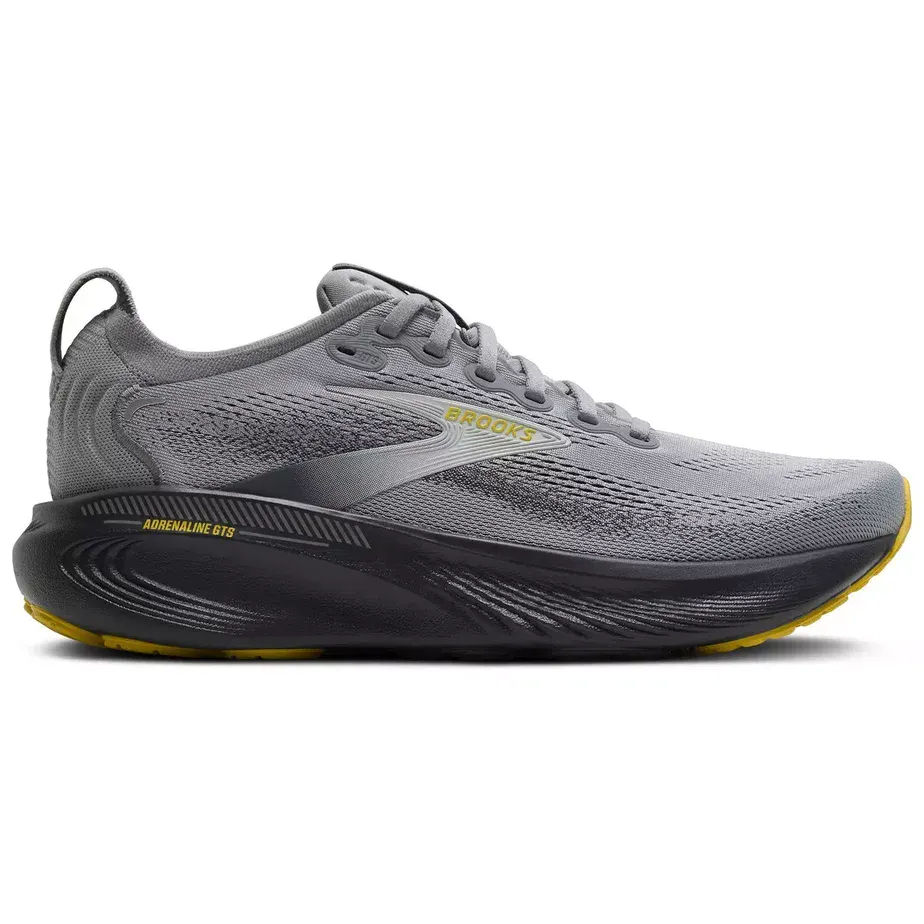
Brooks Adrenaline GTS 25 — Best Daily Trainer for Overpronators

Brooks Adrenaline GTS 25 stability running shoe
Weight: 10.6 oz / 301g (men’s size 9) Drop: 10mm (down from 12mm in GTS 24) Stack: 37mm heel / 27mm forefoot Stability: GuideRails + Medial Post Price: ~$155

The Adrenaline GTS has been the most trusted stability shoe in running for a long time. This 25th anniversary version is the biggest update in several years. Brooks lowered the drop from 12mm to 10mm, added 3mm of cushion in the forefoot and 1mm in the heel, and gave the shoe its smoothest heel bevel yet. If you have run in an older Adrenaline and wished it felt a little less like a brick under the heel, the GTS 25 is noticeably better in that department.

The GuideRails system is what Brooks uses instead of a traditional medial post. Firmer foam runs along both sides of the heel, like bumpers on a bowling lane. If you start rolling in one direction it catches you. If your stride is centered it stays quiet. Brooks also includes a medial post in the heel and midfoot on the GTS 25, which makes the medial support more assertive than the GuideRails alone. For mild to moderate overpronators this combination is very reliable.

Where the Adrenaline earns its reputation is on long easy runs and marathon training weeks where you need the support to hold up for two or three hours. It is not an exciting shoe. It is not going to make you feel fast. But it is the kind of shoe that gets out of the way and lets you log your miles without worrying about your form breaking down and your knee starting to talk to you at mile 16. For more on what makes a good stability shoe for training builds, take a look at the full stability shoes guide.

Check Price on Amazon

What Works

  • GuideRails plus medial post gives reliable support that holds up over long miles
  • New 10mm drop and improved heel bevel makes transitions noticeably smoother
  • DNA Loft v3 nitrogen-infused foam is durable and consistent mile after mile
  • Available in standard, wide, and extra-wide for men and standard and wide for women
  • RoadTack rubber outsole grips wet roads well
  • 25-year track record means Brooks has refined every detail

Watch Out For

  • Foam is firm rather than plush, which some runners find uninspiring underfoot
  • Not a speed shoe, energy return is low
  • Upper can absorb water and feel heavy on rainy runs
  • The medial support takes 30 to 40 miles to fully break in
#3
Mild Stability · Mild Overpronation · Best Lightweight Option

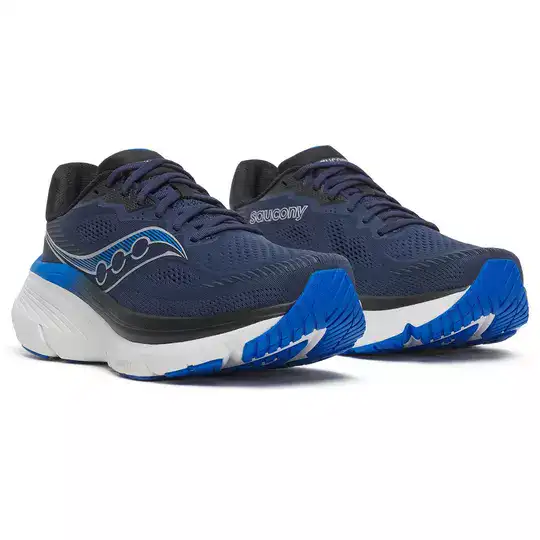
Saucony Guide 18 — Best for Runners Who Want Support Without the Weight

Saucony Guide 18 stability running shoe
Weight: 9.6 oz / 272g (men’s size 9) Drop: 6mm Stack: 35mm heel / 29mm forefoot Stability: CenterPath Technology Price: ~$140

The Saucony Guide is the shoe I point runners toward when they tell me they tried a stability shoe and hated how heavy and stiff it felt. At 9.6 ounces the Guide 18 is the lightest shoe on this list by a meaningful margin. The 6mm drop gives it a more natural feel than most traditional stability shoes. And Saucony’s CenterPath technology takes a completely different approach to support than the old rigid post method.

CenterPath uses three things working together: raised sidewalls that act like bucket seats for your foot, a wide stable platform, and an asymmetrical midsole profile with extra foam on the medial side. None of it feels heavy or intrusive because there is no hard plastic or dense post creating resistance. The stability comes from the geometry of the shoe rather than a physical barrier. Runners who have always been told they overpronate but hate stability shoes tend to get on well with the Guide 18 because it does not feel like a corrective device.

The honest limitation here is that CenterPath is mild support. If you are a significant overpronator with real mileage related injuries, this may not give you enough correction. But for mild overpronation it is an excellent shoe and the extra versatility from the lower weight means you can use it for faster runs and tempo days in a way the Kayano or Adrenaline do not allow.

Check Price on Amazon

What Works

  • 9.6 oz is genuinely light for a stability shoe — versatile enough for tempo days
  • CenterPath technology guides without feeling stiff or corrective
  • 6mm drop has a natural feel that suits midfoot and forefoot strikers
  • Wide spacious toe box fits a variety of foot shapes without squeezing
  • XT-900 carbon rubber outsole is durable and grips dry roads well
  • $140 is good value for what you get

Watch Out For

  • Mild stability only, not enough for significant overpronation
  • PWRRUN EVA foam is not particularly bouncy or energetic
  • Traction on very wet or slippery surfaces is average at best
  • 6mm drop requires transition time if you are coming from a 10mm or 12mm shoe
#4
Mild to Moderate Stability · Best for Cushion-First Runners

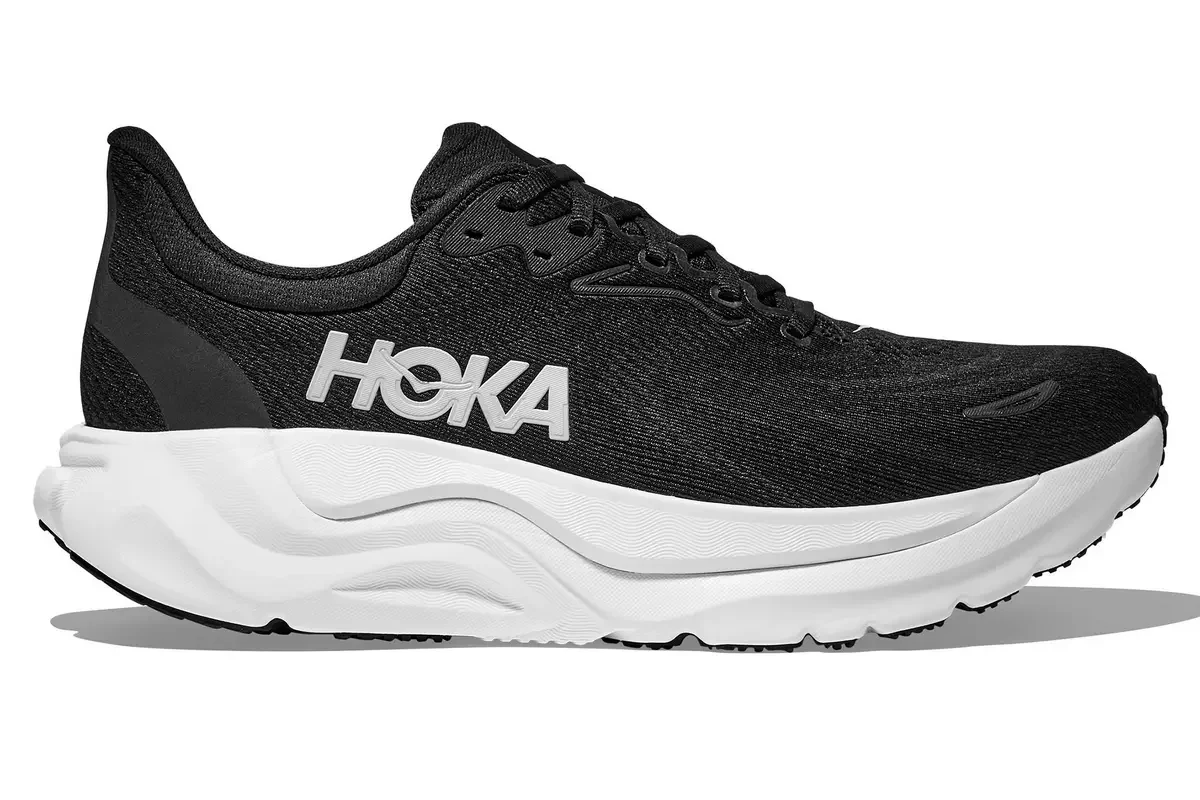
Hoka Arahi 8 — Best for Runners Who Want Cushion AND Support

Hoka Arahi 8 stability running shoe
Weight: Approx. 9.9 oz (men’s) Drop: 8mm Stack: ~39mm heel Stability: H-Frame Technology Price: ~$155

The Arahi 8 is a big improvement over the Arahi 7, which had a reputation for being too firm and not cushioned enough. Hoka addressed both of those complaints directly in version 8. The stack height went up to nearly 39mm, the foam is noticeably softer, the heel drop moved from 5mm up to 8mm to make it more accessible for heel strikers, and Hoka switched from the J-Frame to the H-Frame stability system which gives a wider, more stable platform.

The H-Frame wraps firmer foam around the heel and up both the medial and lateral sides of the shoe. It cradles your foot in the center of the cushioning rather than pushing it from one side. The effect is a shoe that feels like a Hoka (big stack, smooth rocker, plush underfoot) but with meaningful overpronation control built into the geometry. Runners who tried Hokas and loved the feel but found them unstable will likely find that the Arahi 8 is the answer.

If you are already a Hoka person and you have been running in something like the Clifton, this is the natural move if overpronation has been causing issues. The ride character is familiar. The support is real. The trade-off is that the cushioning is protective rather than bouncy. Like most stability shoes it is made for comfortable miles rather than fast ones. For anyone building their training around the kind of plans covered in the Training hub, the Arahi 8 fits the easy and long run days extremely well.

Check Price on Amazon

What Works

  • Big improvement over Arahi 7 with softer foam and larger stack
  • H-Frame gives stable guidance without feeling like a corrective device
  • Hoka MetaRocker geometry makes easy and long runs feel effortless
  • 8mm drop is now accessible for traditional heel strikers
  • Works well for all-day standing and walking as well as running
  • Available in wide widths for broader feet

Watch Out For

  • Traction on wet surfaces is average, use caution on rainy days
  • Warm upper, breathability is below average in hot weather
  • Not as versatile for faster runs as the Guide 18
  • Snug fit in the midfoot, wider feet should size up or choose the wide version
#5
Moderate to High Stability · Significant Overpronation · Wide Feet

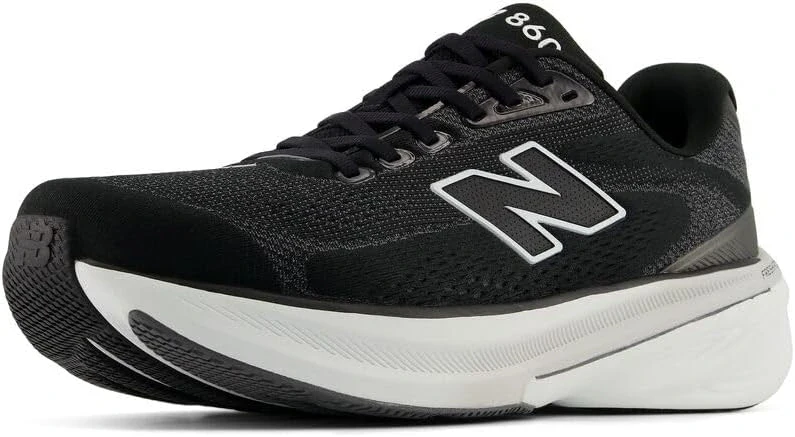
New Balance Fresh Foam X 860v14 — Best for Significant Overpronation

New Balance Fresh Foam X 860v14 stability running shoe
Weight: 10.5 oz / 298g (men’s size 9) Drop: 8mm Stack: 38mm heel / 30mm forefoot Stability: Stability Plane (full-length medial wedge) Price: ~$140

When someone tells me they have significant overpronation and they have tried lighter stability shoes without enough relief, the 860v14 is where I point them next. New Balance uses a Stability Plane in the midsole of this shoe, which is a full-length plate that runs from the heel all the way through the forefoot with a firm inner side and a more flexible outer side. It is the most assertive overpronation correction on this list and it is the right shoe when the others have not been enough.

The Fresh Foam X midsole is soft and protective while the Stability Plane does its job underneath without creating an uncomfortable hard ledge sensation. The stack went up significantly in this version with 38mm in the heel and 30mm in the forefoot. It is a plush shoe with real structural support, which is a combination that is genuinely hard to find in the stability category. Independent reviewers consistently note that the support feels well-integrated rather than tacked on.

New Balance also builds this shoe in narrow, standard, wide, and extra-wide versions. For overpronators who also deal with wide feet that is a major practical advantage. It is also worth noting that this shoe has earned the APMA seal of acceptance, which matters for runners dealing with plantar fasciitis or other foot-specific concerns. For more on pairing the right shoe with arch support needs, the arch support guide covers this in detail.

Check Price on Amazon

What Works

  • Full-length Stability Plane is the most assertive medial correction on this list
  • Fresh Foam X keeps the ride soft despite the structural support
  • Available in four widths including extra-wide, rare in stability shoes
  • 38mm heel stack handles high mileage training without bottoming out
  • APMA seal of acceptance for foot health
  • $140 is solid value for the level of support you are getting

Watch Out For

  • Upper can feel slightly scratchy, best worn with socks always
  • Not versatile for faster runs, the weight and support make it a slower shoe
  • Runners with narrow feet may find the fit too loose even when laced down
  • Outsole traction on very loose surfaces like gravel is average
At a Glance

Quick Comparison

ShoePriceWeightDropSupport LevelBest ForBuy
ASICS Gel-Kayano 32 Top Pick~$16510.5 oz8mmModerate to HighBest overall, marathon trainingAmazon
Brooks Adrenaline GTS 25~$15510.6 oz10mmModerateEveryday miles, heel strikersAmazon
Saucony Guide 18~$1409.6 oz6mmMildLightweight, versatile, mild overpronationAmazon
Hoka Arahi 8~$155~9.9 oz8mmMild to ModerateCushion-first runners, Hoka fansAmazon
NB Fresh Foam X 860v14~$14010.5 oz8mmModerate to HighSignificant overpronation, wide feetAmazon

Not sure which is right for you?

Find Your Match in 90 Seconds

The five shoes above cover a range of support levels, foot types, and running goals. If you want a recommendation specific to your arch type, weekly mileage, and injury history, answer 7 quick questions and the Shoe Finder will narrow it down.

Take the Shoe Finder →

Free to use. No account or email needed.

Buying Guide

How to Choose the Right Stability Shoe for Your Situation

Match the Support Level to Your Degree of Overpronation

This is the most important thing you can do. Using a heavy stability shoe when you only mildly overpronate can actually create problems by overcorrecting your gait. Using a mild stability shoe when you need real support will leave you right back where you started. The general guide is: mild overpronation pairs well with something like the Saucony Guide 18. Moderate overpronation is where the Kayano 32 and Adrenaline GTS 25 live. Significant overpronation needs the New Balance 860v14 or a similar shoe with a firm medial post.

Think About What Kind of Running You Do

All five shoes on this list are daily trainers, not race shoes. If you do a mix of easy runs, long runs, and some tempo work, the Saucony Guide 18 gives you the most versatility because it is light enough not to drag you down on faster days. If almost all of your miles are easy and recovery paced, the Kayano 32 or Arahi 8 will feel more comfortable because they prioritize cushioning. If you are training specifically for a marathon and logging 40 to 50 miles a week, durability becomes important and the Adrenaline GTS 25 and 860v14 both hold up well over those kinds of volumes.

Do Not Skip the Width Question

Overpronators often have feet that splay wider during the gait cycle. A shoe that is too narrow in the forefoot forces your toes together and actually makes your foot less stable, which defeats the whole purpose. If you have ever finished a long run with your toes pressing painfully against the sides of your shoe, width is likely part of your fit problem. New Balance is the standout here for width variety but Brooks and ASICS also carry wide options across their stability lines.

Rotate Your Shoes

This is something I tell every runner I coach. Running in the same pair of shoes every day compresses the midsole foam faster and does not give it time to recover between sessions. A two-shoe rotation gives each pair roughly 40 percent more life and your legs get the benefit of slightly different foam properties on different days. If budget allows, pairing a stability daily trainer with a neutral shoe for easy days is a great combination. The neutral shoe guide is a good place to start for finding the right complement.

Replace on Schedule

The stability features in these shoes depend on the midsole foam maintaining its structure. Once the foam compresses past a certain point the guidance system stops working properly even if the upper looks fine. Plan to replace between 400 and 500 miles. If recurring aches that had been quiet start coming back before you hit that mark, check the outsole by setting the shoe on a flat surface. If it tilts inward the foam is gone and it is time for a new pair regardless of miles.

Common Questions

FAQ

What is overpronation and how do I know if I have it? +

Overpronation means your foot rolls inward more than it should after it hits the ground. Some inward roll is completely normal and actually helps absorb shock. The problem is when it goes too far.

The easiest way to check at home is to look at an old pair of running shoes. If the inside edge of the heel and the area under your big toe are worn down more than the rest of the sole, that is a strong sign. For a more reliable answer, any specialty running store will watch you jog and tell you exactly what your foot is doing in about five minutes.

Do I need a stability shoe if I overpronate? +

Not always. If you overpronate mildly and you have been running pain free for years, a neutral shoe might be working fine for you already. Where stability shoes become important is when the overpronation is causing real problems: shin splints, knee pain on the inside of the knee, arch pain, or recurring plantar fasciitis.

If any of those sound familiar, a stability shoe is worth trying. The research on this has evolved and modern guidance focuses more on what keeps you injury free than on correcting your gait to look perfect on camera.

What is the difference between a medial post and GuideRails? +

A medial post is a denser piece of foam on the inner side of the midsole. It resists compression and creates a physical barrier that slows the inward roll. More assertive and more noticeable underfoot.

GuideRails, which is what Brooks uses, places firmer foam on both sides of the heel rather than just the inside. The idea is that the shoe keeps the foot centered rather than blocking it from one direction. It tends to feel more subtle and is less likely to feel intrusive for mild overpronators. Both approaches work well when matched to the right degree of overpronation.

Can overpronation cause knee pain? +

Yes. When the foot rolls inward excessively the whole lower leg rotates inward with it. That rotation puts stress on the inside of the knee with every stride. Over the course of a long run or a high mileage week it adds up. Shin splints, IT band syndrome, and medial knee pain are all common results.

This does not mean overpronation is a defect that needs fixing in some dramatic way. It means the foot needs support to distribute those forces properly rather than concentrating them in one spot.

Should I get a gait analysis before buying a stability shoe? +

Yes and it does not cost anything at a specialty running store. They will watch you run and tell you whether you actually overpronate, how much, and what kind of shoe will help. This matters because a heavy stability shoe on a runner who does not need it can actually create problems by pushing the gait in an unintended direction.

The five minutes you spend getting analyzed will save you a lot of guessing and potentially save you from buying the wrong shoe twice.

How long do stability running shoes last? +

Plan for 400 to 500 miles. The midsole foam compresses over time and loses its ability to guide your foot properly. You might not see it but you will feel it when your legs start fatiguing earlier than usual or familiar aches start coming back.

Track your mileage in Strava or your training log and start thinking about replacement around 400 miles. If the shoe tilts inward when you set it on a flat surface, the foam is gone regardless of how many miles you have run in it.

Can I run a marathon in a stability shoe? +

Absolutely. For runners who overpronate, a stability shoe is often the smarter choice for marathon training because the support holds up better when your form breaks down in the later miles of long runs.

The ASICS Gel-Kayano 32 and Brooks Adrenaline GTS 25 are both popular marathon training shoes. Neither is fast by modern standards but both will protect you through 18 to 20 mile long runs in a way that matters. For race day itself, many overpronators use a lighter stability shoe like the Saucony Guide if they have trained enough miles in it.

Is it okay to wear a stability shoe if I have a neutral gait? +

Yes for the most part. Modern stability shoes like the Kayano 32 and Saucony Guide 18 use adaptive systems that work with your foot rather than forcing it into a position. If you do not overpronate the shoe still functions as a well-cushioned daily trainer.

The only situation where it can cause a problem is very aggressive motion control shoes on a runner who supinates. In that case the internal structure can push the foot further in the wrong direction. For mild to moderate stability shoes on a neutral runner, there is no real downside.

Quick Answer

If You Only Read One Thing

For most runners dealing with mild to moderate overpronation, start with the ASICS Gel-Kayano 32. It is the most refined and well-rounded stability shoe currently available, it works for a wide range of overpronation levels, and the new 8mm drop and updated heel geometry make it more comfortable than any previous version. It earns its place as the top pick here.

If you want something that feels a little less structured and more like a regular daily trainer, the Brooks Adrenaline GTS 25 is the shoe that has earned its reputation over 25 years for a good reason. It is reliable, durable, and the support holds up over marathon-level training volumes. For runners who have tried both and still feel like they are not getting enough correction, the New Balance 860v14 has the most assertive support on this list and the widest range of widths for feet that spread under load.

See ASICS Gel-Kayano 32 on Amazon →

Similar Posts