Best Knee Brace for Running in 2026: Sleeves, Straps and Support Picks
The best knee support for running is the lightest option that matches a clearly understood need. A sleeve may add compression and warmth. A patellar strap applies pressure below the kneecap. A hinged brace provides much more mechanical support. They are not interchangeable, and none of them can diagnose or fix the cause of knee pain.
Quick answer
Choose UFlex if you only want a simple compression sleeve. Compare NEENCA ACE-51 when you want firmer compression and flexible side stabilizers. Consider an IPOW strap only for targeted pressure below the kneecap. Hinged braces belong in a clinician-guided return to activity.

Best Simple Compression Sleeve
UFlex Athletics Compression Sleeve
A low-bulk sleeve for a runner who has already decided that light compression is appropriate. It allows more natural knee movement than the stabilized and hinged options below.
Do not expect it to stabilize a knee that gives way. Compression may feel comfortable, but that is different from correcting the cause of pain.
Stop and get medical advice if you cannot put weight on the leg, the knee is badly swollen or misshapen, it locks or gives way, or you cannot fully move it. Redness and heat with fever or feeling unwell need urgent assessment.
This guide provides general shopping information, not a diagnosis or treatment plan. RunningGearLab may earn a commission from links on this page, at no extra cost to you. We have not personally run in every brace listed.
Shop this guide
Choose supportQuick picksCompareFull reviewsFit and testingWhat evidence saysFAQ
Last reviewed October 2026
Start here
Choose by the support you actually need
You only want compression
Start with a thin sleeve such as UFlex. Treat it as comfort and sensory feedback, not meaningful side-to-side stability.
You want firmer flexible support
NEENCA ACE-51 combines thicker compression, a patella pad and flexible side stabilizers. It is still not a rigid brace.
You were assessed for patellar tendon pain
A small infrapatellar strap may reduce pain during activity for some people in the short term. It does not heal the tendon.
Your knee is unstable or you are returning from injury
Ask the clinician directing your return whether a hinged brace is appropriate and which level of restraint you need.
Quick shopping picks
These first three are the most practical products to compare for running. The hinged options are listed separately because they solve a different problem.
Best Light Sleeve
UFlex Athletics Compression Sleeve
Light compression with little bulk behind the knee.
Best Flexible Support
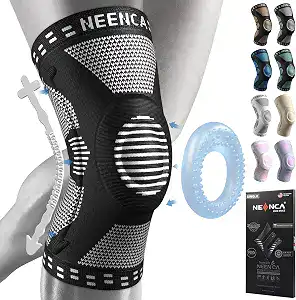
NEENCA ACE-51
A thicker knit, patella pad and flexible side stabilizers.
Best Patellar Strap

IPOW Patella Knee Strap
Targeted pressure below the kneecap without covering the whole joint.
Five knee braces and supports for running Reviews
The reviews focus on construction, fit and the situations each design is meant to address. They do not match products to a diagnosis.
#1 Best Light Sleeve
UFlex Athletics Compression Sleeve
Simple compression when you want minimal bulk
Type: Compression sleeve
Structure: Light
Material: Nylon, polyester, elastodiene and spandex
UFlex is the easiest design here to run in because it has no straps, patella pad or hinges. Pull it on, smooth the fabric and check that it does not bunch behind the knee.
The manufacturer describes it as a compression sleeve and publishes a measurement chart based on circumference. If you fall between sizes, it recommends choosing the larger one. Use that chart instead of your normal clothing size.
Keep expectations realistic. A sleeve can add warmth, compression and awareness around the joint. It does not provide the mechanical side-to-side control of a hinged brace, and product marketing claims about healing should not replace medical assessment or rehabilitation.
What works
- Low bulk
- No straps or rigid parts
- Full knee movement
- Published measurement chart
Know before buying
- Little mechanical stability
- May roll when sized incorrectly
- Can feel warm
- Comfort does not identify the cause of pain
Best for: a runner who wants light compression after deciding that a sleeve is appropriate, not someone whose knee locks or gives way.
#2 Best Flexible Support
NEENCA ACE-51 Professional Knee Brace
More structure than a basic sleeve without rigid metal hinges
Type: Stabilized compression sleeve
Structure: Medium
Features: Patella gel pad and flexible side stabilizers
ACE-51 sits between a thin sleeve and a true hinged brace. Its thicker knit, contoured patella pad and flexible TPEE side stabilizers create a firmer feel while allowing the knee to bend.
NEENCA says to measure the thigh 14 cm above the centre of the kneecap. The brace should feel snug without pinching, numbness, tingling or restricted circulation. It also contains latex, which matters for anyone with a latex allergy or sensitivity.
This is the product to compare with UFlex when compression alone feels too minimal. It is warmer and bulkier, so test it during walking and a short easy run before relying on it for distance.
What works
- More structure than a basic sleeve
- Flexible rather than rigid stabilizers
- Patella pad
- Several sizes and colours
Know before buying
- Contains latex
- Warmer and bulkier
- Sizing method is brand specific
- Still not a rigid stability brace
Best for: someone who wants a firmer compression wrap and flexible side support, but has no indication that rigid hinges are required.
#3 Best Patellar Strap
IPOW Two-Pack Patella Knee Strap
Targeted pressure below the kneecap with very little material
Type: Infrapatellar strap
Structure: Targeted pressure
Fit: Adjustable
IPOW leaves most of the knee uncovered. The strap sits below the kneecap and can be adjusted without removing a full sleeve, which makes it less hot and less restrictive.
The evidence applies to a specific situation. A randomized trial involving athletes with diagnosed patellar tendinopathy found short-term pain reductions with a patellar strap during some activities. The study did not show that straps heal the tendon, and pain below the kneecap is not enough to diagnose patellar tendinopathy yourself.
Placement and pressure matter. Tightening until the area feels numb or irritated is not better support. Stop and reassess if the strap increases pain or changes your stride.
What works
- Very little bulk
- Easy to adjust
- Leaves the kneecap uncovered
- Two straps included
Know before buying
- No lateral stability
- Placement matters
- Can irritate skin when overtightened
- Not relevant to every type of knee pain
Best for: a runner who specifically wants a low-bulk infrapatellar strap after the reason for using one is understood.
#4 Best Premium Hinged Brace
Bauerfeind GenuTrain S
Rigid side splints and straps for professionally guided stability support
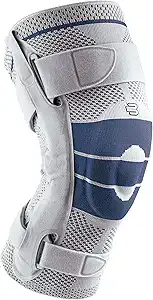
Type: Medical knee brace
Structure: High
Features: Rigid plastic hinges, straps and patella pad
GenuTrain S is a different category from the first three products. Bauerfeind uses rigid lateral joint splints connected to adjustable straps, plus a ring-shaped pad around the kneecap. The Canadian product page lists slight instability and knee arthritis among its indications.
That does not make it the automatic upgrade for ordinary running soreness. It makes it a product to consider when a physiotherapist, sports-medicine clinician or doctor has recommended this degree of stabilization.
The premium price pays for a more refined knit, anatomical bars and a broad sizing system. Measure carefully and confirm whether the splints or straps need professional adjustment.
What works
- Rigid lateral splints
- Adjustable strap system
- Breathable medical-grade knit
- Detailed sizing range
Know before buying
- Expensive
- More brace than most runners need
- Noticeable during running
- Should match a clinician-guided plan
Best for: a runner who has been assessed and advised to use a higher-support hinged brace.
#5 Best Maximum Support
Shock Doctor Ultra Knee Support with Bilateral Hinges
A bulky bilateral-hinge design for higher stability needs
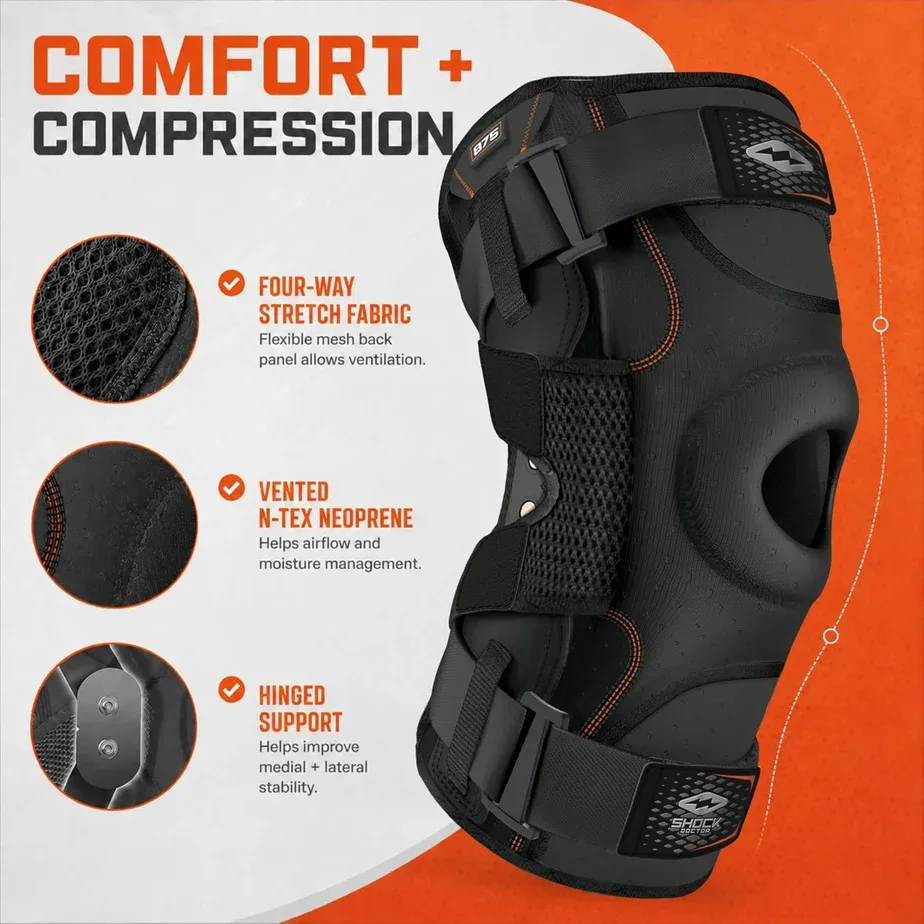
Type: Bilateral hinged brace
Structure: Maximum
Features: X-Fit wrap and hyperextension stops
Shock Doctor rates this as Level 3 maximum protection. It uses bilateral hinges, hyperextension stops and a crossing strap system to provide far more mechanical support than a sleeve.
That construction is also why it is the least natural product here for ordinary running. It uses neoprene and wraps much more of the joint, so heat and bulk are real tradeoffs.
If instability is severe enough that this design appears necessary, the injury should already be assessed. Do not use maximum support as permission to continue normal training on a knee that locks, gives way or remains swollen.
What works
- Maximum structure in this guide
- Bilateral hinges
- Adjustable wrap system
- Hyperextension stops
Know before buying
- Bulky for running
- Warm neoprene construction
- Can alter normal movement
- Not a casual solution for soreness
Best for: higher stability needs when a qualified clinician has recommended a bilateral hinged brace.
How to fit and test a knee brace before running
- Use the product’s exact measurement point. Brands measure at different places above or around the kneecap.
- Wear it while walking first. Check for pinching, bunching and pressure behind the knee.
- Try a short easy run. Do not begin with hills, speed work or your longest run.
- Watch your stride. Stop if the brace makes you limp, shorten one side or hold the knee unnaturally.
- Check circulation and skin. Numbness, tingling, throbbing, unusual colour, a cold foot or persistent skin irritation means the fit is not acceptable.
- Reassess after the run. More pain or swelling is not a sign that you need to tighten the brace or buy a stronger one.
Cold-weather note: Winnipeg winter layers can change fit. Test the brace with the exact tights or base layer you plan to wear, but follow the manufacturer’s directions about whether the product belongs against bare skin.
What the evidence says about knee braces and running pain
A brace is not the standard treatment for runner’s knee
The term runner’s knee often refers to patellofemoral pain, but front-of-knee pain can have several causes. The clinical practice guideline for patellofemoral pain recommends combined hip- and knee-targeted exercise. It advises clinicians not to prescribe patellofemoral braces, sleeves or straps for that diagnosis.
Patellar straps may provide short-term symptom relief
A randomized trial found that patellar straps and sports tape reduced pain during certain tests or shortly after sports for some athletes with patellar tendinopathy. The results support a possible short-term comfort role. They do not show tendon healing or justify self-diagnosing pain below the kneecap.
Higher support should follow assessment
Locking, repeated giving way, major swelling and an inability to bear weight are not shopping questions. They need assessment. If a hinged brace is recommended during recovery, use it alongside the rehabilitation and return-to-running plan, not instead of that work.
How we evaluated these products: We compared support type, bulk, sizing instructions, materials, adjustment and how practical each design is for running. Product construction was checked against current manufacturer information. Medical statements were checked against clinical guidelines and peer-reviewed research. We have not personally run-tested every product, so this guide does not claim that one brace will work for every knee.
Why the ice wrap and copper sleeve are not main picks
An ice wrap is recovery equipment, not a brace to wear while running. Whether cold is appropriate depends on the situation, but it should not be ranked as on-run support.
Copper Compression overlaps with UFlex as another light sleeve. Copper-infused fabric does not change the main buying decision, which is fit, comfort and the limited level of mechanical support a sleeve provides. If you already own a comfortable sleeve, there is no reason to replace it just because another brand ranks first.
Knee brace FAQ for runners
What is the best knee brace for running?
There is no single best brace for every knee problem. UFlex is the simplest light-compression option in this guide, NEENCA ACE-51 adds firmer compression and flexible stabilizers, and IPOW is a targeted patellar strap. Hinged braces should match professional advice.
Can I run with a knee brace?
Sometimes, if the reason for using it is understood and it does not worsen pain or change your stride. Begin with walking and a short easy run. Do not use a brace to run through instability, locking, major swelling or an acute injury.
Is a knee sleeve or patellar strap better?
They do different jobs. A sleeve compresses more of the knee but adds little mechanical stability. A patellar strap applies targeted pressure below the kneecap. The choice depends on why the support is being used.
Can a patellar strap help patellar tendon pain?
A study found short-term pain reduction for some athletes with diagnosed patellar tendinopathy. A strap does not heal the tendon, and pain below the kneecap does not confirm that diagnosis.
Can a knee brace fix runner’s knee?
No. For patellofemoral pain, clinical guidance emphasizes hip- and knee-targeted exercise and does not recommend routinely prescribing braces, sleeves or straps. A qualified professional can help determine the cause of persistent pain.
How tight should a knee brace be?
It should feel secure without numbness, tingling, throbbing, unusual colour, a cold foot or restricted movement. Follow the product’s measurement chart because sizing points differ by brand.
When should I stop running and get my knee checked?
Seek medical advice if you cannot bear weight, the knee is badly swollen or misshapen, it locks or gives way, you cannot fully bend or straighten it, or symptoms worsen while running. Redness and heat with fever or feeling unwell need urgent assessment.
Sources checked: JOSPT patellofemoral pain clinical practice guideline, randomized trial of patellar straps and sports tape, NHS knee-pain urgent advice, plus current manufacturer pages from UFlex, NEENCA, Bauerfeind and Shock Doctor. Product features and availability can change.