6 Best Running Shoes for Heavy Men in 2026: Cushioned & Supportive Picks
If you are over about 200 lb (91 kg), start with the same rule as any runner: the shoe should fit properly, feel steady and stay comfortable once you begin running. You do not automatically need a stability shoe, and the softest shoe is not automatically the best choice.
Quick answer
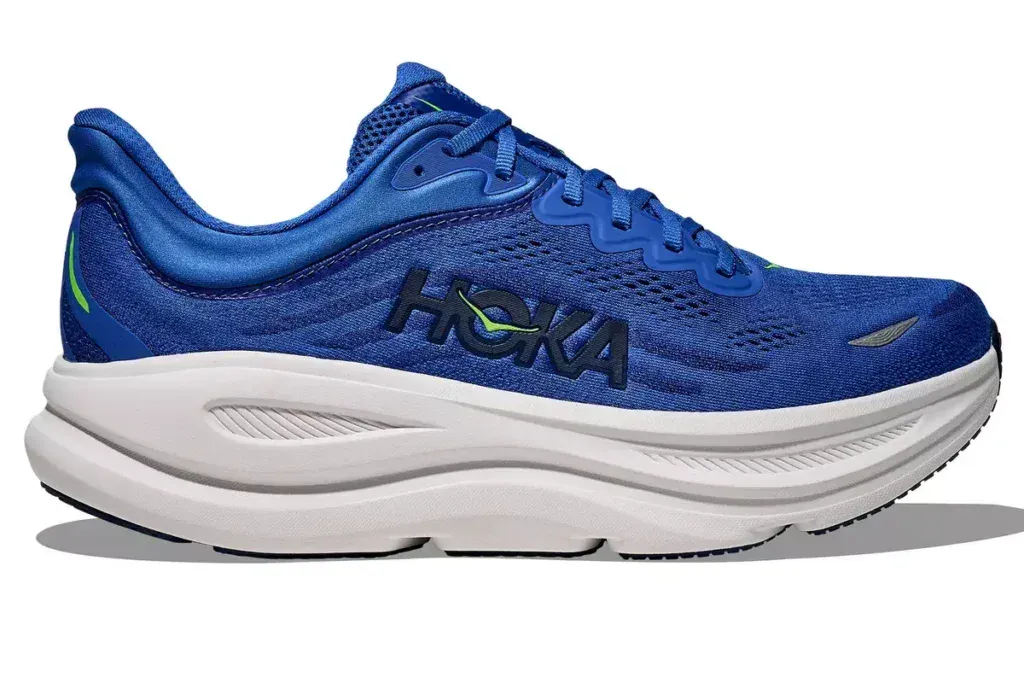
The HOKA Bondi 9 is the best overall place to start if you want a highly cushioned road shoe with a broad platform for easy runs and walking. Choose the ASICS Gel-Nimbus 28 for a softer neutral feel, the Brooks Ghost 18 for a more traditional daily trainer, or the ASICS Gel-Kayano 33 if you already know you prefer stability.
This article contains affiliate links. If you buy through one of our links, we may earn a commission at no extra cost to you.
Choose by what you need
These are all road shoes, but they do not feel alike. Pick the description that sounds closest to the problem you are trying to solve.
Still split between neutral and stability?
Answer a few questions about fit, cushioning, support and training to narrow down the type of shoe that makes sense for you.
How these picks were chosen
This guide focuses on current road shoes for daily training, easy runs, long runs and walking. I looked for a steady platform, secure upper, useful outsole coverage, real width choices and enough cushioning without assuming that taller or softer is always better.
About the numbers: weights are the brands’ listed men’s sample weights and can change by size or colour. Width availability can also vary by colour and retailer.
The 6 best running shoes for heavy men in 2026
Best overall
HOKA Bondi 9
A broad max-cushion shoe that feels more planted than its height suggests
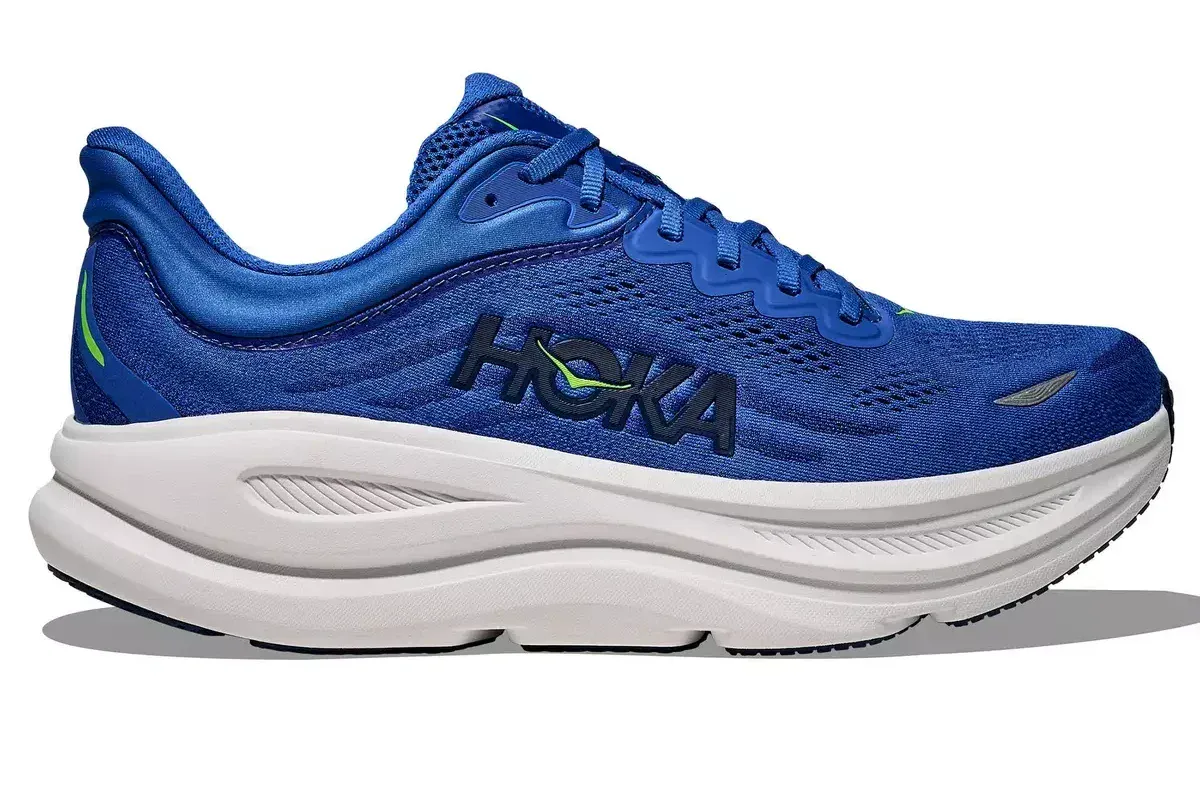
- Support: Neutral
- Cushion: Plush
- Drop: 5 mm
- Weight: 10.5 oz
- Widths: Regular, Wide, X-Wide
Best for: easy road runs, walking and longer steady efforts when you want a lot of cushioning on a broad base.
The Bondi 9 gets the top spot because it combines the features that matter most here without forcing you into a stability shoe. The platform is broad, there is plenty of foam underfoot, and HOKA offers three men’s widths. That makes it a sensible first try for runners who want cushioning without an obviously tippy feel. A broad base does not guarantee a roomy standard fit, so try Wide or X-Wide if your forefoot needs more space.
It is still a large, easy-day shoe. The rocker helps it move forward, but the Bondi is not the pair I would choose for intervals or quick changes of pace. The 5 mm drop can also load your calves differently if every shoe you own is 10 or 12 mm, so work it into your week gradually.
Why it works
- Broad platform for a tall cushioned shoe
- Regular, wide and extra-wide choices
- Plush enough for easy and long runs
- Rocker gives the shoe a smoother roll
Watch for
- Regular-width toe box can feel tapered
- 5 mm drop may need an adjustment period
- More shoe than most runners need for speedwork
Buy it if: you want a plush daily shoe with a wide, steady footprint.
Skip it if: you want a light, flexible trainer or strongly prefer a traditional high drop.
Best soft neutral
ASICS Gel-Nimbus 28
Maximum cushioning for runners who want a soft, comfortable neutral trainer
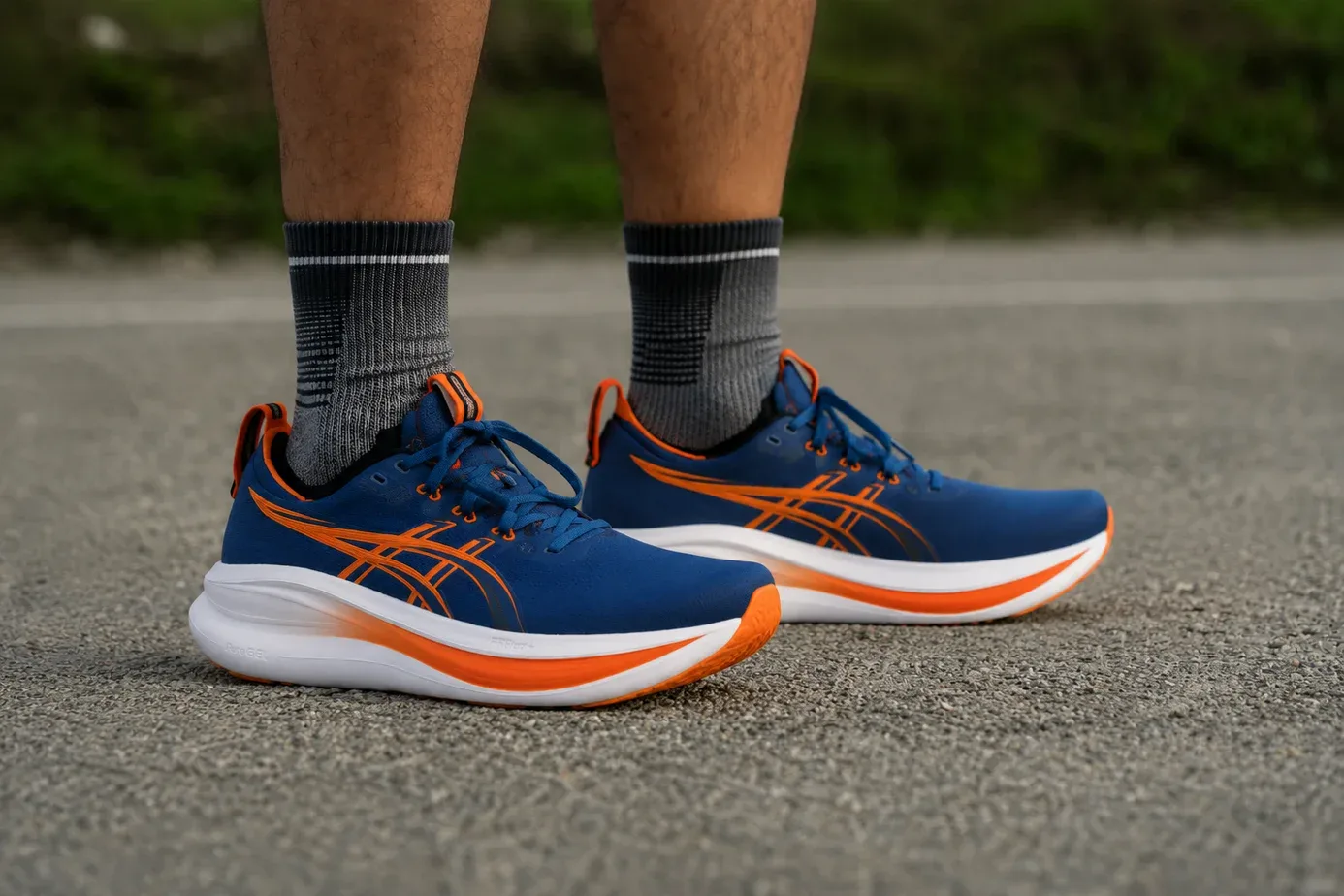
- Support: Neutral
- Cushion: Maximum
- Drop: 8 mm
- Weight: 9.9 oz
- Widths: Wide versions available
Best for: neutral runners who put comfort first and want one cushioned shoe for regular mileage.
The Nimbus 28 is the softer alternative to the Bondi. ASICS lists it as a maximum-cushion neutral shoe, but the 8 mm drop and everyday-trainer shape make it feel less unusual than some oversized recovery shoes. It is a good match for easy runs, walking and long steady outings.
The main question is whether you enjoy a soft ride. More foam can feel protective, but some runners would rather have a firmer platform beneath them. If the Nimbus feels vague when you turn or your heel moves inside the upper, the Ghost 18 is the more traditional neutral option.
Why it works
- Deep cushioning for easy and long runs
- Lighter than several max-cushion alternatives
- 8 mm drop suits many daily-trainer users
- Wide sizing is available
Watch for
- Soft feel will not suit runners who like firm shoes
- Neutral support only
- Not the best use of this shoe for short, fast sessions
Buy it if: you want soft neutral cushioning and a comfortable upper for easy mileage.
Skip it if: you prefer a firmer ride or already know you want structured support.
Best everyday support
Brooks Adrenaline GTS 25
A dependable stability shoe with a familiar fit and several width choices
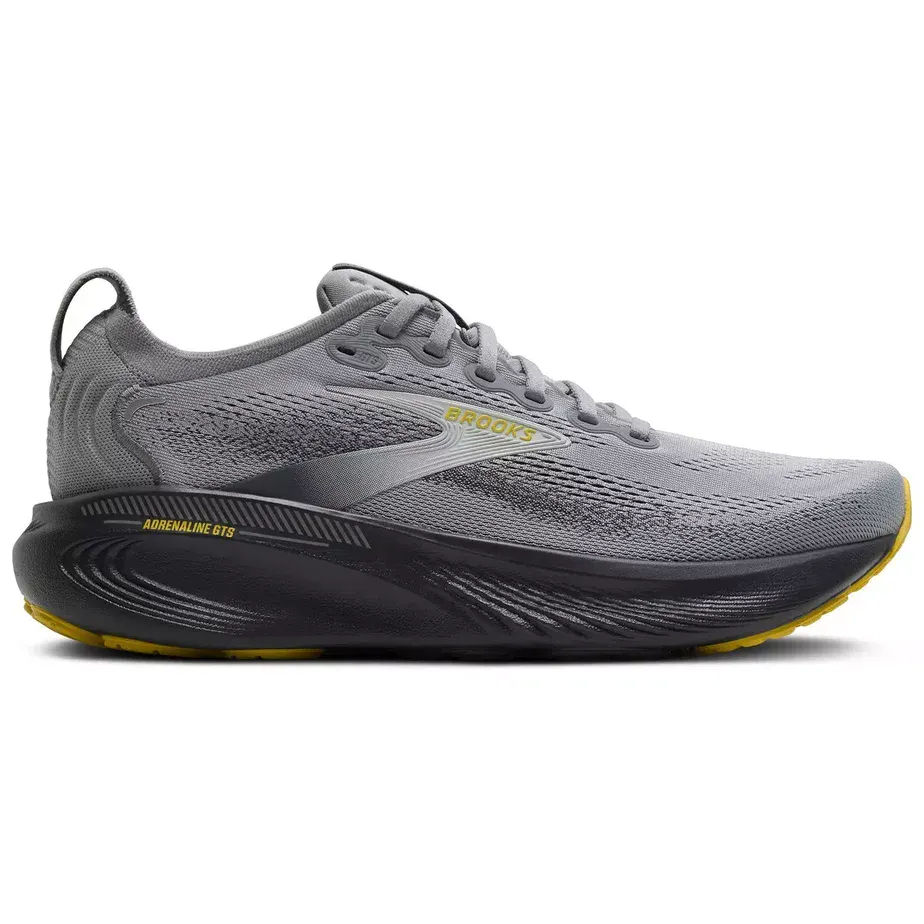
- Support: Structured
- Cushion: Balanced
- Drop: 10 mm
- Weight: 10.6 oz
- Widths: Narrow to Extra Wide
Best for: runners who already prefer guidance or find that neutral shoes feel less steady as a run gets longer.
The Adrenaline GTS 25 is the straightforward support choice. Brooks uses GuideRails rather than a hard medial post, and the shoe still feels like a normal daily trainer. The 10 mm drop is also less of a change for someone coming from older, traditional running shoes.
Fit is one of its biggest strengths. Brooks sells the men’s Adrenaline in a broad range of widths, although the exact choices depend on the colour. That is useful because support does not help if the upper is squeezing your forefoot or your heel is floating around.
Why it works
- Guidance without a hard arch post
- One of the widest size ranges in the guide
- Useful for running and walking
- Traditional 10 mm drop
Watch for
- Heavier than many neutral daily trainers
- Not as plush as the Nimbus or Bondi
- Extra guidance is unnecessary if neutral shoes work well
Buy it if: you want a steady, guided daily trainer with plenty of fit options.
Skip it if: neutral shoes already feel comfortable and you mainly want maximum softness.
Most cushioned stability
ASICS Gel-Kayano 33
A substantial stability shoe for runners who want more cushioning with their guidance
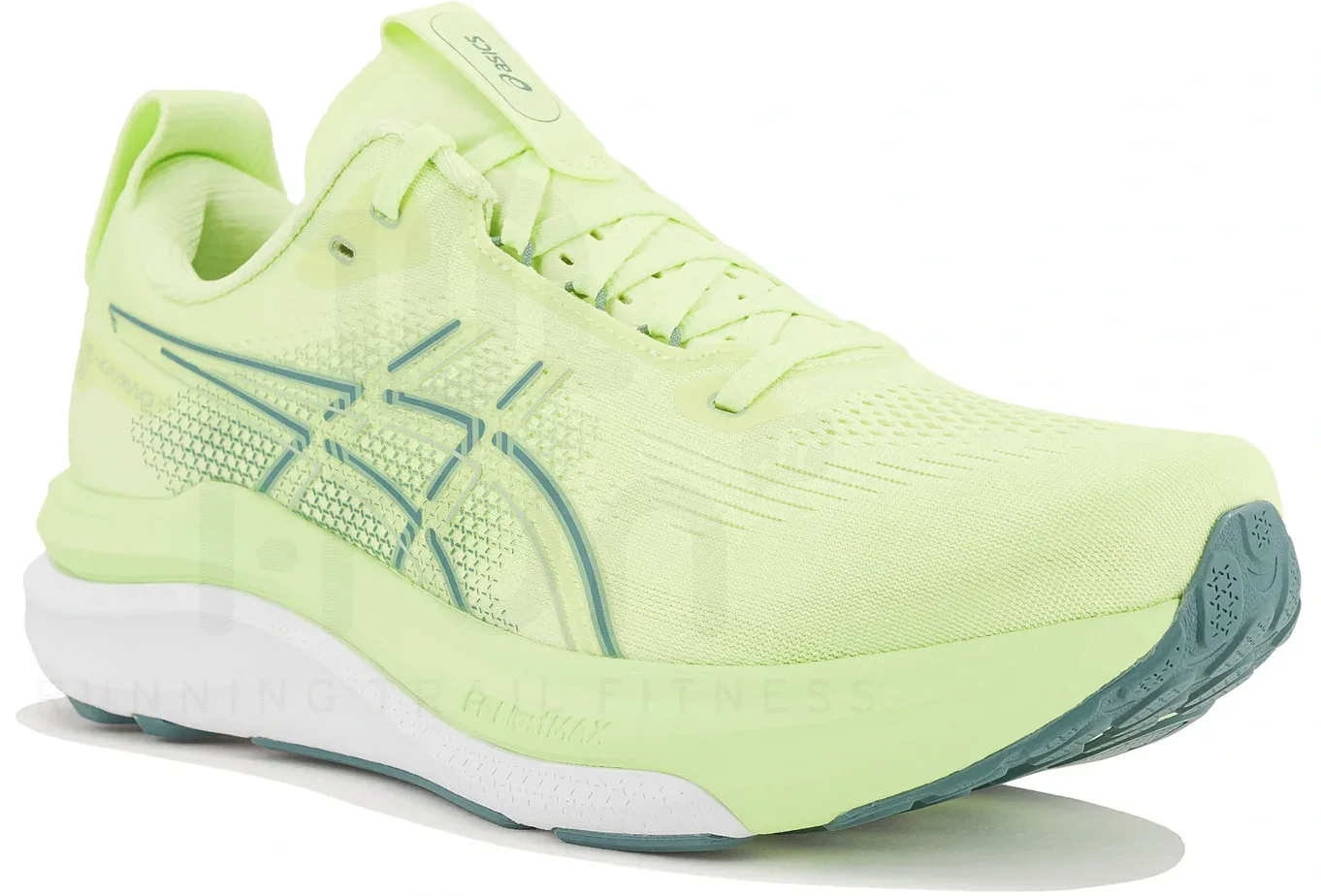
- Support: Stability
- Cushion: High
- Drop: 8 mm
- Weight: 10.5 oz
- Widths: Wide and Extra Wide available
Best for: easy and long runs when you want both high cushioning and noticeable guidance.
The Kayano 33 is the more cushioned stability choice. ASICS uses its FLUIDSUPPORT system to guide the foot while keeping the transition smoother than an old-style firm post. It has more shoe underfoot than the Adrenaline and works best when comfort and guidance matter more than speed.
I would not choose it only because you weigh more. If a neutral shoe already feels comfortable and controlled, stay with neutral. The Kayano makes sense when you know you prefer stability and want a plusher platform than the Adrenaline provides.
Why it works
- High cushioning with structured guidance
- 8 mm drop is easy to fit into many rotations
- Wide and extra-wide versions
- Comfort-focused ride for steady mileage
Watch for
- Can feel like too much shoe for neutral runners
- Not designed for short, fast workouts
- Usually priced above a basic daily trainer
Buy it if: you already like stability shoes and want a more cushioned, substantial ride.
Skip it if: a neutral shoe feels steady or you want something quick and light.
Best traditional neutral
Brooks Ghost 18
A predictable daily trainer for runners who do not want an oversized stack of foam
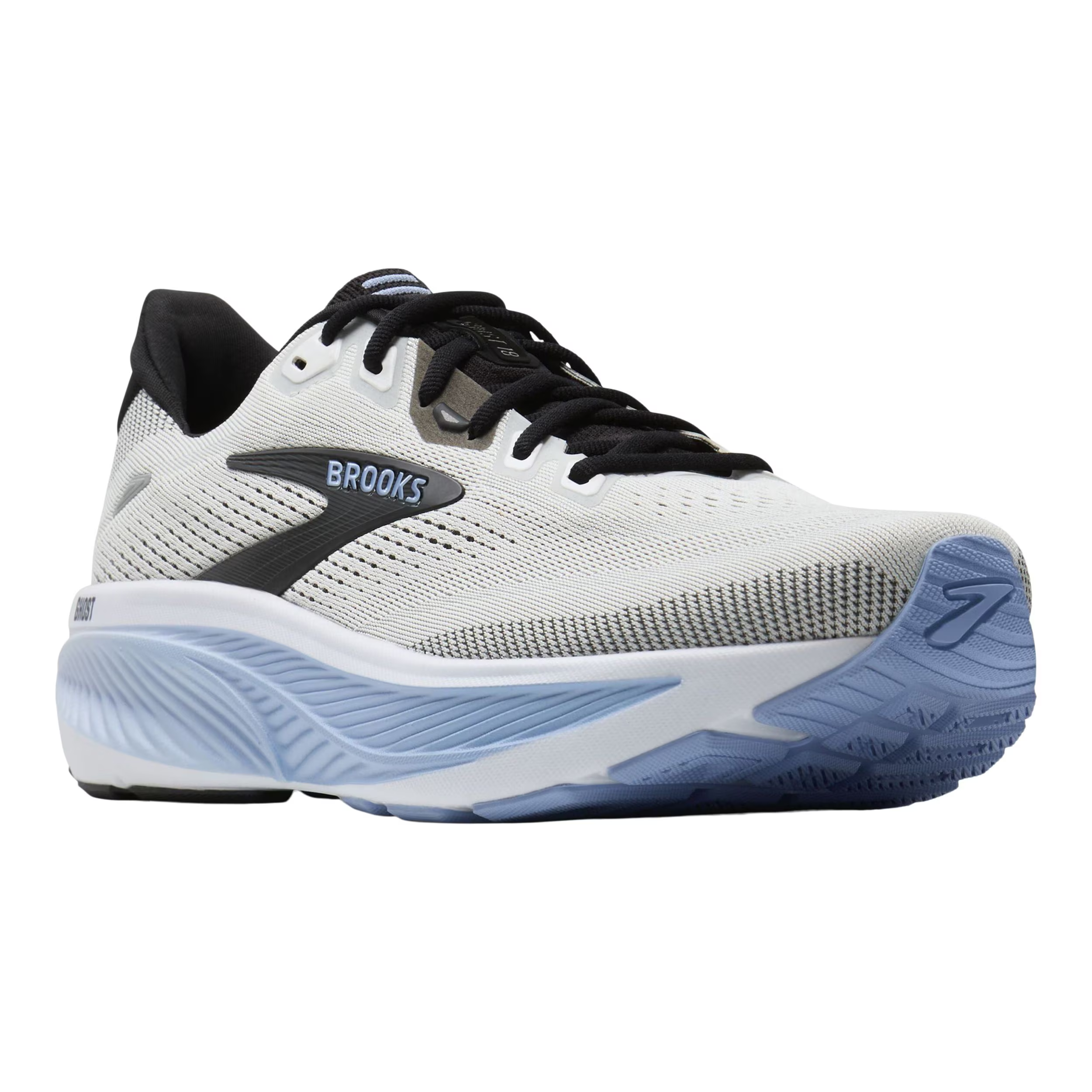
- Support: Neutral
- Cushion: Balanced
- Drop: 10 mm
- Weight: 10.2 oz
- Widths: Narrow to Extra Wide
Best for: daily running, walking, travel and gym use when you want a shoe that feels familiar.
Not every bigger runner wants maximum cushioning. The Ghost 18 is here for the runner who would rather have a normal-feeling daily trainer. It is less bulky than the Bondi, less soft than the Nimbus and does not add the guidance of the Adrenaline.
The ride is not especially dramatic, which is part of the appeal. It works for ordinary mileage and everyday wear, and the broad width range makes it easier to get the fit right. If the Ghost feels too plain or too firm, move back toward the Nimbus or Bondi.
Why it works
- Simple, predictable daily-trainer feel
- Several men’s width choices
- Useful for running, walking and the gym
- Less bulky than the max-cushion picks
Watch for
- Less cushioning than the Nimbus or Bondi
- Not the liveliest choice for faster runs
- Choose the Adrenaline if you prefer guidance
Buy it if: you want a straightforward neutral shoe with a familiar 10 mm drop.
Skip it if: your top priority is a plush feel or structured support.
Softest option with X-wide sizing
New Balance 1080v15
An extra-soft neutral shoe for runners who want cushioning and more width choices
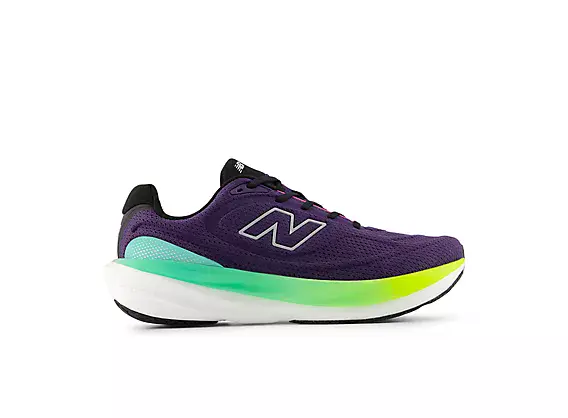
- Support: Neutral
- Cushion: Extra Soft
- Drop: 6 mm
- Weight: 9.2 oz
- Widths: D, 2E and 4E
Best for: neutral runners who actively want a very soft ride and need standard, wide or extra-wide sizing.
The 1080v15 is the most conditional recommendation on this list. New Balance rates its cushioning as extra soft and offers the men’s model in D, 2E and 4E. That combination can work very well if you want more forefoot room and like a shoe that compresses noticeably underfoot.
The same softness can be a drawback. Some bigger runners find very soft shoes less settled, especially around corners or late in a run. Do not choose the 1080 only because it comes in wide sizes. If you want width with a more traditional feel, try the Ghost 18 first. If you want a broader max-cushion platform, try the Bondi 9.
Why it works
- Standard, wide and extra-wide men’s sizes
- Extra-soft feel for easy and long runs
- Lighter than several shoes in this guide
- Useful when forefoot width is the main fit issue
Watch for
- Soft ride can feel vague to some runners
- Neutral support only
- 6 mm drop differs from a traditional 10 or 12 mm shoe
Buy it if: you know you enjoy very soft cushioning and need a 2E or 4E option.
Skip it if: softer shoes feel unstable or you tend to prefer a firmer platform.
How to choose a running shoe when you are over 200 lb
Start with a steady platform
A tall stack of foam only helps if you feel controlled on it. Walk, jog and turn a corner in the shoe. Your heel should stay centred, the upper should hold the middle of your foot, and the platform should not feel as though it is tipping from side to side.
Choose the cushioning feel, not just the cushioning height
Soft and protective are not the same thing. Some runners like foam that compresses deeply. Others feel better on a firmer, broader platform. Bondi 9 is the broad max-cushion option, Nimbus 28 is the softer neutral option, and Ghost 18 is the more traditional alternative.
Go wider before you go longer
If the shoe is long enough but the sides press into your forefoot, try the wide version before going up half a size. Extra length can create heel slip without fixing the real problem. A wide label is only a starting point because two shoes marked 2E can still have different toe shapes and upper volume.
Do not let body weight choose neutral or stability for you
Body weight alone does not tell you which support category will feel best. If neutral shoes feel comfortable and steady, you do not need to move into stability because of a number on the scale. If you already prefer guidance, compare the Adrenaline GTS 25 and Gel-Kayano 33.
Check the outsole where you usually wear through shoes
Look at the bottom of your current pair before you shop. If you repeatedly wear through the heel or forefoot rubber, compare coverage in that exact area on the new shoe. Exposed foam can save weight, but it is not the best trade if you regularly grind through the same spot.
A five-minute fit check
- Try shoes later in the day, when your feet are not at their smallest.
- Use the socks and insoles you normally run in.
- Check that your heel stays put without crushing the laces down.
- Make sure your toes can move and the upper is not bulging at the sides.
- If the store allows it, jog and make a few gentle turns instead of only standing still.
Watch wear, but do not chase a magic mileage number
Replace or retire a pair when the ride feels noticeably flatter or harsher, the outsole is worn through, the upper no longer holds your foot, or the shoe leans on a flat surface. Mileage is useful as a reminder to inspect the pair, not as an automatic expiry date. The free Shoe Mileage Tracker can help you keep track.
One thing not to overthink: most everyday running shoes do not publish a body-weight limit. Fit, comfort, stability under your own stride and how the shoe holds up in your training are more useful than hunting for a specific cutoff.
Frequently asked questions
What are the best running shoes for heavy men?
The HOKA Bondi 9 is the best overall starting point in this guide because it combines plush cushioning with a broad, steady platform and three men’s widths. The ASICS Gel-Nimbus 28 is the softer neutral choice. If you already prefer stability, compare the Brooks Adrenaline GTS 25 and ASICS Gel-Kayano 33.
Do heavier runners need stability shoes?
No. Body weight alone does not mean you need a stability shoe. Start with the shoe that feels comfortable and steady when you run. Choose a guided model if you already prefer that feel or neutral shoes consistently feel unstable to you.
Is more cushioning always better for a heavier runner?
No. Moderate or maximum cushioning can feel comfortable, especially on easy and long runs, but the platform still needs to feel steady and the upper must hold your foot securely. A slightly firmer shoe can work better than a very soft one if deep compression feels vague underfoot.
What running shoe is best for a 250 or 300 lb man?
Start with the same fit test rather than looking for a special weight-limit shoe. The HOKA Bondi 9 is a sensible neutral option because of its broad platform. If you already know you prefer stability, try the ASICS Gel-Kayano 33 or Brooks Adrenaline GTS 25. Comfort and control while running matter more than the number alone.
Are wide running shoes better for heavier runners?
Only if your foot needs the extra width. If the shoe is long enough but squeezes the sides of your forefoot, try a wide version instead of buying extra length. Your heel should still feel secure, and the upper should not feel loose through the middle of the foot.
Are HOKA shoes good for heavier runners?
They can be. The HOKA Bondi 9 is the HOKA I would start with here because it combines plush cushioning with a broad platform and regular, wide and extra-wide versions. Its 5 mm drop will feel different if you normally use a 10 or 12 mm shoe, so bring it into your training gradually.
How often should heavier runners replace running shoes?
There is no single mileage number that works for every runner or shoe. Inspect the pair when the ride feels flatter, the outsole is worn through, the upper stops holding your foot or the platform looks uneven. Use mileage as a reminder to check the shoe, not as an automatic expiration date.
Bottom line
Start with the HOKA Bondi 9 if you want a broad, plush road shoe. Pick the ASICS Gel-Nimbus 28 if you want a softer neutral trainer, the Brooks Ghost 18 if you want a more traditional feel, or the ASICS Gel-Kayano 33 if you already prefer high-cushion stability.
The right choice is the shoe that fits your foot and still feels controlled after you begin moving. Your body weight is useful context, but it should not make the whole decision.
Still comparing? Browse the Find Your Shoe hub, see the best cushioned running shoes and best stability running shoes, or use the Running Shoe Finder.