Best Minimalist Running Shoes 2026: 7 Barefoot & Zero-Drop Picks
Minimalist running shoes are designed to feel lighter, flatter and more flexible than traditional running shoes. Some feel almost like running barefoot, while others add a little cushioning and protection. The best choice depends on how much ground feel you want and what your feet are used to.
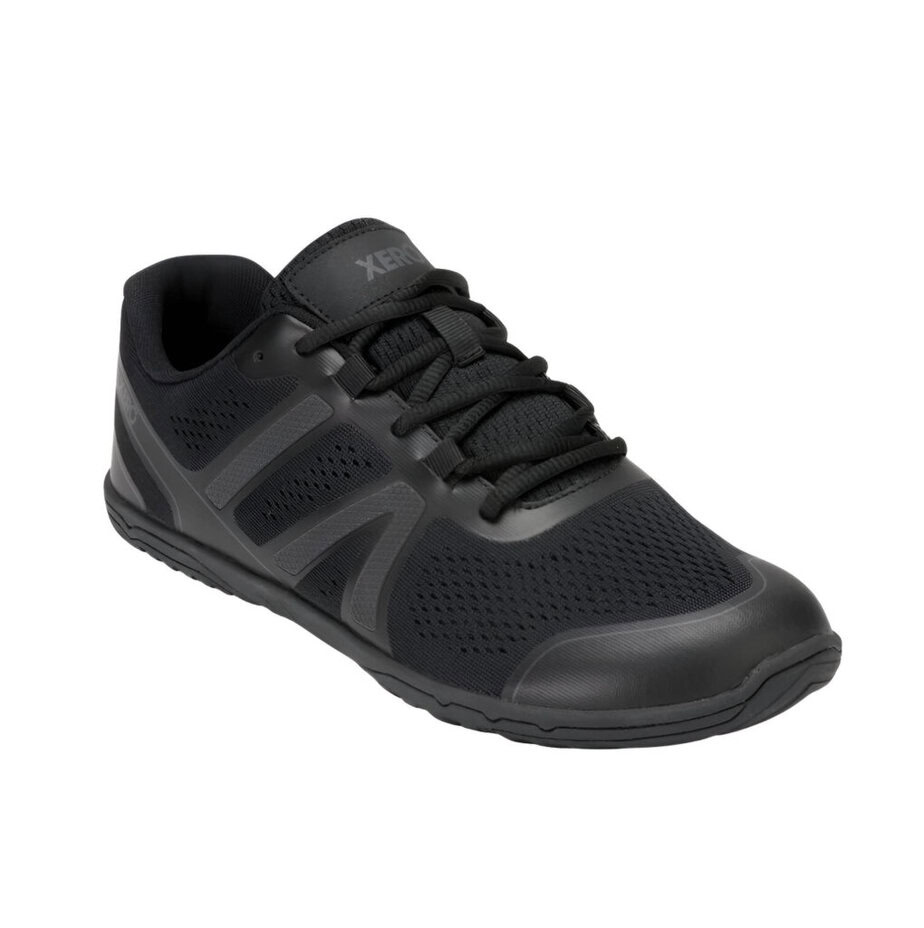
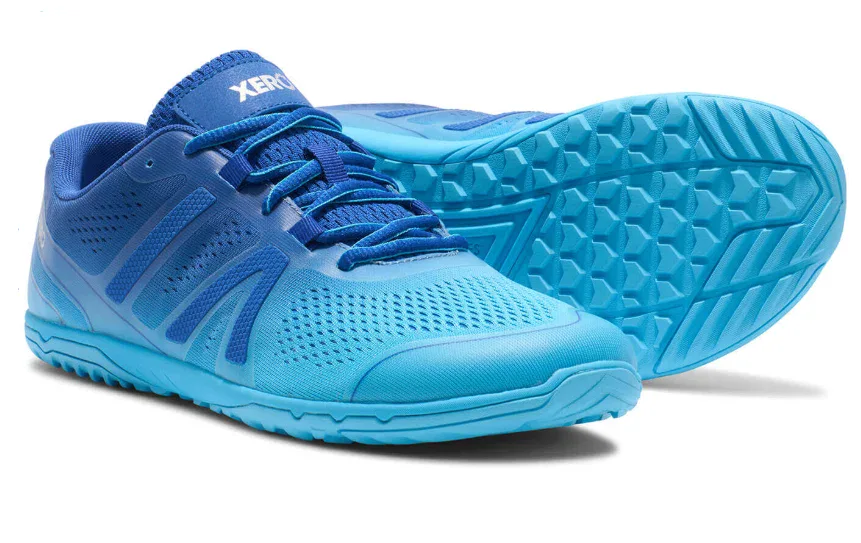
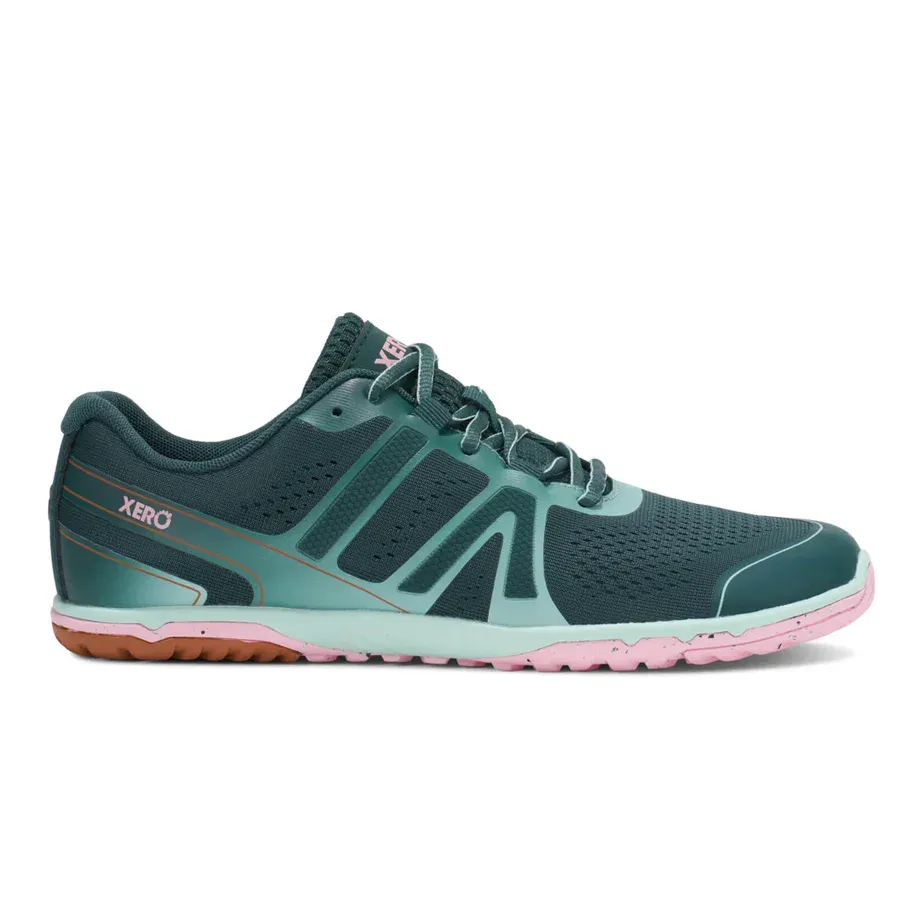
Xero Shoes HFS II
HFS II is the easiest overall recommendation because it is genuinely low, flexible and zero drop, but it has a little more protection than the most extreme barefoot shoes. It works best on roads, smooth paths and light gravel.
How minimal do you actually want to go?
Start with the feel you want rather than assuming the thinnest shoe is automatically the best shoe.
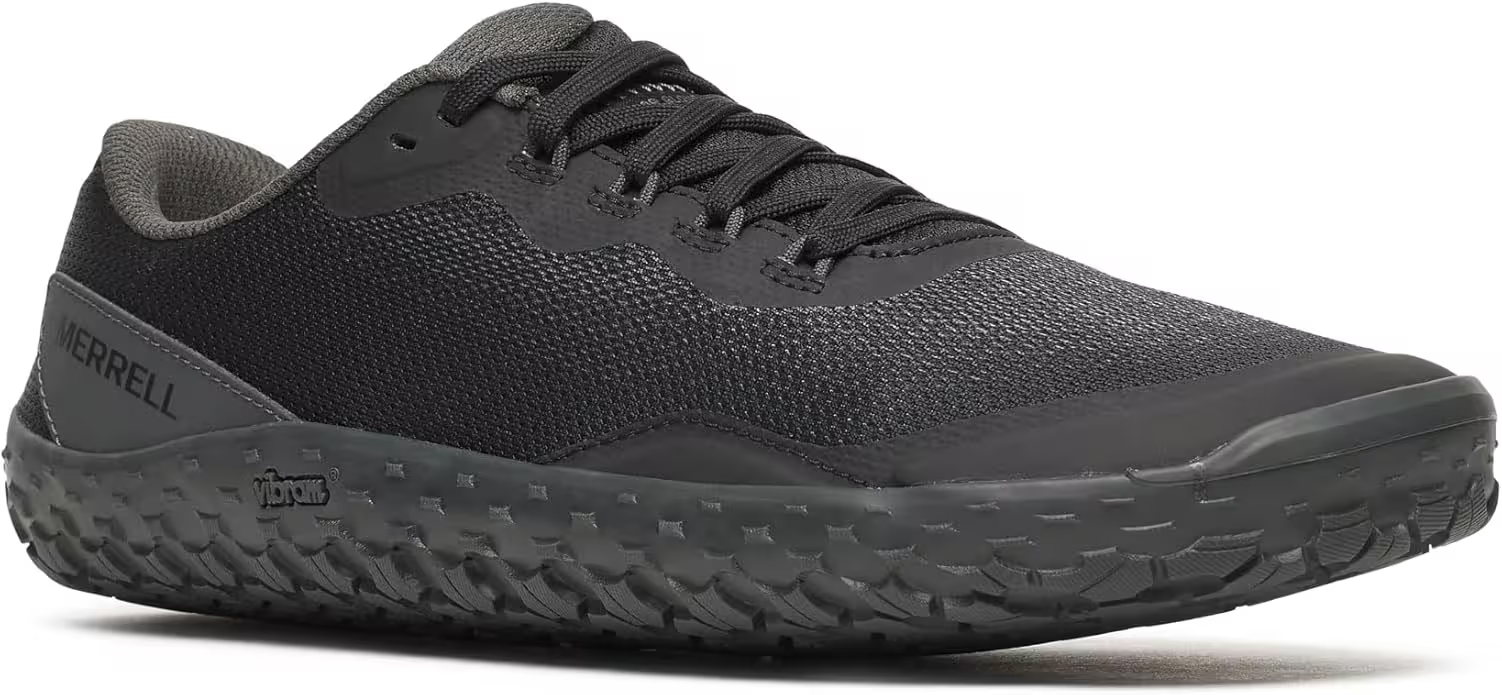
Merrell Vapor Glove 7
An 8 mm zero drop platform with very little between you and the ground.
See Vapor Glove →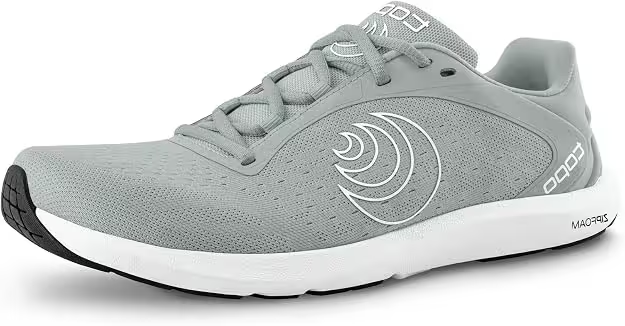
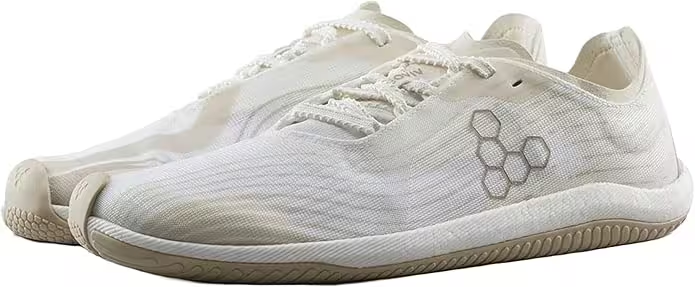
Vivobarefoot Primus Flow
Very thin road-specific platform with exceptional ground feel.
See Primus Flow →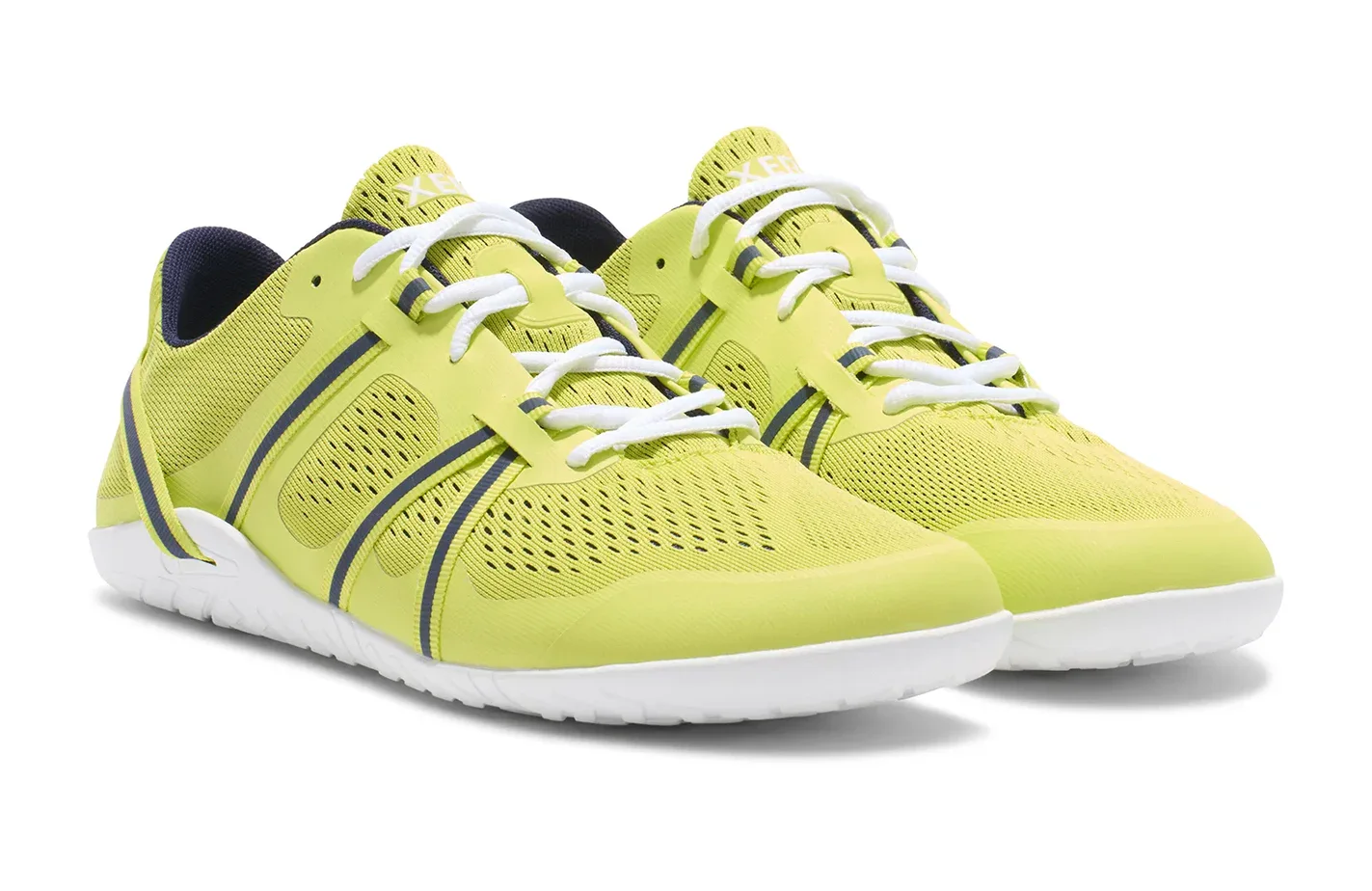
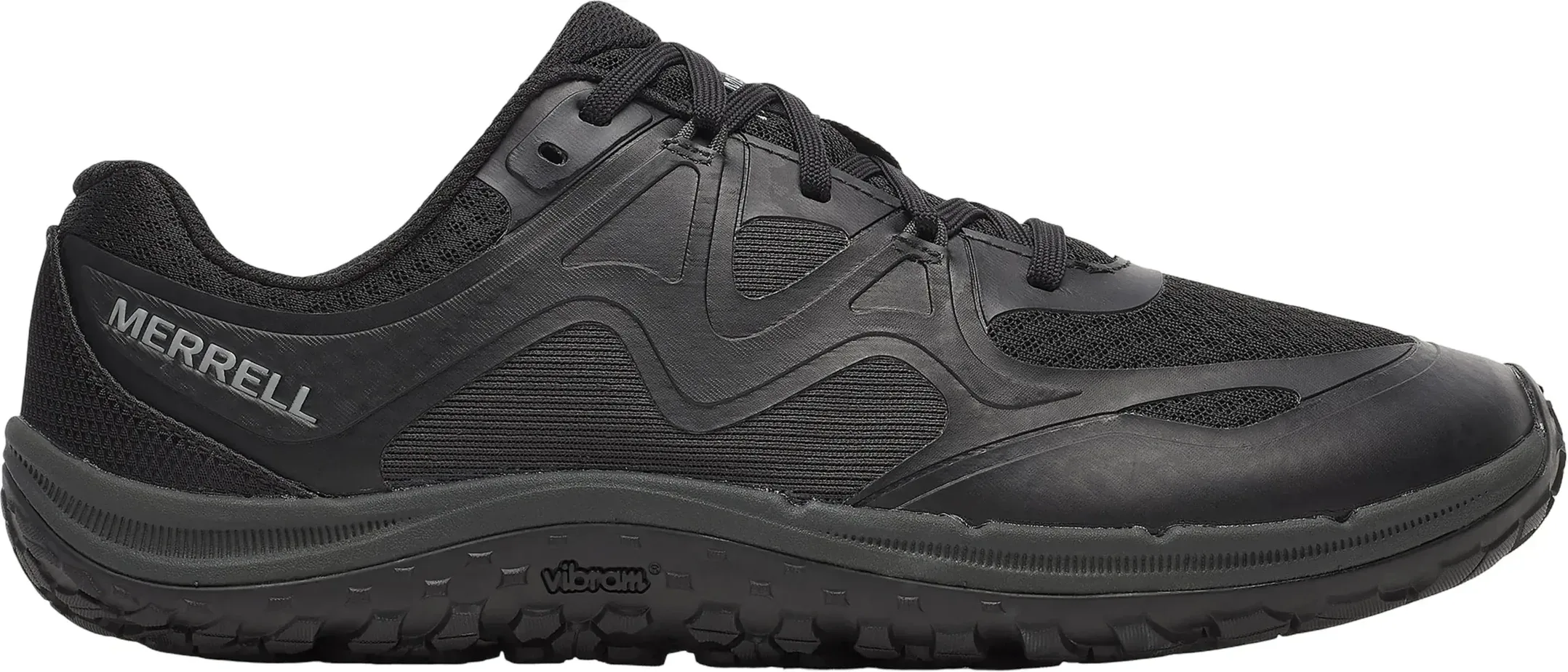
Merrell Trail Glove 8
Zero drop with 14 mm protection and Vibram traction.
See Trail Glove →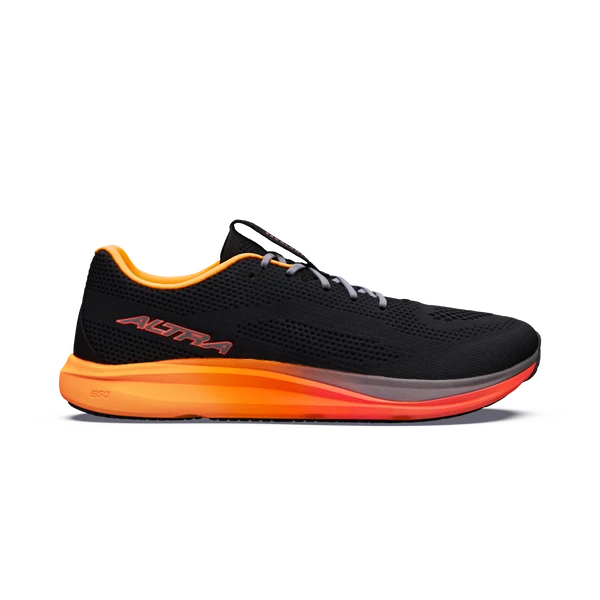
Altra Escalante 5
24 mm stack for runners who want zero drop without barefoot-level protection.
See Escalante →A quick minimalist spectrum
The labels matter less than understanding how much shoe is actually under your foot.
Not sure minimalist is actually what you need?
The Running Shoe Finder compares cushioning, drop, width, terrain and support instead of assuming lower and thinner is automatically better.
The 7 Best Minimalist Running Shoes in 2026
Xero Shoes HFS II
Good choice if: you want a true minimalist road shoe but do not want to start with the thinnest sole possible.
Check Amazon PriceHFS II hits the useful middle of the minimalist category. It is zero drop, flexible and low to the ground, but Xero adds a thin BareFoam layer that gives it more protection than Speed Force II. The tread also works better on mixed road and light gravel than a completely smooth barefoot outsole.
Current independent testing still rates HFS II as one of the strongest barefoot running choices. Its biggest fit tradeoff is that some testers find it snugger than the wide looking toe shape suggests.
What Works
- True zero drop platform
- Flexible with a foot shaped toe box
- More versatile than ultra-thin barefoot shoes
- Tread works on pavement, gravel and light trails
Watch For
- Firm underfoot
- Not as light or sensitive as Speed Force II
- Still a major change from conventional trainers
Merrell Vapor Glove 7
Good choice if: you already know you enjoy true barefoot style shoes and want very little between your foot and the ground.
Check Amazon PriceVapor Glove 7 is Merrell’s most flexible and minimalist current model. It uses an 8 mm zero drop platform, Merrell Barefoot 2 construction and a Vibram TC5+ outsole. It feels much more direct than a conventional road trainer and is built for runners who actively want ground feedback.
This is not the shoe I would use to convince a cushioning-loving runner that minimalist shoes are comfortable. It is for runners who actively want the barefoot sensation.
What Works
- 8 mm zero drop platform
- 0 mm drop
- Vibram outsole
- Light and highly flexible
Watch For
- Very little impact protection
- Fit can feel different from wider Xero or Topo shapes
- Very little cushioning for hard surfaces
Topo Athletic ST-6
Good choice if: you like a roomy forefoot and want a little more material underfoot than Vapor Glove or Primus Flow.
Check Amazon PriceST-6 gives you a 14 mm zero drop platform, a small amount of ZipFoam and Topo’s roomy toe box with a more secure heel and midfoot. It sits between ultra thin barefoot shoes and conventional road trainers.
The small amount of ZipFoam gives it a little more forgiveness on pavement without turning it into a high-stack shoe. It also works well for gym sessions and everyday wear.
What Works
- 14 mm zero drop platform
- Very light
- Roomy toe box
- Useful for running and gym work
Watch For
- Still zero drop, so it is not automatically an easy transition
- Less ground feel than Vapor Glove or Primus Flow
- 14 mm stack gives less ground feel than ultra thin models
Vivobarefoot Primus Flow
Good choice if: you want an extremely thin road-specific barefoot shoe and do not mind paying a premium.
Check Amazon PricePrimus Flow is built specifically for road running and sits at the most barefoot end of this list. Current testing measures about 6 mm underfoot, including a firm 4 mm eTPU midsole and thin rubber outsole, with no removable insole.
Outside’s August 2026 testing named it the best road option for barefoot feel. The tradeoffs are the premium price and a very thin platform that will feel demanding if your feet, calves and Achilles are not already used to minimalist running.
What Works
- Road-specific barefoot design
- Extremely light
- Very thin and flexible
- Room for toe splay
Watch For
- Premium price
- Very little protection from hard surfaces
- Very demanding if you are new to minimalist running
Xero Shoes Speed Force II
Good choice if: you already like minimalist footwear and want a very light shoe for speed, track or gym work.
Check Amazon PriceSpeed Force II is more specialised than HFS II. Xero describes it as its closest-to-barefoot performance model, with a 4.5 mm FeelTrue rubber sole and a removable insole if you want even more ground feedback.
It makes the most sense for experienced minimalist runners who want a light training or speed shoe rather than one pair for every type of run.
What Works
- Very light
- 0 mm drop
- Highly flexible
- Good fit for speed and gym work
Watch For
- Less protective than HFS II
- Not an obvious long-run choice for most runners
- Minimal protection on long or rough runs
Merrell Trail Glove 8
Good choice if: you want minimalist trail feel but need more protection than Vapor Glove gives you.
Check Amazon PriceTrail Glove 8 keeps a 0 mm drop and a measured 14 mm platform, then adds a thin FloatPro foam layer, FlexConnect technology and a Vibram TC5+ outsole for trail use.
It is less barefoot-like than Vapor Glove 7, but that extra material makes sense when roots, rocks and uneven ground are part of the run.
What Works
- 14 mm platform balances trail feel and protection
- 0 mm drop
- Vibram traction
- More protective than ultra-thin barefoot shoes
Watch For
- Less ground feel than Vapor Glove
- Not for runners wanting trail cushioning
- More structured and less sensitive than ultra thin barefoot shoes
Altra Escalante 5
Good choice if: you want flat zero drop geometry and a roomy toe box but do not want a true barefoot-level sole.
Check Amazon PriceEscalante 5 is the 2026 replacement for Escalante 4. Its 24 mm stack is much thicker than the true minimalist shoes above, so I would not call it a barefoot shoe. It belongs here because many runners searching “minimalist” actually want zero drop, flexibility and a roomy forefoot without giving up most cushioning.
That makes Escalante useful as the cushioned end of the spectrum, but moving from a conventional high-drop trainer to 0 mm is still a meaningful change even when there is more foam underfoot.
What Works
- 24 mm zero drop platform is easier on hard pavement
- 0 mm drop
- Original FootShape toe box
- Much more cushioned than barefoot models
Watch For
- 24 mm is not a true minimalist stack
- Heavier than the main barefoot picks
- Too cushioned for runners seeking true barefoot feel
Compare the 7 Main Picks
Swipe sideways to compare all columns →
| Shoe | Best For | Drop | Underfoot | Buy |
|---|---|---|---|---|
| Xero HFS II Best Overall | Road + light gravel | 0 mm | About 8.5–9 mm tested | Amazon |
| Merrell Vapor Glove 7 | Ultra flexible barefoot feel | 0 mm | 8 mm | Amazon |
| Topo ST-6 | Low-stack everyday use | 0 mm | 14 mm | Amazon |
| Vivobarefoot Primus Flow | Premium barefoot road | Flat | About 6 mm | Amazon |
| Xero Speed Force II | Speed + track | 0 mm | 4.5 mm rubber sole + insole | Amazon |
| Merrell Trail Glove 8 | Minimal trail running | 0 mm | 14 mm | Amazon |
| Altra Escalante 5 | Cushioned zero drop | 0 mm | 24 mm | Amazon |
Minimalist shoes are not an injury-prevention shortcut
Foot strength may improve
A 2025 systematic review and meta-analysis found improvements in some measures of toe strength with minimalist footwear, but the authors rated much of the evidence low to very low certainty.
Injury prevention is not proven
Current research does not show that minimalist footwear universally lowers running injury risk. A lower, flatter shoe changes where and how your body handles load rather than making that load disappear.
The transition deserves respect
A 2026 systematic review found higher injury risk during the transition from conventional to minimalist footwear, reinforcing the need to introduce the change gradually.
That is why this guide does not promise stronger feet, a particular foot strike or fewer injuries from buying a shoe. Minimalist footwear is a preference and training choice, not a medical treatment.
3 More Minimalist Shoes to Consider
Notace Michi 1
Outside named this newer 15 mm zero-drop road shoe its 2026 all-around minimalist winner. It is interesting, but the brand is much newer and availability is narrower than Xero, Merrell or Topo. See Notace.
Topo Connect
A new 10.5 mm zero-drop trail and walking shoe with no midsole. Remove the insole and the platform drops to about 5.5 mm. See Topo Connect.
Xero Mesa Summit
A newer trail option with more rock protection than the most barefoot models. It makes sense if Trail Glove is not the shape you want. See Mesa Summit.
How to Start Using Minimalist Running Shoes
Start with wear, not a mileage target
There is no evidence based rule that every runner should begin with exactly one mile, two miles or a specific percentage. Short walks and brief runs let you see how your feet and lower legs respond.
Do not force a new foot strike
Zero drop does not require you to consciously land on your forefoot. Changing shoes and deliberately changing your gait at the same time adds another variable for your body to adapt to.
Keep your normal shoes available
You do not have to replace every running shoe at once. Alternating with familiar shoes makes it easier to reduce exposure if your calves, Achilles or feet are not tolerating the change.
Persistent pain is a stop sign
Normal new shoe awareness is different from sharp, persistent or worsening pain. If symptoms continue, reduce the new load and get qualified medical advice when needed.