Best Base Layers for Running: 9 Winter Picks (2026)
Quick answer: The Patagonia Capilene Midweight top is the easiest all-round pick for running because it manages sweat without the cost or possible itch of merino. Start with the shirt. Add the matching bottoms only when your legs are actually cold.
For a full set on a budget, Decathlon BL 500 is about C$50. Choose Helly Hansen LIFA Merino if you want merino on the outside but prefer synthetic next to your skin. Smartwool 250 is the warmest set here for deep cold and easier efforts. Amazon shoppers can compare the Spyder men’s full set or the BALEAF women’s neck-gaiter top.
Winter running base-layer guide
Shop the best base layers for running
Swipe the picks on a phone. Prices are snapshots and each full review is below.
Best overall
Patagonia Capilene Midweight
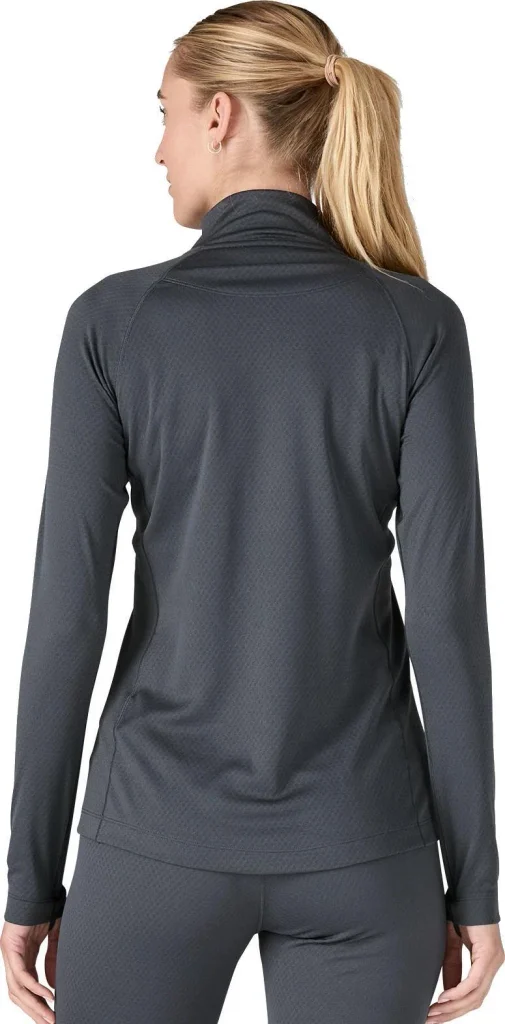
A smooth, fitted synthetic layer for steady winter runs, with enough range to work under a vest or shell.
Best budget set
Decathlon WEDZE BL 500
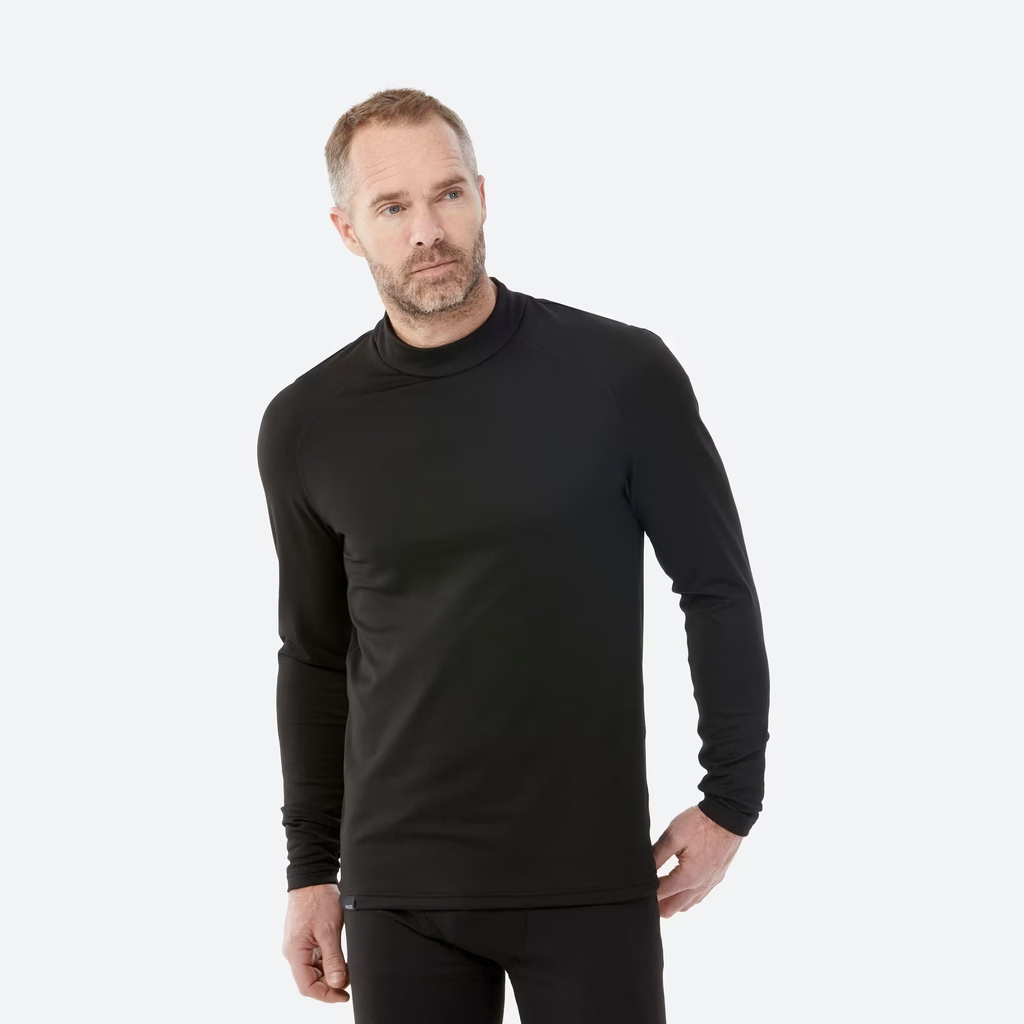
Warm brushed polyester at a very low price. Better for easy cold runs than hard workouts because it is only slightly breathable.
Best wool-synthetic system
Helly Hansen LIFA Merino
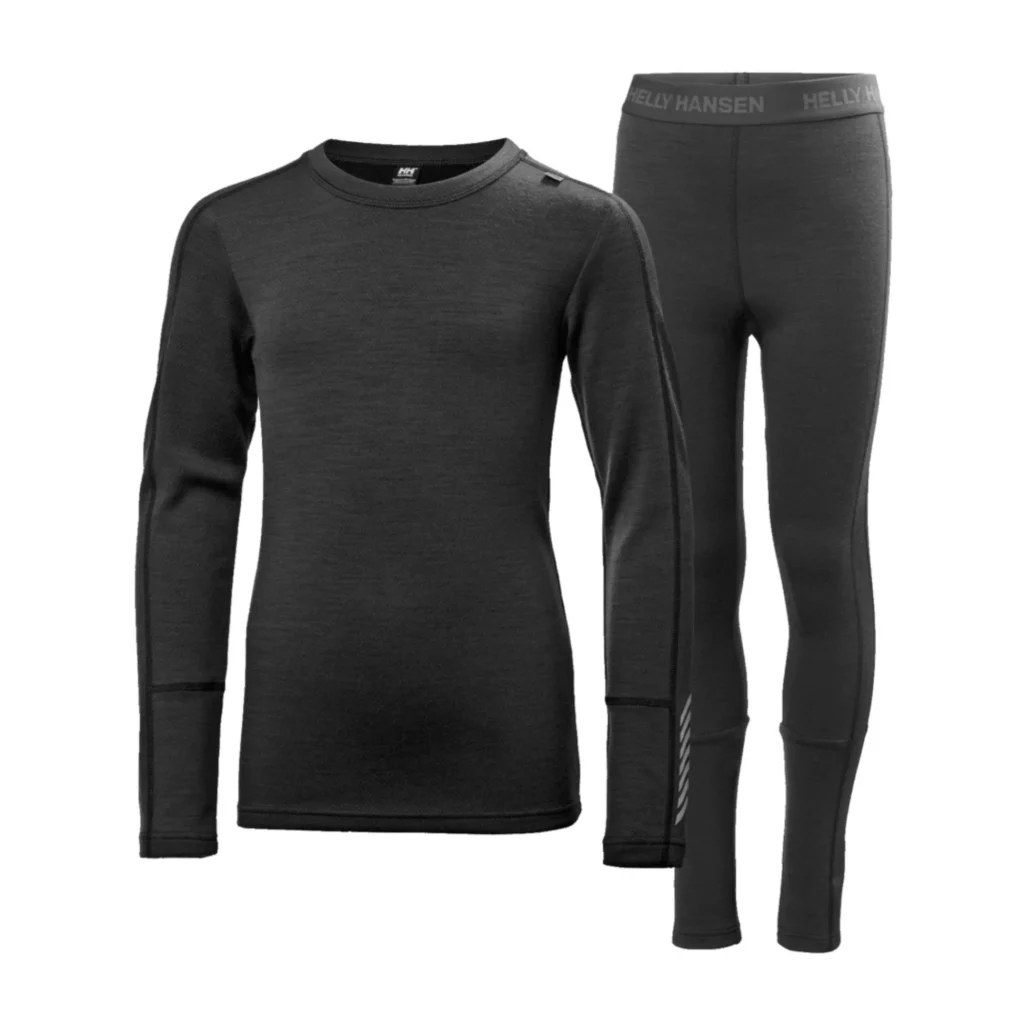
A two-layer build puts polypropylene next to the skin and merino outside. It is a smart place to start if pure merino feels risky.
Best for deep cold
Smartwool Classic Thermal 250
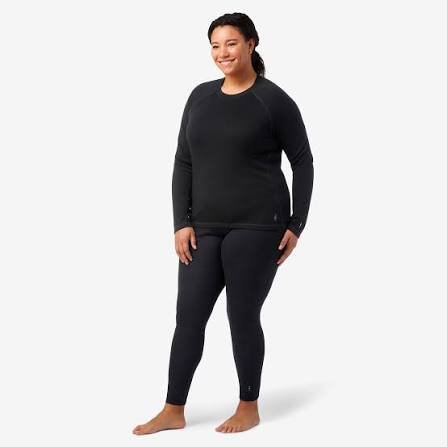
A warm 100% merino set for very cold easy runs, run-walks and runners who stay cold. Too much for many workouts.
Best lighter merino
Icebreaker Merino 200 Oasis
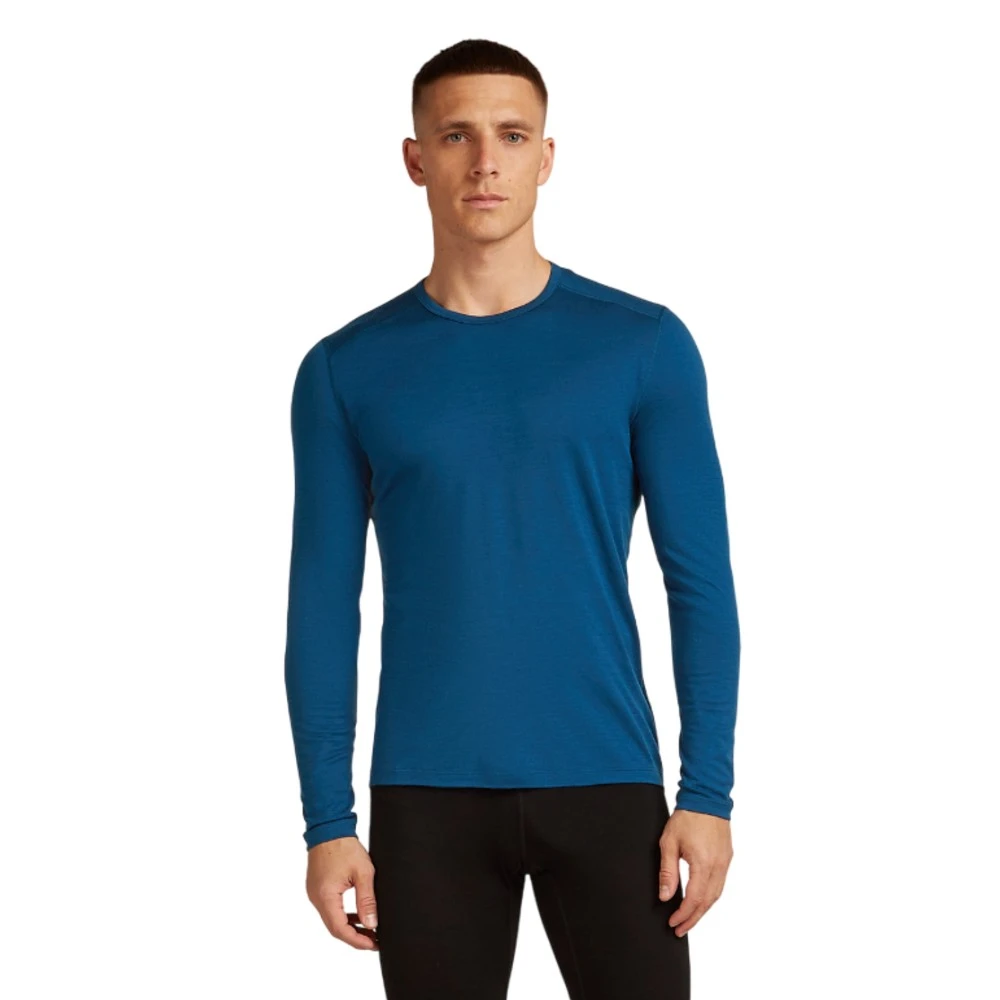
Less bulky than a 250-weight set and easier to layer across more temperatures, with the usual wool cost and itch questions.
Best Canadian merino value
MEC T2 Merino
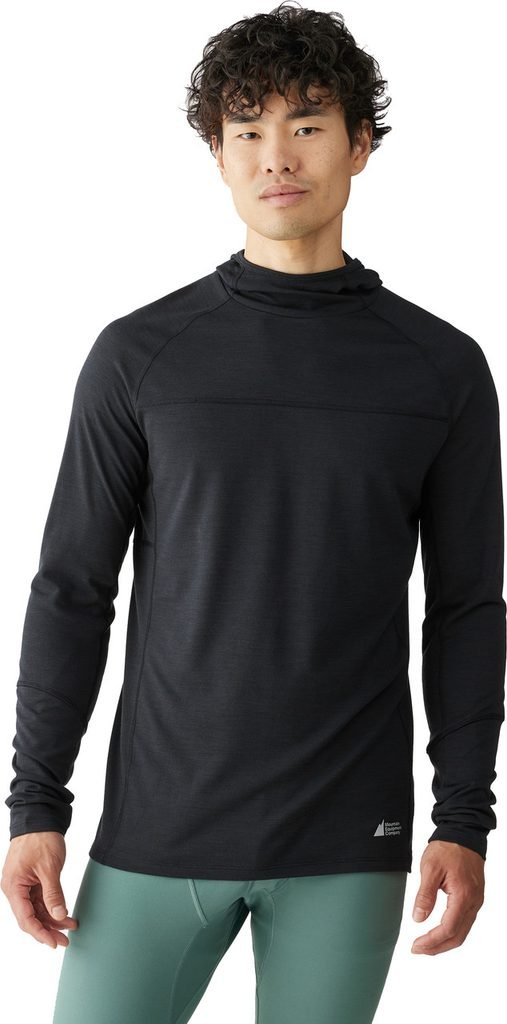
A simpler Canadian merino option with frequent sale pricing. Compare the exact fabric and fit on the live page before buying.
Best running-specific Amazon top
Under Armour ColdGear
A close synthetic set with a brushed inner face. The women’s crew has a verified Amazon image option; men’s and bottoms are linked below.
Best men’s Amazon set

Spyder thermal underwear set
A warm two-piece synthetic set for easy cold runs and run-walks. The fleece-lined build may be too much for speedwork or heavy sweaters.
Best Amazon top for neck coverage

BALEAF thermal gaiter top
A women’s fleece-lined top with thumbholes and a detachable neck gaiter. It is convenient in wind, but this listing does not include bottoms.
Build your base-layer set
Choose what your run actually looks like. The result will recommend a material, a warmth level and whether you need bottoms. It is a starting point, not a safety rule.
Do not let the set builder sell you too much. Legs create heat and may already be covered by winter tights or wind pants. A good top often adds more comfort than a matching bottom.
Full reviews and shopping links
1 · Best overall for running
Patagonia Capilene Midweight top and bottoms
Best for: steady winter running, layering under a vest or shell, and runners who want one dependable synthetic system.
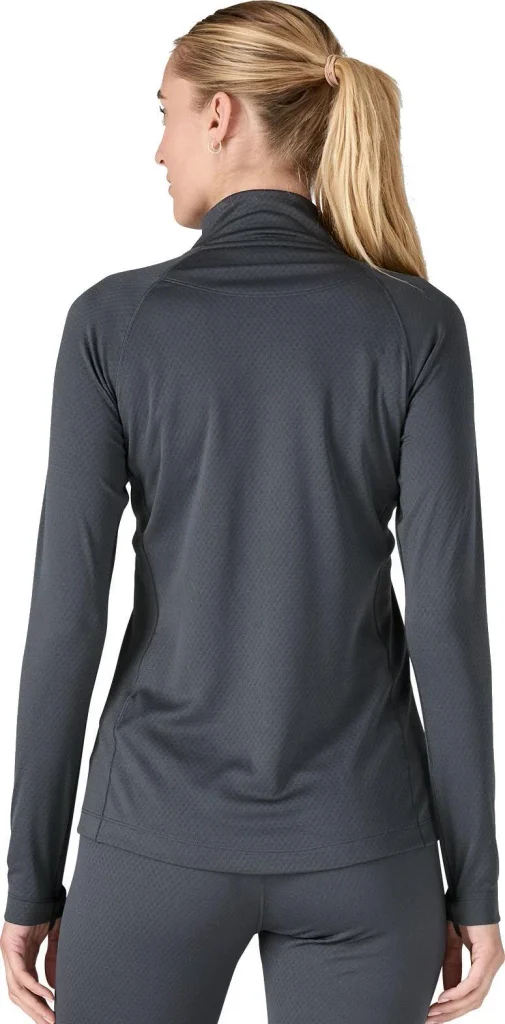
Capilene Midweight uses a 140 g/m² recycled-polyester double knit. The smooth face slides under another layer, while the raised inner structure adds warmth without turning it into a thick thermal shirt. The current top also uses low-profile seams, underarm gussets and thumb loops.
That middle-ground construction is why it ranks first. It is warm enough to build around but easier to vent and wash than the heavier sets. At C$115 per piece, the full set is C$230. Most runners should buy the top first and wait to see whether they need the bottom.
This is not the absolute warmest choice. That is a strength for running. Put a breathable running vest over it when your core is cold, or use a shell when wind and wet weather are the real problem.
Is it worth the price? The top can be if it becomes your default winter shirt. The full set is harder to justify until you know ordinary winter tights are not enough.
2 · Best budget set
Decathlon WEDZE BL 500 top and bottoms
Best for: easy cold runs, first-time winter runners and anyone who wants a complete warm set for about C$50.
Each BL 500 piece was C$24.99 at our check. The top uses 210 g/m² brushed polyester. The bottoms use a 210 g/m² polyester-elastane fabric. Decathlon describes both as warm and only slightly breathable.
That last detail matters. This is a ski base layer, not a running-specific high-output layer. It is a strong bargain for cold easy miles and run-walk sessions, but a hard workout can overwhelm the thick brushed fabric.
Our household has owned Decathlon polyester base layers, but not as a controlled test of this exact current model. That experience is one reason the value category is included. The ranking itself comes from the current fabric weight, construction, price and intended use.
Is it worth the price? Yes, if the warmth level matches your run. It is the best low-risk way to try a full set, but spending less does not help if 210 g/m² makes you overheat.
3 · Best wool-synthetic system
Helly Hansen LIFA Merino Midweight set
Best for: cold runners who want merino’s lower-odour advantage with a synthetic next-to-skin layer.
Helly Hansen builds this set in two layers: LIFA polypropylene next to the skin and merino on the outside. The total composition is 57% merino wool and 43% polypropylene. The idea is to move moisture away from the skin while keeping wool’s warmth and lower-odour appeal.
The brand calls the construction non-itch, but we would not promise that to every runner. Merino can still touch at the neck, cuffs or seams, and some people react to all wool. Try it on before committing to the C$230 set.
This is the most convincing compromise in the group, not an automatic winner. Two layers can feel warmer and less airy than a thin single-knit shirt. Runners who work hard may still prefer Capilene, while people who know they like merino may get better value from a simpler 100% wool top.
Is it worth the price? Yes for the right skin and use case. It gives a real design reason for the premium, but only a try-on can answer the itch question.
4 · Best for deep cold and easy effort
Smartwool Classic Thermal Merino 250 set
Best for: very cold easy runs, run-walk sessions, low-output outdoor time and runners who rarely overheat.
The Classic Thermal set uses 250 g/m² 100% merino wool. It is the heaviest wool system in this guide and the clearest choice when staying warm matters more than fast drying. Both the crew and full-length bottom were C$150 at our latest check.
That warmth can be too much once the pace rises. A sweat-soaked thick merino shirt also takes longer to dry than a light synthetic. Treat this as a deep-cold or lower-output tool, not the automatic “best wool” choice for every winter run.
Owner discussions regularly mention wearing merino more than once between washes and airing it after use. That is useful for travel and weekly rotation, but no fabric makes a damp shirt ready for a second run. Let it dry fully and wash when it smells or feels dirty.
Is it worth C$300? Only if you will use both pieces often. The C$150 top is the better first purchase for most runners; buy the bottom when your existing tights prove insufficient.
5 · Best lighter 100% merino set
Icebreaker Merino 200 Oasis set
Best for: runners who already know they like merino and want more temperature range than a 250-weight thermal set.
Oasis is a 200-weight, 100% merino system. It is lighter than Smartwool Classic Thermal, so it fits more easily under running jackets and is less likely to become oppressive when the temperature climbs during a long run.
The current tops and full-length leggings were C$145 each. The price is high, and the same wool cautions apply: it dries more slowly than a thin synthetic, can wear through faster at rub points and may still feel itchy to a sensitive runner.
If you are deciding between this and Smartwool 250, start with effort. Oasis is the better running choice across mixed temperatures. Smartwool is the warmer choice when the pace is easy and the cold is more severe.
Is it worth C$290? The shirt can earn its price through frequent use. A matching bottom is a luxury unless your legs are regularly cold.
6 · Best Canadian merino value
MEC T2 Merino top and bottoms
Best for: Canadian shoppers who want a midweight merino set and are willing to watch for a sale in the right size.
The current T2 pages list a men’s and women’s long-sleeve top plus matching bottoms at C$109.95 regular price per piece. Sale prices varied by colour and size during our check, so this guide uses the regular C$219.90 set price.
MEC’s pages identify T2 as a midweight merino base layer. We could not reliably confirm a current fibre percentage or fabric weight from the accessible page, so we are not filling in those specifications from an older model or catalogue.
We have owned MEC merino base layers, but our older garments are not proof of the fit, softness or durability of today’s T2. They do give us a reason to include MEC in the value discussion. The live model still needs its own try-on and care check.
Is it worth the price? It is most compelling on sale. At full price, compare feel, return terms and exact current composition with Icebreaker and Helly Hansen.
7 · Best running-specific Amazon top
Under Armour ColdGear top and leggings
Best for: runners who want a close, warm synthetic base layer and an easy Amazon option for the women’s crew.
ColdGear uses a dual-layer synthetic fabric with a brushed inner face and a smooth, faster-drying outer face. The women’s crew adds mesh underarm panels. The men’s fitted mock uses mesh at the back and underarms and gives more neck coverage.
The current Canadian tops and leggings were C$65 each. The close fit works neatly under another layer, but it can feel more athletic and compressive than the merino sets. Check the fit label carefully because Under Armour sells fitted, tight and compression versions.
This is a better runner’s pick than a generic thick thermal because the ventilation zones and close fit are designed for movement. It still will not solve every odour problem. Under Armour adds odour-control treatment, but wash habits and full drying still matter.
Is C$130 worth it? Yes if you want a warmer synthetic set and like the fit. Patagonia is the more versatile top; Decathlon is the cheaper full set.
Amazon can change a listing’s selected colour, size or parent variation. Confirm that ASIN B08LNPQ7KS still opens the Under Armour women’s ColdGear Authentics long-sleeve crew before publishing or buying.
8 · Best men’s full set on Amazon
Spyder men’s fleece-lined thermal underwear set
Best for: men who want one affordable top-and-bottom purchase for easy cold runs, run-walks or low-output winter use.
This Amazon listing is a genuine two-piece set with a long-sleeve top and full-length bottoms. The listed fabric is 92% polyester and 8% spandex, with a brushed or fleece-lined inner face and plenty of stretch.
That warmth makes more sense for an easy run, a run-walk, a runner who gets cold or time spent outside before and after the run. It is less convincing for tempo work, indoor-to-outdoor sessions or anyone who quickly soaks thick thermals.
The cut is intended to sit close and stretch as a base layer. Some listing text for this product family says the set can run small, so use the current size chart and read recent fit comments for your chosen colour and size rather than assuming your usual size will work.
Is the price worth it? It can be when the live price is well below separate running-specific pieces. Compare it with Decathlon BL 500 before buying. Decathlon has a known Canadian price; Spyder offers easier Amazon ordering but a changing price.
9 · Best women’s Amazon top for neck coverage
BALEAF women’s fleece-lined thermal gaiter top
Best for: women who like a higher neck and want a removable gaiter for cold wind without carrying a separate buff.
This is a top only, not a complete base-layer set. The listing combines a fleece-lined recycled polyester-spandex fabric with a mock neck, thumbholes and a detachable gaiter that can cover the neck and lower face.
The removable piece is useful when wind changes during a run, but it can also trap heat and damp air near the face during a hard effort. Detach it or lower it early instead of waiting until the top is wet.
BALEAF does not give us a matching bottom in this listing, and we could not confirm a dependable fabric weight or exact fibre percentages from the accessible product information. Pair the top with tights you already own rather than forcing a matching purchase.
Is the price worth it? Compare the live price with a plain thermal top plus a separate neck gaiter. The integrated design earns its keep only if you will actually use the extra coverage.
Synthetic, merino or a blend?
Research supports the odour concern around polyester. A 2014 study found stronger malodour in polyester shirts than cotton after exercise, and a later textile review explains why polyester tends to hold fatty compounds that odour-producing bacteria can use. This does not mean every polyester shirt smells the same. Knit, treatment, washing and the person wearing it all matter.
Wool comfort is just as personal. A dermatology review found that fibre diameter, especially coarse fibres, is the main driver of wool irritation. Superfine merino is generally easier to tolerate, but “fine” is not the same as “itch-free.” If every merino shirt bothers you, choose synthetic. If you are unsure, test the fabric at your neck and waistband before removing tags.
Compare all nine options
Filter by material. Prices for the first seven picks show one top plus one bottom at the regular or checked Canadian price. Spyder is a full set; BALEAF is a top only. Amazon prices can change, so those two are not hardcoded.
Show me
Patagonia Capilene Midweight
140 g/m² recycled polyester
Best range for steady running and layering.
C$230 set
Decathlon BL 500
210 g/m² brushed polyester
Best budget warmth, but only slightly breathable.
C$49.98 set
Helly Hansen LIFA Merino
57% merino / 43% polypropylene
Best two-layer wool-synthetic system.
C$230 set
Smartwool Classic Thermal
250 g/m², 100% merino
Warmest set for deep cold and lower output.
C$300 set
Icebreaker Oasis 200
200-weight, 100% merino
Lighter pure merino with more layering range.
C$290 set
MEC T2 Merino
Midweight merino
Canadian value, especially when the exact size is on sale.
C$219.90 regular set
Under Armour ColdGear
Dual-layer synthetic
Warm close fit with running-specific ventilation zones.
C$130 set
Spyder thermal set
92% polyester / 8% spandex
Men’s fleece-lined top and bottom for easy cold running.
Amazon price varies · full set
BALEAF thermal gaiter top
Recycled polyester-spandex blend
Women’s top with thumbholes and a detachable neck gaiter.
Amazon price varies · top only
Is the expensive set worth it?
Cost per run does not measure comfort, but it exposes a purchase that will barely be used. Enter the cost of the pieces you actually need, not the full set by default.
A C$145 merino top can make sense for someone who runs outside four days a week and wears it for travel or hiking. It makes less sense for six cold runs a year. A C$25 Decathlon top is the safer experiment if you are still learning what thickness works.
When should you wear a base layer for running?
A base layer is not only for -10°C and colder. A shirt can be the whole top at mild temperatures, or the moisture-moving layer under a winter running vest or running jacket. Bottoms usually enter later because moving legs make heat.
These bands are starting points. Pace, wind, dampness, body size, sun, route exposure and whether you run hot or cold can shift the answer by a full layer. Use the running outfit calculator for a full outfit.
Do you need base-layer bottoms?
Not automatically. If winter tights already block wind and your thighs feel fine after ten minutes, another layer can add sweat, bunching and cost without adding comfort. Bottoms are most useful under looser wind pants, for easy runs, for runners who stay cold, and when the temperature falls well below freezing.
- Buy the top first if you are new to winter running or usually have cold arms and a warm lower body.
- Add the bottom if wind cuts through your pants, your thighs stay cold after warming up or you are doing long easy outings.
- Choose three-quarter length if full bottoms bunch inside higher socks or create too much fabric at the ankle.
- Skip cotton underneath. It holds moisture against the skin and becomes uncomfortable as effort changes.
What runners say about merino and synthetic layers
Forum threads are useful for finding problems that product pages avoid. They are not controlled tests, and one runner’s -15°C outfit can be another runner’s sweat trap. We looked for themes that appeared across several discussions.
- Merino earns loyalty through re-wear. In a cold-weather base-layer thread, several owners described airing merino and wearing it again before washing. That is helpful for travel and a weekly rotation, but it is personal feedback rather than a promise that a shirt will stay odour-free.
- Merino does not dry fastest. Trail and ultralight runners repeatedly pointed out that wool can stay damp longer than thin synthetic fabric. That matters most for heavy sweaters, hard efforts and long stops.
- Some runners put synthetic under wool. In a discussion about wearing a layer under merino, people suggested a very light synthetic shirt when direct wool contact is uncomfortable. That can work, but it also adds warmth and another wet layer.
- Pure merino is not always the running winner. In a natural-fabric discussion, one runner reported more soaking and chafing in 100% merino, while another liked merino’s repeat-wear comfort. Both can be true because pace, fit and sweat rate differ.
- Blends are a deliberate compromise. Owners in a merino-synthetic blend discussion were looking for wool’s odour benefits with faster drying or better durability. Fibre percentages alone do not tell the whole story; construction and which fibre sits against the skin matter.
- Heavy sweaters often need less warmth. In cold-running threads, people who soak every layer tend to favour thinner pieces, venting and wind control instead of stacking thicker thermals.
The useful takeaway: choose for your sweat rate and skin first, then temperature. A thick “warmest” base layer can make a winter run colder later if it causes you to soak every layer early.
How to choose the right thickness
How to reduce smell and make the set last
- Air it immediately. Do not leave a damp shirt balled in a hamper or gym bag.
- Follow the exact care label. Wool, polypropylene, polyester blends and odour-control finishes can have different instructions.
- Skip fabric softener on performance synthetics. It can coat fibres and reduce moisture movement. Under Armour’s current care instructions specifically warn against it.
- Use a gentle cycle and cool water when allowed. Close zippers on other clothing and wash rough items separately to reduce snagging.
- Dry fully before storage. Flat drying can protect a wool garment’s shape. High heat can damage stretch fibres or shrink wool.
- Rotate two tops before buying two full sets. Tops usually collect more sweat and need washing sooner than bottoms.
- Fix a small hole early. A small repair is easier than a stretched opening, especially in fine merino.
Does a premium warranty make the price worth it?
Our Patagonia experience was mixed
Our household has had a Patagonia jacket zipper replaced successfully. That was meaningful service on an expensive piece. We also had a merino shirt develop a hole after about one week, and a phone call did not lead to a remedy. A later puffer arrived with repair patches.
That is why this guide treats repair access as part of value, not a guarantee. A strong policy can make a frequently used jacket or base layer easier to justify, but it does not mean every wear issue will be covered.
For a base layer, fit and frequency usually matter more than the logo. Pay more when the fabric solves a real problem, the piece will be used often, and the return or repair path is practical for you. Buy the budget piece when you are still testing thickness or only run outside occasionally.
How we chose these base layers
We started with current men’s and women’s tops and bottoms sold in Canada. We checked manufacturer pages for fibre content, fabric weight, construction, fit, care and Canadian price on October 22, 2026. When a specification could not be confirmed, we left it out instead of copying an older model’s number.
We separated the jobs a runner is buying: a versatile synthetic shirt, a low-cost warm set, a wool-synthetic compromise, a deep-cold merino set and a no-wool option. We did not rank cotton thermals, casual long underwear or one-off clearance pieces as dependable main picks.
We read owner discussions in running, trail-running and ultralight communities to find recurring issues such as wool itch, slower drying, polyester odour, layering and whether bottoms are needed. Those comments are labelled as anecdotes, not lab tests.
For technical claims about odour and wool irritation, we used peer-reviewed research. Justin’s experience running through Manitoba winters shapes the layering advice. Our owned MEC merino and Decathlon polyester pieces provide context, but this page does not pretend that Justin completed a formal season-long test of every current set.
Build the rest of your cold-weather outfit
Running base-layer FAQ
What is the best base layer for winter running?
Patagonia Capilene Midweight is the best all-round pick in this guide because its 140 g/m² synthetic fabric balances warmth, moisture movement, easy care and layering range. Decathlon BL 500 is the best budget set, while Smartwool Classic Thermal 250 is better for deep cold and easy effort.
Is merino or synthetic better for running?
Synthetic is usually better for hard effort, fast drying, durability and price. Merino is usually better for lower odour between washes, warmth and multi-day use when it feels comfortable on your skin. A two-layer or blended fabric can split the difference.
What temperature should I wear a base layer for running?
A base-layer shirt can be useful around +5 to 0°C by itself and at colder temperatures under a vest or jacket. Base-layer bottoms often become useful closer to -10°C, but wind, pace and whether you run hot or cold can move that point.
Do I need base-layer bottoms under running tights?
Not always. Winter tights already provide insulation, and legs make heat while running. Add bottoms when your thighs stay cold, wind cuts through your tights, the pace is easy or the temperature is very low. Buy the top first if you are unsure.
How tight should a running base layer be?
It should sit close enough to move moisture and layer without bunching, but it should not restrict breathing or shoulder movement. Check the collar, underarms, waistband and seams while moving, not only while standing.
Why can polyester running shirts smell?
Polyester tends to attract and hold oily compounds from skin. Certain odour-producing bacteria can thrive on those compounds. Fabric construction, treatments, washing, drying and each person’s skin microbiome all affect the result.
Can fine merino still feel itchy?
Yes. Finer fibres are generally less irritating than coarse wool, but individual sensitivity varies and seams, sweat, detergent or fit can add irritation. If every merino garment feels itchy, choose synthetic rather than relying on an “itch-free” label.
Do the top and bottom need to match?
No. Many runners do best with a warmer top and lighter or no base-layer bottom. Mix materials and weights according to where you get cold, what sits over each piece and how much you sweat.
Sources and further reading
- Current product pages: Patagonia Capilene Midweight, Decathlon BL 500, Helly Hansen LIFA Merino, Smartwool Classic Thermal, Icebreaker Oasis, MEC T2 Merino, Under Armour ColdGear, Spyder thermal set and BALEAF gaiter top.
- Callewaert et al., 2014: Microbial odour profile of polyester and cotton clothes after a fitness session.
- Textile odour review, 2023: Body odour and clothing fibres.
- Zallmann et al., 2017: Debunking the myth of wool allergy, including fibre-diameter findings related to irritation.
- Owner discussions: cold-weather base layers, merino versus synthetic, non-wool options, wool-synthetic blends, and MEC base layers.
Last checked: October 22, 2026. Recheck model names, composition, ASINs, prices and stock before publication and during each winter update.