Best Running Power Sensor for Shoes in 2026
Running power guide
Quick answer: Stryd 5.0 is the best shoe-mounted running power sensor for most runners. Buy Stryd Duo 5.0 only if you will use left-to-right balance data. If your watch already gives you useful running power, try that before spending more.
The two running power sensors worth considering
Best for most runners
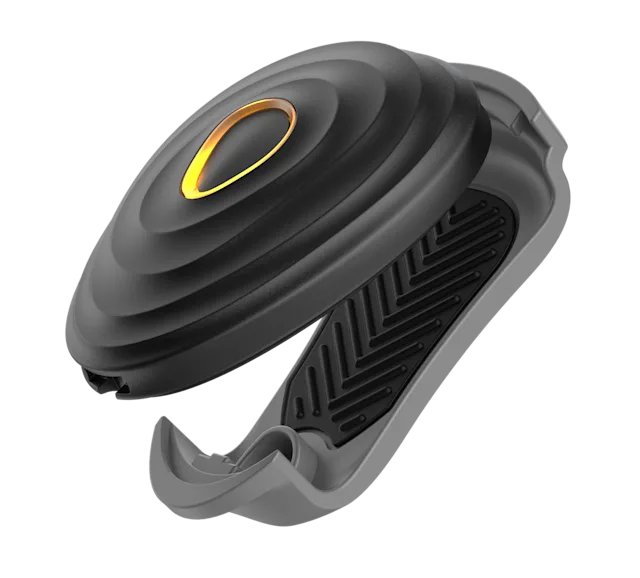
Stryd 5.0
One light shoe pod for responsive power, pace and distance on compatible watches.
Best for left/right analysis

Stryd Duo 5.0
Two matching pods for bilateral balance metrics and dual-sided Footpath analysis.
You may not need another sensor. Recent Garmin, Apple, COROS, Polar and Suunto watches can estimate running power on supported models. Start with your watch if you only want a number for steady road runs. Use our Running Watch Finder if you are choosing a watch first.
Why is this list short? Stryd is the only current mainstream shoe-mounted system we found that is built around live running power. Padding the list with pace-only pods, waistband sensors or discontinued products would make the comparison less useful.
Running power sensor comparison
| Option | Worn | Power source | Left/right data | Membership | Best for |
|---|---|---|---|---|---|
| Stryd 5.0 | One shoe | Stryd pod | No bilateral balance; single-sided Footpath | Not required for core power use | Most runners who want a dedicated sensor |
| Stryd Duo 5.0 | Both shoes | Two matching Stryd pods | Yes, including several balance metrics | Not required for core balance metrics; required for Footpath | Runners who will study asymmetry over time |
| Watch-native power | Wrist or compatible watch accessory | Watch maker’s algorithm | Varies by device and accessory | Usually no extra membership | Trying power without another purchase |
| RunScribe Red | Both shoes | Professional gait platform with power among its metrics | Yes | Professional platform | Clinics, coaches and gait labs, not a simple Stryd replacement |
Do not compare watts from different brands as if they were the same measurement. Running power is calculated, and each company uses its own model. A 250-watt Stryd effort may not equal 250 watts from Garmin or Apple. The useful comparison is your own trend from the same system.
The best running power sensors for shoes
1 · Best for most runners
Stryd 5.0
Best for: Runners who want a dedicated power source, faster pace response and useful treadmill data from one small pod.
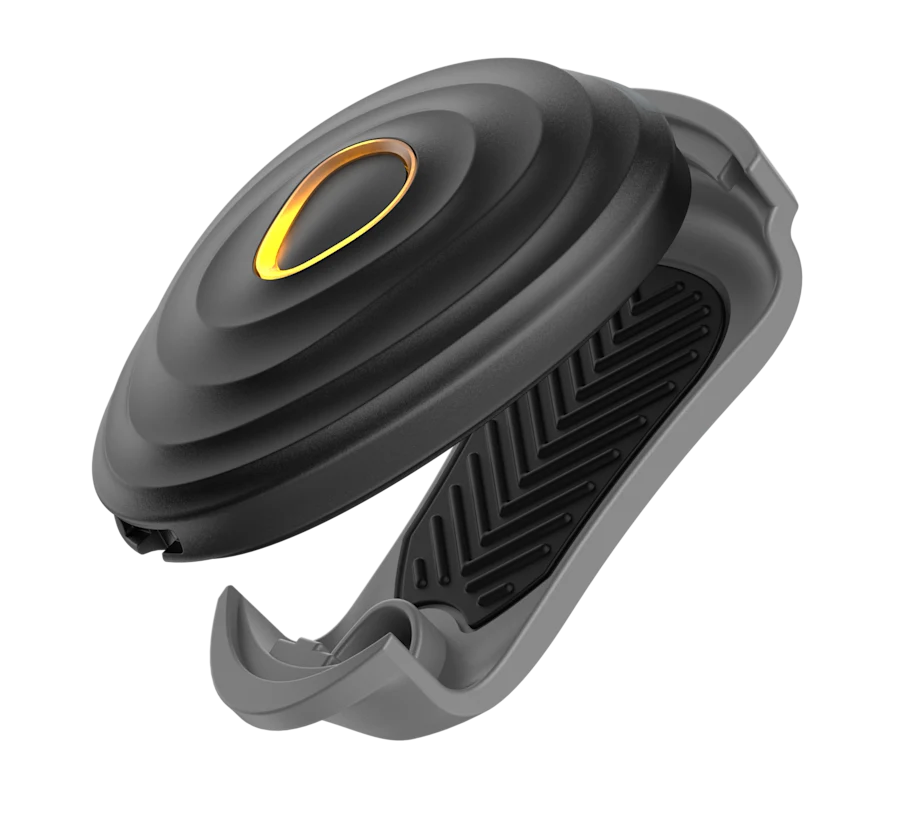
Stryd 5.0 is the easy recommendation because it does the job this search is asking for. It clips to a shoe and calculates power, pace and distance while you run. The current pod is smaller than the previous generation and is designed to respond quickly as grade and speed change.
The best reason to buy it is consistency. Power reacts faster than heart rate when an interval starts, and it gives runners another way to control effort on rolling routes. The same pod can also provide pace and distance on a treadmill, where GPS cannot help.
There is a learning curve. You need a reliable Critical Power estimate, sensible zones and a watch setup that displays Stryd power rather than a second brand’s power. It is also expensive if you only want smoother live pace. Read our best Bluetooth foot pod comparison before paying for features you may not use.
Our verdict: Stryd 5.0 is the best current buy for this specific job. It is not a magic speed tool. Its value comes from using the same data source long enough to set zones and make pacing decisions.
2 · Best for bilateral analysis
Stryd Duo 5.0
Best for: Data-focused runners, coaches and rehab teams who have a clear plan for left/right metrics.
Stryd Duo uses one matching pod on each shoe. It adds balance metrics for ground contact time, vertical oscillation, vertical ratio, leg spring stiffness and impact loading rate. It can also create dual-sided Footpath views after a run.
That sounds more useful than it is for many shoppers. A graph can show that your left and right sides differ, but it cannot explain why. In owner discussions, some runners used the trends to guide strength work or conversations with a physiotherapist. Others said the information was interesting but hard to turn into action.
The core Duo balance metrics do not require a membership. Footpath does. Watch support also differs: some watches record the full set smoothly, while others require a separate offline sync to the Stryd app. Check your exact model before buying a second pod.
Our verdict: Duo is the better analysis tool, but the single pod is the better purchase for most runners. Do not buy Duo because you expect it to diagnose pain or prevent injury.
The free alternative: use your watch’s running power
A supported running watch may already estimate power at the wrist or with a compatible accessory. This is the best place to start if you are curious about power but do not need shoe-based pace, treadmill distance or the Stryd training system.
The tradeoff is that each ecosystem produces its own value. Stay with one source when you set zones or compare workouts. Switching between Garmin watts, Apple watts and Stryd watts can make a normal change in algorithms look like a change in fitness.
If you need a new device, compare our best running watches and best Garmin watches for running. Do not buy a new watch only for power until you know you will use it.
Why RunScribe Red is not a consumer pick
RunScribe Red is a two-pod gait-analysis system for coaches, physiotherapists, podiatrists and labs. It reports power among many gait metrics, but RunScribe itself says the platform is not a Stryd alternative. That is why it appears in the comparison table but not in the shopping picks.
If you are a clinic or coach, review the professional RunScribe platform. If you are a runner who wants live workout guidance, choose Stryd or start with watch-native power.
What running power can and cannot tell you
Running power is an estimate of how hard you are working, expressed in watts. A shoe pod uses motion and environmental sensor data with an algorithm. It is not a direct mechanical measurement like a cycling power meter with strain gauges.
Heart rate still matters. It reflects your body’s response, but it takes time to rise at the start of a hard effort and can drift with heat, fatigue and hydration. Power responds faster, while heart rate and perceived effort help you decide whether the planned output is sustainable that day.
How to make running power worth the money
You can also use our running training zones calculator to understand the role of zones, but do not substitute heart-rate zones for power zones. They describe different signals.
Watch compatibility and setup mistakes to avoid
Stryd supports many Garmin, Apple Watch, COROS, Polar, Suunto, Wahoo and Wear OS devices, but the experience is not identical. Some watches record all metrics. Others show only power, pace, distance and cadence, or need an offline sync for advanced data. Use Stryd’s current compatibility guide for your exact watch.
Garmin owners: Garmin’s native running power and Stryd power are separate values. Pairing Stryd as a foot pod does not turn Garmin power into Stryd power. Follow Stryd’s current Garmin instructions, use the recommended Stryd data field and decide which source you want recorded before your first important workout.
Also check which device owns the Bluetooth connection. Stryd can communicate through Bluetooth and ANT+, but a competing connection or the wrong watch setting can create missing data. Test the full setup on an easy run before race day.
For treadmill sessions, compare the pod with your normal effort and known routes rather than assuming the treadmill console is perfect. Use our treadmill pace calculator to translate speed and pace, then keep the same distance source from run to run.
What runners say after buying one
Recent owner discussions show a clear pattern. Runners who bought Stryd for steadier live pace or treadmill distance often found that benefit easy to understand. In one recent Reddit discussion, several owners said Stryd made interval pace more stable when GPS pace fluctuated.
Duo feedback is more mixed. Some owners used left/right changes to support strength work or a discussion with a physiotherapist. Others said the graphs were not actionable enough to justify a second pod. That matches our recommendation: buy Duo for a planned analysis use, not because more data sounds automatically better.
Garmin forum threads reveal another repeated issue: runners may see both Garmin power and Stryd power in the same activity and assume one comes from the other. It does not. A clean setup and one chosen source matter more than adding another data screen.
How we used forum feedback: Reddit and support forums help identify recurring setup and ownership issues. They are personal experiences, not controlled tests. We checked product and compatibility claims against current manufacturer documentation.
Products we would not buy for this job
- COROS POD 2: useful for quicker pace response, indoor distance and running-form data inside the COROS ecosystem, but it does not replace a dedicated Stryd running-power source.
- Garmin Running Dynamics Pod: a waistband sensor for running dynamics, not a shoe-mounted running power meter.
- Polar Stride Sensor: a shoe pod for speed, distance, cadence and stride length, not a running power sensor.
- Old Stryd listings: avoid buying an older generation by mistake simply because its Amazon page still appears in search.
- Discontinued or unsupported pods: NURVV, SHFT and other older systems may appear in roundups, but current support and replacement parts matter for connected hardware.
How we chose the best running power sensor
Our approach: We compared current manufacturer specifications, membership requirements, supported watch workflows, published research and recent owner discussions. We excluded products that only report pace, are worn at the waist, are discontinued or are positioned for professional gait labs rather than everyday runners.
About the author: Justin Evenden is a marathon runner and triathlete who has owned and trained with several Garmin Forerunner models. RunningGearLab has not yet completed a long-term hands-on test of the current Stryd 5.0 or Duo 5.0. This guide clearly separates verified specifications, research findings and owner reports from our buying judgement.
What would change our pick: A new shoe-mounted sensor would need current retail support, reliable watch compatibility and a useful live power workflow. We will also update this guide after direct long-term testing.
Running power sensor FAQ
What is the best running power sensor for shoes?
Stryd 5.0 is the best current choice for most runners. It is a dedicated shoe-mounted sensor for power, pace and distance, works with several major watch ecosystems and does not require a membership for core power training.
Is Stryd 5.0 better than watch-based running power?
It is better when you want a separate, consistent Stryd source plus shoe-based pace and treadmill distance. Watch power is the better value if it already gives you useful guidance and you do not need the extra sensor or Stryd training tools.
Should I buy one Stryd or Stryd Duo?
Buy one Stryd 5.0 for power, pace and distance. Buy Duo only if you have a clear reason to track left/right balance and will review that data over time. Most runners do not need the second pod.
Does Stryd require a subscription?
No. Stryd says membership is not required for core use and power-based training. Some advanced services require membership. Stryd Footpath requires an active membership, even when you own Duo.
Does Stryd work with Garmin watches?
It works with many Garmin models, but setup is more involved than on some platforms. Stryd power and Garmin native power are separate. Confirm your exact model, follow the current Stryd Zones setup guide and test what gets recorded before a race.
Can Stryd Duo prevent running injuries?
No sensor can promise that. Duo can show asymmetry trends that may support a discussion with a qualified professional, but it cannot diagnose the cause of pain or replace an assessment.
Is Stryd good for treadmill running?
Yes. Stryd can provide shoe-based pace and distance indoors as well as running power. Your treadmill console and pod may still disagree because they measure different things, so choose one consistent source for comparing workouts.
Useful next steps
Sources and further reading
- Stryd Canada store and current 5.0 specifications
- Stryd Duo and Footpath FAQ
- Stryd watch compatibility guide
- Stryd Garmin setup guide
- Peer-reviewed study of Stryd power and running parameters
- RunScribe professional gait-analysis platform
- Reddit owner discussion about Stryd 5.0 pace
- Reddit owner discussion about Stryd Duo use
- Garmin forum discussion of native and Stryd power fields