Best Bluetooth Foot Pod for Running 2026: 3 Current Picks
Running tech guide
Quick answer: Choose Stryd 5.0 for the best all-around pace, distance and running-power sensor. COROS owners can save with POD 2. For one home treadmill, buy NPE Runn instead.
Best picks at a glance
Best overall
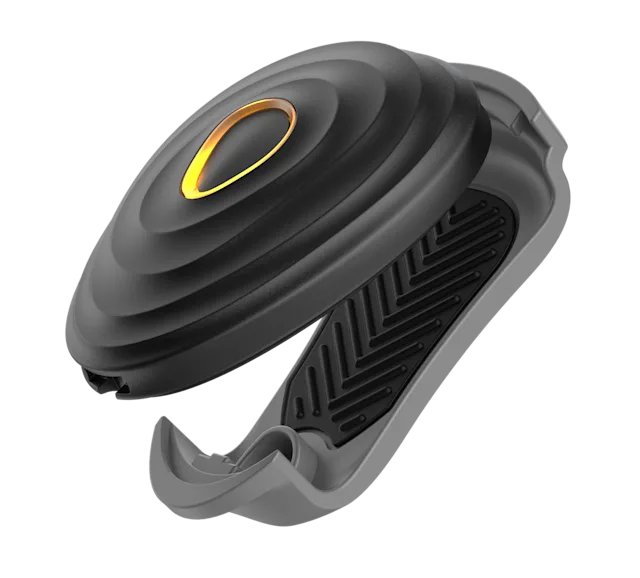
Stryd 5.0
Best for responsive pace, treadmill distance and running power across several major watch brands.
Best for COROS

COROS POD 2
Best-value upgrade for faster live pace and better indoor distance on a compatible COROS watch.
Best for a home treadmill
NPE Runn
Best for measuring belt speed, distance and incline on a treadmill that stays in your home.
Bluetooth running sensor comparison
| Product | Works with | Main job | Running power | Placement | Price band |
|---|---|---|---|---|---|
| Stryd 5.0 | Garmin, Apple Watch, Polar, Suunto, COROS, Wahoo and supported apps; verify the exact device | Responsive pace, distance and power indoors or outside | Yes | Shoe | $$$ |
| COROS POD 2 | Compatible COROS watches and specified Decathlon models | Faster pace response, indoor distance and form metrics | No; uses Effort Pace | Shoe or waist | $$ |
| Polar Stride Sensor | Devices and apps supporting the Bluetooth Running Speed and Cadence service | Speed, distance, cadence and stride length | No | Shoe | $–$$ |
| NPE Runn | Supported Bluetooth or ANT+ watches and training apps | Treadmill belt speed, distance, incline and cadence | No | Treadmill rail | $$ |
Compatibility comes first. “Bluetooth” does not mean every sensor talks to every watch. COROS POD 2 uses Bluetooth but is limited to the COROS ecosystem. Check your exact watch or app before buying.
The best Bluetooth foot pods for running
1 · Best overall
Stryd 5.0
Best for: Runners who want responsive pace and distance plus a real training system built around running power.
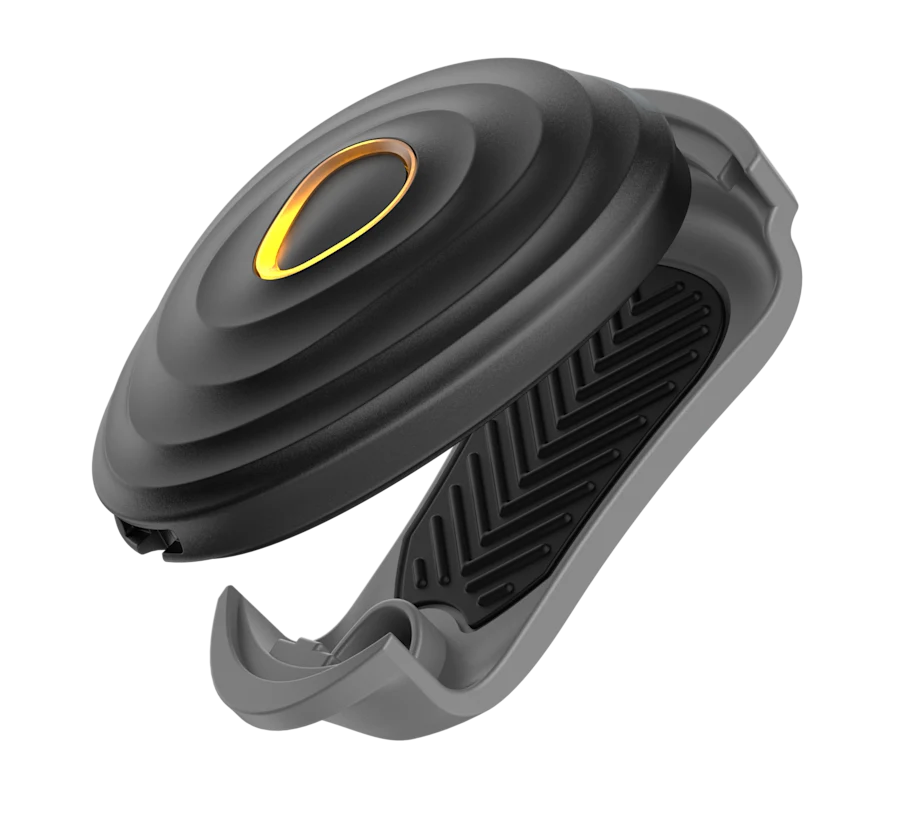
Stryd 5.0 is the easiest recommendation when accuracy and flexibility matter more than price. It clips to your laces and can supply pace and distance when GPS is unreliable or unavailable. It also estimates running power, which gives you a more immediate effort target than heart rate on hills and during short intervals.
The current 5.0 pod is smaller than the previous generation, weighs 8 grams and communicates through both Bluetooth and ANT+. Stryd lists support for Garmin, Apple Watch, Polar, Suunto, COROS and Wahoo, although the setup and available fields vary. Garmin users should expect to configure the pod and Stryd data field rather than simply pairing it once and forgetting every setting.
You do not need a paid Stryd membership for core pace, distance and power use. The membership adds training, analysis and advanced features, including Footpath access. Check the current plans before choosing a discounted bundle because the lowest upfront price may include a membership commitment.
What runners consistently mention: Owners often value Stryd as much for steady live pace and indoor distance as for power. The common confusion is seeing a different number from the treadmill console. That does not automatically mean the pod is wrong. Stryd explains that the belt display and the runner’s actual movement are different measurements. Some owners also report that shoe changes or watch settings can affect the result, so setup still matters. See the treadmill consistency discussion and Stryd’s treadmill explanation.
2 · Best for COROS watches
COROS POD 2
Best for: A compatible COROS owner who wants quicker pace response and better indoor data without paying Stryd prices.
COROS POD 2 is the better-value answer when you already own a compatible COROS watch. Worn on your shoe, it improves instant pace response, indoor distance and tracking when buildings or other obstructions weaken GPS. Move it to the centre of your waistband and it records a different set of running-form metrics.
The important limitation is easy to miss: it is not a general Bluetooth foot pod. COROS says a COROS watch is required, apart from two specified Decathlon GPS models. It will not become a pace pod for a Garmin simply because both devices support Bluetooth. It also does not measure running power. COROS uses its own Effort Pace metric instead.
Place it on the shoe for treadmill running. COROS does not recommend it for curved treadmills, where foot motion can make pace and distance harder for any foot pod to estimate.
What runners consistently mention: The clearest benefit is reduced pace lag, especially during intervals. Treadmill experiences are mixed. Some owners report much closer distance than watch-only tracking, while others still adjust the workout afterward. That is a reason to buy for your exact use case, not for a long list of metrics you may never open. Compare the mixed owner reports in this COROS POD 2 discussion.
3 · Simpler standard-Bluetooth option
Polar Stride Sensor Bluetooth Smart
Best for: Runners who want basic Bluetooth speed and distance and can find the correct sensor at a sensible price.

Polar’s Stride Sensor is the straightforward option in this guide. It clips to your shoe and sends speed, distance and stride information through the standardized Bluetooth Running Speed and Cadence service. That gives it broader potential app compatibility than the COROS POD 2, but the receiving device still needs to support that profile.
This is an older sensor, and North American stock can be inconsistent. Polar still lists it in its global store, but availability and prices vary. Do not overpay for old stock when a used Stryd or a different solution would cost nearly the same.
Calibration deserves attention. A calibration that works outdoors may not make the sensor match a treadmill console because your stride and the treadmill belt behave differently indoors. If you use it mainly on one treadmill, calibrate for that environment and judge consistency over several runs.
What runners consistently mention: Owners can get useful treadmill data after calibration, but several discussions describe different readings indoors and outside. The bigger 2026 problem is simply finding the correct Bluetooth Smart version in stock. See this recent Polar treadmill calibration discussion.
4 · Best home treadmill alternative
NPE Runn Smart Treadmill Sensor
Best for: A household that wants one sensor left on a home treadmill for Zwift and compatible watches or apps.
The NPE Runn is not a foot pod, but it may be the better purchase for a home treadmill. The sensor mounts near the belt and uses reflective stickers to measure belt movement. It then broadcasts speed, incline and cadence over Bluetooth or ANT+.
This approach avoids tying the setup to one runner’s shoes. Several people can use the treadmill without moving or recalibrating a pod between pairs. It also makes sense for Zwift running because Runn remains a current product in Zwift’s store, while the old Zwift RunPod has been discontinued.
The tradeoff is portability. You cannot attach it to a public treadmill for one workout, and the installation works best when the sensor and reflective strips stay in place. It measures the treadmill belt, not the runner’s power or outdoor pace.
What runners consistently mention: Owners like leaving Runn attached and having speed appear automatically in compatible apps. Setup is usually manageable, but the reflective strips must stay aligned and incline calibration is not equally precise on every treadmill. Read the current specifications and verified-owner notes on the Zwift Runn page.
What runners say after using foot pods
Forum comments are useful for finding repeated problems, but they are not controlled tests. We reviewed current discussions from Stryd, COROS, Polar, Zwift, Garmin and triathlon communities and looked for themes that appeared more than once.
- Live pace is the benefit people notice first. Runners doing intervals often care more about reduced lag than another page of post-run metrics.
- Treadmill numbers rarely agree perfectly. The console, watch, shoe pod and belt sensor may all measure something slightly different.
- Calibration still matters. A sensor can be consistent without matching a treadmill display. Use a measured track when you need an independent reference.
- Compatibility complaints are common. Buyers see “Bluetooth” and assume universal support. That is especially risky with COROS POD 2.
- Extra metrics are not automatically useful. Ground contact time or vertical movement only helps when you know what decision the data will change.
Do you actually need a foot pod?
You probably do not need one for ordinary outdoor runs in clear GPS conditions. A current running watch already records enough information for most easy runs, long runs and races. Before buying another sensor, use our Running Watch Finder or compare the best running watches to see what your current setup can already do.
A foot pod becomes more useful when you run indoors, do short intervals, train around tall buildings, need steadier instant pace or want to use running power. For home treadmill training, compare the cost with a fixed sensor and make sure the treadmill itself suits real running. Our quiet treadmill guide explains the deck, motor and noise questions that matter before adding technology.
Bluetooth foot pod buying checklist
1. Confirm the exact watch and app
Check the manufacturer’s compatibility page for your exact watch model. Bluetooth is only the connection method. The devices still need to speak the same running-sensor profile.
2. Decide which number you are trying to improve
Buy for a specific job: live pace, indoor distance, Zwift speed or running power. If you cannot name the number that bothers you now, the extra sensor may become another device you charge without using.
3. Separate consistency from matching the treadmill
A pod that reports repeatable pace can still disagree with the treadmill console. Use the same source for comparable workouts. Our treadmill pace calculator converts km/h or mph to pace once you choose which speed source to follow.
4. Check the ongoing cost
Stryd works without a membership for its core functions, but some analysis and training features are paid. Read the bundle terms instead of comparing only the amount due today.
5. Think about shoe changes
A shoe pod needs to move when you rotate trainers. Buy an extra clip only if it will save enough inconvenience to matter. Check that the clip sits straight on shoes with offset or unusual lacing.
Products we would not buy for this job
Garmin Running Dynamics Pod: This waistband pod uses ANT+, not Bluetooth, and records running-dynamics metrics. It is not the old shoe-mounted Garmin foot pod and is not the answer when you need treadmill pace and distance.
Zwift RunPod: Zwift discontinued it in 2026. A cheap used unit may still connect, but runners frequently discuss recalibration and pace drift. We would not build a new setup around unsupported older hardware.
Generic cycling sensors labelled for running: A Bluetooth cadence or wheel-speed sensor does not automatically broadcast the running-speed profile your watch or app expects. Buy only when the exact receiving device lists it as compatible.
How we chose these picks
Runner-reviewed and carefully researched: Justin is a marathoner and triathlete who uses a Garmin Forerunner 170 after owning the Forerunner 955 and 165. That gives us a practical reference point for live pace, structured workouts and the gap between a useful metric and one that is merely interesting.
We have not personally run with every sensor in this guide. We checked current manufacturer specifications, compatibility pages, software requirements and availability. We then reviewed owner discussions across Reddit, Garmin forums, Zwift forums and triathlon communities to find repeated setup problems and long-term use patterns. We did not convert isolated comments into ratings or claim laboratory accuracy we did not test.
Bluetooth foot pod FAQ
What is the best Bluetooth foot pod for running?
Stryd 5.0 is the best overall choice because it combines broad watch support with responsive pace, distance and running power. COROS POD 2 is the better-value choice for compatible COROS watch owners.
Is the Garmin Running Dynamics Pod a Bluetooth foot pod?
No. Garmin’s Running Dynamics Pod clips to the waistband and connects through ANT+. It records form metrics, not the pace and distance job most treadmill runners expect from a shoe-mounted foot pod.
Does Stryd require a subscription?
No subscription is required for core use such as pace, distance and running power. Some training, analysis and Footpath features require a current Stryd membership.
Can COROS POD 2 connect to a Garmin watch?
No. COROS states that POD 2 requires a compatible COROS watch, apart from its listed Decathlon GPS models. Its Bluetooth connection does not make it a universal foot pod.
Will a foot pod match my treadmill speed?
Not always. The treadmill estimates belt speed while the pod estimates the runner’s movement. Calibration, belt behaviour, pace and running form can all create a difference. Consistency across similar runs can be more useful than forcing every display to match.
Is the Zwift RunPod still worth buying?
Only as a very inexpensive used option if you accept older, discontinued hardware. For a new home setup, use Stryd or install the current NPE Runn sensor on the treadmill.
Useful next steps
Bottom line
Buy Stryd 5.0 when you want the most capable foot pod and will use its pace, distance or power data. Buy COROS POD 2 when you already own a compatible COROS watch and want a less expensive pace upgrade. Consider Polar only when the correct Bluetooth version is readily available. For a treadmill that stays in your home, NPE Runn may be the cleaner long-term setup.
Specification sources: Stryd technical FAQ · COROS POD 2 FAQ · Polar compatibility · NPE Runn specifications. Prices, stock and software can change after publication.