Best Watches for Ultra Runners in 2026: 6 Picks for 50K to 100 Miles
An ultra watch has one job before everything else: keep recording until you finish. After that, look at GPS accuracy, maps, buttons, comfort and the features you will actually use when you are tired, wet or running in the dark.
For a 50K, battery is rarely difficult. For a mountain 100K, 100 miler or multi-day event, the GPS mode you choose matters as much as the number printed on the box. This guide separates the big battery claims from the higher-accuracy modes you are more likely to use on technical trails.
Affiliate disclosure: RunningGearLab may earn a commission from links on this page, at no extra cost to you.
How we compared: Battery figures are manufacturer estimates. For technical trails, we give more weight to the higher-accuracy GPS mode than the largest headline number. Cold, navigation, music, screen use and connected sensors can shorten real race battery life.
September 2026 Apple update: Apple Watch Ultra 4 is now the current model. Apple rates outdoor workout tracking for up to 45 hours. The Ultra 3 section below remains useful when you find it at a meaningful discount, but compare Ultra 4 before paying full price.
Best Overall for Ultras
Garmin Enduro 3
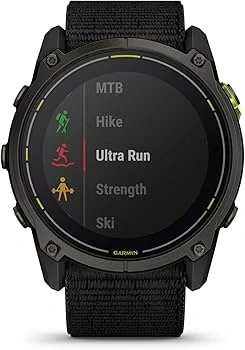
For an ultra-specific watch, I would start here before the fēnix. Enduro 3 is built around long races: it weighs 63 g, has full Garmin maps and physical buttons, and is rated for up to 120 hours GPS-only or 60 hours in multi-band mode before adding ideal solar conditions.
The fēnix 8 Solar 51 mm is still the better pick if you want more of an all-purpose outdoor watch with a speaker, microphone and a heavier premium build. For pure ultra use, Enduro 3 gives you more battery at much less weight.
Jump to Find Your Watch Battery & Maps Quick Picks Compare 3 Choose by Race Full Reviews What Ultra Runners Say FAQ Updated September 22, 2026
Which ultra watch fits your longest race?
Choose for the day when the race takes longer than planned, not your perfect finish time.

What matters most in an ultra watch?
Battery numbers are easy to misuse because every brand labels its GPS modes differently. Tap a category to see what changes the buying decision.
Best Watches for Ultra Runners in 2026
Select up to three watches to compare the battery mode you would actually race with, maps and the main tradeoff.
Garmin Enduro 3
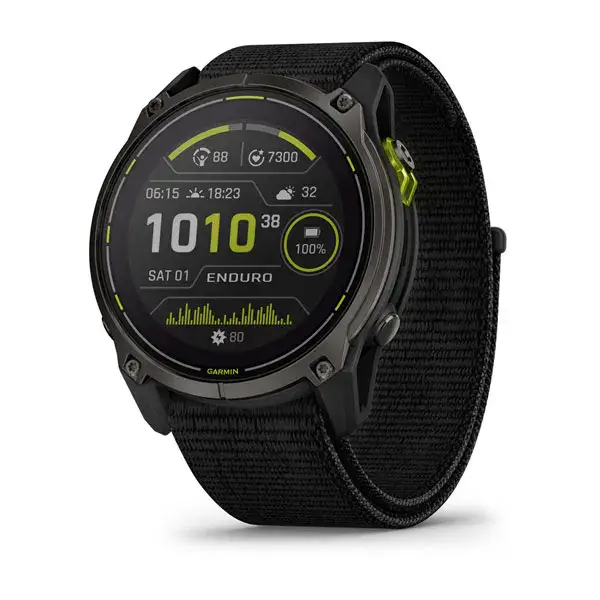
Purpose-built for long endurance events, with huge battery, Garmin maps and a lighter nylon-band design.
Garmin fēnix 8 Solar 51 mm
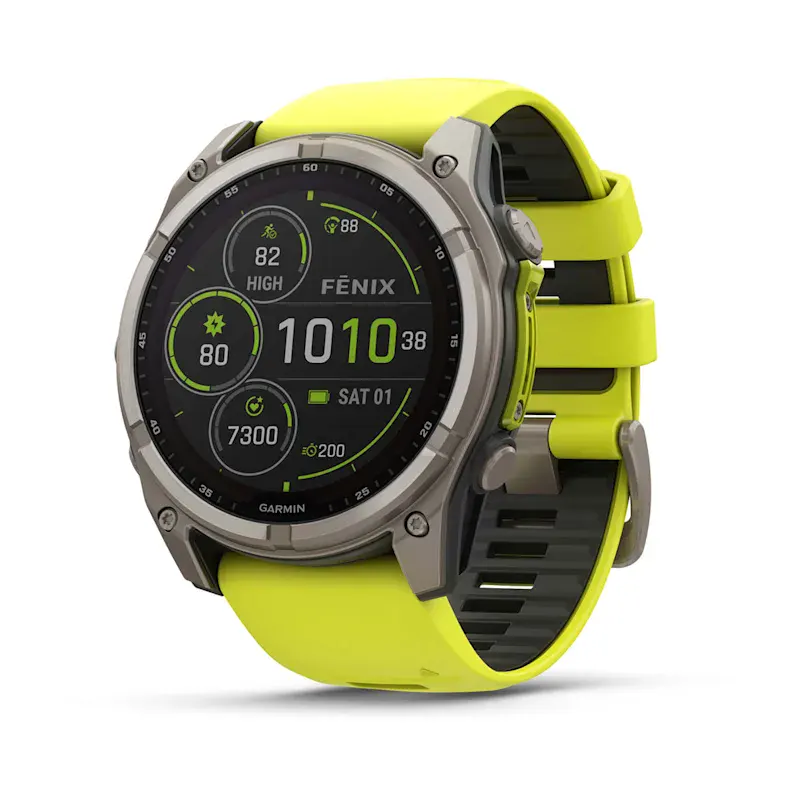
Excellent battery and full Garmin maps with a more premium outdoor-watch build, speaker and microphone.
Suunto Vertical 2
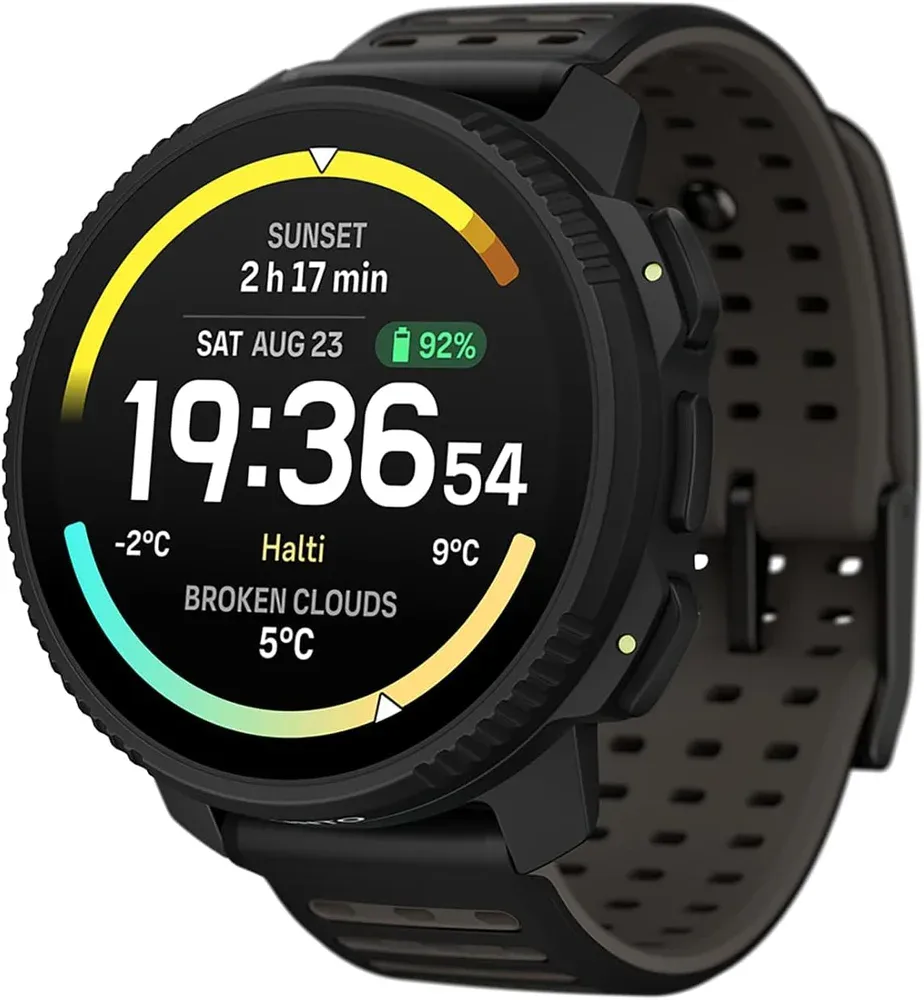
A bright 1.5-inch AMOLED screen, free offline maps and 65 hours in Suunto’s best-accuracy multi-band mode.
COROS APEX 4 46 mm
Current COROS mapping, dual-frequency GPS and up to 65 hours All Systems GPS without stepping up to VERTIX size or price.
COROS VERTIX 2S
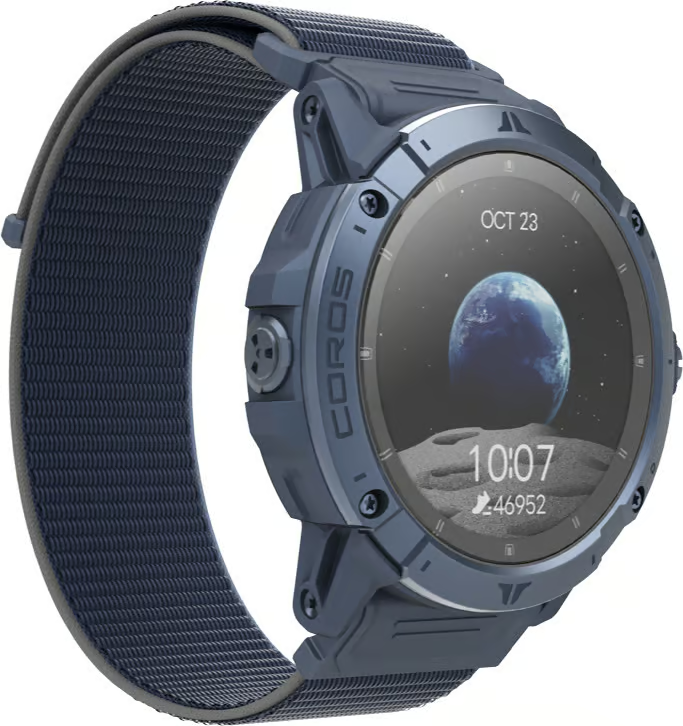
Still a battery-heavy adventure watch, but its 118-hour headline falls to 43 hours in dual-frequency mode.
Apple Watch Ultra 3
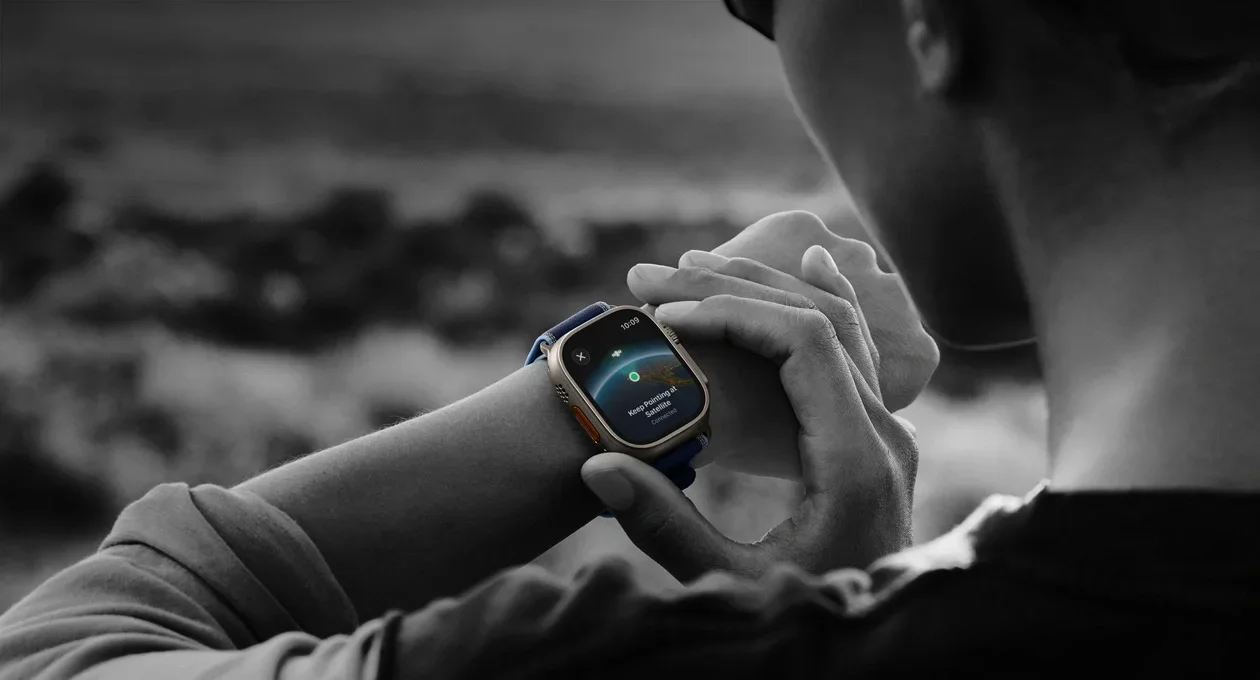
Worth considering when it is meaningfully cheaper than Ultra 4. It can work for shorter ultras, but long races still need careful battery planning.
*Apple’s 20-hour figure is for continuous outdoor workout tracking in Low Power Mode with full GPS and heart-rate readings. Garmin, COROS and Suunto use different mode names, so these numbers are not direct lab-to-lab comparisons.
Choose by Race
Your finish-time buffer matters more than the biggest battery number
50K and races under about 12 hours
You probably do not need an Enduro 3. APEX 4, Vertical 2, fēnix 8 Solar and Apple Watch Ultra 3 can all make sense. Choose based on maps, comfort and the rest of your training.
50 miles to 100K
Battery starts to matter more, especially with navigation, cold weather and long night sections. APEX 4 and Vertical 2 have strong high-accuracy battery. Enduro 3 gives you much more room if your finish time is uncertain.
100 miles and 24 to 40 hours
I would want a large buffer in the exact GPS mode I plan to use. Enduro 3 is the easiest recommendation. fēnix 8 Solar, Vertical 2 and VERTIX 2S can work, but check their higher-accuracy modes rather than the headline GPS-only number.
40+ hours and multi-day events
Enduro 3 moves clearly ahead. You can also use lower-power GPS modes on several watches, but the accuracy tradeoff gets more important in difficult terrain. Test those modes before race day.
Do one race-settings test: use the same GPS mode, navigation, heart-rate sensor, alerts, screen settings and music setup on a long training day. Brand battery estimates are useful for comparing watches, but your own settings are what matter at hour 28.
Full Reviews
The 6 Ultra Watches I Would Compare First
1
Best Overall for Ultras
Garmin Enduro 3
Size / weight51 mm · 63 g
GPS-only120 hr · 320 hr solar
Multi-band60 hr · 90 hr solar
Good choice if: 100K, 100 miles or multi-day events are the reason you are buying the watch.
Enduro 3 deserves the top spot because Garmin designed it for exactly this job. You get full TopoActive maps, multi-band GPS, ClimbPro, aid-station rest timing in the ultrarun activity, an LED flashlight and Garmin’s full training and recovery system.
The battery numbers also make more sense for long racing than the fēnix. Garmin rates it for 120 hours GPS-only and 60 hours in all-systems multi-band before solar. Under Garmin’s ideal solar assumptions, those rise to 320 and 90 hours.
The catch is size. It only comes in 51 mm. The nylon UltraFit band keeps the full watch to 63 g, which is much lighter than the 51 mm fēnix 8 Solar, but it is still a wide watch.
Buy it if: the race can go overnight or well past your planned finish time.
Skip it if: your longest race is a quick 50K and you dislike 51 mm watches.
2
Best All-Purpose Rugged Garmin
Garmin fēnix 8 Solar 51 mm
Size / weight51 mm · 95 g
GPS-only95 hr · 149 hr solar
Multi-band52 hr · 65 hr solar
Good choice if: you want one premium watch for ultras, hiking, skiing, travel and everyday outdoor use.
The fēnix 8 Solar used to be my first pick here, and it is still excellent. The Enduro 3 moves ahead for ultra-specific use because it is lighter and lasts longer.
What fēnix gives you is a more complete outdoor smartwatch. The 51 mm Solar model adds a speaker and microphone, leakproof buttons, full Garmin maps, a flashlight, multi-band GPS, Garmin Pay and music storage.
For race planning, use the 52-hour multi-band figure as the more conservative starting point, not only the 95-hour GPS-only headline. Solar can help, but Garmin’s solar estimates assume strong light conditions that you may not get under tree cover, clouds, sleeves or at night.
Buy it if: you want a premium outdoor watch that also handles ultras very well.
Skip it if: you mainly care about ultra battery and would rather wear a 63 g Enduro.
3
Best Bright Map Screen
Suunto Vertical 2
Display1.5-inch AMOLED
Best GPS mode65 hr multi-band
Tour modeUp to 250 hr*
Good choice if: you want bright, fast offline maps and enough high-accuracy battery for most 100-mile races.
Vertical 2 earns its place here by pairing a large AMOLED display with serious race battery. Suunto rates it for up to 65 hours in Performance mode using its best-accuracy multi-band GPS, and the offline maps are free.
That combination matters because it avoids one of the usual ultra-watch compromises. You do not have to choose a dimmer MIP screen just to get serious race battery.
Tour mode stretches much longer, but it lowers GPS accuracy and turns heart rate off. I would treat that as an expedition option, not the number to use when comparing normal race tracking.
Buy it if: readable maps and a simpler interface matter more than Garmin’s larger feature list.
Skip it if: Garmin Pay, music storage and Garmin’s training ecosystem are important to you.
4
Best Lighter Value Pick
COROS APEX 4 46 mm
Size46 mm
All Systems GPSUp to 65 hr
MapsTopo + trail/street names
Good choice if: you want current COROS maps and plenty of ultra battery without wearing the larger VERTIX 2S.
APEX 4 is the COROS I would look at first for most runners. It is newer than VERTIX 2S, and the maps are much more useful now, with street and trail names, points of interest and turn-by-turn navigation.
The 46 mm version is rated for up to 65 hours in All Systems GPS. COROS also offers more demanding high-accuracy modes that use battery faster, so test the mode you plan to race with rather than assuming 65 hours applies to every setting.
For a 50 miler or 100K, this may be all the watch you need. It also makes sense for 100-mile runners who expect to finish comfortably inside its tested battery window.
Buy it if: you want a current COROS mountain watch without VERTIX bulk.
Skip it if: maximum battery is more important than size and newer mapping hardware.
5
Best COROS for Maximum Battery
COROS VERTIX 2S
Size50.3 mm
Standard GPS118 hr
Dual-frequency43 hr
Good choice if: you want a rugged COROS with huge standard-GPS battery and do not mind its older hardware.
VERTIX 2S is still a serious ultra watch, but I would not automatically call it the battery winner without explaining the GPS mode. COROS rates it for 118 hours in standard GPS, 73 hours with all systems on and 43 hours in dual-frequency mode.
That is still plenty for many ultras. You also get a sapphire display, titanium bezel, offline maps, tactile buttons and a large digital dial that works well with gloves.
What changed is the competition. APEX 4 now has faster maps and newer hardware, while Enduro 3 and Vertical 2 are stronger current alternatives. VERTIX makes the most sense when its big standard-GPS battery and COROS simplicity are exactly what you want.
Buy it if: you want COROS durability and very long standard-GPS battery.
Skip it if: you want the newest COROS mapping experience or a smaller watch.
6
Best Discounted iPhone Pick
Apple Watch Ultra 3
Size49 mm
Normal useUp to 42 hr
Outdoor workoutUp to 20 hr*
Good choice if: you use an iPhone, find Ultra 3 at a strong discount and mainly race shorter ultras.
Apple rates Ultra 3 for up to 42 hours of normal use, 72 hours in Low Power Mode and up to 20 hours of continuous outdoor workout tracking in Low Power Mode with full GPS and heart-rate readings.
It also adds satellite communication, dual-frequency GPS, offline navigation tools, cellular options and the best normal smartwatch experience in this group.
Twenty hours still changes the recommendation for a long ultra. If you expect a 24 to 30 hour 100 miler, Garmin, Suunto or COROS gives you much more room without planning a charge. For a 50K or faster 50 miler, Ultra 3 can be a reasonable choice if you value the Apple ecosystem.
Buy it if: you want an iPhone smartwatch first and your race fits the battery.
Skip it if: you want a simple no-charge plan for a long 100 miler.
One More Garmin
What about the fēnix 8 Pro?
The fēnix 8 Pro is worth looking at if off-grid communication is more important than maximum battery. Garmin adds built-in inReach LTE and satellite communication, including two-way messaging and SOS support with a required inReach plan. It is not my default ultra pick because Enduro 3 is lighter and built around endurance battery, but remote runners may value communication more than another day of battery.
Real-World Feedback
What ultra runners keep bringing up
Enduro 3 battery is hard to argue with, but 51 mm is still 51 mm
Recent runners comparing Enduro 3 with Vertical 2 often like Garmin’s training system and battery, while some move to Suunto because the Enduro feels large and its MIP maps can feel slower to read.
Vertical 2 has won people over with screen and map speed
Several recent Garmin-to-Suunto owners praise the brighter display, faster-feeling maps and simpler layouts. Other owners still prefer Garmin because of its software depth, payments and ecosystem. This is a real preference split, not a clear winner.
APEX 4 is showing up in 50-mile, 100K and 100-mile conversations
Recent ultra runners regularly recommend APEX 4 when someone wants maps, enough battery for roughly a day of racing and a lower price than top Garmin models. Navigation is one of the features owners mention appreciating most when fatigue sets in.
VERTIX 2S is proven, but it no longer wins simply by existing
The battery is still excellent, and long-time COROS owners often praise durability. But current buyers are also comparing it with the newer APEX 4 and Vertical 2 rather than assuming the largest COROS is automatically best.
Apple Ultra 3 owners like the daily watch more than the ultra-race compromise
Runner feedback is positive about the Apple experience and improved battery, but even high-mileage Ultra 3 users often keep Garmin or another endurance watch for 50K-plus mountain efforts. Battery drain also varies with cellular, music and settings, which makes a long-race test important.
More Ultra Help
Keep Planning
Common Questions
Ultra Running Watch FAQ
What is the best watch for ultra running in 2026?
For an ultra-specific purchase, start with Garmin Enduro 3. It combines full maps, physical buttons and very long battery with a 63 g nylon-band design. The fēnix 8 Solar is better if you want a heavier all-purpose premium outdoor watch.
How much GPS battery do I need for a 100-mile race?
Buy more battery than your expected finish time in the GPS mode you will actually use. If you expect 28 hours, a 30-hour claim leaves very little room for cold weather, navigation, screen use, sensors, wrong turns or a slower second half.
Why are ultra-watch battery numbers so confusing?
Brands use different GPS modes. Garmin lists GPS-only, all-systems and multi-band modes. COROS separates standard GPS, all systems and dual frequency on some models. Suunto uses Performance and Tour modes. Compare the mode that matches the accuracy you need, not only the largest number.
Is the Garmin Enduro 3 better than the fēnix 8 Solar for ultras?
For pure ultra running, usually yes. Enduro 3 is lighter and has longer battery. Choose fēnix 8 Solar if you want its more premium build, speaker and microphone, or prefer it as an all-purpose outdoor watch.
Is Apple Watch Ultra 3 good for ultra running?
It can be excellent for 50K racing and some shorter ultras, especially for iPhone users. Apple rates continuous outdoor workout tracking at up to 20 hours in Low Power Mode with full GPS and heart rate. For a 24 to 40 hour race, Garmin, Suunto or COROS gives you more battery margin.
Is COROS APEX 4 or VERTIX 2S better for ultras?
APEX 4 is the better starting point if you want newer maps, a 46 mm option and up to 65 hours All Systems GPS. VERTIX 2S makes more sense if you want a larger rugged COROS and its very long standard-GPS battery.
Do I need full maps for an ultra?
Not for every race. A well-marked local 50K may only need route alerts. For mountain races, confusing trail networks, remote training days or unsupported routes, full offline maps are worth paying for. Carry a backup navigation method on remote routes.
Should I use multi-band GPS for an ultra?
Use it when terrain makes GPS difficult, such as deep valleys, cliffs, dense forest or built-up areas. It normally uses more battery. On open terrain, an automatic or all-systems mode may give you enough accuracy with a longer battery window. Test your chosen mode before race day.
Bottom line: Enduro 3 is the ultra-first pick. fēnix 8 Solar is the premium all-purpose Garmin. Vertical 2 is the bright-map alternative, APEX 4 is the current lighter-value choice, VERTIX 2S is for runners who still want a large battery-focused COROS, and Apple Watch Ultra 3 now makes the most sense as a discounted iPhone option. Compare Ultra 4 before paying full price.