Best Blister Prevention Products for Runners (2026)
If running blisters are making every step miserable, start with the spot where they form. Toe blisters often need toe socks. A hot spot that appears in the same place may need tape. Heel or side-of-foot blisters usually call for a shoe-fit check before another product. The goal is not to coat your whole foot. It is to stop the movement or pressure that keeps hurting the same patch of skin.
My most reliable setup has been Injinji toe socks and red KT Tape Original Cotton on known hot spots. I also use Body Glide and Squirrel’s Nut Butter when a balm makes more sense. I tried a pricier KT version, but it did not work as well for me. More expensive does not always mean better.
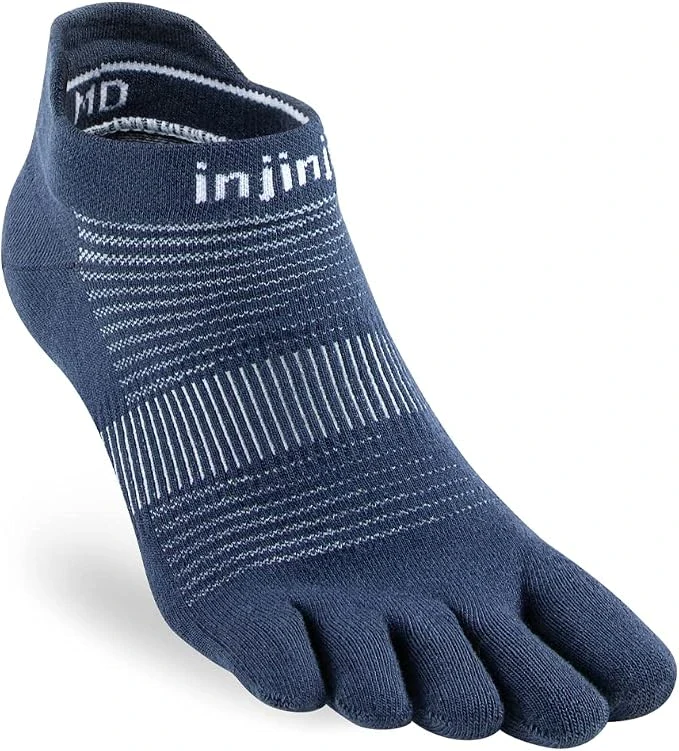
Toe socks plus hot-spot tape
Injinji socks separate my toes. KT Tape covers my repeat hot spots before the run. This combination is most useful when you know exactly where trouble starts.
Where does the blister start?
The location gives you a better first clue than the product label.
Between the toes
Start with toe socks. Check that the added fabric does not crowd an already tight toe box.
See the Injinji pickSame small hot spot
Cover clean, dry, intact skin before the run. Tape should sit flat with no wrinkles.
See the tape I useHeel or side of the foot
Check heel lift, shoe width, lacing and worn lining. A shoe-side patch can help one fixed rub point.
See the shoe patchUnder the foot or arch
Look for a sock crease, rough insole edge, debris or too much pressure. Do not cover a bad fit with more padding.
Check the insole guideSeveral areas on long runs
Heat, wet socks, foot swelling and shoe movement may all be adding up. Test one change on a short run.
Build a simple testWaist, ribs or pack straps
That is chafing rather than a foot blister problem. Fix the moving gear first, then add balm where needed.
Read the anti-chafing guideGet the skin calm before you test another run
A sore blister can make it feel as if your training is falling apart. It is not. Deal with the skin first, then work backward to the cause.
- Stop the rubbing. Take off the shoe and sock. Check for a wrinkle, stone, damp fabric or loose fit.
- Keep the blister roof in place. Most blisters should not be popped. That skin helps protect the raw area below.
- Cover and cushion it. Use a clean bandage. For a pressure spot, place donut-shaped moleskin or padding around the blister, not directly on top of it.
- Keep it clean. If it opens, wash it gently, leave the remaining skin in place and cover it with a fresh dressing.
- Give it time. The American Academy of Dermatology advises not returning to the activity that caused the blister until it has healed.
Care guidance: American Academy of Dermatology and MedlinePlus.
Best blister prevention products for runners
These picks do different jobs. Choose the one that matches your blister instead of buying the whole list.
Injinji Run Lightweight No Show
When skin rubs against skin between your toes, separating each toe is a sensible place to start. The Run Lightweight No Show does that without the bulk of a heavier trail sock. It also has a heel tab and a low profile that suits everyday road shoes.
I moved to Injinji toe socks after dealing with blisters. I used a warmer pair in winter, then bought the Run Lightweight No Show for summer. That change in thickness matters. A sock can solve one rubbing problem and still make a snug shoe feel too crowded.
Choose your usual Injinji size, then test the sock in the exact shoe you plan to use for long runs.
Check Injinji PriceWant more cushion or a traditional sock shape? The running sock guide compares Balega, Wrightsock, Feetures and other current options.
KT Tape Original Cotton, Red
I have tried more than one KT product, and the red Original Cotton is the one I like. A pricier version did not work as well for me. I would rather recommend the tape I keep using than assume the premium version must be better.
KT Tape sells this as kinesiology tape, not as a blister dressing. I use it on intact skin where I know a hot spot tends to form.
Tape is most useful when the hot spot is small and predictable. Apply it to clean, dry, intact skin before the run. Keep the piece smooth, avoid folds and follow KT Tape’s application directions. If your skin is sensitive, test a small piece first. Never tape over an open blister.
Make sure the listing says KT Tape Original Cotton and shows the red colour. The Pro versions are different products.
See KT Tape DetailsBody Glide Original
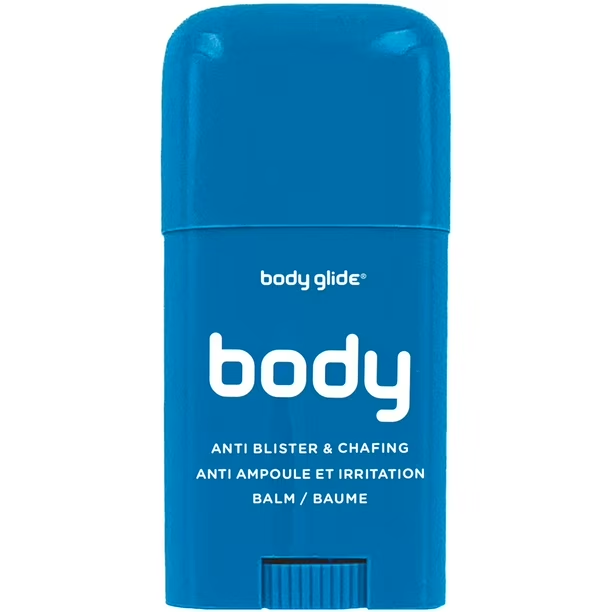
Body Glide is the easiest option when I do not want to tape several small areas. I rub it on clean skin before my sock goes on. The stick is quick and clean, especially for spots where tape would be awkward.
The drawback is that balm wears away. Heat, sweat, rain and very long mileage can change how long it lasts. It also cannot fix heel lift or a shoe that is too narrow.
Use only what you need. A light, even layer is easier to manage inside a sock than a thick coating.
Check Body Glide PriceSquirrel’s Nut Butter Original
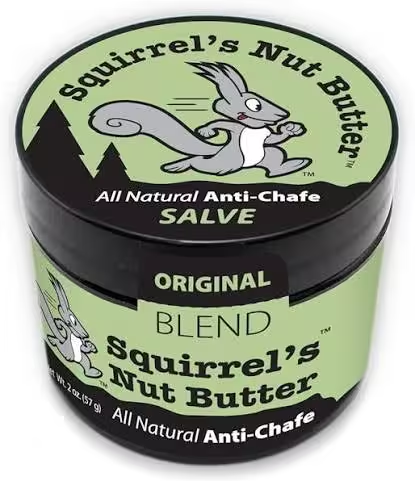
Squirrel’s Nut Butter Original uses coconut oil, cocoa butter, beeswax and vitamin E oil. I use it as an alternative to Body Glide. It is also made for feet and areas under pack straps, so one stick can cover more than one rubbing problem.
It is still a balm, not a fit correction. The formula may also soften in heat, and it contains beeswax, so it is not a vegan product.
Choose the Original stick for the product described here. The brand also sells other sizes and formulas.
Check Squirrel’s Nut Butter PriceFor thigh, waistband, sports bra, underwear and pack-strap rubbing, use the full anti-chafing products guide.
ENGO Blister Prevention Patches
ENGO works on the other side of the problem. The low-friction patch sticks inside the shoe, on the insole or on an orthotic. Your skin does not need to hold adhesive, and the patch stays in place between runs.
This is a targeted option for a fixed rough edge or rub point. It will not separate your toes, and it is not a reason to keep running in a shoe that is clearly the wrong shape or size.
Pick the patch shape that fully covers the shoe contact point. The patch goes in the footwear, never on your foot.
See ENGO Patch OptionsBand-Aid Hydrocolloid Bandages
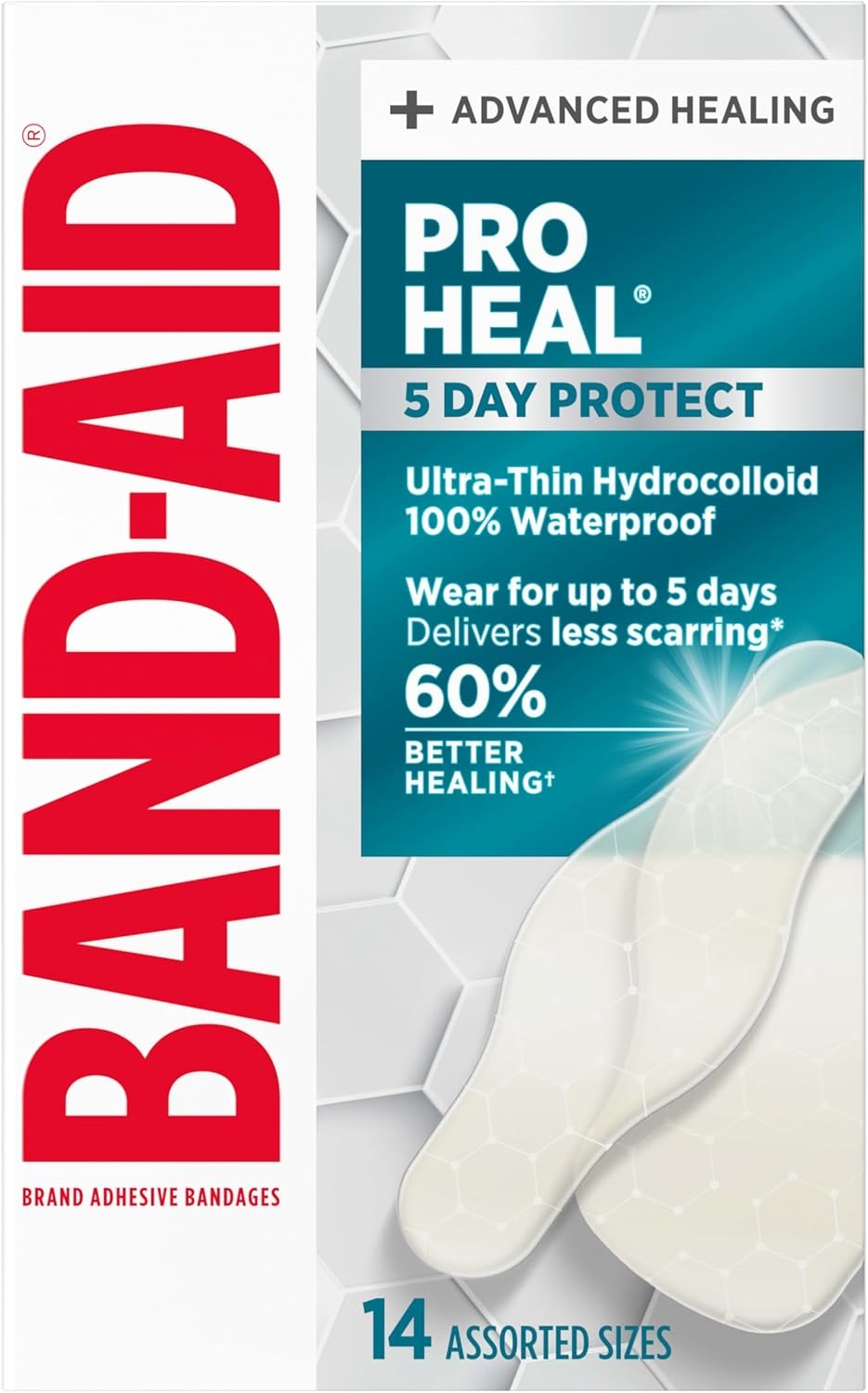
I use Band-Aid hydrocolloid bandages when I already have a blister. I do not put one on before a run to prevent one. Older packages may say Hydro Seal, while the newer look says Pro Heal 5 Day Protect. I buy whichever shape and size will fully cover the blister.
The hydrocolloid layer cushions the area, absorbs moisture and keeps the blister covered while it heals. The bandage is waterproof and can stay in place for several days, depending on the package directions.
Choose a bandage that extends beyond the blister and follow the directions on that package. Apply it to clean, dry skin. Use the right size rather than cutting one down. Do not use it on infected skin, and ask a health professional before use if you have diabetes or poor circulation.
This is not permission to run on a sore blister. It protects the area while you remove the source of rubbing and let it heal.
Check Band-Aid Hydrocolloid Bandage PriceBuild a blister system you can trust
Runner forums are full of people who swear by a product and people who say the same product failed. That is normal. Feet, shoes, terrain and weather change the result.
- Mark the exact location. Between the toes, under the arch and at the back of the heel are different problems.
- Inspect the whole setup. Look for heel lift, toe crowding, a sock crease, wet fabric, debris, rough lining or an insole edge.
- Change one thing. Try the toe sock, tape, balm, lacing change or shoe patch by itself so you know what helped.
- Use a short test run. Do not make race day or your longest run the first test.
- Stop at the hot-spot stage. Pain, warmth or redness is the warning. Fix it before the skin becomes a full blister.
Does the same blister keep coming back?
A sock or balm cannot fully fix heel slip, toe crowding or the wrong shoe shape. The Shoe Finder helps you compare fit, width, terrain and cushioning.
Moving gear can rub too
Foot blisters are not the only run-ending skin problem. A loose waist pack can move with every stride. A hydration vest can rub at the ribs, neck or shoulders if the fit or load is wrong.
I wear a Salomon Active Skin vest that fits properly, so it stays put for me. The same idea applies to belts. Size the gear, tighten it enough to control bounce and spread the load before adding balm. Compare current options in the running belt guide.
Running blister FAQ
What is the best blister prevention product for runners?
Do toe socks prevent running blisters?
Can I run with a blister?
Should I pop a running blister?
Why did new running shoes give me blisters?
Fix the part that is rubbing
Start with the location, change one part of the setup and test it on an easy run after the skin has healed. These guides can take you to the next decision without repeating this whole page.