What Is a Marathon Pacer? How Pace Groups Work
Marathon pacing guide
Updated September 21, 2026. Pace-team availability and rules can change each year.
The direct answer
A marathon pacer is a runner who leads a group toward a target finish time. A 4:00 pacer, for example, aims to reach the finish close to four hours while carrying a visible sign, flag or balloon. You can join the group, leave it or use it as a moving reference point.
A pacer can stop you from starting too fast and reduce the mental work of checking every split. They are still human, though. Know your own target pace and pay attention to effort, weather and how your body feels.
How it worksShould you use one?Choose a groupRace-day planPacer typesFAQ

How a marathon pace group works
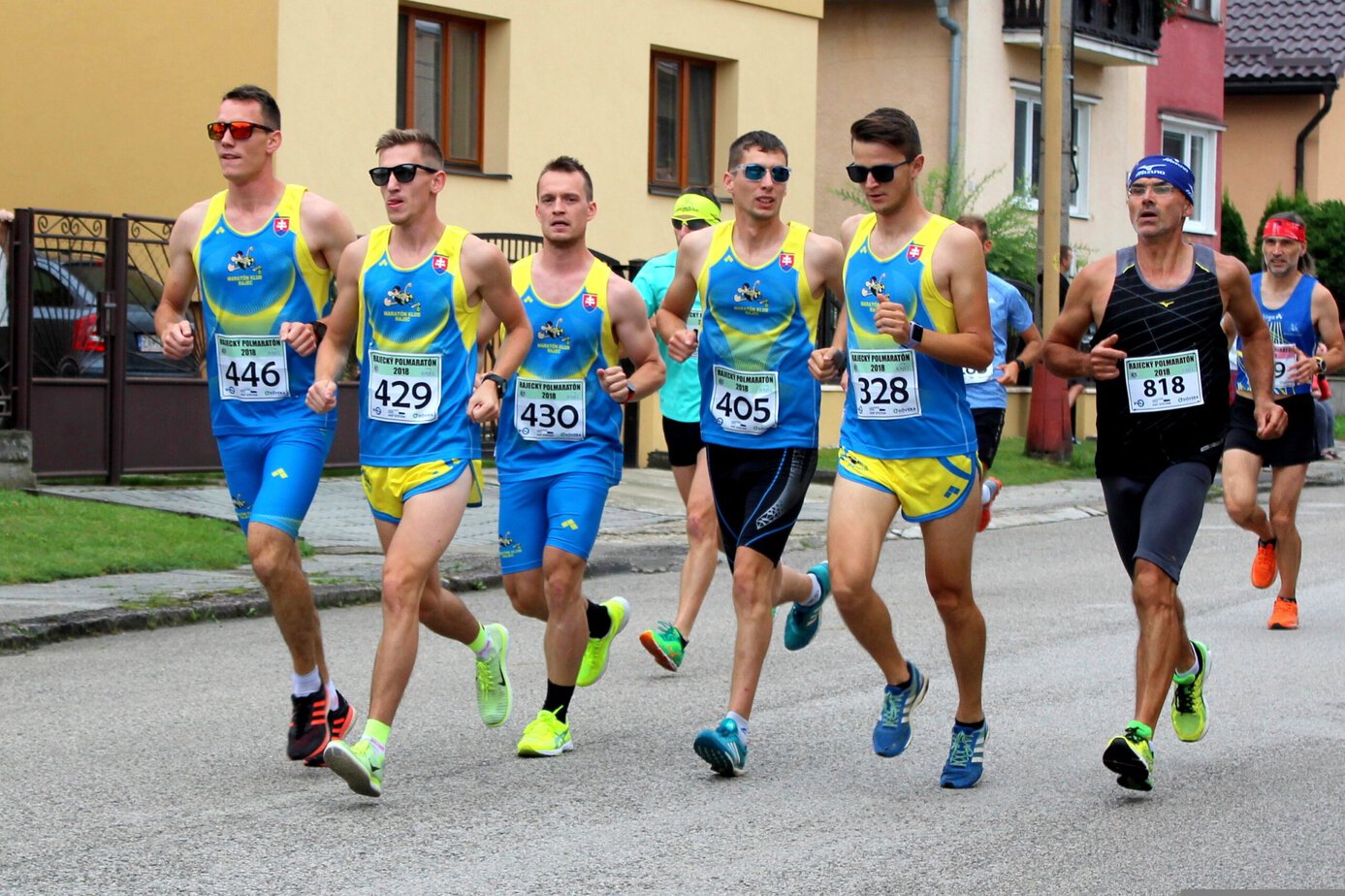
The race assigns an experienced runner to a finish-time target, such as 3:30, 4:00 or 5:00. The pacer starts in the appropriate corral and stays visible so runners can gather around them.
The advertised time is the goal, not a promise that every kilometre will be identical. One pacer may run even splits. Another may slow slightly on hills and make the time back on easier ground. Some aim to finish a minute or two under the sign time. Ask before the start.
Target
The group works toward one advertised finish time.
Visibility
A sign, flag, vest or balloons help you find the pacer.
Choice
You are free to join, drop back or move ahead at any point.
Ask which clock matters. A pace team may work from gun time, wave time or chip time. That difference matters when a large race takes several minutes to move your corral across the start line.
Should you run with a pace group?
A pace group is useful when it solves a real problem for you. It is not automatically the best choice for every runner.
A group may help if you:
- usually start races too fast
- want fewer pacing decisions
- are running your first marathon
- like the energy of a group
- have trained for a clear, realistic finish time
Your own plan may be better if you:
- need planned walk breaks
- prefer even effort on a hilly course
- find crowded groups stressful
- expect to stop longer at aid stations
- need to adjust for heat, illness or a disrupted build
Important exception: Do not follow the sign when the pace no longer matches the day. Heat, strong wind, stomach trouble, pain or illness are reasons to slow down. A finish-time target should never overrule a safety concern.
How to choose the right pace group
- Start with current fitness. Use recent long runs and race results, not the goal you hoped to reach when training began.
- Check the course and forecast. Hills, heat, humidity and wind can turn a reasonable flat-course target into an aggressive one.
- Calculate the pace. Know the minutes per mile and kilometre yourself before relying on a sign in the crowd.
- Read the race guide. Confirm the available groups, sign-up process, starting corral and whether the target uses gun or chip time.
- Speak to the pacer. Ask about hills, aid stations, planned buffer and whether the strategy uses even pace or even effort.
If you fall between two groups, the slower option is usually safer. You can move ahead late. Recovering from an overly fast first half is much harder.
Common marathon finish times and paces
These are approximate even paces. Your race may offer different groups, and a pacer may adjust slightly for the course.
| Finish time | Pace per mile | Pace per kilometre |
|---|---|---|
| 3:00 | 6:52 | 4:16 |
| 3:15 | 7:26 | 4:37 |
| 3:30 | 8:01 | 4:59 |
| 3:45 | 8:35 | 5:20 |
| 4:00 | 9:09 | 5:41 |
| 4:15 | 9:44 | 6:03 |
| 4:30 | 10:18 | 6:24 |
| 4:45 | 10:52 | 6:45 |
| 5:00 | 11:27 | 7:07 |
| 5:30 | 12:35 | 7:49 |
| 6:00 | 13:44 | 8:32 |

How to use a pacer on race day
Before the start
Find the pacer early and listen to the plan. Ask how they will handle the opening congestion, hills and water stations. Then place yourself near the group without crowding directly under the sign.
During the opening kilometres
Do not panic if the first split is a little slow because of congestion. Avoid weaving through runners to recover a few seconds. Watch the average over several kilometres and notice how the effort feels.
At aid stations
A large pace group can bunch up near the first tables. Move gradually to the side before the station, take fluids safely and avoid cutting across other runners. If you walk while drinking, let the group move a short distance ahead rather than sprinting to catch it.
After halfway
Keep checking your effort. If the group feels controlled late in the race, you can move ahead gradually. If it feels unsustainable, let it go and protect the finish. Staying attached at any cost can turn a small slowdown into a much larger one.
If you lose the group: Do not surge. Return to your own target effort and let the gap close slowly, if it closes at all. A hard chase can cost more time later than it saves now.

What if the pacer is running too fast or too slow?
One quick kilometre is not enough to judge. GPS watches can also read long or short around tall buildings, tunnels and crowded turns. Compare several official course markers with elapsed time.
If the group remains clearly faster than the stated plan and the effort feels wrong, back off. Do not outsource your entire race to another runner. The same applies when the pacer falls behind. Continue with your own plan if you are steady and comfortable.
How are marathon pacers selected?
Requirements differ by race. Organisers commonly look for runners who have completed the distance, can run well inside the assigned target and have shown that they can hold a controlled pace. Communication matters too. A pacer needs enough reserve to monitor splits, answer questions and stay calm when the race becomes crowded.
Do not assume every pace team follows the same qualification standard. Some are managed directly by the race. Others come from a local running club or an outside pacing service.
Does every marathon have pace groups?
No. Some large events operate formal programs, while other marathons have no public pace team. The NYRR Pace Team is one example of an established program used at New York Road Runners events. Smaller races may use local volunteers, and some events change their available times from year to year.
Check the current athlete guide instead of relying on an old race report. Search the official event site for pace team, pace group or pacers. If nothing is listed, ask the organiser directly. Also confirm whether joining is automatic or requires advance registration.
Do not assume a famous race has public pacers. Elite pacemakers shown on television are working with the professional field. They are not the same as a finish-time group for recreational runners.
Three different meanings of “pacer”
| Type | Who they help | What they do |
|---|---|---|
| Public pace-group leader | Any runner who joins the group | Works toward an advertised finish time, usually for the full race |
| Elite pacemaker or rabbit | Elite competitors | Sets a requested early tempo and may leave before the finish |
| Ultramarathon pacer | One specific runner | Joins only where race rules allow and provides company, navigation and safety support |
Ultra rules are event-specific. At Western States, for example, a runner can normally use one pacer at a time beginning at designated points, and the pacer cannot carry supplies for the runner. Another race may use different access points or forbid pacers entirely.
Marathon pacer questions
Do you have to register for a pace group?
Often you can simply find the group in your starting corral, but not always. Check the current event guide because some races require advance registration or limit pacers to certain waves.
Does it cost money to follow a marathon pacer?
Race-provided pace groups are usually included with entry. A private pacing service or personal running guide may charge a fee.
Can you leave the group?
Yes. You can move ahead, slow down or use the group only for part of the race. Your effort and safety matter more than staying beside the sign.
Do marathon pacers stop at water stations?
Some slow briefly while others continue through. Ask before the start. Plan how you will drink without cutting across the group or sprinting afterward.
Should a first-time marathon runner use a pacer?
A realistic pace group can be helpful for a first marathon, especially if you tend to start too fast. Choose the target from completed training, not an optimistic goal, and be willing to slow down if the day becomes harder than expected.
Can a marathon pacer finish the race?
A public pace-group leader normally plans to finish. An elite pacemaker may leave after completing the assigned portion. The roles share a name but have different jobs.
Plan the rest of your race
The bottom line
A marathon pacer can give you structure, restraint and company. The best use of a pace group is flexible: know your own numbers, understand the pacer’s plan and leave the group when the pace no longer fits your race.
Before race day, calculate your pace, read the current athlete guide and decide how you will handle aid stations. That preparation matters more than finding the perfect sign to follow.

How this guide was checked: The advice was reviewed against current race-organiser information and published pacing rules. Exact pace teams, finish-time targets and joining instructions can change, so the current athlete guide remains the final authority for your race.