
🏃 Find Your Perfect Running Shoe
Answer a few questions to get personalized shoe recommendations
What gender shoes are you looking for?
Which activity will you use these shoes for most frequently?
Do you need your shoes to be waterproof?
Will you be wearing these shoes for race days?
How long do you typically run?
Do you need additional stability technology?
Which most closely describes your foot shape?
✓ Your Perfect Matches
Based on your preferences, here are our top recommendations
Running Shoe Quiz – Find The Perfect Shoe in 60 Seconds.
Choosing the right running shoes can be overwhelming with hundreds of models on the market. That’s why we created this free running shoe finder tool to simplify your search. Answer just 7 quick questions about your running style, experience level, and foot characteristics, and our intelligent recommendation system will match you with the best shoes for your needs. Our algorithm considers critical factors including pronation type, typical running distance, terrain preference, cushioning needs, and foot width to deliver personalized matches with compatibility scores. Stop guessing and start running in shoes that actually fit your biomechanics and training goals.
Understanding Running Shoe Types
Cross-Training Shoes
Designed for gym workouts, CrossFit, and high-intensity interval training, these shoes feature stable platforms for lifting, lateral support for agility movements, and enough flexibility for short runs.
Best for:
- Gym workouts and weightlifting
- CrossFit and functional fitness
- HIIT and boot camp classes
- Multi-sport athletes
Popular models: Nike Metcon, Reebok Nano, Under Armour TriBase
Neutral Running Shoes
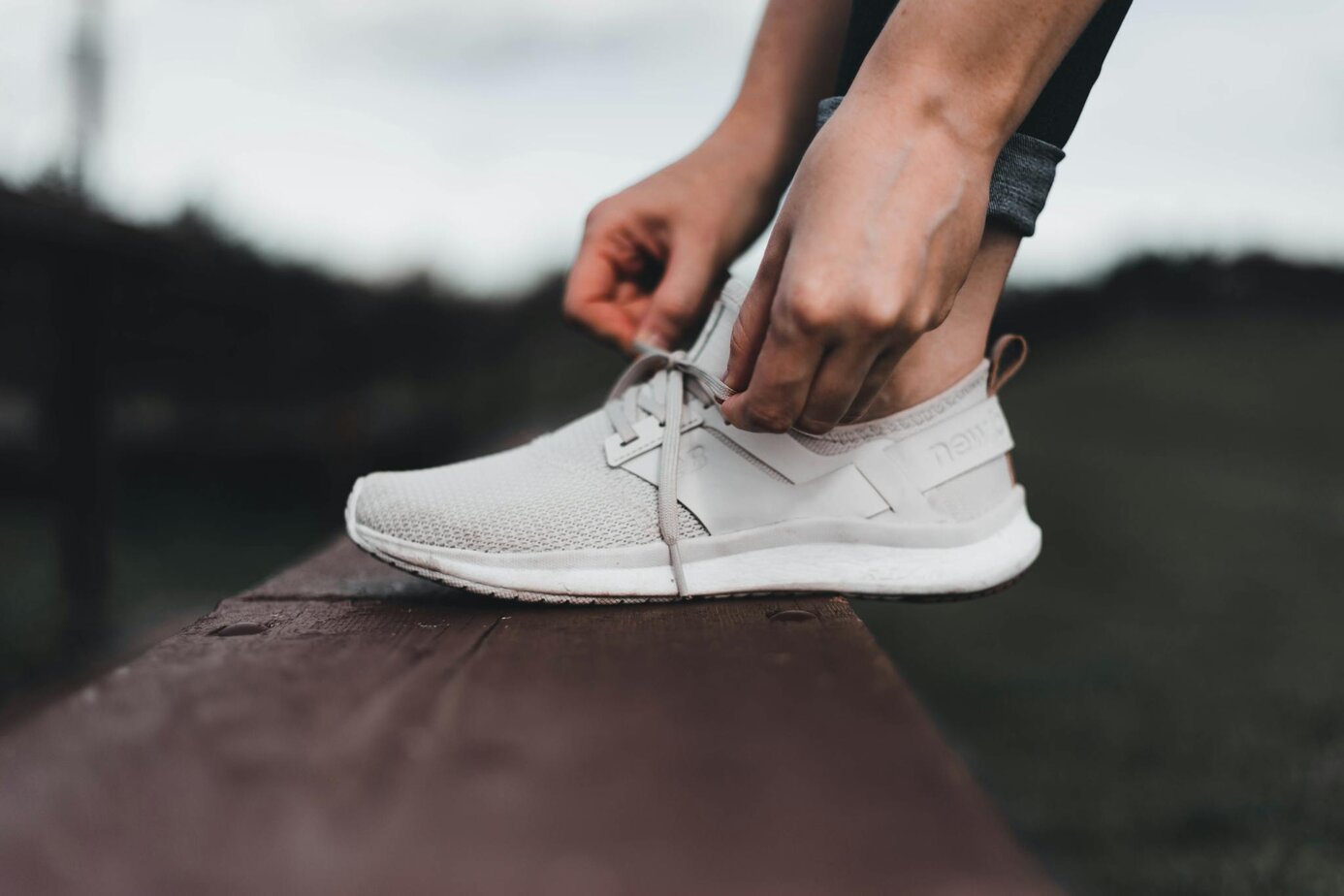
Neutral running shoes are designed for runners with a natural gait who don’t need additional stability features or motion control. These shoes provide cushioning and shock absorption without interfering with your foot’s natural movement pattern.
Best for:
Runners with normal to high arches
Neutral foot strike (minimal pronation)
Efficient runners who don’t need gait correction
Supinators (feet roll outward)
Popular models: Brooks Ghost, Hoka Clifton, Nike Pegasus, Asics Gel Nimbus

Stability Running Shoes
Stability shoes offer extra support on the medial (inner) side of the shoe to counteract overpronation—when your foot rolls excessively inward during your stride. Modern stability shoes use technologies like guide rails, dual-density foam, or posts to provide gentle correction.
Best for:
Overpronators (feet roll inward)
Runners with low to normal arches
Those experiencing shin splints or knee pain
Runners needing mild to moderate support
Popular models: Brooks Adrenaline GTS, Asics Gel Kayano, Saucony Guide, Mizuno Wave Inspire

Trail Running Shoes
Trail runners feature aggressive outsoles with deep lugs for traction on loose terrain, protective uppers to shield against rocks and debris, and often include rock plates to protect your feet from sharp objects underfoot.
Best for:
Off-road running on dirt, gravel, or technical terrain
Hiking and mixed-surface adventures
Runners needing durability and protection
Wet or muddy conditions (look for waterproof versions)
Popular models: Salomon Speedcross, Hoka Speedgoat, Brooks Caldera, Altra Lone Peak
Racing Flats & Carbon-Plated Shoes
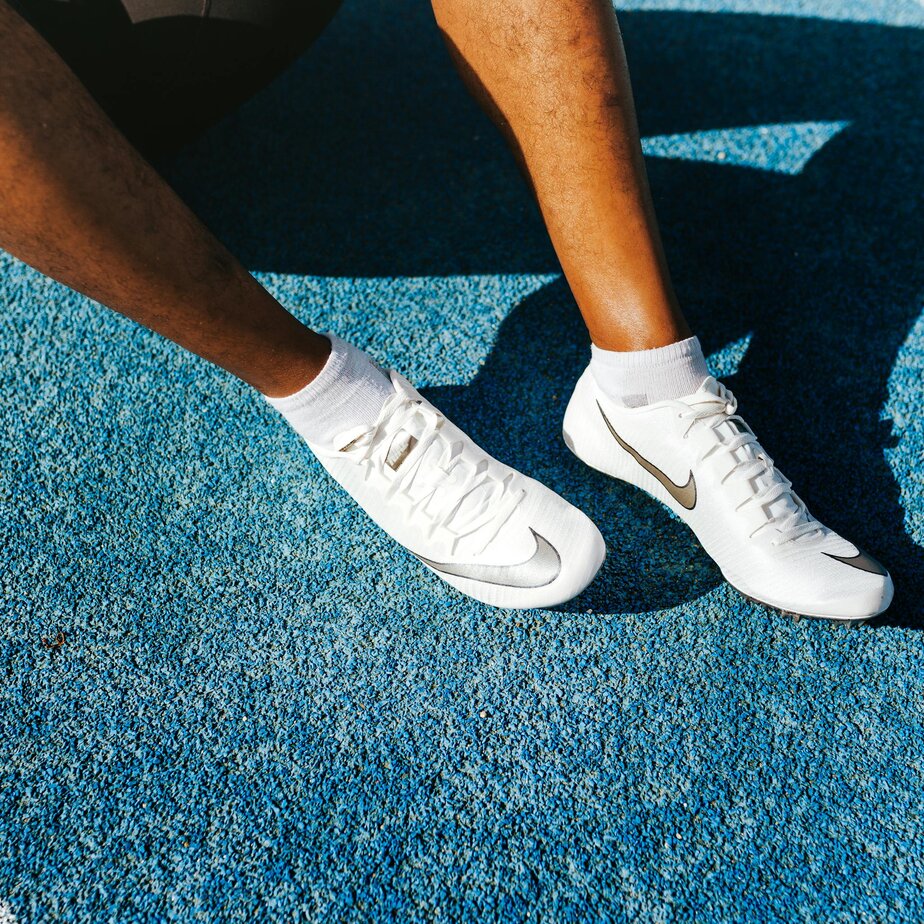
Lightweight racing shoes prioritize speed and efficiency over cushioning and support. Modern super shoes incorporate carbon fiber plates and advanced foam technologies to maximize energy return and propulsion.
Best for:
Race day performance (5K to marathon)
Tempo runs and speedwork
Experienced runners with strong biomechanics
Setting personal records
Popular models: Nike Vaporfly, Adidas Adizero Adios Pro, Hoka Rocket X, Asics Metaspeed