
Running clothing and gear reviews.
Dress right for every run.
Use our outfit calculator to find what to wear today, then browse 17 in-depth gear reviews covering everything from shorts and sports bras to headlamps. Every pick is tested by runners, for runners.
Find the right running gear for the weather, distance, and type of run.
The best running gear should make your run feel easier, not more complicated. The right shorts prevent chafing, the right sports bra gives support without rubbing, the right socks help stop blisters, and the right layers keep you comfortable when wind, rain, heat, or cold changes how the temperature feels.
Start with our Running Temperature Outfit Calculator if you are not sure what to wear today. It considers temperature, wind, humidity, rain, air quality, run length, effort, and your gear fit preference. Then use the reviews below to compare clothing, accessories, support gear, and hydration options for your next run.
Clothing 7 reviews
Shorts, sports bras, tights, pants, and underwear for men and women. Tested over real mileage.
10 Best Running Shorts for Men 2026: Lined and Unlined Picks
Why I switched to lined shorts and what I learned after years of running without them.
Best Running Shorts for Women 2026: Tested Picks That Won’t Ride Up
The running shorts problem nobody talks about, and the picks that actually solved it.
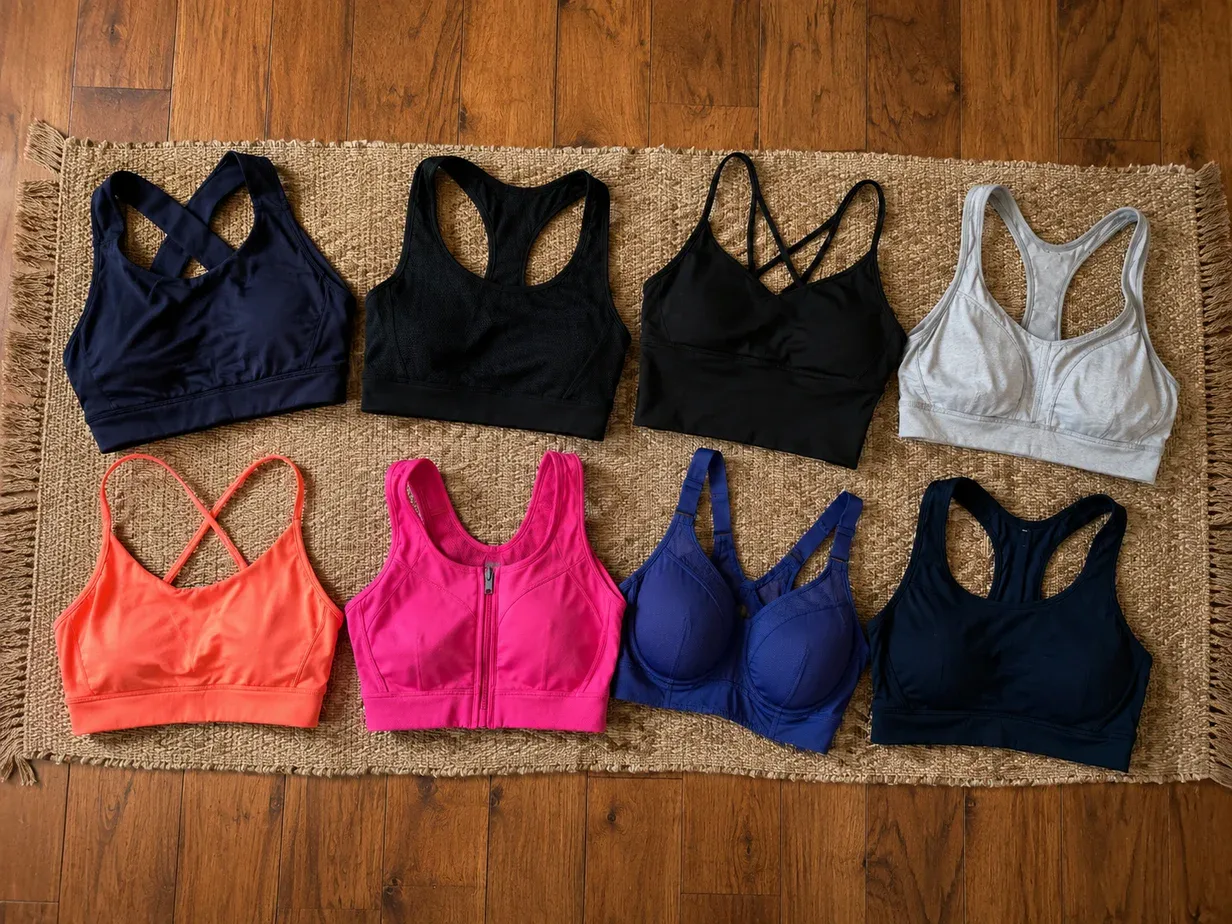
Best Sports Bras for Running 2026: Supportive Picks That Stay Put
A good running sports bra should support your stride, reduce bounce, and avoid rubbing on long runs.
7 Best Running Tights for Men in 2026, Plus 2 Pants Alternatives
The best running tights make cold miles feel easier. Tested picks for winter training.

9 Best Running Pants for Women in 2026, Including Tights
The best running pants stay up and let you focus on your run. Tested for fit and warmth.

Best Men’s Running Underwear 2026
Your underwear matters way more than you think when you are running. Anti-chafe picks tested.

Best Women’s Running Underwear 2026: No More Chafing
Nobody wants to admit it but everyone experiences it: chafing. These picks actually fix it.
Accessories 3 reviews
Socks, sunglasses, and headlamps tested for real running conditions.

Best Running Socks 2026: Stop the Blister Misery
A blister on your feet means one more hurdle blocking your race plans. The right socks fix it.

Best Running Sunglasses in 2026: 9 Top Picks
Good running sunglasses should disappear on your face. These do exactly that.

Best Headlamp for Running 2026: Your Nighttime Safety Tool
Winding through dark forest trails, I realized how much a good headlamp matters. Tested picks.
Support & Recovery 3 reviews
Insoles, knee braces, and ankle braces tested by our coaching team. Sports bras are listed under clothing and also appear when you use the support filter.
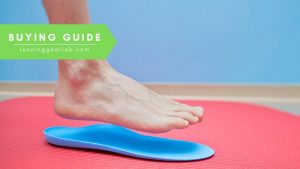
5 Best Insoles for Running 2026: Tested Picks for Every Arch
Most runners spend hours picking the right shoe and zero minutes on what goes inside it.
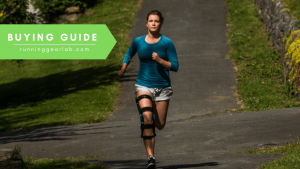
Best Knee Brace for Running 2026: Stop the Pain, Keep Your Miles
You are crushing your training, and then your knee says otherwise. The braces that help.
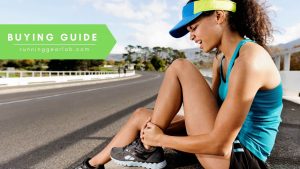
Best Ankle Brace for Running 2026: Marathon Training Without the Twist
How to keep training on track when your ankle is telling you to stop.
Equipment & Hydration 4 reviews
Hydration packs, treadmills, trail gaiters, and gift ideas for runners.

Best Hydration Pack for Running 2026: Marathon and Ultra Training
The right hydration pack is like magic. You forget it is even there. Water is right where you need it.

Best Quiet Treadmills 2026: Top 8 Reviews
The noise problem nobody warns you about before buying a treadmill. Quiet picks tested.

Best Trail Running Gaiters in 2026
What everyone gets wrong about trail running gaiters, and the picks that actually work.

Best Gifts for Runners 2026: 10 Ideas They Will Actually Use
Shopping for a runner who already owns 47 pairs of shoes? These 10 picks are guaranteed to land.
What are you looking for?
Jump straight to the gear category that fits your needs.
Not sure what you need? The outfit calculator figures it out in 60 seconds.
Use the Free Outfit Calculator →Running gear questions, answered.
The most common questions runners ask before they buy clothing and accessories.
What should I wear running in 40-degree weather?
At 40 degrees Fahrenheit, about 4 degrees Celsius, in calm, dry conditions, most runners do well with a long-sleeve moisture-wicking shirt, shorts or light tights, light gloves, and an ear-covering headband. If it is windy or raining, add a packable shell and switch to full tights. Use our outfit calculator to fine-tune based on your exact conditions.
How should a running sports bra fit?
A running sports bra should feel snug but not painful. The band should stay level, the straps should not dig in, and there should be minimal bounce when you jog or jump. For long runs, check seams, clasp areas, and underarm edges for rubbing. See our sports bra guide for support levels and tested picks.
How do I prevent chafing while running?
Chafing happens when skin rubs against skin or fabric, especially when wet with sweat. Wear moisture-wicking, non-cotton fabrics, use anti-chafe balm on hotspots, and choose properly fitted underwear, shorts, and sports bras with smooth seams. Our men’s underwear and women’s underwear guides cover specific anti-chafe picks.
Do I need different running clothes for summer and winter?
Yes. Summer gear should be lightweight, breathable, and moisture-wicking. Winter gear should be layered: a moisture-wicking base layer, an insulating mid-layer, and a wind-blocking outer shell. The biggest mistake winter runners make is wearing cotton, which holds moisture and accelerates heat loss. Our men’s tights guide and women’s pants guide cover cold-weather layers.
Are expensive running socks worth it?
For most runners, yes. The difference between a cheap cotton sock and a running-specific sock is noticeable over longer distances. Running socks use synthetic or merino wool blends that pull sweat away, reduce hotspots, and often use flatter toe seams. See our running socks guide for tested picks at different price points.
When should I run with a headlamp vs a reflective vest?
Ideally, both. A headlamp lets you see the trail or road surface. A reflective vest makes you visible to drivers. If you can only choose one, a headlamp is more important on trails, while reflective gear is more important on roads with car traffic. See our headlamp guide for tested picks.
Should I wear a knee or ankle brace while running?
A brace can help if you are returning from an injury and your physiotherapist has recommended one, but it is not a substitute for rehab. For knee pain, a compression sleeve or patellar strap may reduce discomfort while you build strength. For ankle instability, a lace-up brace gives more support. See our knee brace and ankle brace guides for options.