Running Watch Finder: Find Your Best GPS Watch in 60 Seconds
Find a GPS watch that fits how you actually train
A marathon runner, an ultrarunner, a triathlete and someone who mainly wants a smartwatch do not need the same thing. Answer 8 quick questions and this finder will compare current Garmin, COROS, Apple and Suunto watches by training goal, battery, GPS, maps, size and phone compatibility.
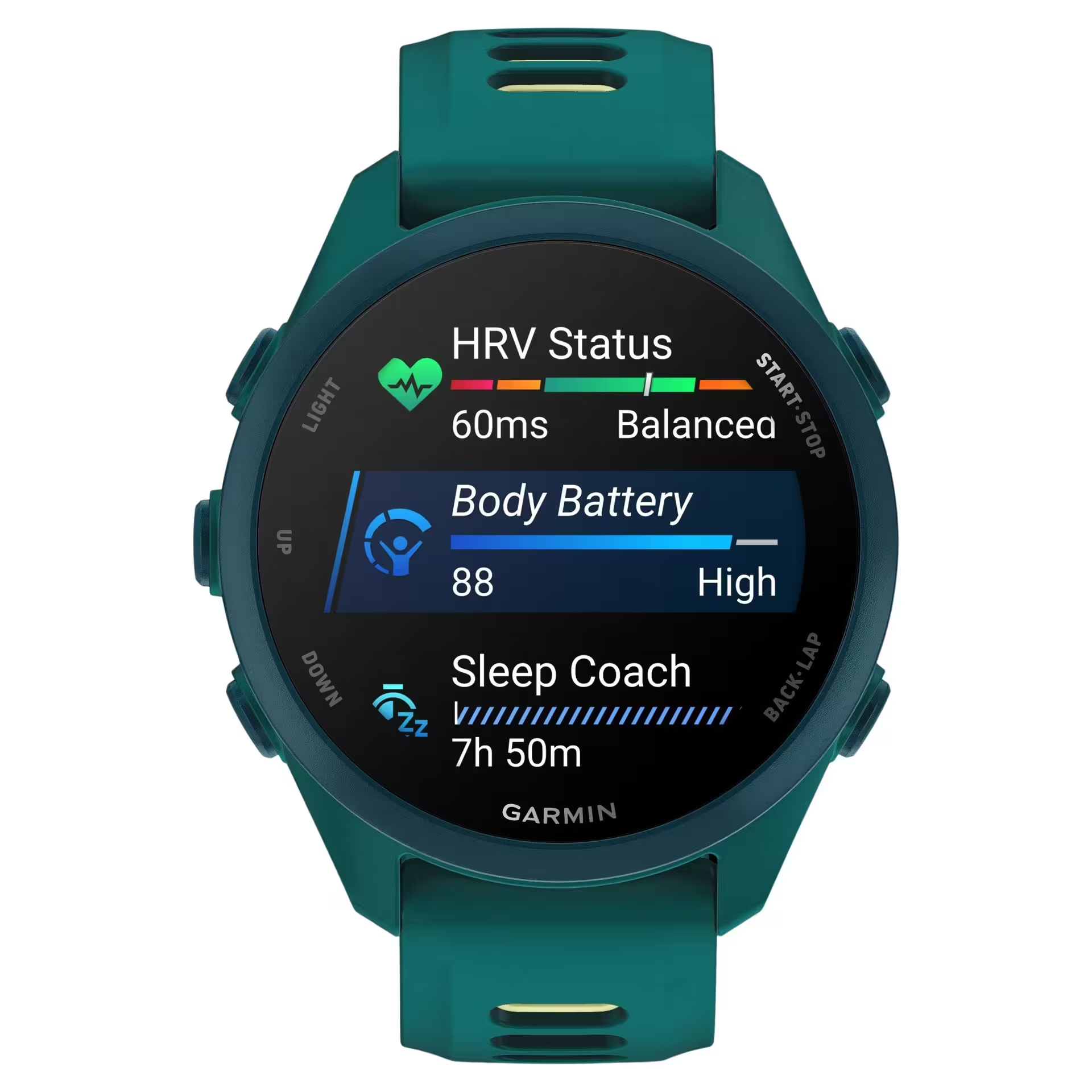
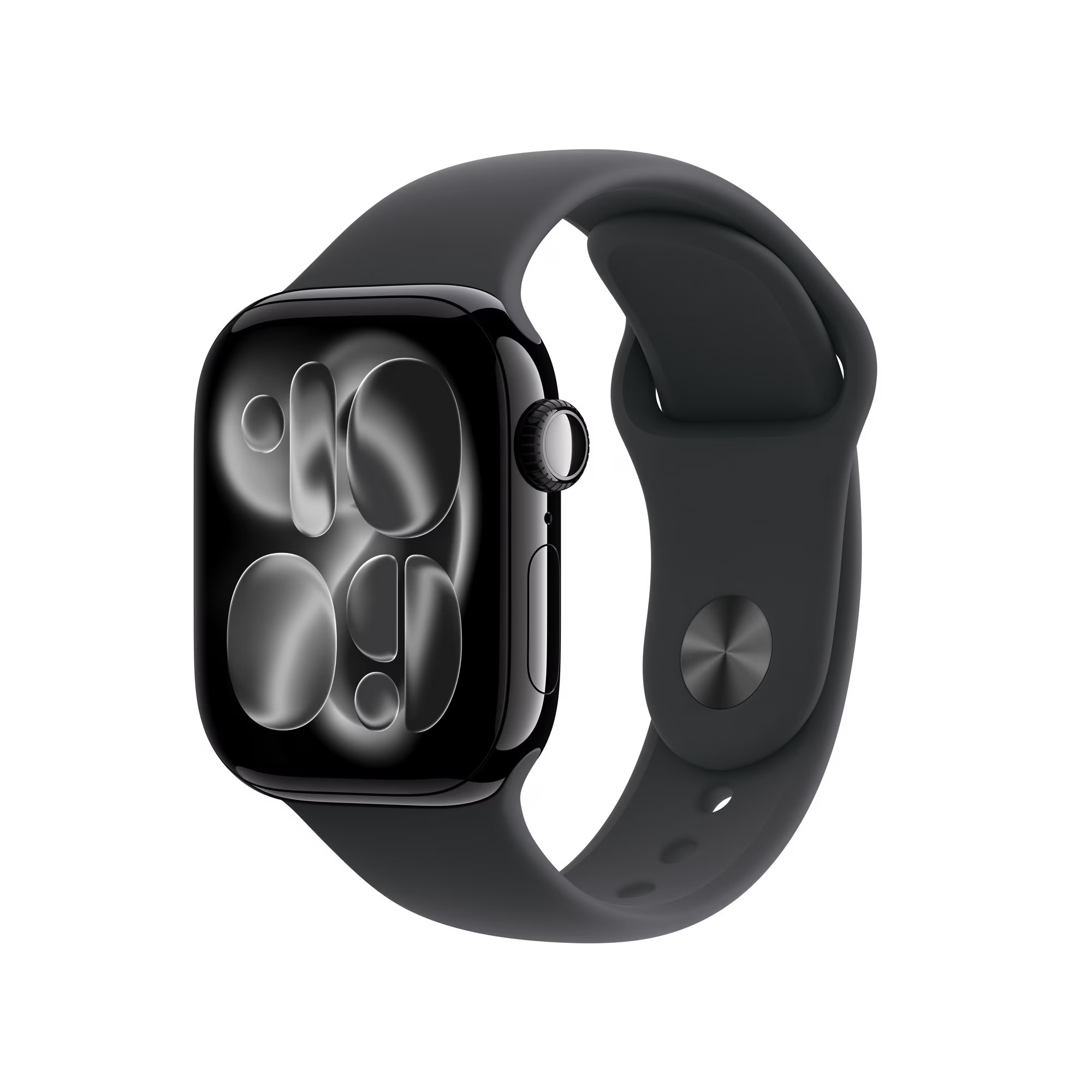
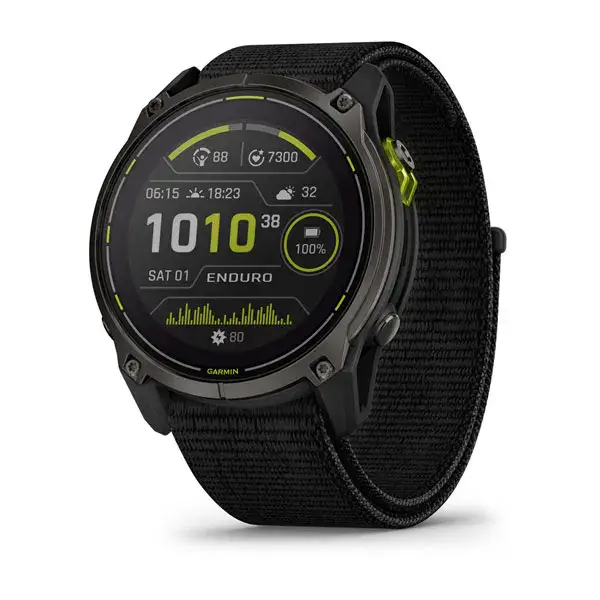
Current road, beginner, triathlon, smartwatch, trail and ultra options are included.
Affiliate disclosure: RunningGearLab may earn a commission from links on this page, at no extra cost to you. RunningGearLab has not personally tested every watch included in this finder.
How to use your result
Your result is a shortlist, not a claim that one watch is perfect for every runner. Start with the best match, then compare the other two if watch size, battery, maps, your phone or the current price changes the decision.
If two watches are close, your existing ecosystem can be a useful tiebreaker. A runner already happy with Garmin Connect may value staying with Garmin, while an iPhone user who cares most about calls and apps may prefer Apple.
One thing to check before buying
Make sure the exact edition has the feature you want. Music, cellular service, watch size and solar versions can change battery life and what the watch can do.
What this finder checks
Race duration
The watch needs enough battery for your longest realistic event, not only your normal weekday run.
GPS and navigation
Open roads, dense cities and mountain trails put different demands on satellite tracking and maps.
Fit and phone
Watch size matters on smaller wrists, and Apple Watch is only an option for iPhone users.
Compare more running watches
Use the finder for a shortlist, then open the guide that matches your training.
Battery numbers are estimates
Battery figures in this finder use manufacturer estimates. Real battery life changes with GPS mode, maps, music, cellular use, screen settings, temperature, sensors and the age of the battery. Leave a buffer for long races rather than planning to finish with only a few minutes of charge left.
Running watch finder FAQ
What is a running watch finder?
It is a short quiz that narrows current GPS watches by how you train, how long your events can take, the features you care about, watch size and phone compatibility.
Do I need maps on a running watch?
Not for most road running. Maps become more useful for trail running, travel, unfamiliar routes and long events where navigation matters.
Is multi-band GPS worth it?
It can be useful around tall buildings, dense tree cover, mountains and other difficult GPS environments. On open roads, standard GPS can already be very good.
Can Apple Watch work for marathon training?
Yes. Apple Watch supports structured running workouts, heart-rate zones, training load and running metrics. The bigger tradeoff is battery life and iPhone-only compatibility rather than a lack of basic running tools.
Which watches are best for ultras?
For very long events, battery and navigation usually matter more than smartwatch features. Large outdoor watches such as Garmin Enduro, fēnix, Suunto Vertical and COROS APEX or VERTIX models are built around those needs.
What if two watches score close together?
Use size, current price and ecosystem as tiebreakers. The second or third result can be the better buy if it fits your wrist better or works more naturally with the apps you already use.