Best Running Watches For Marathons in 2026


Jump to: Marathon Watches | Real Differences | App Ecosystem | Honest FAQ
Quick Top Marathon Watch Picks
🏃 The Casual Marathoner
20-25 mpw | Sub-5 Goal
Running 3-4 times per week. Your “long run” is the centerpiece. You follow a basic training plan.
🎯 The Serious Amateur
25-35 mpw | Sub-4 Goal
Running 4-5 times per week. Structured plan with a coach. Quality workouts matter.
⚡ The Dedicated Runner
35-50 mpw | Sub-3 Goal
Elite amateur territory. 6-7 runs per week. Multiple quality workouts. Probably have a coach.
🏆 The Elite/Ultra Runner
50+ mpw | Sub-2:50 or Ultra
Chasing elite times or running ultramarathons. Advanced recovery metrics matter. Multi-sport training.
WEEKLY MILEAGE & TRAINING FOCUS →
Marathon Running Watches By Training Profile
Jump to: Casual Marathoner | Serious Amateur | Dedicated Runner
The Casual Marathoner (20-25 mpw, Sub-5 Goal)
You: Running 3-4 times per week. Your “long run” is the centerpiece. Recovery matters more than speed work. You might follow a basic training plan (Strava Coach, Nike Run Club, or a simple schedule).
What you actually need from a watch:
✅ Track your easy miles accurately (that’s 80% of your training)
✅ GPS that doesn’t drain battery in 8 hours (your long run is 90 min max)
✅ Show you your pace/heart rate (but you don’t obsess over splits)
✅ Tell you if you’re running hard or easy (that’s it)
✅ Battery that lasts through a week of training without charging daily
What you DON’T need:
❌ Advanced recovery metrics (overwhelming)
❌ Music storage (phone is fine)
❌ Multisport mode (you’re just running)
❌ Complex coaching features (you know what you’re doing)

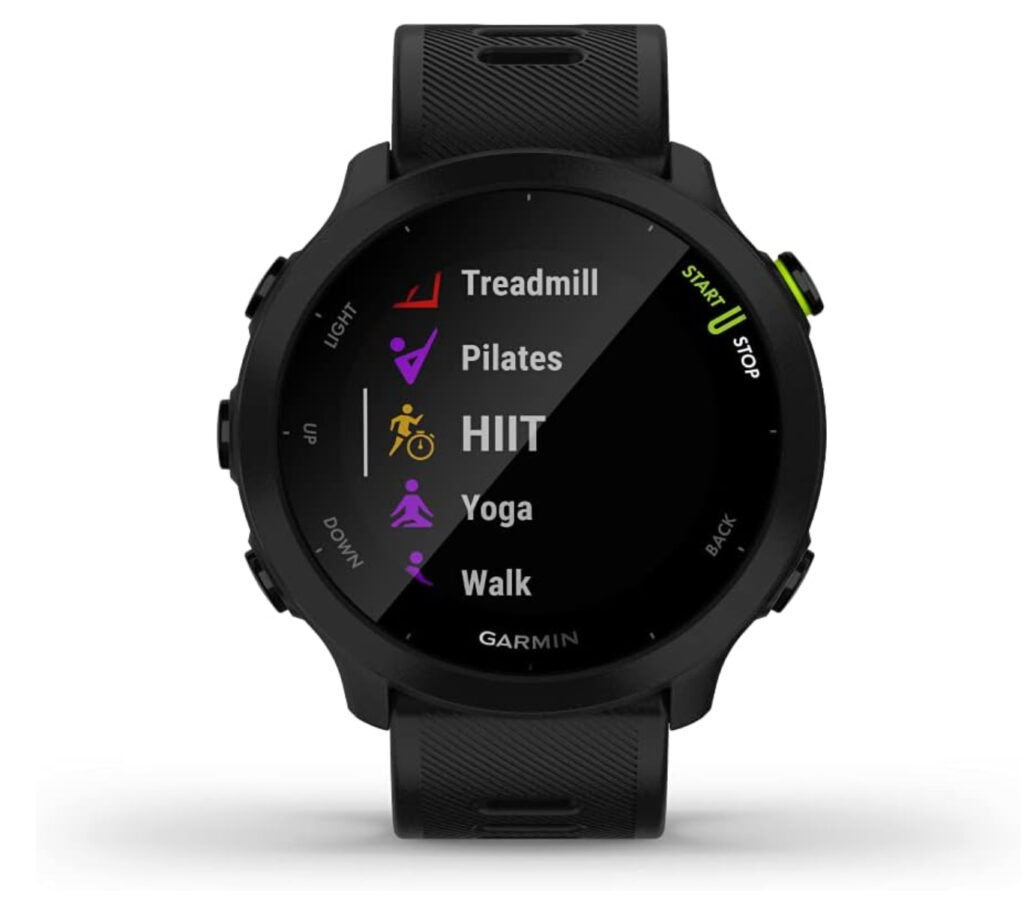
🥇 Garmin Forerunner 55 – $199
Real talk: You’re not pushing $400 into gear. The Forerunner 55 is Garmin’s no-BS budget option.
✅ Battery: 20 hours GPS mode (covers your longest run 2x over)
✅ Smart: Week of smartwatch use before charging
✅ Accurate enough: Single-frequency GPS works for road marathons (it’s trails where it struggles)
✅ Features: VO2 Max, race predictor, basic training effect—that’s all you need
✅ Price: $199
Real feedback from casual marathoners:
“Didn’t want to spend $300+ on a watch. Forerunner 55 did everything I needed. Finished my marathon in 4:47 and the watch nailed the distance.”
The honest downside: Display isn’t as sharp. But you’ll stare at it maybe 10 seconds per run. Not worth paying 2x the price for pretty colors.
[PHOTO: Forerunner 55 on wrist during easy run] – Shows the monochrome display, realistic wrist angle

🥈 Coros Pace 3 – $189
Why choose this over Forerunner 55?
Coros is the brand that undercuts Garmin on price and delivers similar features. Pace 3 is their casual runner option.
✅ Price: $189 (slightly cheaper than 55)
✅ Display: Color screen (nicer than 55, honestly)
✅ GPS accuracy: Tested +/- 0.03 miles (slightly better than 55’s 0.04)
✅ Battery: 20 hours GPS mode
✅ Coros app: Simpler than Garmin Connect (some people prefer this)
When to pick this: You want color display without paying $300. Coros app feels less overwhelming.
The Serious Amateur (25-35 mpw, Sub-4 Goal)
You: Running 4-5 times per week. You have a structured plan (downloaded from a coach, bought a subscription, or following a specific system). Quality workouts matter. You want to understand your training better.
What you actually need from a watch:
✅ Track different run types (easy, tempo, interval, long)
✅ Show you heart rate zones (tempo at zone 4, easy at zone 2)
✅ Recovery metrics (can I do hard workout tomorrow or should I easy?)
✅ Training effect/load (is this building fitness or just maintenance?)
✅ Battery through the week (charge once, run all week)
What you DON’T need:
❌ Advanced health stuff (SpO2, ECG—overkill)
❌ Music (you’re not running with this watch at the club)
❌ Multisport stuff (just running)


🥇 Garmin Forerunner 165 – $299
Why this is THE watch for serious amateur marathoners:
After your first marathon, you get serious. The Forerunner 165 is exactly where serious amateurs land.
✅ AMOLED display: Actually beautiful (you’ll want to wear this)
✅ Recovery metrics: Body Battery, Sleep Score, HRV—real insights
✅ Training Effect: Tells you if this run built fitness
✅ VO2 Max tracking: Watch your aerobic fitness improve
✅ Heart rate zones: 5 zones, easy to see which one you’re in
✅ PacePro: Tell watch your goal marathon pace, it adjusts for elevation
✅ Battery: 19 hours GPS (covers most long runs), 11 days smartwatch
✅ Price sweet spot: $299 is premium, but justified for features
Real feedback from serious amateurs:
“This watch made me understand my training. Body Battery told me when I was pushing too hard. Recovered better. Ran my goal marathon in 3:58.”
The honest trade-off: Single-frequency GPS (vs dual-frequency in expensive Garmins). In urban marathons? Doesn’t matter. Trail marathons? Minor drift sometimes.
This is my current Watch check out my full review here

🥈 Coros Apex 4 – $349
Why choose this over Forerunner 165?
Coros positioned Apex 4 as the “serious runner” option. It’s their answer to Forerunner 265.
✅ Display: Beautiful AMOLED (same as Forerunner 165)
✅ Battery: 41 hours GPS (maximum accuracy mode) – way longer than 165
✅ Training metrics: Similar recovery tracking, sleep, HRV
✅ Endurance mode: Up to 65 hours GPS (if you don’t need real-time accuracy)
✅ App: Coros app is simpler/less overwhelming than Garmin
When to pick this: You prefer Coros app interface, want significantly longer battery, or plan 20+ mile training runs frequently.
The Dedicated Runner (35-50 mpw, Sub-3 Goal)
You: This is elite amateur territory. Running 6-7 times per week. Multiple quality workouts. Probably have a coach (or follow Coach-specific training). Every workout matters. Every metric matters.
What you actually need from a watch:
✅ Advanced running metrics (cadence, stride length, ground contact time)
✅ Training Load/Stress Score (quantify if week is too hard)
✅ Lactate Threshold testing (know your LT pace exactly)
✅ Full suite of recovery (everything: HRV, resting HR, sleep, stress)
✅ Music (for warmup/cooldown, or just having it available)
✅ Sub-3 hour marathon prep (this watch helps you hit that)
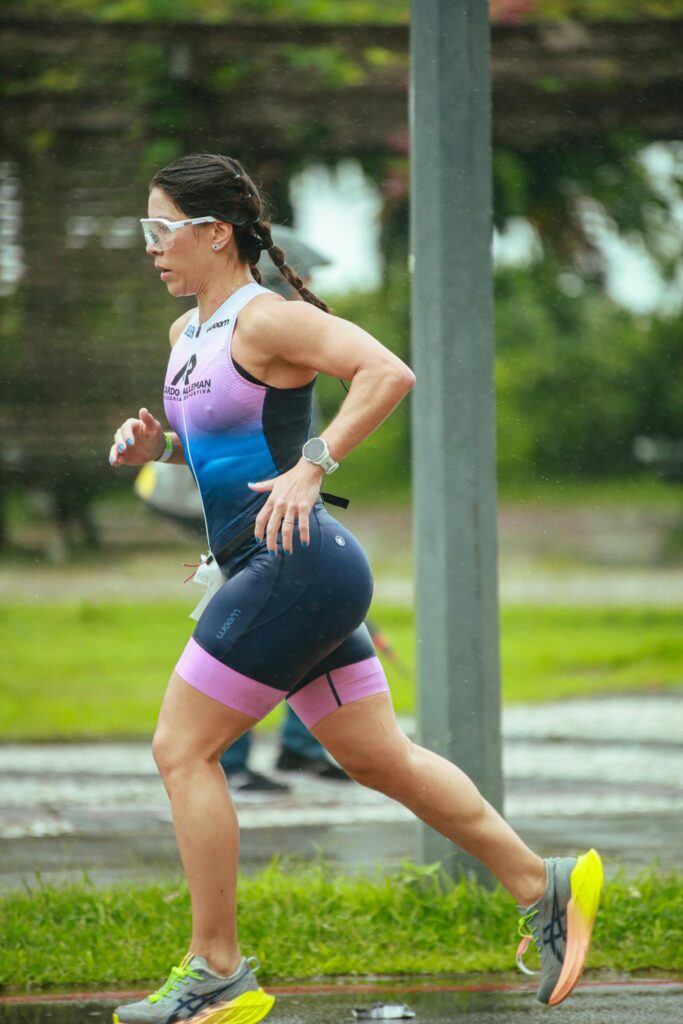

🥇 Garmin Forerunner 265 – $399
Why this is THE watch for sub-3 marathoners:
This is the step-up watch. You’re not a casual runner anymore.
✅ Display: Beautiful AMOLED, larger 1.3″ option
✅ Running Dynamics: Cadence, stride, ground contact, vertical oscillation
✅ Lactate Threshold: Watch can test your actual LT pace
✅ Training Load: See if your training week is balanced or skewed
✅ Battery: 20 hours GPS, 15 days smartwatch (train all week, charge once)
✅ Advanced Coach: Morning report, PacePro, adaptive training recommendations
✅ Music: Store and play music directly on watch
✅ Heart Rate: V4 sensor accurate within 3-5 BPM (good enough for zone training)
The honest reality: This is expensive. You’re paying $400 for advanced features that make a 1-2% difference in marathon performance. For some runners, that 1-2% is worth it (it’s the difference between sub-3 and 3:04). For others, it’s overkill.
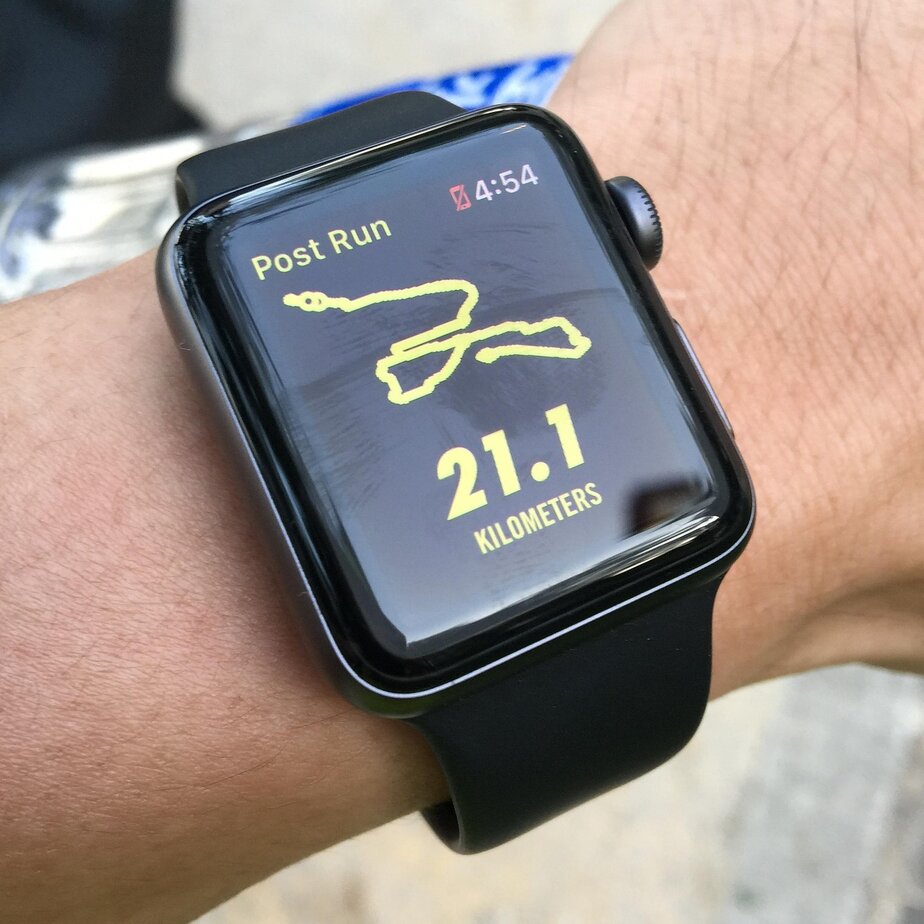
🥈 Apple Watch Ultra 3 – $399
Why choose this instead of Garmin 265?
Apple entered the serious runner market with the Ultra 3. Real competition for first time.
🥈 Apple Watch Ultra 3 – $399
Why choose this instead of Garmin 265?
Apple entered the serious runner market with the Ultra 3. Real competition for first time.
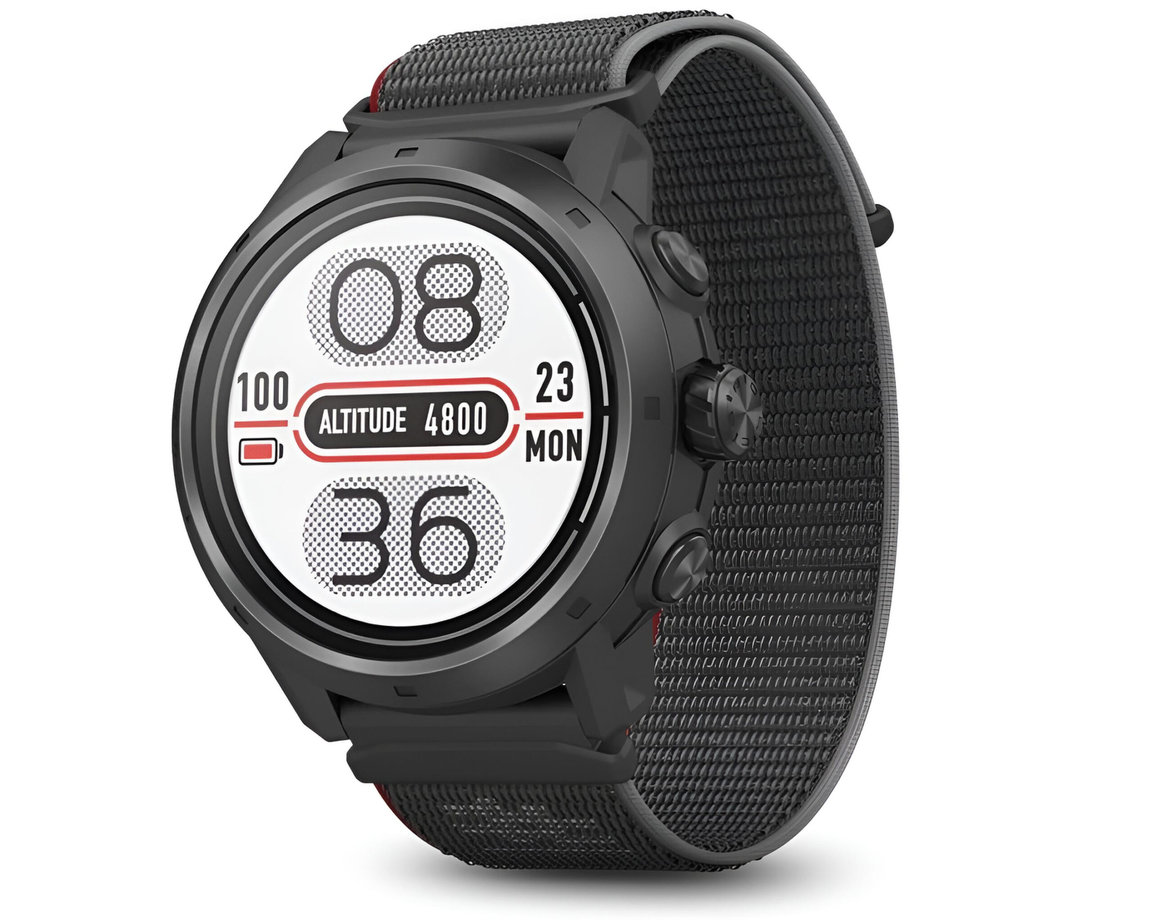
🥈🥉 Coros Apex Pro – $429
For athletes who want maximum running focus:
Coros focused entirely on runners/multi-sport. No smartwatch bloat.
✅ Focus: Every feature is for running/training
✅ Battery: 40+ hours GPS (absurdly long), 65+ hours endurance mode
✅ Price: $429 (comparable to Garmin/Apple options)
✅ Training: Advanced coaching, training load, adaptive plans
✅ Multi-band GPS: 5 satellite systems for accuracy
When to pick: You want the longest-battery running watch. You don’t need smartwatch features. You want pure running capability.
The Real Differences That Matter (What To Actually Compare)
The One Thing Nobody Talks About (App Ecosystem)
Here’s the hidden factor nobody discusses when comparing watches: the app you live in.
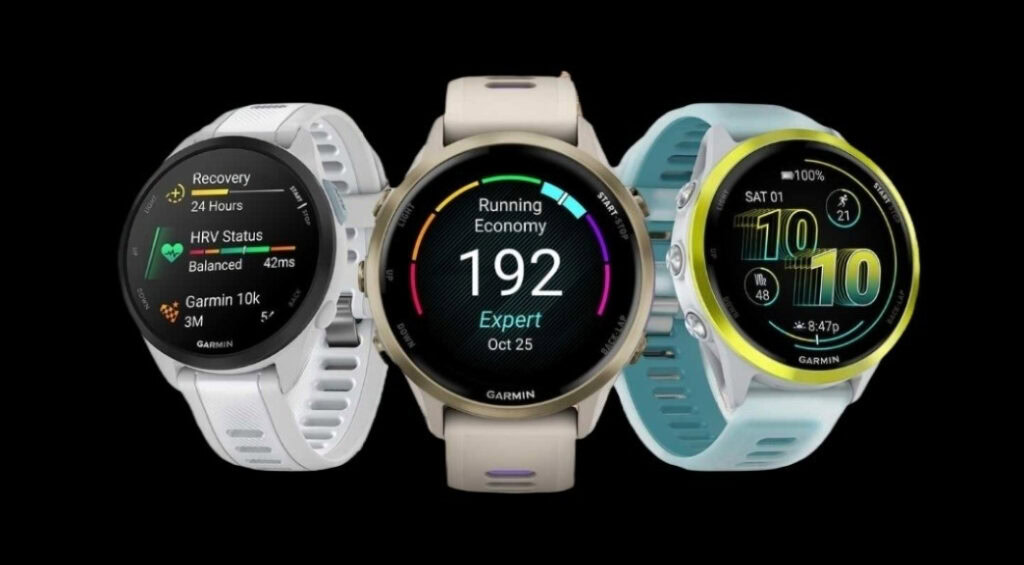
Garmin Connect
Pro: Insane depth of data. Every split, every heart rate point, every effort is recorded and analyzed.
Con: Can be overwhelming. Too many features.
Who loves it: Coaches, data nerds, athletes who want complete analysis.
Who hates it: Casual runners who just want to see if they ran fast today.
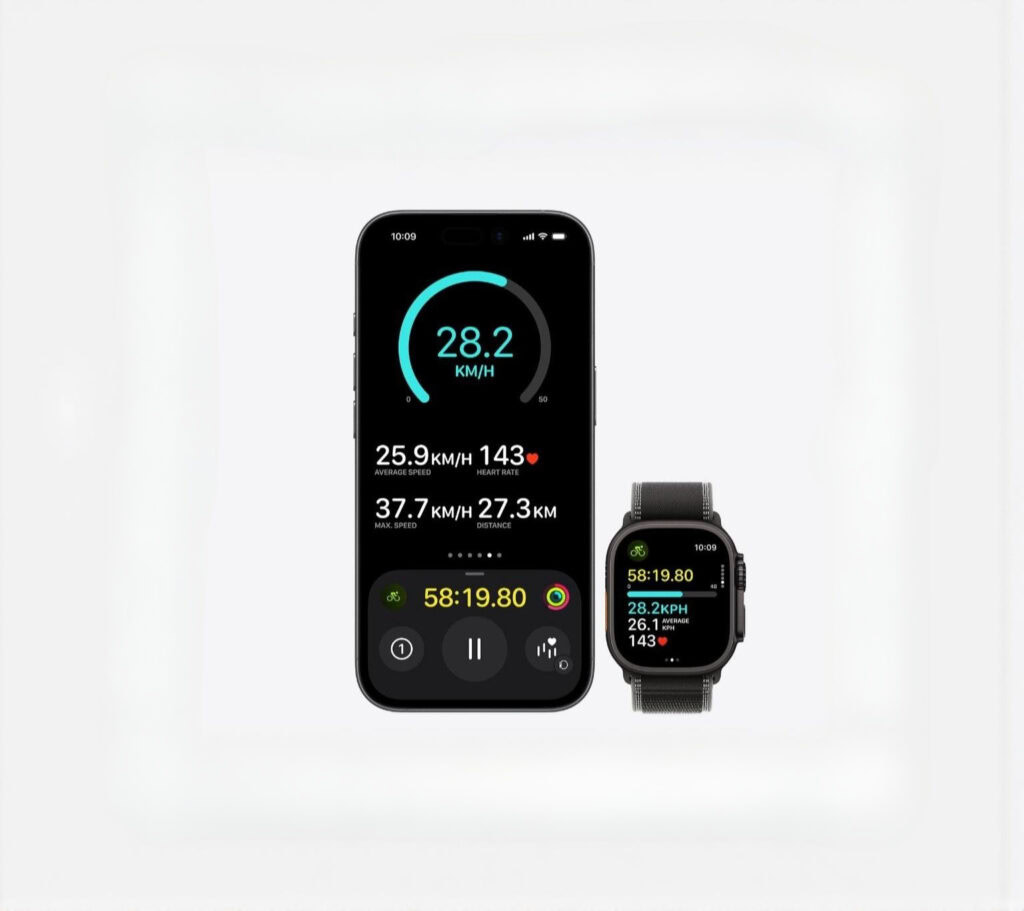
Apple Fitness+
Pro: Seamless. Simple. Works perfectly if you own all Apple devices.
Con: Can’t use it if you’re not full Apple. Limited third-party integration.
Who loves it: iPhone-only users, people who love simplicity.
Who hates it: Android users, runners who want deep analysis.

Coros App
Pro: Simple, clean interface. Easier learning curve than Garmin. Excellent Strava integration.
Con: Less depth than Garmin. Newer brand, occasionally has minor bugs.
Who loves it: Runners who want data without overwhelm. Strava-focused athletes.
Who hates it: Athletes who want every possible metric.
Frequenstly Asked Questions
Do I really need a $400+ watch for marathon training?
No. A $200 watch will get you to the finish line. A $400 watch might help you hit a goal time.
If you’re chasing sub-3? Invest. If you’re chasing sub-5? Save the money.
Will an Apple Watch work for marathon training?
Yes. Apple Watch Ultra 3 has dual-frequency GPS (actually accurate). BUT you need an iPhone. If you’re Android, don’t bother.
Should I buy last year’s model to save money?
Forerunner 265 is still available and excellent. You can find deals for $300-350. That’s smart money. Last generation features are 95% as good, 30% cheaper.
What about Suunto, Polar, or other brands?
They make fine watches. Suunto is good for trail running. Polar is good for cross-training. But for pure marathon training, Garmin/Coros/Apple dominate. Go with the leader. I will personally be sticking with Garmin for now, I may have some bias as I like the eco-system and am a android user.
Can I use my phone to track my marathon instead?
Yes. Strava app works great. You’ll just have to hold your phone or deal with it in a pocket. It’s… annoying. Watch is 100x better.
How accurate are these watches really?
Modern GPS watches are incredibly accurate on road marathons (±0.05-0.15 miles). The watch won’t make or break your race. Training consistency matters way more than watch specs.