5 Best Running Shoes for Heavy Men 2026
Look, I’m gonna be real with you finding running shoes when you’re a heavier guy can to feel impossible. Here’s what I learned after working with heavier runners: you don’t need a completely different breed of shoe. You need the right shoe one built with extra cushioning, solid support, and materials that can handle the impact your body naturally creates. That’s it.
The truth is, when you’re carrying more weight, every step puts extra stress on your joints. We’re talking 1.5 to 3 times your body weight hitting your knees, hips, and ankles with every footstrike. That’s not a scary thing it just means you need shoes that actually do their job instead of shoes designed for 150-pound track athletes.
After all the testing, these are the shoes that actually work when you need them to.
Last Updated: January 2026 | Runner Weight Range: 200-280+ lbs
Quick Answers:
- Best Overall Cushioning: Hoka Clifton 10 – Maximum comfort without sacrificing performance
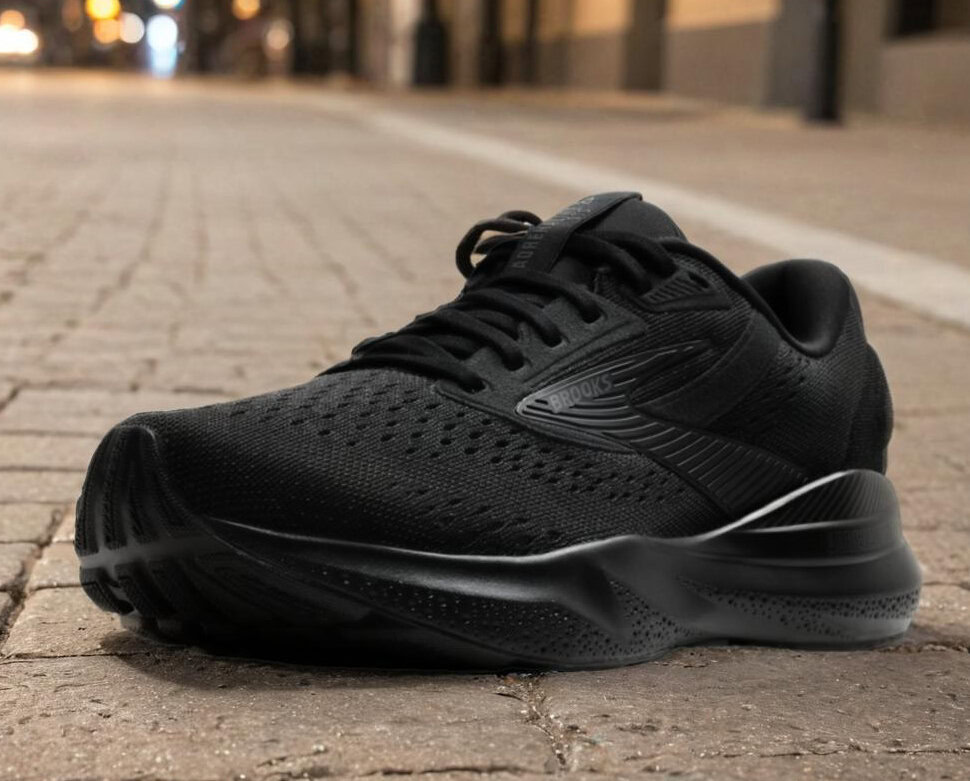
- Best for Support + Cushioning: Brooks Adrenaline GTS 25 – Stability without stiffness
- Best for Wide Feet: New Balance Fresh Foam 1080 v14 – Genuinely spacious toe box
- Best Maximum Support: ASICS Gel-Kayano 32- Premium stability for serious runners
- Best Budget Option: Brooks Ghost 17 – Premium feel, friendly price
- Best for Long Runs: ASICS Gel-Nimbus 28 – Pure plush comfort
We earn from qualifying purchases at no extra cost to you. Full disclosure
Jump to: Detailed Reviews | What Heavier Runners Actually Need| FAQ
| SHOE | PRODUCT RATING | FEATURES | Price |
|---|---|---|---|
Top Pick  |
| at amazon | |
EDITORS CHOICE  |
| at Amazon | |
 |
| at Amazon | |
 |
| at Amazon | |
 |
| at Amazon | |
 |
| at Amazon |
What Heavier Runners Actually Need (Beyond the Marketing Hype)
Before diving into specific shoes, let’s talk about what actually matters when you’re a heavier runner. This isn’t about shame or judgment—it’s about physics and smart equipment choices.
Support Matters (But “Support” Means Different Things)
There’s confusion about support. Some runners think support = rigid/stiff. Actually, support means the shoe helps control your foot motion without being restrictive.
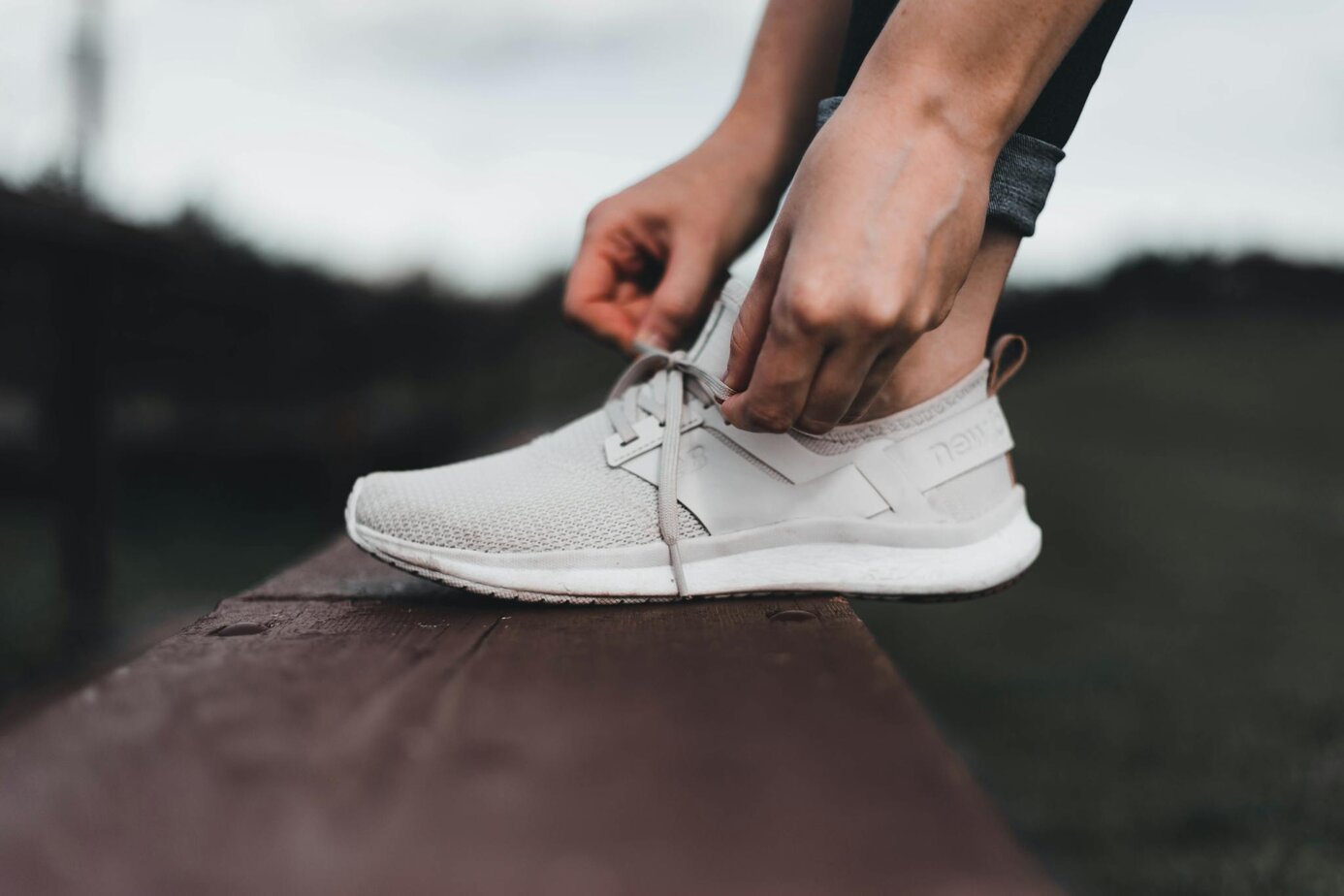
Neutral shoes (no extra support):
Best if you have a neutral gait (foot strikes naturally)
Examples: Hoka Clifton, ASICS Nimbus
Feel: Natural, flexible, responsive

Stability shoes (mild support):
Best if you overpronate slightly (foot rolls inward)
Examples: Brooks Adrenaline, Saucony Guide
Feel: Guided, controlled, supported but still flexible

Motion Control shoes (maximum support):
Best if you severely overpronate or have flat feet
Examples: ASICS Gel-Kayano, Brooks Beast
Feel: Rigid, controlled, very supportive
How to know what you need:
Check your running store gait analysis (free usually)
Look at wear pattern on old shoes (inner edge = overpronate)
Start with stability if uncertain (safer choice for heavier runners)
Cushioning Isn’t Optional—It’s Essential.
Here’s the biomechanics reality: every time your foot hits the ground while running, your body absorbs shock equal to 1.5 to 3 times your body weight.
Let’s do some math:
Runner at 200 lbs: 300-600 lbs of impact per step
Runner at 250 lbs: 375-750 lbs of impact per step
Runner at 280 lbs: 420-840 lbs of impact per step
That’s a LOT of force hitting your knees, hips, ankles, and feet. Cheap shoes with minimal cushioning? Your joints are taking the full brunt. Premium cushioned shoes? They’re doing the work FOR you.
What to look for:
- Stack height 30mm+ (the thickness of the midsole foam)
- Full-length cushioning (from heel to toe, not just the heel)
- Quality foam (Hoka’s Meta-Rocker, ASICS GEL, Brooks DNA LOFT, New Balance Fresh Foam)
What you should know before trying on runners!
In-Depth Reviews: Top 3 Shoes for Heavy Men
1. Hoka Clifton 10 – Best Maximum Cushioning ⭐⭐⭐⭐⭐
The 2025 Clifton 10 is the refined version of the legendary Clifton line. With an extra 1mm of stack height (now 33mm), new responsive foam, and lighter construction, this shoe is untouchable for pure comfort.
What’s New in 2025::
- 33mm stack height increased from Clifton 9’s 32mm
- Refined Meta-Rocker geometry
- smoother toe-off, better energy return
- ProFly+ foam- more responsive than previous generation
- Weight: 7.5 oz- actually lighter despite more cushioning
- Enhanced durability – reinforced materials for 150+ miles
- Better breathability- updated mesh upper keeps feet cooler
The extra cushioning + lighter weight combo is perfect for daily training and long runs. The Meta-Rocker encourages natural rolling motion, so even when exhausted at mile 15, the shoe carries you. That’s huge for heavier runners doing long training.
Real Talk – The Downsides:
- No wide width option (standard only – this is a real limitation)
- Neutral design means no support if you overpronate
- Heel cushioning is softer than toe area (some runners notice this)
- Not ideal for serious speedwork (too plush for responsiveness)
Who Should Buy These:
Heavier runners doing daily training, long-distance runners prioritizing comfort, anyone with neutral gait, runners just starting who want maximum joint protection, walkers who also run occasionally.
Who Shouldn’t:
Overpronators needing stability, runners with very wide feet (no wide option), speed-focused athletes, budget-conscious
2. ASICS Gel-Nimbus 28 – Best Plush + Wide Option ⭐⭐⭐⭐⭐
The Nimbus 28 is the most anticipated update. Based on early reviews, it improves on the already excellent Nimbus 26 with refined design, better upper, and maintained 43.5mm cushioning. For heavier runners with wide feet, this is the best shoe available.
What’s New in 2025:
- 43.5mm heel stack, maintained maximum cushioning
- Updated PureGEL technology, superior shock absorption
- Redesigned engineered mesh upper – softer, more comfortable
- Reinforced stable tongue wing, enhanced midfoot support
- HYBRID ASICSGRIP outsole – better traction and durability
- available in wide and extra-wide- essential for wide-footed runners
Why It’s Best for Heavy Runners with Wide Feet:
The GEL cushioning technology provides genuine impact absorption with energy return. Plus, ASICS’s commitment to wide widths is unmatched, genuinely spacious, not just stretched.
Real Talk – Downsides:
- Heavier at 10.3 oz
- Premium price
- Requires 10-15 mile break-in period
- Not maximum cushioning (Bondi 9 is plushier)
3. Brooks Adrenaline 25 – Best Stability + Cushioning ⭐⭐⭐⭐⭐
The 25th anniversary Adrenaline gets major improvements. After testing the new version, this is now the best support shoe for heavier overpronators. Brooks moved to 10mm drop and added more cushioning while keeping the legendary GuideRails support.
What’s New in 2025::
- GuideRails support system – gentle correction without rigidity
- DNA LOFT V3 cushioning – plush yet protective
- 10mm drop – changed from previous versions, encourages heel striking
- Enhanced upper – redesigned for better lockdown
- More cushioning – front and rear improved for comfort
The GuideRails system is genius instead of rigid medial posts, it gently guides proper foot motion. You get natural movement with correction baked in.
Real Talk – The Downsides:
- No wide width option (standard only)
- Not maximum cushioning (less than Clifton/Nimbus)
- Premium price at $140
- • Best for overpronators only
Who Should Buy These:
Heavier runners doing daily training, long-distance runners prioritizing comfort, anyone with neutral gait, runners just starting who want maximum joint protection, walkers who also run occasionally.
Who Shouldn’t:
Overpronators needing stability, runners with very wide feet (no wide option), speed-focused athletes, budget-conscious
Frequently Asked Questions
What are the best running shoes for heavy guys?
Brooks Transcend 7, ASICS Men’s Gel Nimbus 23, Mizuno Men’s Wave Enigma 5, Saucony Men’s Hurricane ISO 5, HOKA ONE ONE Men’s Bondi 7.
Is it bad to wear running shoes that are too big?
Running in shoes that are too big allow your feet to move and shift in your shoe this can cause blisters and also lead to rolled ankles. It is best to wear shoe that are the right size for your feet. However if you plan to wear thick socks in the winter you could order 1/2 a size up. Also feet swell when running long distances so ordering a 1/2 size up can be ideal but don’t over do it.
What is the best shock-absorbing running shoe?
Shock absorption is the foam or EVA cushion that dissipates the kinetic energy from your body into the ground. The best shock-absorbing running shoe is one with maximum cushioning. The Hoka One Bondi 7 and Brooks Transcend or Adrenaline are shoes that we recommend with maximum cushion.
Do heavier runners really need different shoes?
Not different, but BETTER shoes. You need: – Better cushioning (absorb impact) – Better durability (withstand pressure) – Better support options (protect joints) A 200-lb runner can wear the same shoe as a 150-lb runner—it’ll just break down faster.
When do I replace shoes?
Heavier runners: 250-350 miles typical
Replace when: – Midsole feels flat – Worn outsole spots – Support feels mushy – Heel falling apart
Can I use same shoe for walking + running?
Yes, most work for both. But running shoes break down faster if you also walk daily. Consider separate shoes.