Best Screenless Fitness Trackers in 2026: Activity Tracking Without Another Screen
A screenless fitness tracker keeps collecting health and activity data without putting another display on your wrist. You can wear it all day, sleep in it, check the app when you want, and still wear a normal watch if you prefer.
There are more useful choices now than there were a year ago. Garmin and Fitbit have joined WHOOP, Amazfit and Polar with screen-free trackers of their own. The differences come down to training data, subscription cost, battery life, comfort and the app you want to use.
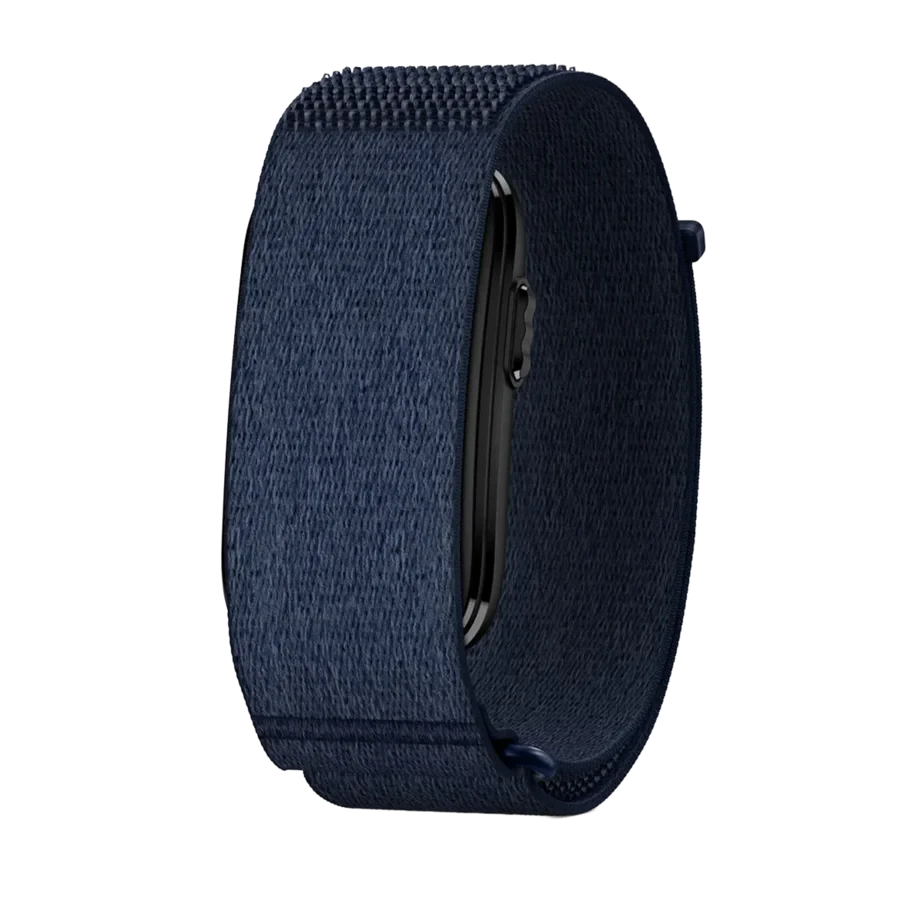
Garmin CIRQA Smart Band
CIRQA is the first tracker I would compare if running and training matter more than simply counting steps. It brings Garmin’s Body Battery, Training Readiness, HRV Status, VO2 max, sleep and recovery tools into a band with no display.
One caution: CIRQA only launched in 2026, and early Garmin forum threads include some reports of alarm, sensor and multi-device quirks. Buy it for the Garmin ecosystem and feature set, with the understanding that the software is still new.
What do you actually want the tracker to do?
These trackers look similar, but the right one depends on what you want to track and which app you already use.
Best Screenless Fitness Trackers in 2026
These are the six options worth comparing first. Smaller brands are left out of the main picks where long-term support and owner feedback are harder to judge.
Garmin CIRQA
Deep Garmin training and recovery data with no required subscription.
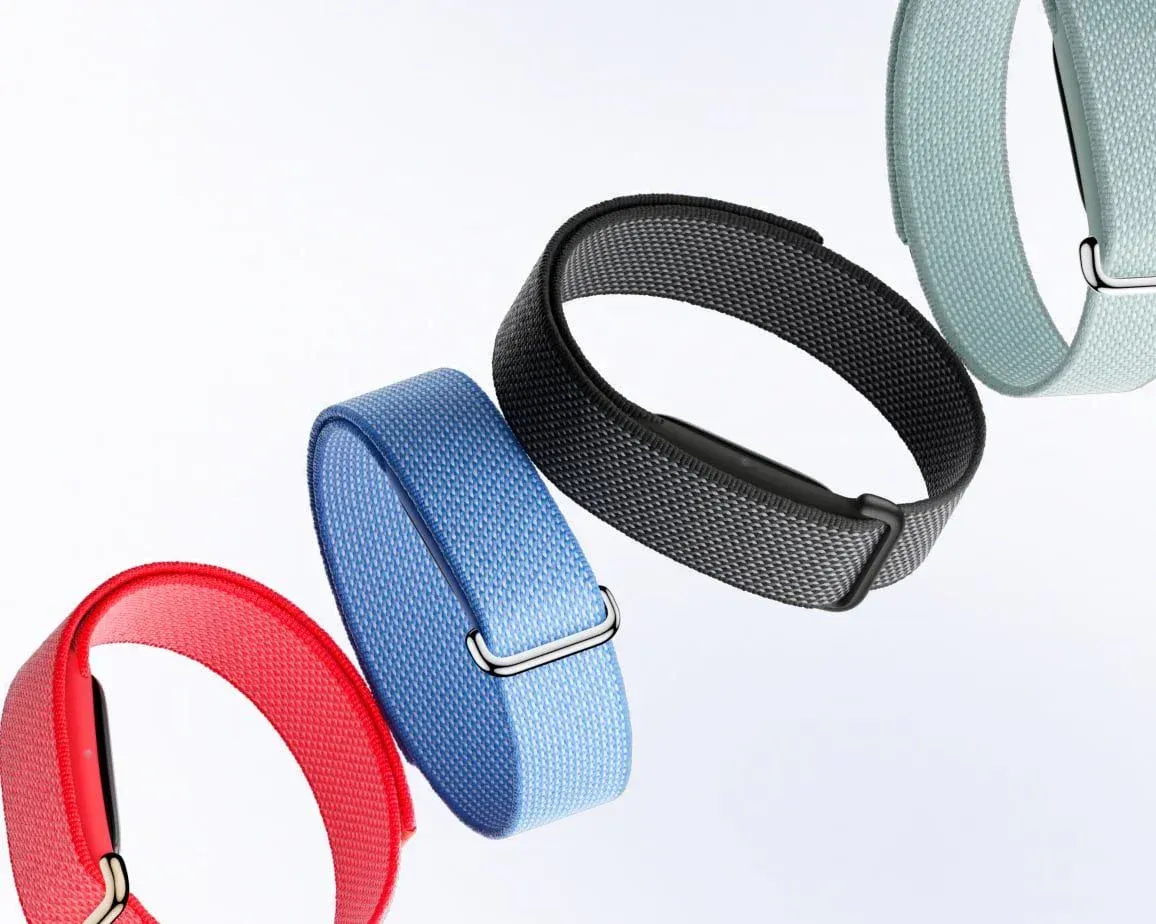
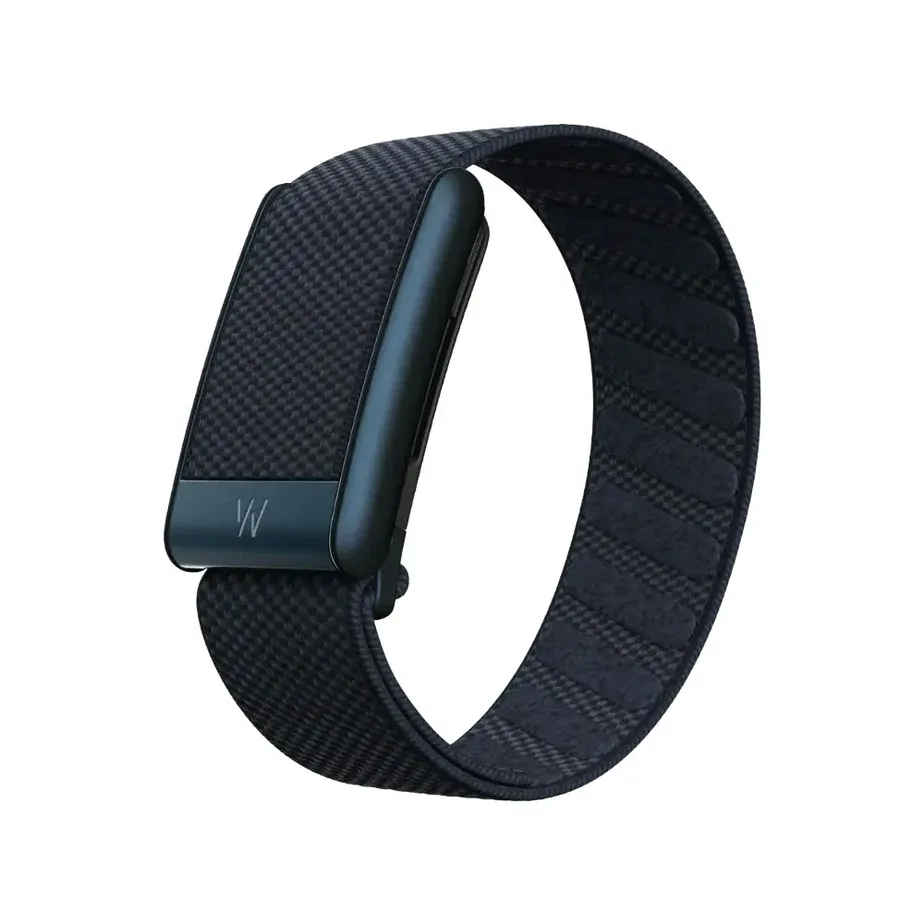
WHOOP 5.0
Best if you want WHOOP’s recovery and strain coaching and are comfortable with the membership cost.
Amazfit Helio Strap
A lower-cost training option with upper-arm wear, heart-rate broadcast and no required subscription.
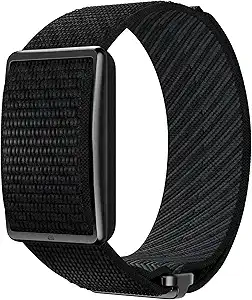
Polar Loop
Simple, quiet and subscription-free, with more mixed owner feedback for workout tracking.
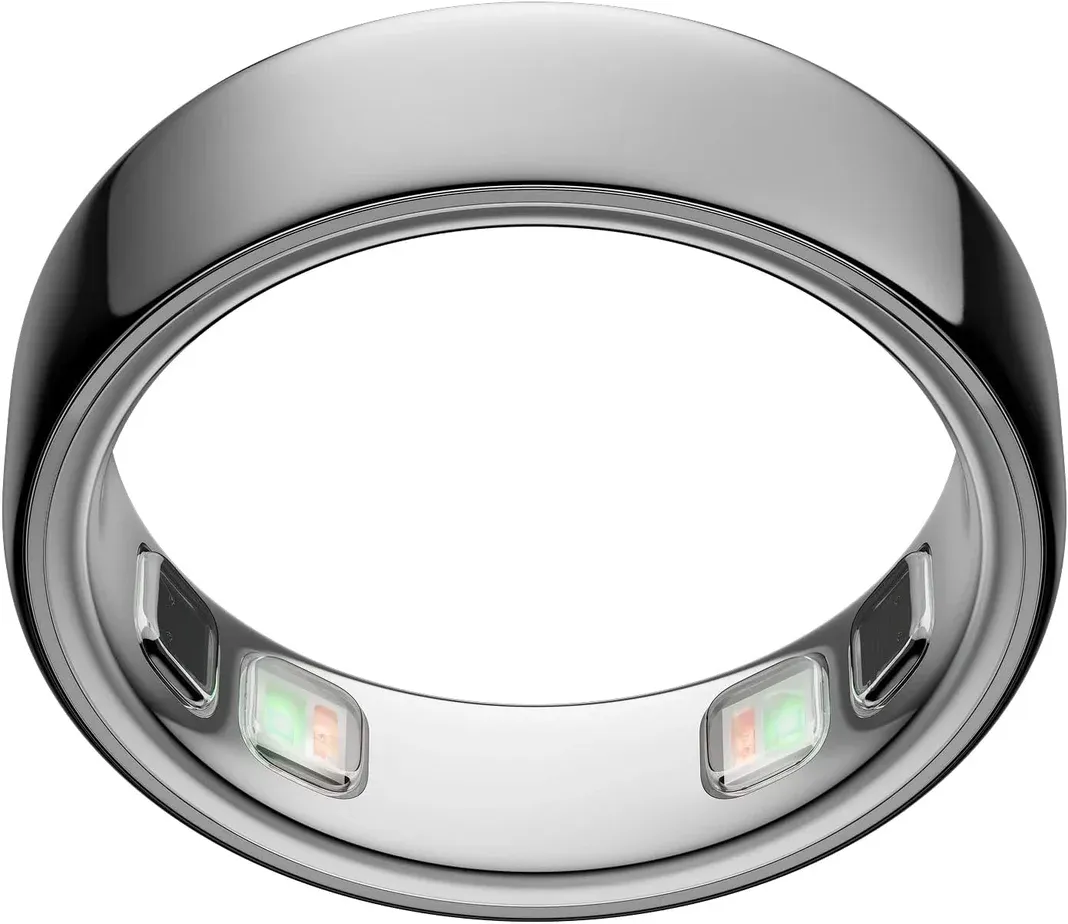
Oura Ring 5
A good fit for sleep and recovery if you would rather wear a ring than a second wrist device.
The 6 Best Fitness Trackers Without a Screen
Garmin CIRQA Smart Band
For runners, CIRQA stands out because it does more than count steps and track sleep. It can detect activities automatically, lets you start an activity with the button on the band, and feeds Garmin training metrics such as Training Readiness, HRV Status and VO2 max into Garmin Connect.
For runners, the main limitation is GPS. CIRQA does not replace a Forerunner for live pace, maps or phone-free route recording. Outdoor route tracking uses a connected phone. It makes more sense as an all-day tracker beside a running watch than as a replacement for one.
Because CIRQA is new, the software is still settling in. Early Garmin forum posts include reports about alarms, sensor behaviour and using CIRQA alongside another Garmin device. Those are worth checking if you plan to switch between a CIRQA band and a Forerunner or fēnix.
Google Fitbit Air
Fitbit Air makes sense if you want everyday activity and sleep tracking without athlete-level training analysis. It is small and light, and the free Google Health tier includes steps, distance, calories, Cardio Load, Readiness, heart rate, HRV and sleep data.
Google Health Premium is optional. The free tier covers the core tracking, while Premium adds Google Health Coach, adaptive fitness plans and more detailed coaching. Unlike WHOOP, you can keep using Fitbit Air without an annual membership.
Comfort comes up often in early owner discussions, which makes sense for a tracker meant to stay on day and night. The more common complaints are the seven-day battery claim and the move from the old Fitbit app to Google Health.
WHOOP 5.0
WHOOP is the familiar name in this category. Its main advantage is not the band itself, but the way the app turns sleep, strain and recovery data into daily guidance instead of leaving you to interpret every metric on your own.
The downside is the ongoing membership. WHOOP includes the hardware as part of its membership plans, so the cost continues after the first year. Garmin, Polar and Amazfit can all be used without a required annual subscription.
The recurring Reddit complaint is the subscription. Plenty of users like WHOOP’s app and recovery system but still look for another band because they do not want another annual bill.
Amazfit Helio Strap
Helio Strap is one of the clearest no-subscription alternatives to WHOOP. It tracks heart rate every second, can broadcast heart rate to compatible equipment and apps, and can be worn on the upper arm for workouts.
Upper-arm wear is useful for running, strength training and anyone who wants to keep both wrists free. Amazfit also includes training load, VO2 max, recovery time, sleep, HRV and BioCharge through the Zepp app without a required monthly fee.
Owner feedback is more mixed on the stock band and Zepp app than on the tracking features. Amazfit also sells the Helio Strap Pro, which is aimed more at hybrid and HYROX-style training and costs more than the standard strap.
Polar Loop
Polar’s pitch is simple: no screen, no subscription, automatic tracking and the Polar Flow app. It tracks sleep, steps, activity and training, with up to eight days of battery and four weeks of onboard memory.
Polar Loop ranks below Garmin, Fitbit and Amazfit here because recent owner feedback is more mixed, especially around automatic workout detection, sleep tracking and the app experience. The positives are comfort, Polar Flow and the lack of a membership fee.
It makes the most sense if you already use Polar Flow or other Polar gear. If you are starting from scratch, CIRQA, Fitbit Air and Helio Strap are easier places to begin.
Oura Ring 5
Oura Ring 5 is the only ring in this guide. It is completely screen-free and focuses heavily on sleep, readiness, stress and recovery rather than live workout data.
It is not the best main running tracker. A ring cannot show pace or workout screens, and it works better as a background health tracker while a GPS watch handles runs.
Oura also requires a membership for the full app experience. That makes the long-term cost higher than Garmin, Fitbit’s free tier, Amazfit or Polar.
What Reddit and Forums Keep Saying About Screenless Trackers
Recent discussions in r/Polarfitness, r/FitnessTrackers, r/Garmin, r/Cirqa, r/fitbit and r/amazfit, along with Garmin’s support forums, keep circling back to the same points:
- People want to wear normal watches again. A common use case is wearing a mechanical or analogue watch while a screenless band collects health data in the background.
- WHOOP’s app is still a strength. Even people leaving WHOOP often say the recovery and coaching side is what they miss most.
- The subscription is WHOOP’s biggest problem. Cost is the main reason users move toward Amazfit, Garmin, Polar or Fitbit.
- Helio Strap gets a lot of value praise. Owners especially like wearing it on the upper arm, though the strap and Zepp app receive more mixed comments.
- Polar Loop feedback is inconsistent. Comfort and no subscription are positives, while workout detection, sleep and software are common complaints.
- Fitbit Air gets good comments for comfort. Early owners often describe it as light, while the seven-day battery and Premium coaching model get more mixed reactions.
- Garmin CIRQA makes the most sense for existing Garmin users. A common setup is a Forerunner or fēnix for training and CIRQA the rest of the day. Early forum posts also show some first-generation software issues.
There is no exact “WHOOP without a subscription.” Garmin offers deeper running and training data, Fitbit keeps things simpler, and Amazfit is the better fit when price and upper-arm workout tracking matter most.
Can a Screenless Fitness Tracker Replace a Running Watch?
Usually, no.
A screenless band is excellent for 24/7 heart rate, sleep, recovery and activity tracking. It is not as good for checking your pace during intervals, following a workout, navigating a route or seeing race data without pulling out your phone.
Garmin CIRQA, Polar Loop, Fitbit Air, WHOOP and Helio Strap can all contribute useful running data, but none gives you the same live experience as a Forerunner, COROS PACE or Apple Watch. Garmin CIRQA, for example, uses connected phone GPS for outdoor route tracking rather than built-in GPS.
For many runners, a useful setup is:
- screenless tracker during daily life and sleep
- GPS running watch for workouts, long runs and races
This works well if you already own a running watch but do not want to wear it all day and overnight.
What About Hume Band 2.0 and Other WHOOP Alternatives?
- Hume Band 2.0: the feature list is interesting, but long-term owner feedback is not as established as it is for the main picks above. That is why it stays out of the top six for now.
- Amazfit Helio Strap Pro: a real product and a good upgrade for strength, HYROX and hybrid training. It costs substantially more than the standard Helio Strap, so it is not the value pick for basic screenless tracking.
- Other smart rings: RingConn, Ultrahuman and similar rings fit the screen-free idea, but they are a different buying decision from a wrist or upper-arm band. Oura is included here only as the main ring alternative.
- Cheap generic screenless bands: app support, firmware updates and sensor algorithms matter enough here that a very low purchase price can be a false economy.