8 Best Running Shoes for Flat Feet in 2026: Supportive + Neutral Picks
Flat feet do not automatically mean you need a stability shoe. Some runners with low arches feel best in a supportive trainer. Others are perfectly comfortable in a neutral shoe. The useful question is not “How flat is my arch?” It is “Which shoe feels comfortable, secure and easy to run in?”
That is why this list includes different kinds of shoes instead of eight versions of the same stability trainer. There are traditional support shoes, lower-drop options, wide fits, an anatomical toe box and a neutral pick for runners who do not want extra guidance.
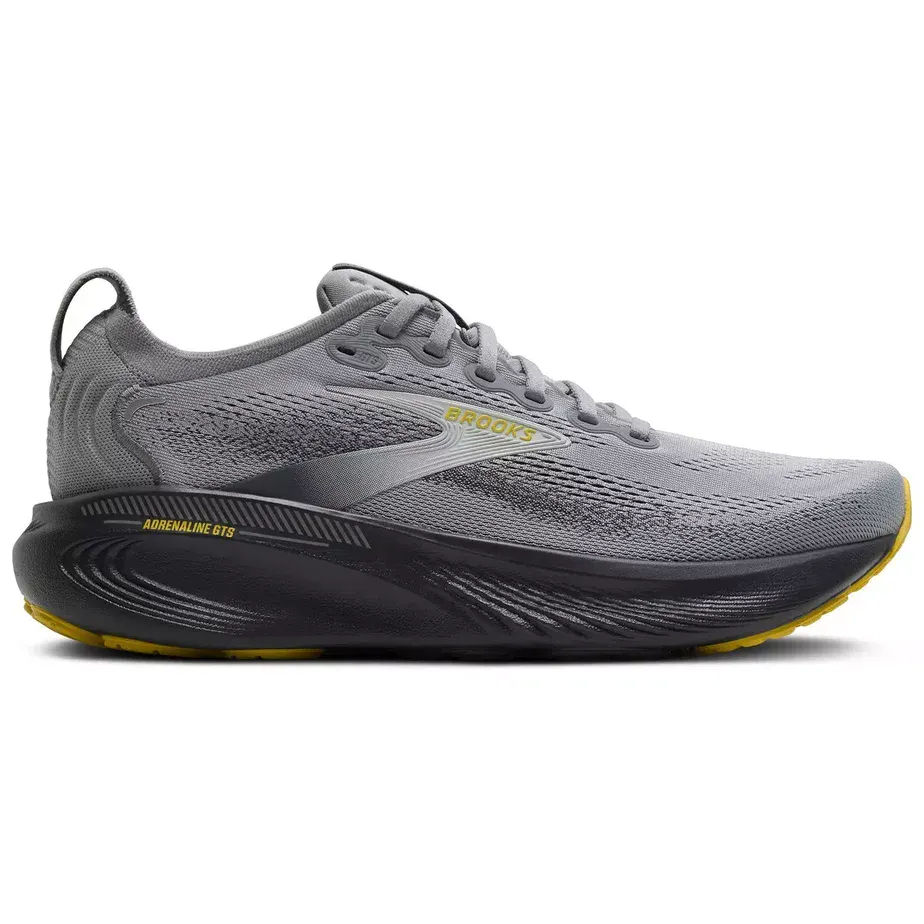
Brooks Adrenaline GTS 25
The Adrenaline GTS 25 is the first shoe I would compare if you already know that a supportive trainer feels good. The GuideRails system is subtle, the platform is steady, and the latest version has softer cushioning than the GTS 24.
Start with the fit or support problem you actually have
This is faster than choosing a shoe from your arch height alone.
Brooks Adrenaline GTS 25
Dependable daily support without a harsh corrective feel.
See Adrenaline →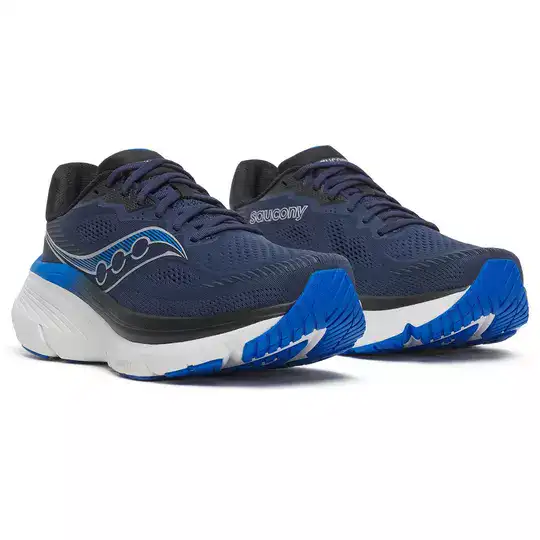
Saucony Guide 19
Broad, smooth CenterPath guidance with useful width choices.
See Guide 19 →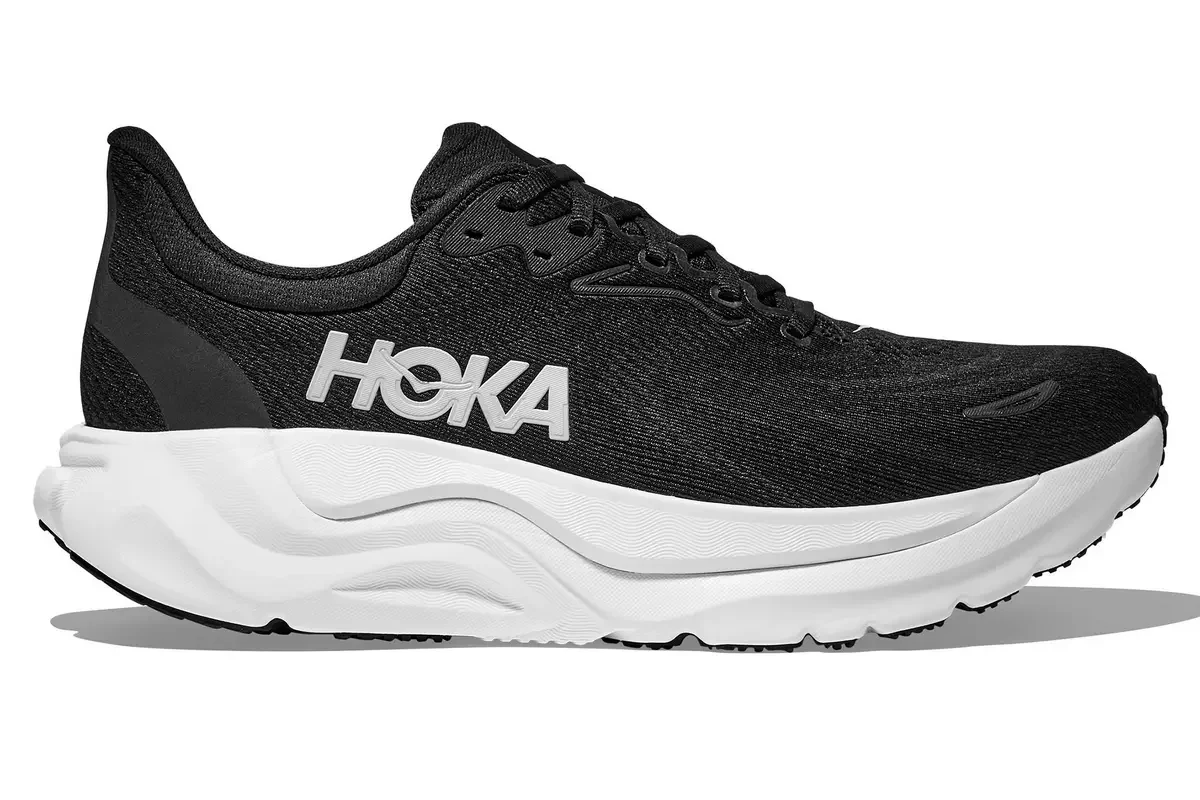
HOKA Arahi 8
Lighter, smoother support for runners who dislike bulky stability shoes.
See Arahi 8 →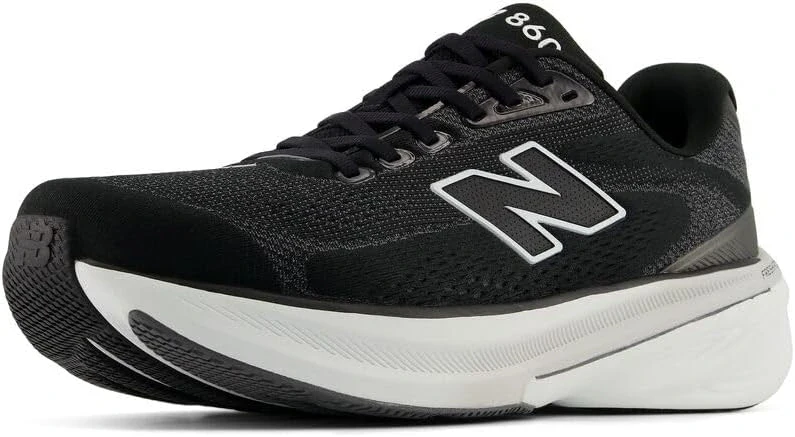
New Balance 860v15
Excellent width range with a plush, planted support feel.
See 860v15 →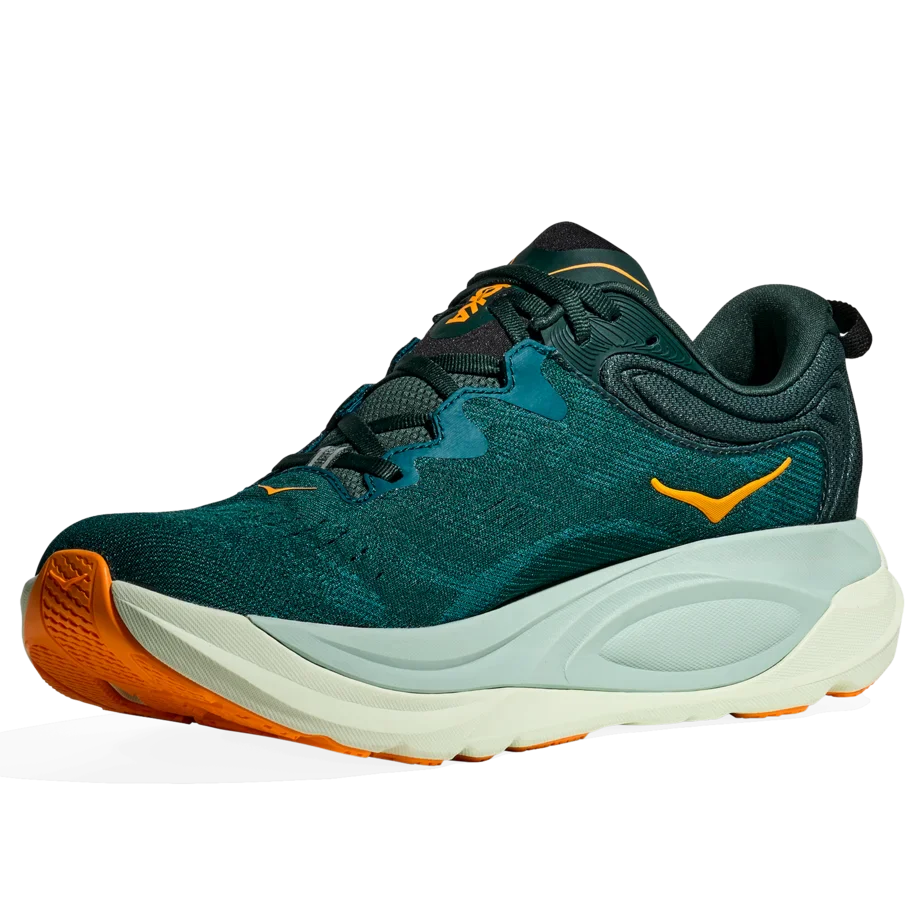
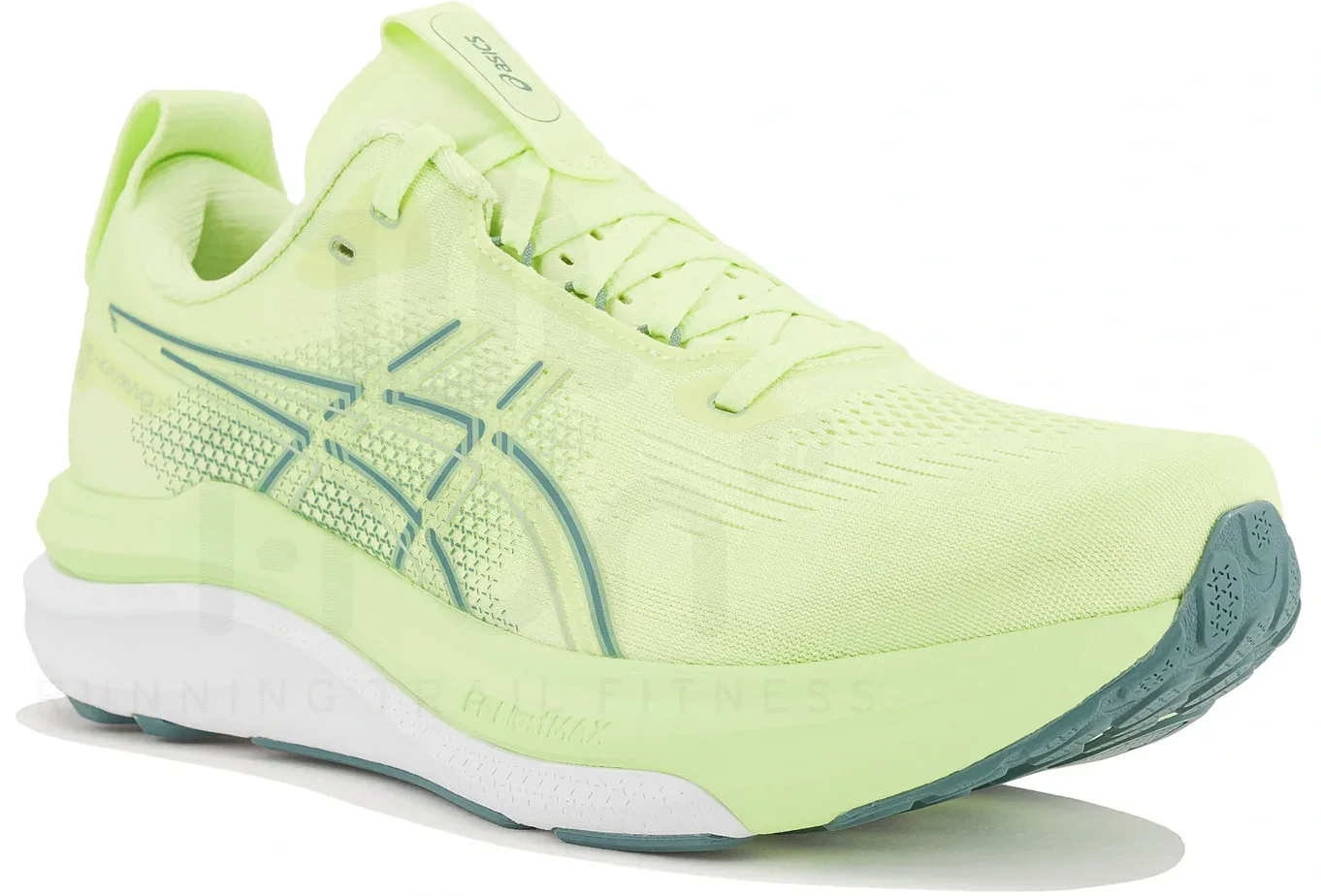
ASICS Gel-Kayano 33
Substantial cushioning and support for comfort-first mileage.
See Kayano →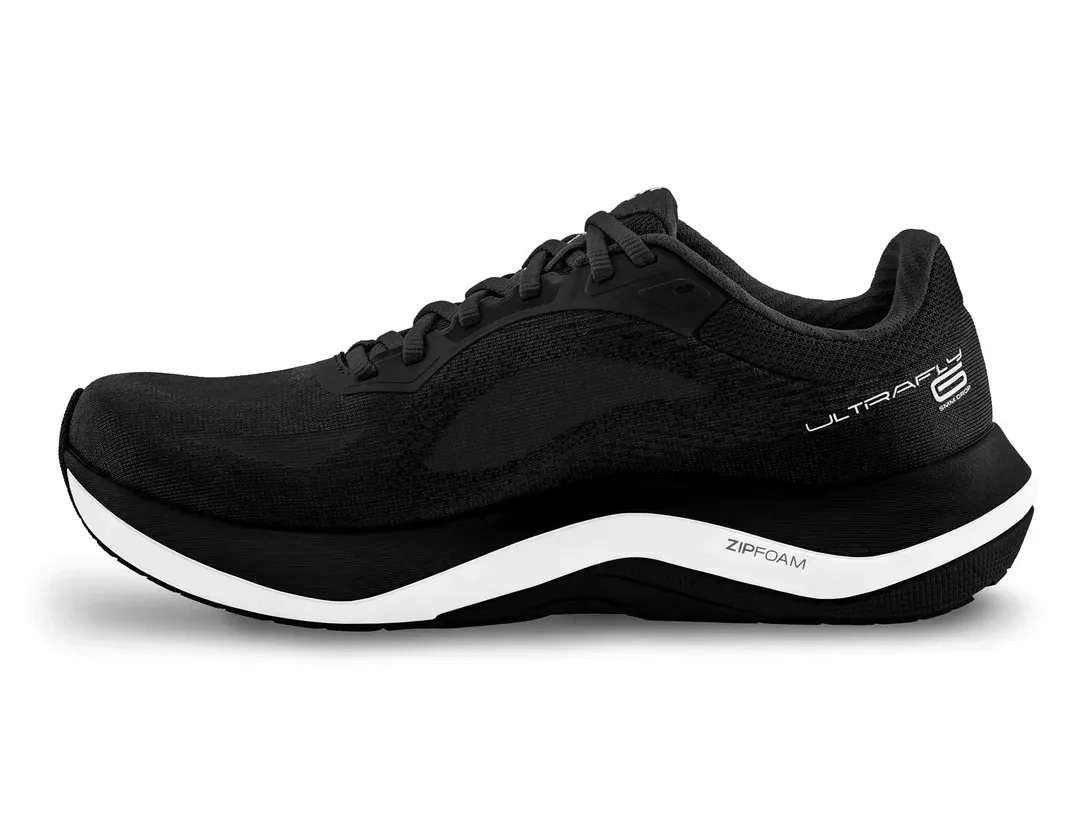
Topo Ultrafly 6
Roomy forefoot with a deliberately secure midfoot.
See Ultrafly →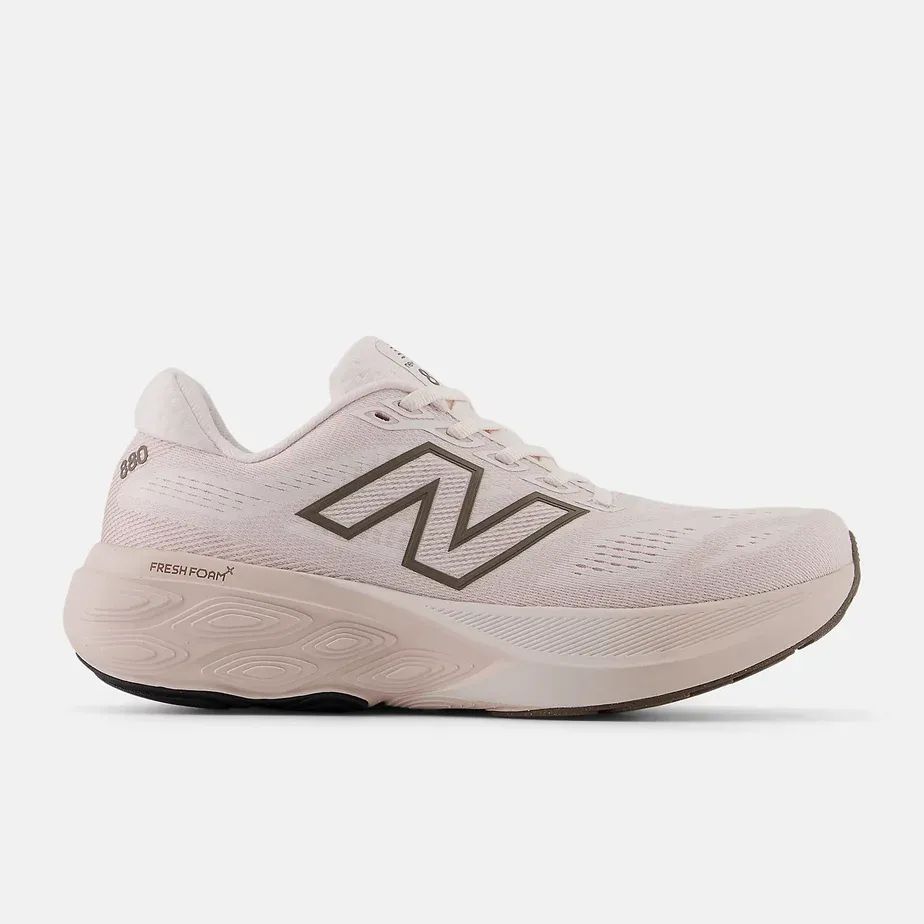
New Balance 880v15
For flat feet that already feel good without dedicated support.
See 880v15 →Not sure whether you need stability at all?
The Running Shoe Finder compares support, cushioning, width and training use before narrowing the options.
What Actually Matters With Flat Feet
Flat feet and overpronation are different
A low arch does not tell you exactly how your foot moves while running. Some flat-footed runners like stability shoes and some do not.
Arch pressure is not a good sign
Support should not feel like a hard lump pushing into the middle of your foot. If it does, try another model or width.
Toe width is not midfoot width
Topo and Altra leave more room for the toes, but both still use secure midfoot shapes. A genuinely broad foot may need an actual wide size.
Comfort still wins
If a neutral shoe already feels steady and pain-free, there is no reason to abandon it simply because another shoe is labelled stability.
The 8 Best Running Shoes for Flat Feet in 2026
Brooks Adrenaline GTS 25
Good choice if: you already know you prefer a supportive daily trainer and want something straightforward.
See Current Price →The Adrenaline is not trying to feel like a racing shoe. It feels steady, comfortable and predictable, which is exactly what many runners want from a support shoe. Brooks uses GuideRails around the foot rather than a hard block directly under the arch.
Independent lab testing rates the GTS 25 very highly for stability and daily running, while also pointing out the obvious tradeoff: it is heavy and not especially bouncy. Brooks owner reviews are strong overall, although heel-collar rubbing shows up in some negative reviews.
What Works
- Subtle GuideRails support
- Softer than version 24
- Good traction and durability
- Multiple widths
Watch For
- Heavy for a modern daily trainer
- Modest energy return
- Some heel-collar complaints
- Not needed if neutral shoes feel better
Saucony Guide 19
Good choice if: older stability shoes feel stiff and you want a broader, smoother support platform.
See Current Price →Guide 19 is one of the easiest support shoes to understand. Saucony uses sidewalls and platform shape through CenterPath rather than relying on an aggressive post. The result is a broad daily trainer that feels guided without making the support system the main event.
It also has unusually useful width choices in the women’s model: regular, wide and extra wide. That matters for flat feet because a low arch often comes with more midfoot volume, and squeezing into the wrong width can be a bigger problem than the support category itself.
What Works
- Natural-feeling CenterPath guidance
- Regular, wide and extra wide
- Comfortable PWRRUN cushioning
- Useful $150 price point
Watch For
- 6 mm drop is lower than Adrenaline
- Less structured than Gaviota
- Not a speed shoe
- Support feel may be too subtle for some runners
HOKA Arahi 8
Good choice if: traditional stability shoes feel bulky and you prefer a lighter, smoother HOKA-style ride.
See Current Price →The Arahi 8 fills an important gap in this list. It gives you a broad, stable platform and HOKA’s rolling geometry without the heavy feel of many traditional support shoes. At roughly 9.8 ounces in the listed men’s spec, it is lighter than the Adrenaline, Kayano and 860v15.
The rocker is the main reason to choose it. It rolls forward more noticeably than Brooks or New Balance, which can make everyday mileage feel smoother. The tradeoffs are a warmer upper and wet-road grip that is only average, so this is not the first shoe I would choose for hot weather or consistently slick routes.
What Works
- Lighter than many stability trainers
- Smooth rocker-style transition
- Broad, stable platform
- 8 mm drop is more conventional than older Arahi versions
Watch For
- Upper can run warm
- Wet traction is only average
- HOKA rocker feel will not suit everyone
- Less planted than Gaviota 6
New Balance Fresh Foam X 860v15
Good choice if: the problem is finding a support shoe that is actually wide enough through your foot.
See Current Price →The 860v15 is a fit-first recommendation. New Balance offers the women’s model from narrow through extra wide, so you can change width without buying a longer shoe just to create more room.
The current version is softer and less intrusive than older 860s. Independent lab testing liked the plush feel, traction and secure fit, but the shoe is still heavy and does not make much sense for faster sessions.
What Works
- Four women’s width choices
- Soft Fresh Foam X ride
- Stability Plane support
- Good walking comfort too
Watch For
- Heavy
- Not designed for speed
- Extra width can loosen heel fit
- Support is unnecessary for some flat feet
HOKA Gaviota 6
Good choice if: you want a very broad, planted shoe and lighter stability trainers still feel wobbly.
See Current Price →Gaviota 6 is the most planted shoe on this list. HOKA’s enhanced H-Frame sits inside a broad platform and creates a lot of stability without the old-school feeling of a hard medial post. It makes the most sense when you want more structure than Arahi, Guide or Adrenaline provide.
The fit is roomier than many HOKAs, which is useful for broader feet. The tradeoff is value and ride quality. Independent lab testing found excellent stability but only average shock absorption and low energy return for a shoe this large and expensive. I would buy it for the secure platform, not because you assume more foam automatically means more protection.
What Works
- Extremely stable platform
- Roomier than many HOKAs
- Improved traction
- Regular and wider versions
Watch For
- Low energy return
- Expensive for the foam used
- Bulky for faster running
- Cushioning is less impressive than the size suggests
ASICS Gel-Kayano 33
Good choice if: you want substantial cushioning and support mainly for easy runs, long steady mileage, walking or standing.
See Current Price →Kayano 33 is current, but I would not put it at #1 simply because the Kayano name is familiar. ASICS replaced the 4D Guidance System with FLUIDSUPPORT and uses FF BLAST MAX over FF BLAST PLUS for a softer top layer and a more centered stability design.
Independent reviews disagree on how successful that update is. RunRepeat rates the stability and build quality highly, while Doctors of Running found the heel transition clunky and the ride less responsive than version 32. That makes it a better fit for easy miles and walking than for runners who want one lively shoe for every pace.
What Works
- Very stable platform
- 8 mm official drop
- Standard, narrow and wide versions
- Comfortable for walking and easy mileage
Watch For
- Mixed independent reviews
- Can feel clunky at the heel
- Low energy return
- $170 premium price
Topo Athletic Ultrafly 6
Good choice if: your toes need room but you still want a secure heel and midfoot with real stability.
See Current Price →Ultrafly 6 is useful because it solves a different fit problem. Topo gives the toes room to spread while deliberately keeping the midfoot and heel secure. That is not the same thing as making the entire shoe wide.
Independent testing found excellent stability, outsole durability and a secure fit, but the ZipFoam ride is firm and not especially energetic. The upper’s toe-box durability also tested poorly. Buy this one for shape and support, not for soft cushioning.
What Works
- Excellent toe room
- Secure heel and midfoot
- Strong stability
- Very durable outsole
Watch For
- Firm, low-energy ride
- Toe-box upper durability tested poorly
- 5 mm official drop
- Roomy toes do not mean a wide midfoot
New Balance Fresh Foam X 880v15
Good choice if: you have flat feet but neutral shoes already feel comfortable and you mainly need width choices.
See Current Price →The 880v15 is here for an important reason: not every flat-footed runner needs a stability shoe. It gives you a soft neutral ride plus four women’s width choices, which can solve the real problem when a broad flat foot feels cramped in standard shoes.
There is no dedicated support system pushing the foot in a particular direction. If that feels comfortable and controlled during your runs, there is no reason to add more structure simply because your arch is low.
What Works
- Four women’s width choices
- Soft Fresh Foam X cushioning
- Neutral platform
- Useful for running and walking
Watch For
- No dedicated stability system
- Not a fast shoe
- 6 mm drop may feel different from 10 mm shoes
- Soft ride will not suit everyone
Compare the 8 Picks
Swipe sideways to compare all columns →
| Shoe | Best For | Support | Drop | Main Caution | Buy |
|---|---|---|---|---|---|
| Brooks Adrenaline GTS 25 Best Overall | Everyday stability | GuideRails | 10 mm | Heavy / low bounce | Amazon |
| Saucony Guide 19 | Cushioned support | CenterPath | 6 mm | Less structured feel | Amazon |
| HOKA Arahi 8 | Lightweight stability | H-Frame / geometry | 8 mm | Warm upper / average wet grip | Amazon |
| New Balance 860v15 | Wide feet + secure fit | Stability Plane | Check listing | Heavy | Amazon |
| HOKA Gaviota 6 | Max stability | Enhanced H-Frame | 6 mm | Bulky / low energy | Amazon |
| ASICS Gel-Kayano 33 | Long easy runs | FLUIDSUPPORT | 8 mm | Clunky for some runners | Amazon |
| Topo Ultrafly 6 | Anatomical toe box | Stability | 5 mm | Firm ride | Amazon |
| New Balance 880v15 | Neutral flat feet | Neutral | 6 mm | No dedicated guidance | Amazon |
Altra Paradigm 8 if you already use zero drop
Paradigm 8 still makes sense for runners who already like Altra’s FootShape fit and zero-drop geometry. I would not make it a main flat-feet recommendation because moving from a conventional 8 to 12 mm shoe to zero drop is a much bigger change than simply switching support systems.
See Current Price →Use Your Foot, Not Just the Label
1. Decide whether you want guidance
If neutral shoes already feel good, stay neutral. If you consistently prefer a steadier platform, compare Adrenaline, Guide, Arahi, 860, Gaviota or Kayano.
2. Find the pressure point
Toe squeeze, midfoot pressure and heel slip are different fit problems. Change width or shoe shape instead of assuming more arch support will solve them.
3. Keep heel drop in mind
This list ranges from 10 mm to zero. You do not need to change drop because your arches are flat. Staying near what already works is usually the simpler move.
4. Test the shoe while running
A shoe can feel fine standing still and wrong once you move. Pay attention to arch pressure, heel hold, toe room and whether the platform feels calm at your normal pace.