8 Best Running Shoes for Flat Feet in 2026: Supportive Picks
The short answer: the Brooks Adrenaline GTS 25 is the safest all-round starting point if you know you like a supportive daily trainer. The Topo Athletic Ultrafly 6 is my second pick and the better match when your toes need room but your heel and midfoot still need to feel secure. If neutral shoes already feel good, you do not need to buy a stability shoe just because your arches are low.
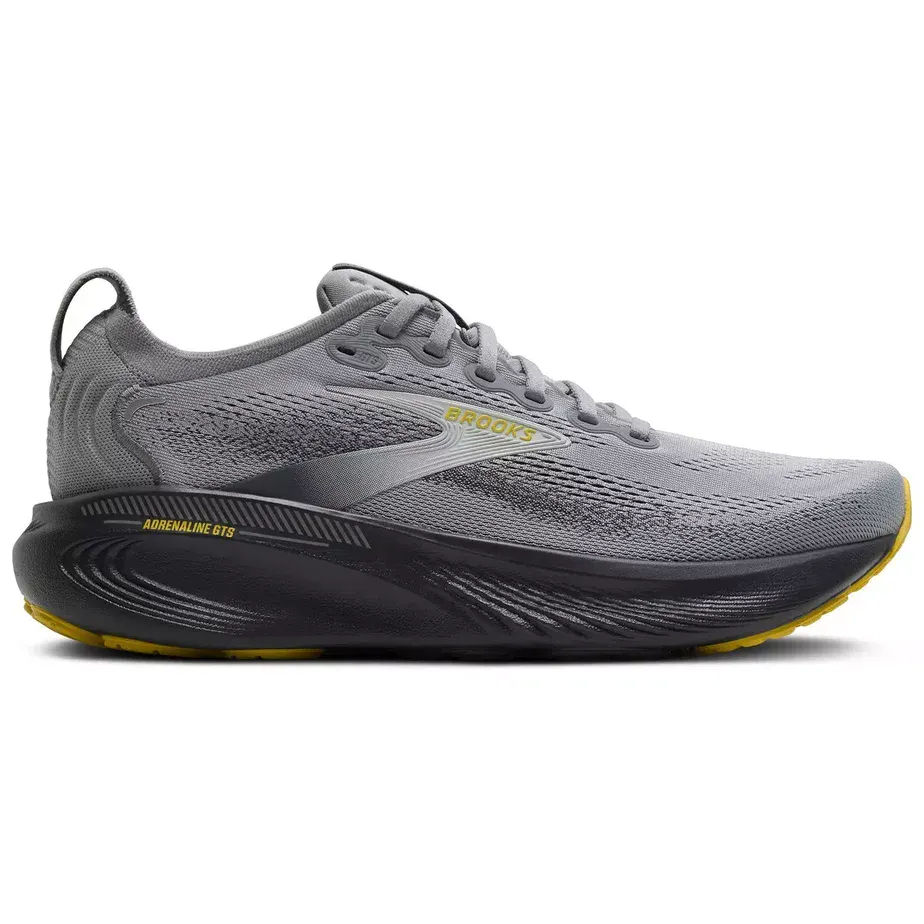
Best overall starting point
Brooks Adrenaline GTS 25
A steady daily trainer with GuideRails support, a familiar 10 mm drop and several width choices. It is not the lightest or liveliest shoe here. It is the one I would try first when you want support without turning the shopping process into a science project.
GuideRails
10 mm drop
Daily training
Multiple widths
Flat feet describes a foot shape. They do not tell us which shoe will feel best once you start running. Fit, comfort, width and how steady the shoe feels at your normal pace are more useful than an arch label on its own. You can browse the main running shoe guides if you are comparing more than support shoes. Or you could try our Running Shoe Quiz.
This article contains affiliate links. Running Gear Lab may earn a commission if you buy through one of them, at no extra cost to you. Product order is based on fit and use case, not commission rate.
Quick picks
Match the shoe to the problem you need to solve
These cards put the shopping decision first. The longer reviews and cautions are lower on the page.
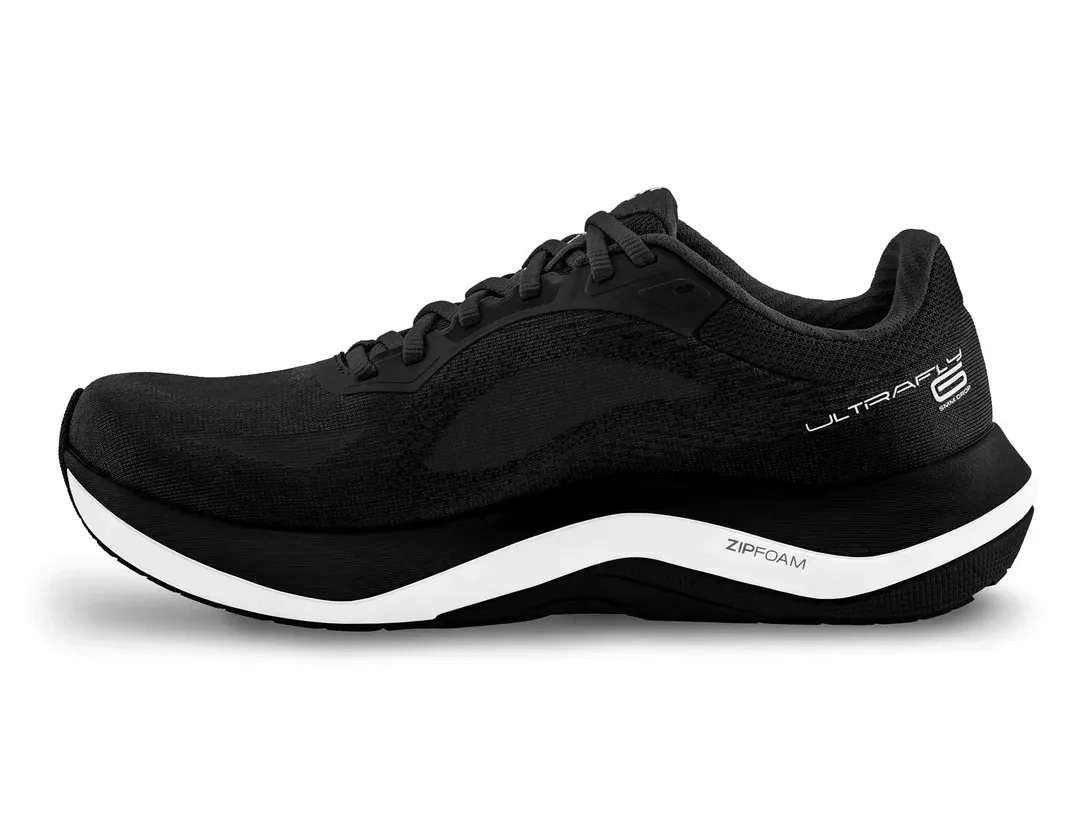
Roomy toe box and support
Topo Ultrafly 6
Toe room with a secure midfoot and light stability.
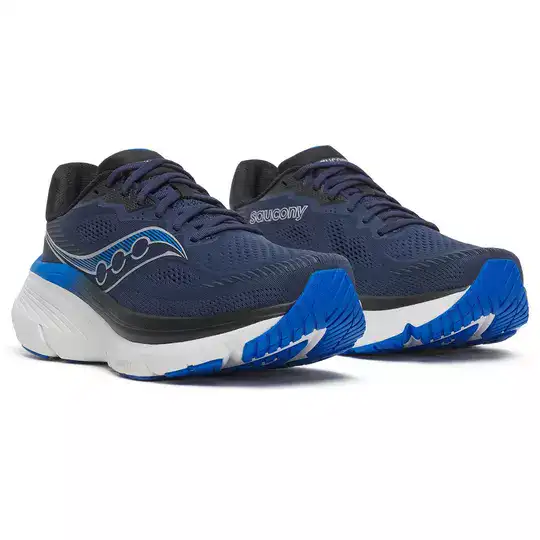
Smooth broad support
Saucony Guide 19
A softer-feeling alternative to old stability shoes.
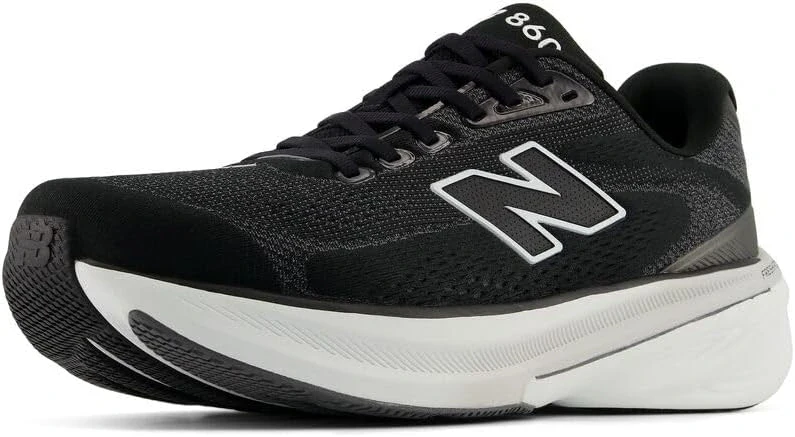
Best width range
New Balance 860v15
A secure support shoe from narrow through extra wide.
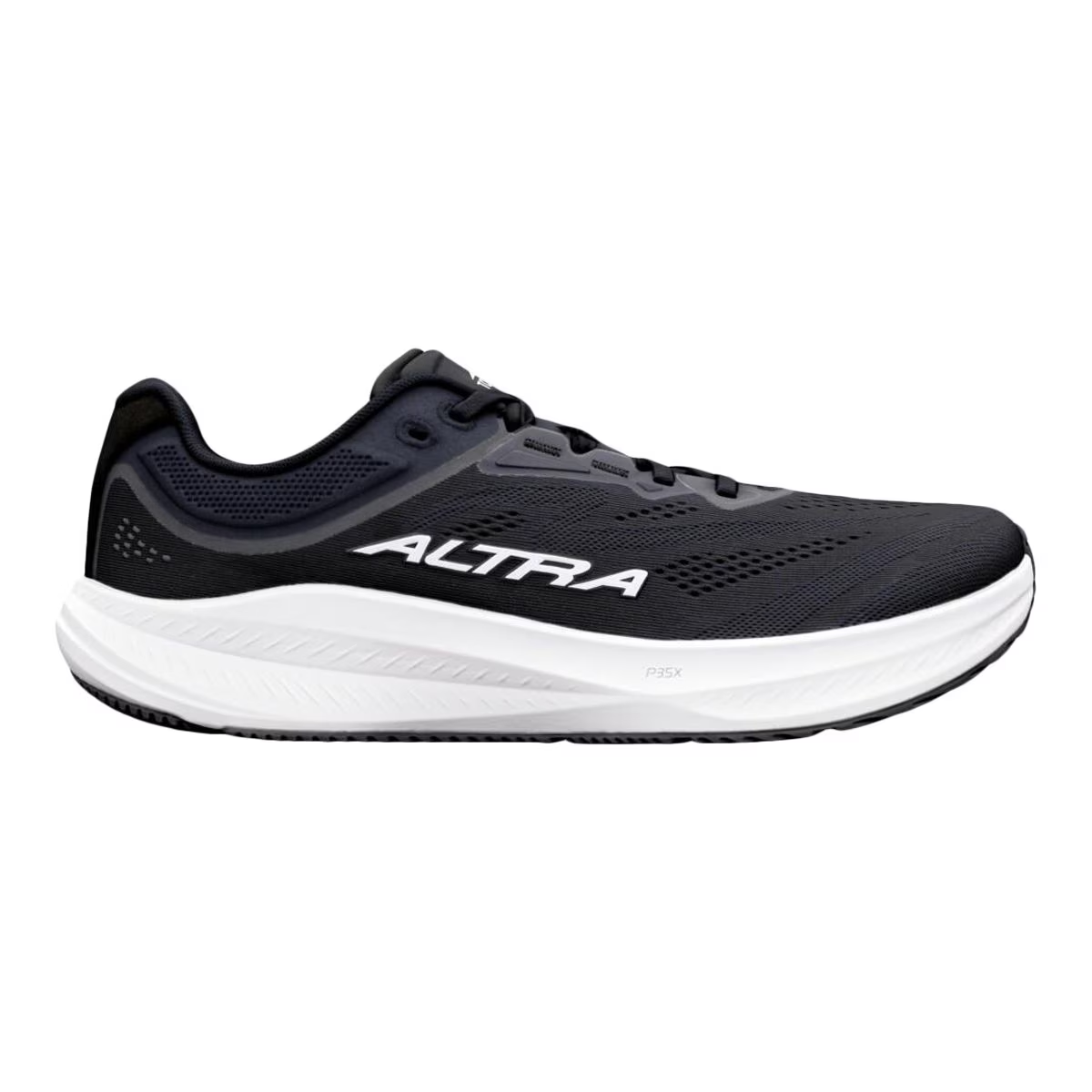
Best zero-drop support
Altra Torin ST
Current Altra stability pick for experienced zero-drop users.
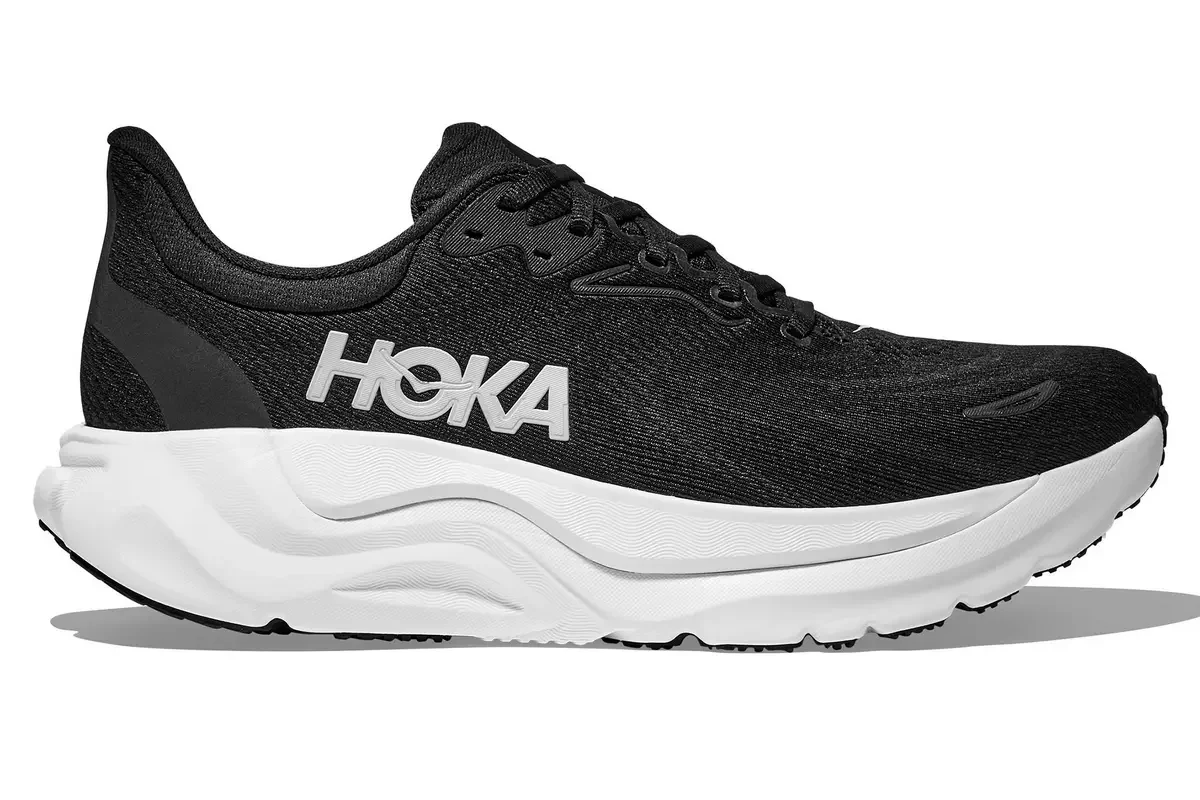
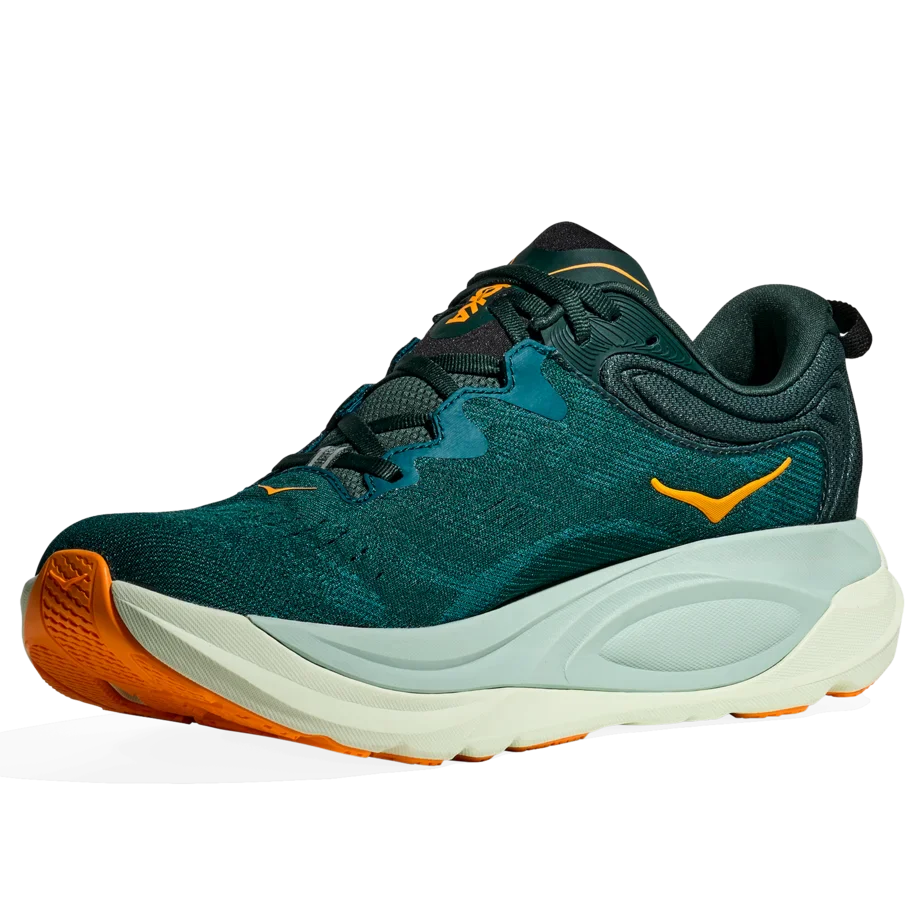
Most planted platform
HOKA Gaviota 6
Broad, substantial support for easy runs and walking.
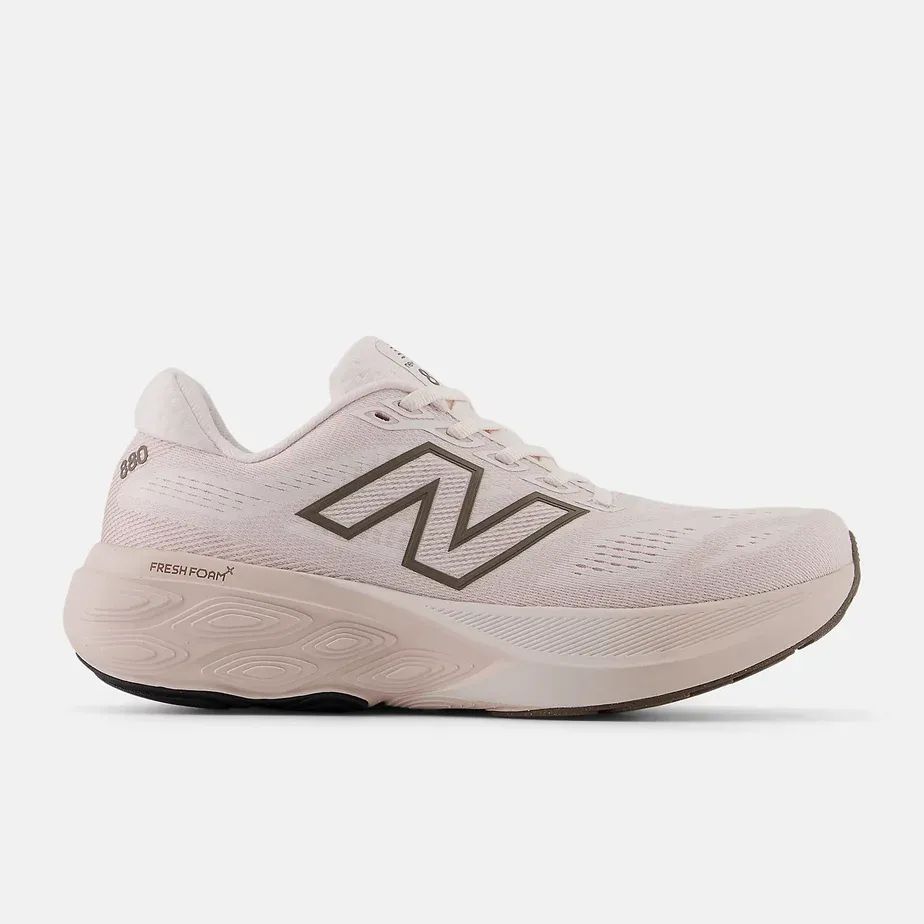
Best neutral option
New Balance 880v15
For low arches that already feel comfortable in neutral shoes.
Jump to a section
Updated September 2026
Why to consider Topo and Altra
My sister has a falling arch and wears both Topo and Altra. That does not prove either brand will work for someone else, and a changing arch is different from having always had low arches. It did make me take two practical details more seriously: enough room at the toes and a platform that feels steady without pressing hard into the arch.
The Ultrafly 6 handles that combination unusually well. It has a roomy forefoot, a secure heel and midfoot, light stability and a 5 mm drop. That is why it moves to #2. Altra’s new Torin ST also earns a full spot, but its zero-drop platform is a bigger change for anyone coming from a conventional running shoe.
A falling arch needs more care than a shopping list. If one arch is changing, or there is new pain or swelling along the inside of the foot and ankle, weakness when pushing off, or trouble rising onto the toes, get assessed by a qualified health professional. A shoe can improve comfort. It cannot diagnose or correct progressive arch collapse.
Full reviews
1. Best overall for daily support
Brooks Adrenaline GTS 25
The dependable choice when you want a familiar fit, several widths and support that does not feel like a hard block under the arch.
Best for: Everyday running and walking
Support: GuideRails
Drop: 10 mm
Fit: Multiple widths
Buy it if: you already know a supportive daily trainer feels good and you want the least complicated place to start.
The Adrenaline is a little boring in the best possible way. It feels steady and predictable. Brooks places firmer GuideRails around the heel instead of putting a hard wedge directly under the arch, so the support is present without constantly announcing itself.
I would not buy it for fast workouts. The GTS 25 is fairly heavy, and runners who enjoy a bouncy forefoot may find it flat. For easy miles, walking and one-shoe simplicity, those weaknesses matter less.
Good match: You want conventional support, a 10 mm drop and easy width options.
Look elsewhere: You want low weight, lots of bounce or an anatomical toe box.
2. Best anatomical fit with support
Topo Athletic Ultrafly 6
A rare combination of a roomy forefoot, secure midfoot, light stability and a moderate 5 mm drop.
Best for: Toe room with light stability
Support: Redesigned medial post around heel
Drop: 5 mm
Women’s weight: 7.5 oz
Buy it if: your toes feel crowded in traditional stability shoes but you still want the heel and midfoot held securely.
Topo gets the shape right for a problem many flat-footed runners actually have. The toes can spread, but the shoe does not feel loose everywhere else. Ultrafly 6 adds more cushioning than version 5 and wraps the stability element around the heel for smoother guidance.
Roomy toes do not mean unlimited midfoot space. If the whole foot is broad, try the wide version instead of assuming the standard shoe will stretch. The ride is also more balanced than plush. Choose it for fit and stability, not a marshmallow-soft feel.
Good match: You need toe room and light guidance without moving all the way to zero drop.
Look elsewhere: You want very soft cushioning or lots of room through the entire midfoot.
3. Best smooth broad support
Saucony Guide 19
A cushioned daily trainer for runners who dislike the stiff, corrective feel of older stability shoes.
Best for: Easy and steady daily runs
Support: CenterPath sidewalls and broad base
Drop: 6 mm
Women’s weight: About 8.9 oz
Buy it if: you want support from platform shape and sidewalls instead of a firm post under the arch.
Guide 19 is the shoe I would hand to someone who remembers stability shoes as firm and bossy. CenterPath uses a broad platform and higher sidewalls to keep the foot centred. You feel the width and shape of the base more than a hard correction at one spot.
That gentle feel is also the caution. A runner who likes the locked-down sensation of a traditional motion-control shoe may want more structure. For most daily mileage, the Guide is easier to live with.
Good match: You want smooth guidance, useful cushioning and a 6 mm drop.
Look elsewhere: You prefer obvious structure or a close, narrow platform.
4. Best width range
New Balance Fresh Foam X 860v15
The fit-first recommendation when standard stability shoes squeeze the forefoot or leave too much room at the heel.
Best for: Width choice and secure support
Support: Stability Plane
Women’s weight: About 9.3 oz
Widths: Narrow through extra wide
Buy it if: you need to change width without buying a longer shoe and losing heel hold.
The 860v15 makes the list because width is often the real issue. A broad, low-volume foot and a broad, high-volume foot do not fit the same shoe. New Balance gives you more room to solve that properly instead of sizing up and hoping for the best.
The Fresh Foam X ride is comfortable and the Stability Plane feels smoother than the old hard-post formula. It is still a substantial shoe. Keep it for daily training, long easy runs and walking rather than speed sessions.
Good match: Width choice matters as much as support and you like a plush, secure ride.
Look elsewhere: You want a light shoe for tempo work or do not need dedicated guidance.
5. Best zero-drop support
Altra Torin ST
The current Altra support shoe for runners who already like zero drop, a roomy toe box and gentle medial guidance.
Best for: Existing Altra and zero-drop runners
Support: GuideRail
Drop: 0 mm
Women’s weight: 8.55 oz
Buy it if: you already run or walk comfortably in zero-drop shoes and want more guidance than the neutral Torin.
The Torin ST takes over the job the Paradigm used to do in Altra’s current line. You still get FootShape toe room and a secure midfoot, but GuideRail adds gentle medial guidance. It is a good update for runners who already know Altra works for them.
I would not make this the first Altra for someone coming straight from a 10 or 12 mm shoe while dealing with a sore or changing arch. Zero drop shifts load toward the foot, ankle and calf. That transition deserves time, even when the shoe itself feels comfortable in the store.
Good match: You already like zero drop and want Altra toe room with more support.
Look elsewhere: You are changing from a high-drop shoe or have new pain around a falling arch.
6. Best lighter stability feel
HOKA Arahi 8
Moderate support and a rolling transition without the bulky feel of the largest stability shoes.
Best for: Moderate support and smooth turnover
Support: H-Frame geometry
Drop: 8 mm
Women’s weight: About 7.7 oz
Buy it if: traditional support shoes feel heavy and you enjoy HOKA’s rolling ride.
Arahi 8 is the cleaner choice when you want some guidance without a tank-like shoe. The broader platform feels calm underfoot, while the rocker helps the shoe move forward without asking for much from the forefoot.
The ride is the reason to buy it and the reason to skip it. Some runners love that rolling sensation. Others feel as if the shoe is deciding where the foot should go. Try it beside a flatter-feeling model such as the Ultrafly or 860 if possible.
Good match: You want moderate support, lower weight and a noticeable rocker.
Look elsewhere: You need maximum stability or dislike a rolling transition.
7. Best planted platform
HOKA Gaviota 6
A broad, substantial support shoe for runners and walkers who still feel unstable in lighter options.
Best for: Maximum steadiness for easy mileage
Support: Enhanced H-Frame
Drop: 6 mm
Fit: Standard and wide versions
Buy it if: lighter stability shoes still feel wobbly and you care more about a planted base than speed.
Gaviota 6 is the most planted shoe in the main list. The enhanced H-Frame works inside a wide base, so the whole platform feels supportive. It makes more sense than the Arahi when your priority is staying centred through easy runs, long walks or long days on your feet.
There is a lot of shoe here. The Gaviota is bulky, expensive and not especially fun when you speed up. Do not pay for maximum structure unless you actually prefer it.
Good match: You want a broad base and the strongest planted feel in this guide.
Look elsewhere: You value low weight, bounce or a flexible forefoot.
8. Best neutral option
New Balance Fresh Foam X 880v15
A soft neutral daily trainer for flat-footed runners who feel comfortable without a dedicated support system.
Best for: Neutral-shoe runners who need width choice
Support: Neutral
Drop: 6 mm
Women’s weight: About 8.3 oz
Buy it if: neutral shoes already feel controlled and your real problem is finding the right width.
The 880v15 is here because flat feet do not come with a stability-shoe requirement. If a neutral shoe feels comfortable and steady while you run, adding a support system may solve a problem you do not have.
New Balance offers useful width choices, and the Fresh Foam X midsole works well for easy daily miles and walking. It is soft rather than fast. Runners who dislike a cushioned feel should choose a firmer neutral shoe instead.
Good match: You already trust neutral shoes and need comfort plus several widths.
Look elsewhere: You already know you run better in a structured support shoe.
Also consider the ASICS Gel-Kayano 33 if you like a substantial, highly cushioned ASICS stability shoe for easy runs and walking. Its FLUIDSUPPORT system, 8 mm drop and dual-foam midsole are current for 2026. I left it outside the main eight because the ride is more shoe than many runners need. Check the Kayano 33 price.
Compare the eight picks
| Shoe | Best for | Support | Drop | Main caution | Shop |
|---|---|---|---|---|---|
| Brooks Adrenaline GTS 25 | Everyday stability | GuideRails | 10 mm | Heavy and not very lively | Amazon |
| Topo Ultrafly 6 | Roomy toes plus support | Light stability | 5 mm | Secure midfoot can still feel snug | Amazon |
| Saucony Guide 19 | Smooth broad guidance | CenterPath | 6 mm | Less structured than traditional stability shoes | Amazon |
| New Balance 860v15 | Narrow to extra-wide fits | Stability Plane | Check exact listing | Heavy for faster running | Amazon |
| Altra Torin ST | Experienced zero-drop runners | GuideRail | 0 mm | Major change from a high-drop shoe | Amazon |
| HOKA Arahi 8 | Lighter moderate support | H-Frame geometry | 8 mm | Rocker feel is not for everyone | Amazon |
| HOKA Gaviota 6 | Very planted platform | Enhanced H-Frame | 6 mm | Bulky and expensive | Amazon |
| New Balance 880v15 | Neutral-shoe runners | Neutral | 6 mm | No dedicated guidance system | Amazon |
How to choose a running shoe for flat feet
Start with comfort, not a wet-foot test
A low arch on paper does not tell you whether a neutral shoe or stability shoe will feel better. Research on prescribing shoes from static foot posture has not shown a reliable injury-prevention benefit. Compare two or three shoes while running, not only while standing at the wall.
Separate toe room from midfoot width
Topo and Altra make room for the toes while keeping the midfoot secure. That is helpful when the front of the shoe feels cramped. It does not mean every foot will fit the standard width. If pressure sits under the laces or along the inside edge of the foot, try a true wide size.
Do not change heel drop casually
This guide ranges from 10 mm to zero. A lower drop is not automatically better for flat feet. Stay close to the type of shoe your calves, Achilles tendons and feet already tolerate unless you have a reason to change. Introduce a large change through short, easy runs.
Use support as a preference, not a diagnosis
Modern stability shoes use rails, sidewalls, broad bases and midsole geometry instead of the hard medial posts many runners remember. If you prefer that steadier feeling, compare the best stability running shoes. If support makes the arch feel bruised or pushed, take the shoe off the list.
Check whether an insole actually fits the shoe
An insert takes up space. Remove the original sockliner when the replacement is designed to take its place, and make sure the heel still sits securely. The guide to the best running insoles explains the main types. Persistent pain or a progressive change in arch shape deserves professional advice instead of repeated insole experiments.
How these picks were selected
This is a researched shopping guide, not a claim that one person ran in every current model. I checked current manufacturer specifications for support systems, drop, weight, widths and model changes. I also compared current independent wear testing and recurring runner feedback for fit, arch pressure, heel hold and ride.
The family note is real: my sister has a falling arch and wears Topo and Altra. I have not used that experience to claim either brand treats a falling arch. It influenced the questions asked here: Is there enough toe room? Is the midfoot secure? Is the support comfortable? Is the change in drop sensible for this runner?
The order favours useful starting points. A shoe ranked lower can still be the better choice when its fit, drop and support match you.
Common questions
Running shoes for flat feet FAQ
Do all runners with flat feet need stability shoes?
No. Flat feet describe foot shape, not a shoe prescription. If neutral shoes feel comfortable and controlled during your runs, you do not need to add support just because your arches are low.
What is the best running shoe for flat feet overall?
The Brooks Adrenaline GTS 25 is the best general starting point here because it combines steady support, a familiar drop and several widths. Topo Ultrafly 6 is the better fit when toe room is a priority.
Should Topo be higher than Altra for flat feet?
For most shoppers starting from a conventional running shoe, yes. Ultrafly 6 offers toe room, a secure midfoot, light stability and a 5 mm drop. Altra Torin ST is an excellent option for runners already comfortable with zero drop, but the drop change makes it less universal.
Are Topo shoes wide through the whole foot?
No. Topo uses a roomy anatomical toe box with a deliberately secure heel and midfoot. If your midfoot is broad, try the wide Ultrafly 6 rather than assuming the standard version will fit.
Is Altra Torin ST good for a falling arch?
It may feel comfortable for someone who already uses zero-drop Altra shoes and wants GuideRail support. It is not a treatment for a falling arch. A new or progressive change in arch shape, especially with pain, swelling or weakness, should be assessed by a qualified professional.
Can insoles help flat feet?
Some runners find them more comfortable, but flat feet do not automatically require an orthotic. An over-the-counter insert may help mild symptoms. A clinician can assess whether a custom device makes sense when the arch is changing or pain persists.
What is the best neutral running shoe for flat feet?
The New Balance 880v15 is the neutral pick in this guide. It has soft everyday cushioning, a 6 mm drop and several widths. Choose it only if neutral shoes already feel steady and comfortable.
Product and medical sources
- Brooks Adrenaline GTS 25 specifications
- Topo Athletic Ultrafly 6 specifications
- Saucony Guide 19 specifications
- New Balance 860v15 specifications
- Altra Torin ST specifications
- HOKA Arahi 8 product information
- HOKA Gaviota 6 product information
- New Balance 880v15 specifications
- ASICS Gel-Kayano 33 specifications
- Cochrane review of running shoes and lower-limb injury prevention
- AAOS guide to progressive collapsing foot deformity