What to Wear for a 5K: Race-Day Outfits by Temperature
5K running guide · race-day clothing
Wear what you already trust
For most 5K races, the best outfit is familiar running shoes, tested socks, shorts or tights, and a technical top that matches the weather. Start slightly cool, keep the outfit simple and leave the bulky hydration gear at home.
Running Gear Lab picks
Race-day gear worth comparing
These are current top picks from our larger gear guides. Buy something only when it solves a problem. A familiar race shirt or pair of shorts you already trust is a better 5K choice than an expensive item that has never been tested.

Men’s shorts pick
Brooks Journey 7″
7″ inseam · brief liner · multiple pockets
A practical running short when you prefer more thigh coverage and useful storage. Test the brief liner before racing.
Best for: everyday road running and runners who want pockets without a separate belt.

Women’s shorts pick
Oiselle High Rise Roga
4″ or 6″ · high rise · phone pocket · liner
The current top pick in our women’s guide. Choose the length you are most comfortable running in.
Amazon alternative: Saucony Outpace 5″ is the simpler Amazon-friendly daily short in the full guide.
Technical shirt pick
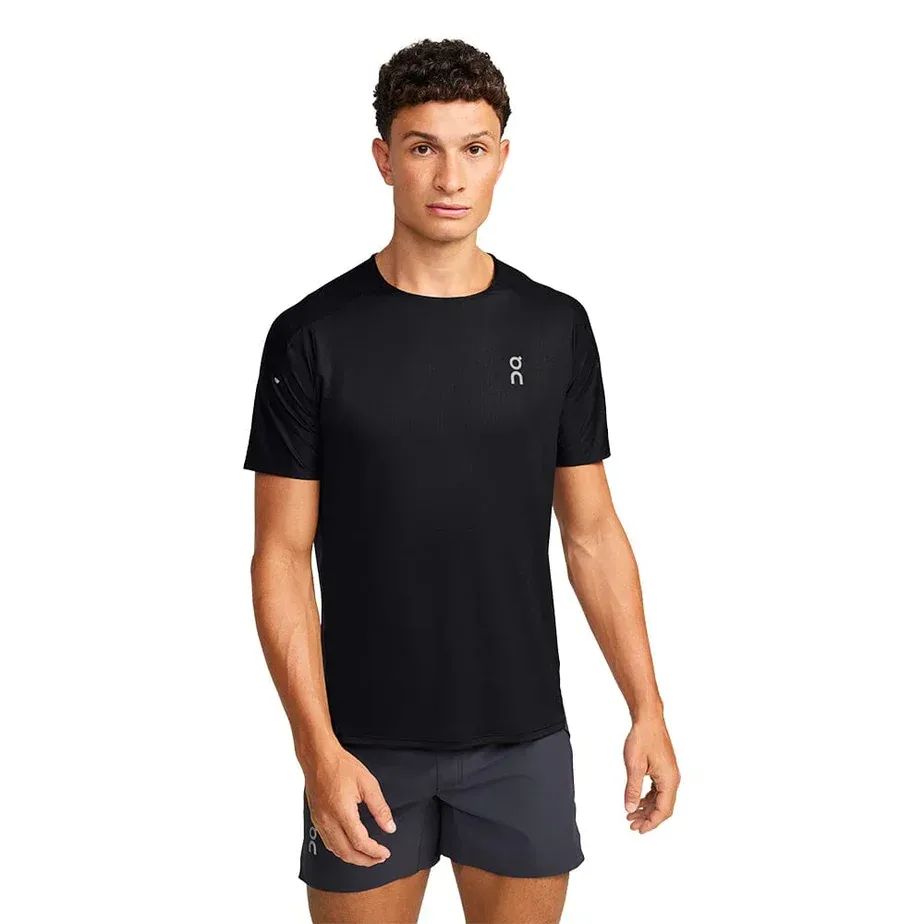
On Performance-T
Light · ventilated · close race fit · bonded hems
This is the premium warm weather pick in our men’s shirt guide.
Skip it if: you only need another basic shirt between laundry days.
Technical Tank pick
CRZ Seamless Racerback Tank Waist Length
Light · ventilated · close race fit · bonded hems
This is a hot weather inexpensive tank, that comes in a lot of color’s. It doesn’t ride up and is very breathable.
Skip it if: you only need another basic shirt between laundry days.
Phone and key belt
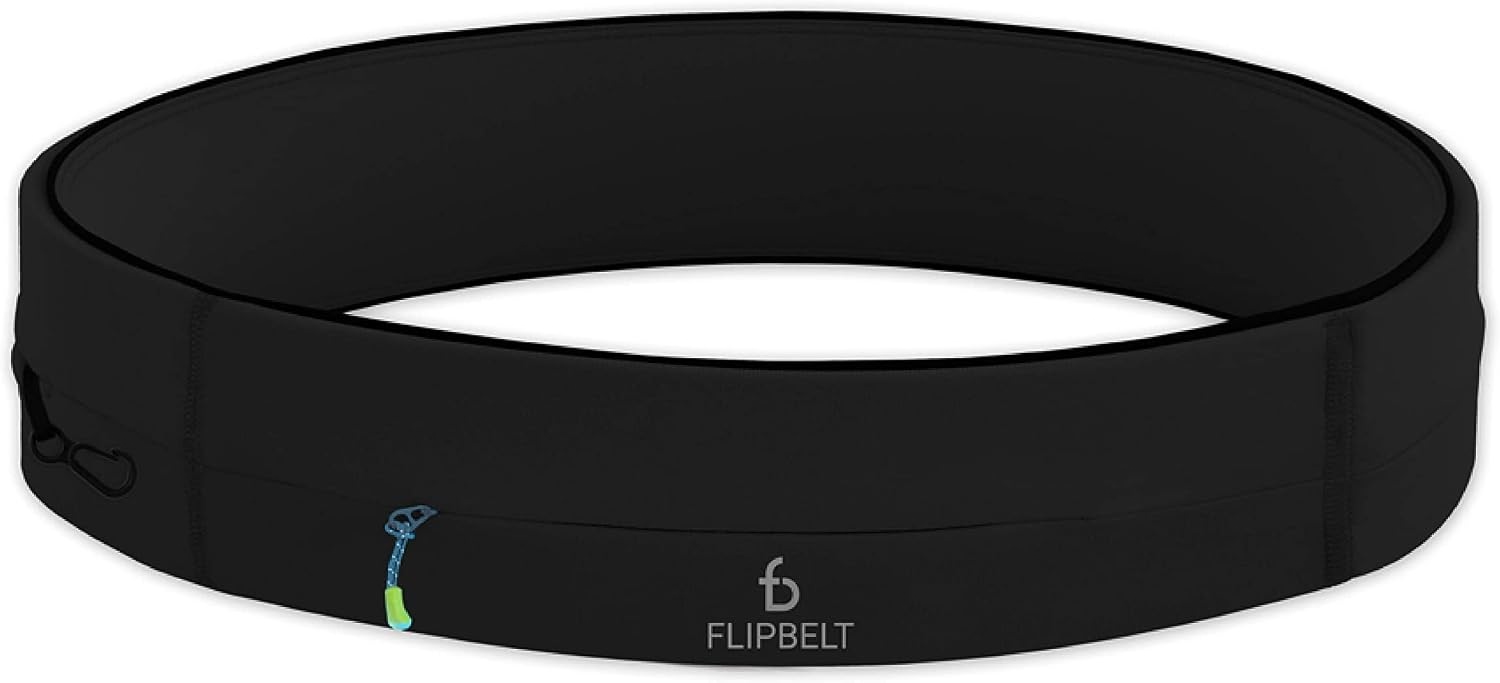
FlipBelt Zipper
360° storage · zipper pocket · pull-on fit
Use it when you need to carry a phone, keys or medication and your shorts do not have secure storage. Sizing matters, so test it with the actual items you will carry.
Skip it if: pockets, a spectator or the race bag check already solve the problem.

Blister-focused sock pick
Balega Blister Resist
No-show tab · maximum cushion · seamless toe
Our first recommendation when rubbing or hot spots are the reason you are shopping. Justin owns this sock. Its cushioning can change shoe fit, so wear the pair in your race shoes before race day.
Choose another sock if: your shoes already fit closely or your toes need individual sleeves.
Running hat pick
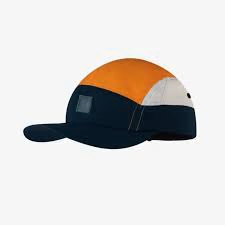
BUFF 5 Panel Go Cap
UPF 50 · quick dry · flexible visor · two sizes
A light cap for sun, sweat or light rain. A BUFF 5-panel is the favourite hat in our current rotation; the guide separately checks the specifications of today’s 5 Panel Go.
Skip it if: your head already feels hot or you have not tested the fit with sunglasses.
Plan the rest of your 5K
Keep your race plan in one place
Choose the next guide based on what you still need to decide: distance, walking, finish time, training, pacing or improving your time.
How Long Is a 5K?
Distance, finish-time calculator and pace chart.
Can You Walk a 5K?
Walking times, race cutoffs and a gradual plan.
Average 5K Time
Age, experience, pace and an optional age grade.
Free 8-Week 5K Plan
Run-walk schedule, race-date mapping and printable plan.
How to Pace a 5K
Goal pace, kilometre splits and race strategy.
How to Run a Faster 5K
Workouts, weekly structure and a focused race plan.
Affiliate disclosure: Running Gear Lab may earn a commission from some shopping links on this page, at no extra cost to you. The clothing advice does not assume that you need to buy anything new for race day.
Quick race outfit
What should you wear at your start temperature?
Choose the forecast temperature for the start of the race. This gives you a simple 5K outfit. Strong wind, rain, snow, high humidity or a slower walking pace can change the answer.
5K race outfit picker
Tap the closest temperature. Each button shows Fahrenheit and Celsius.
60–69°F / 15–20°C: simple warm-weather kit
Most runners will warm quickly at 5K effort. Keep the outfit light and familiar.
- Running shorts, skirt or skort
- Technical T-shirt, tank or singlet
- Tested running socks and shoes
- Optional cap, visor or sunglasses
If you are walking the 5K or waiting a long time before the start, bring a removable layer.
Add wind, rain, humidity and your race effort in the full outfit calculator →
Three rules that prevent most mistakes
The golden rules for a 5K race outfit
1
Do not debut new gear
Wear shoes, socks, underwear, sports bras, shorts and tops you have already used on a training run. A small seam, loose heel or scratchy tag can become the only thing you notice once you start racing.
2
Dress for the second mile
The starting corral may feel cold. Your body will not stay at corral temperature. Choose the outfit you expect to want after ten minutes, then use a removable warm-up layer while you wait.
3
Carry less than you think
A supported 5K rarely requires a hydration vest or large bottle. Use the course water, pockets, bag check or a slim belt when appropriate. Carry your own hydration when the conditions, event setup or a medical need make it necessary.
Editable temperature guide
What to wear for a 5K by temperature
These are starting outfits for a dry road 5K. A hard race effort usually needs less clothing than an easy run, while walking, strong wind or cold rain may require more protection.
70°F+ 21°C+
- Light shorts, skirt or skort
- Singlet, tank, technical tee or tested sports bra
- Light socks, optional visor and sunglasses
60–69°F 15–20°C
- Shorts, skirt or skort
- Technical T-shirt, tank or singlet
- Optional cap, visor or sunglasses
50–59°F 10–14°C
- Shorts or light tights
- Short-sleeve or thin long-sleeve technical shirt
- Optional arm sleeves, light gloves or earband
40–49°F 4–9°C
- Shorts for warm runners or light tights
- Thin long-sleeve technical top
- Thin gloves and an optional earband
32–39°F 0–3°C
- Running tights or light pants
- Long sleeve plus a light vest or wind layer when needed
- Gloves and a beanie or earband
Below 32°F Below 0°C
- Thermal tights or running pants
- Wicking base layer plus a light wind layer or vest
- Warm gloves, toque or buff, and warm socks that still fit
Race effort changes the answer. A runner racing hard may be comfortable in less clothing than someone walking the course. If you are using a walk-only or run-walk plan, bring a removable layer and use the Running Outfit Calculator to account for effort, wind, rain and whether you naturally run hot or cold.
The small details runners remember
Practical race-day details
Use a warm-up layer you can remove
An old hoodie or inexpensive thrift-store layer can make a cold corral easier. Do not assume the race donates discarded clothing. Check the event instructions first. Use bag check, hand the layer to a spectator or accept that it may be gone after you leave it.
Pay attention to the base layer
Wet fabric, thick seams and bunching can rub. Use a tested liner, sports bra, compression short or athletic underwear. Browse the men’s running underwear, women’s running underwear and running sports bra guides when that is the problem you need to solve.
Pack dry clothes for after
Leave a dry shirt, warmer layer, towel and comfortable shoes in the car, bag check or with a spectator. This matters most in rain and cold weather, when a short race can leave you wet while you wait for friends or awards.
Put the bib where officials can see it
Most road races expect the bib on the front of your outermost shirt or a race-number belt. Do not cover it with a jacket near the start or finish. Follow the organizer’s placement and timing-chip instructions.
Use accessories for a real reason
A headband can control sweat, a visor or cap can reduce glare, and sunglasses can help in bright conditions. Test each item together. A hat that feels fine alone can press awkwardly against sunglasses or headphones.
Keep rain gear light
In mild rain, a technical shirt and cap may be enough. A waterproof jacket can trap heat during a hard 5K. In cold rain, wind protection matters more. Use the weather-aware calculator rather than choosing from temperature alone.
Night-before check
A simple first-5K packing list
- Tested shoes and socks
- Weather-appropriate shorts, tights or pants
- Technical top and tested base layer
- Sports bra or athletic underwear when used
- Bib, safety pins or race belt
- Charged watch or phone, if using one
- Optional hat, visor, gloves or sunglasses
- Warm-up layer and confirmed bag-check plan
- Dry shirt, towel and comfortable shoes for after
- Race address, parking plan and start time
You probably need less than this list suggests. Lay everything out, then remove the items you added only because the race feels important. A 5K does not require marathon gear.
5K clothing questions
Frequently asked questions
What should I wear for my first 5K?
Wear tested running shoes, socks, shorts or tights, and a technical top that suits the start temperature. Add a hat, gloves or light wind layer only when the conditions call for them. Do not introduce brand-new clothing on race morning.
At what temperature should I wear shorts for a 5K?
Many runners race in shorts from about 50°F / 10°C and warmer, while runners who heat up quickly may choose shorts in cooler conditions. Personal comfort, wind, rain and whether you are racing or walking matter more than one cutoff.
Should I dress as if it is warmer outside?
Use that idea as a reminder that you will warm up, not as an exact formula. A hard 5K, an easy walk, strong wind and cold rain create different clothing needs at the same temperature. Start slightly cool and use a removable corral layer.
Do I need a running belt for a 5K?
No. Use a belt only if you need to carry a phone, keys, medication or another item and do not have secure pockets. Test the belt with the same load before the race.
Do I need a hydration vest for a 5K?
Most runners do not need one for a supported 5K. Check the course water and weather. Carry your own water when the event has no support, the heat requires it, or a medical or personal need makes it useful.
What should I wear if I am walking the 5K?
A walker usually produces less heat than someone racing hard, so an extra light layer may be useful in cool weather. Wear comfortable shoes and socks you have used on longer walks. See the walking a 5K guide for finish times and preparation.
Can I wear headphones in a 5K race?
Check the event rules. Some races allow headphones and others restrict them. If they are permitted, keep the volume low enough to hear instructions, other participants and traffic.
What should I wear for a rainy 5K?
Use moisture-moving clothing, a cap to keep rain out of your eyes and shoes with suitable traction. In mild rain, a jacket may trap more heat than it solves. In cold rain or strong wind, a light shell can be useful. Pack dry clothes for afterward.
How this guide was built
Current gear pages, official specifications and runner experience
The shopping cards use the current overall picks from Running Gear Lab’s shorts, shirts, belts, socks and hats guides. Product details were checked against the current brand pages for Brooks Journey 7″, Oiselle High Rise Roga, On Performance-T, FlipBelt Zipper, Balega Blister Resist and BUFF 5 Panel Go.
Justin owns the Balega Blister Resist and regularly uses a BUFF 5-panel hat. Where the owned item may differ from the exact current model, this page says so. Running through Winnipeg weather also informs the advice to separate start-line warmth from the outfit needed once the race begins.
Runner discussions helped identify practical concerns including dry post-race clothing, throwaway layers, headbands, tested shoes and keeping a first 5K simple. These comments are personal experiences, not controlled product tests. See the discussions about what to bring to a first 5K, discarded warm-up clothing and first-race routines.
What this page does not do: It does not promise that one outfit works for everyone or that a product prevents blisters or chafing. Fit, pace, weather, skin sensitivity and personal preference change the result. Test the full outfit before race day.
Continue your 5K plan
Choose the next decision
Build the fitness
Open the free eight-week beginner plan.
Plan the pace
Choose a goal and avoid the too-fast first kilometre.
Find the shoes
Narrow the options by fit, surface, support and use.