Best Running Shoes for Underpronation (Supination) 2026
If you know your foot tends to stay on the outside as you run, you do not need a special “supination correction” shoe. A comfortable neutral trainer is usually the simplest place to start. The important part is finding enough cushioning for your mileage, a secure fit and a platform that feels steady under your foot.
One caution before you shop: outside-edge wear and high arches can be clues, but neither proves that you underpronate while running. If you are choosing shoes because of recurring foot, shin or ankle pain, the better move is an individual assessment rather than trying to diagnose the problem from an old outsole.
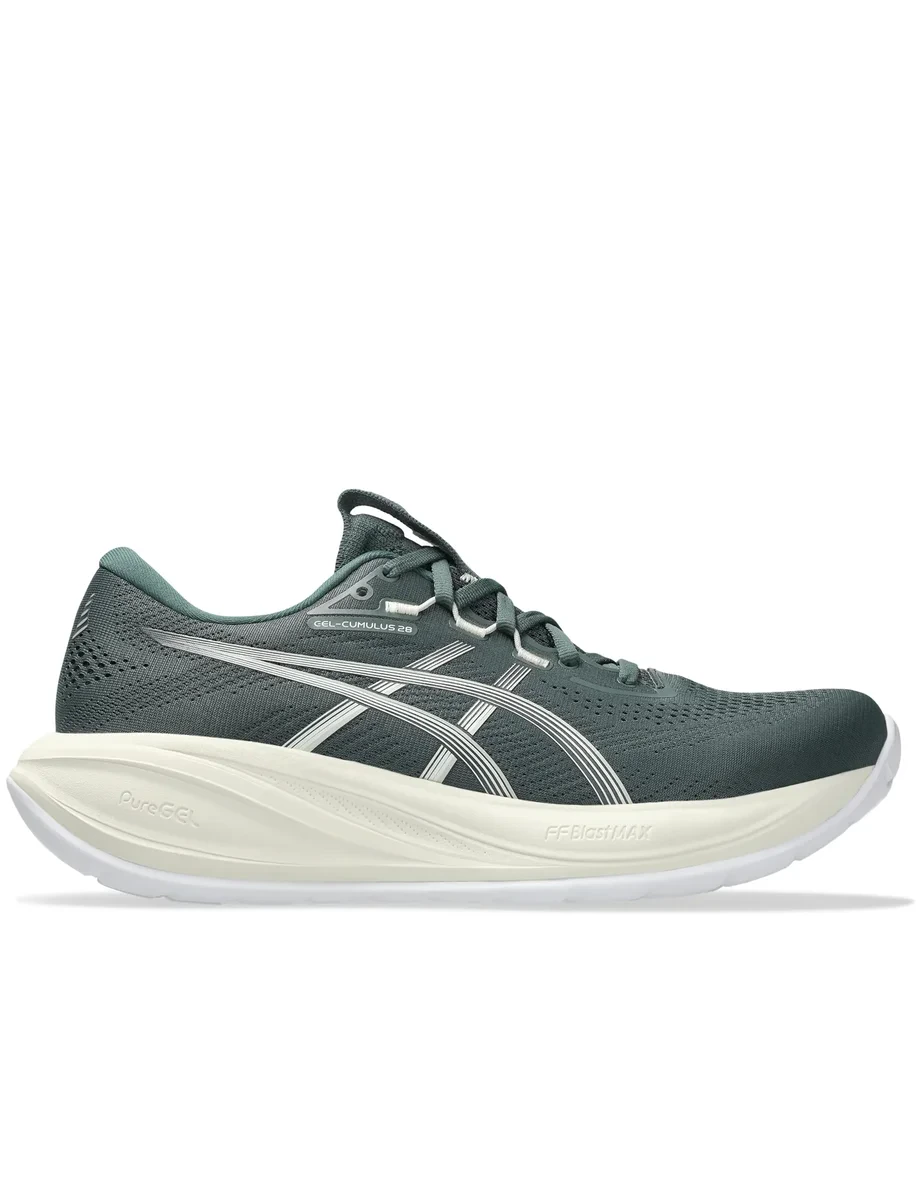
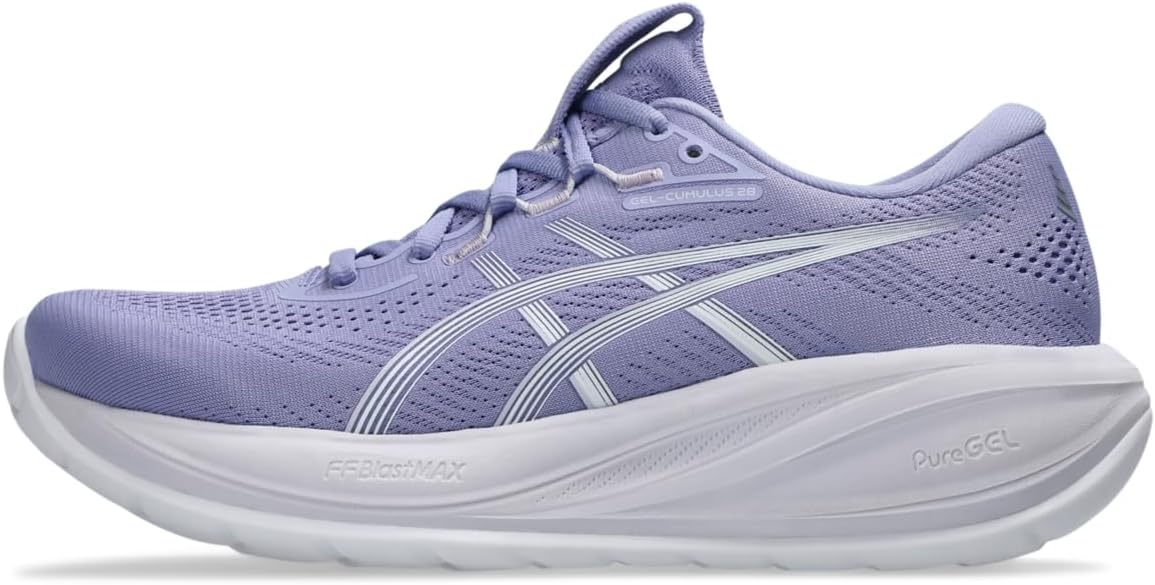
Tap a colour to preview. More colours may be available at Amazon.
ASICS GEL-CUMULUS 28
The Cumulus 28 is the easiest current shoe to recommend here. ASICS specifically lists it for neutral runners and underpronation, and it balances high cushioning with a lighter, less bulky feel than a max-cushion trainer.
Which shoe should you start with?
Pick the one that matches what you want from the shoe, not the one with the most cushioning.
New Balance 880v15
Steady neutral trainer in narrow through extra wide.
See pick →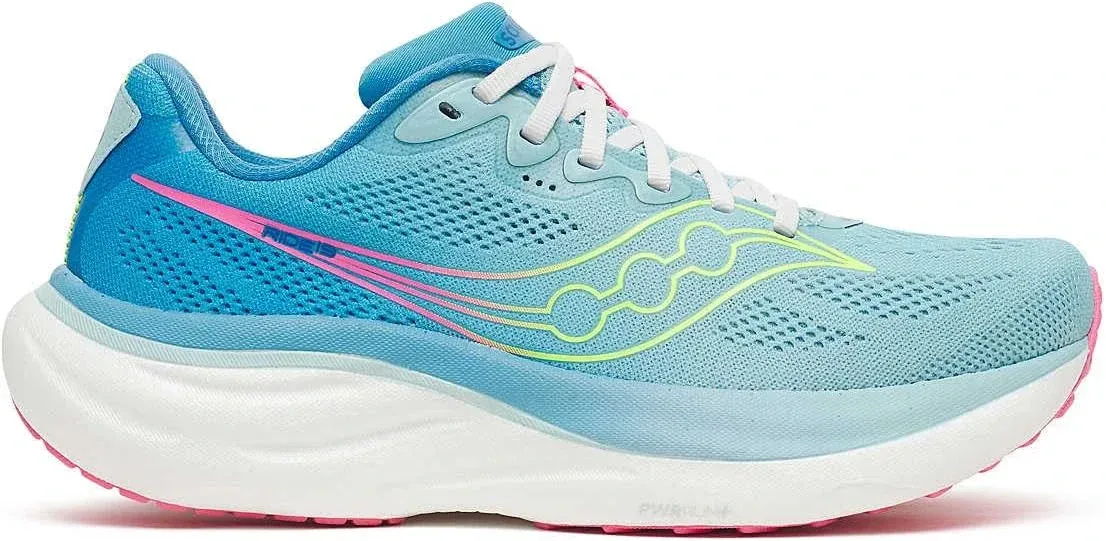
Not sure whether you actually underpronate?
The Running Shoe Finder also considers width, cushioning, support preference, terrain and training instead of making the whole decision from one gait label.
What underpronation actually means
Pronation is a normal part of walking and running. After the outside of the foot contacts the ground, the foot normally rolls inward to help adapt to the surface and manage load. Underpronation describes a foot that rolls inward less. In running shoe guides, you will also see this called supination.
High arches are commonly associated with a more supinated foot posture, but foot shape and running gait are not the same thing. Two runners with similar arches can move differently once they start running.
What to look for in a shoe if you underpronate
Comfort first
A shoe that feels obviously wrong in the store rarely becomes the perfect shoe after 50 kilometres. Start with the pair that feels natural under your foot.
Enough cushioning for your runs
You do not need the tallest shoe available. Choose enough cushioning to stay comfortable at your normal distance without making the platform feel unstable.
A secure upper
Your heel and midfoot should feel held without squeezing. If your foot slides toward the outside of the shoe, try a different fit before blaming your gait.
Width that matches your foot
Do not size up just to create more width. Cumulus, Nimbus, Glycerin and 880 all give you useful width choices.
The 6 Best Running Shoes for Underpronation
These are all neutral road trainers. The ranking is based on current model availability, fit options, cushioning, intended use, manufacturer specifications and independent testing. They are not ranked by which shoe claims to “correct” your gait.
ASICS GEL-CUMULUS 28
Good choice if: you want one cushioned neutral trainer for normal daily running without going all the way to a max-cushion shoe.
Check Cumulus 28 PriceThe Cumulus 28 is the most straightforward pick on this page. ASICS includes it in its underpronation range and describes it as a neutral, high-cushion daily trainer. The current version uses FF BLAST MAX foam, an 8 mm drop and added heel rubber in a high-wear area.
I prefer it as the overall recommendation because it is cushioned without being extreme. If you just want a comfortable road shoe for easy runs, steady runs and longer weekend mileage, there is less to work around here than with a very soft or very tall shoe.
What Works
- ASICS specifically lists it for neutral/underpronation
- High cushioning without max-cushion bulk
- 8 mm drop feels familiar to many runners
- Wide version available
Watch For
- Not a corrective shoe
- Runners wanting a firmer ride may prefer 880v15
- Not built for technical trails
- $145 is mid-range rather than budget pricing
ASICS GEL-NIMBUS 28
Good choice if: easy runs and longer mileage are where you want the most protection and comfort.
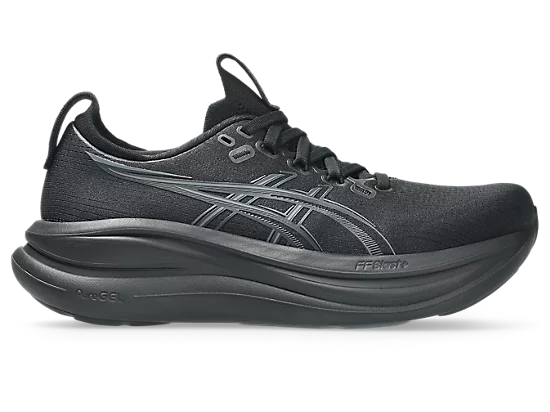
Check Nimbus 28 PriceNimbus 28 is the more cushioned ASICS option. ASICS also lists this model for neutral runners and underpronation, but the feel is noticeably more substantial than the Cumulus. It is built around maximum cushioning and long-distance comfort rather than speed.
This is the pair I would compare with the Bondi if your normal run is easy and you like a lot of shoe underneath you. If tall, soft shoes make you feel less steady, the Cumulus or 880 is the safer place to start.
What Works
- Maximum cushioning
- ASICS lists it for neutral/underpronation
- Wide and extra wide versions
- Well suited to easy and long mileage
Watch For
- More shoe than some runners need
- Less nimble than Cumulus or Ride
- Premium price
- Very soft shoes are not automatically better for every supinator
Brooks Glycerin 23
Good choice if: you like a secure upper, soft landing and a more traditional daily-trainer feel.
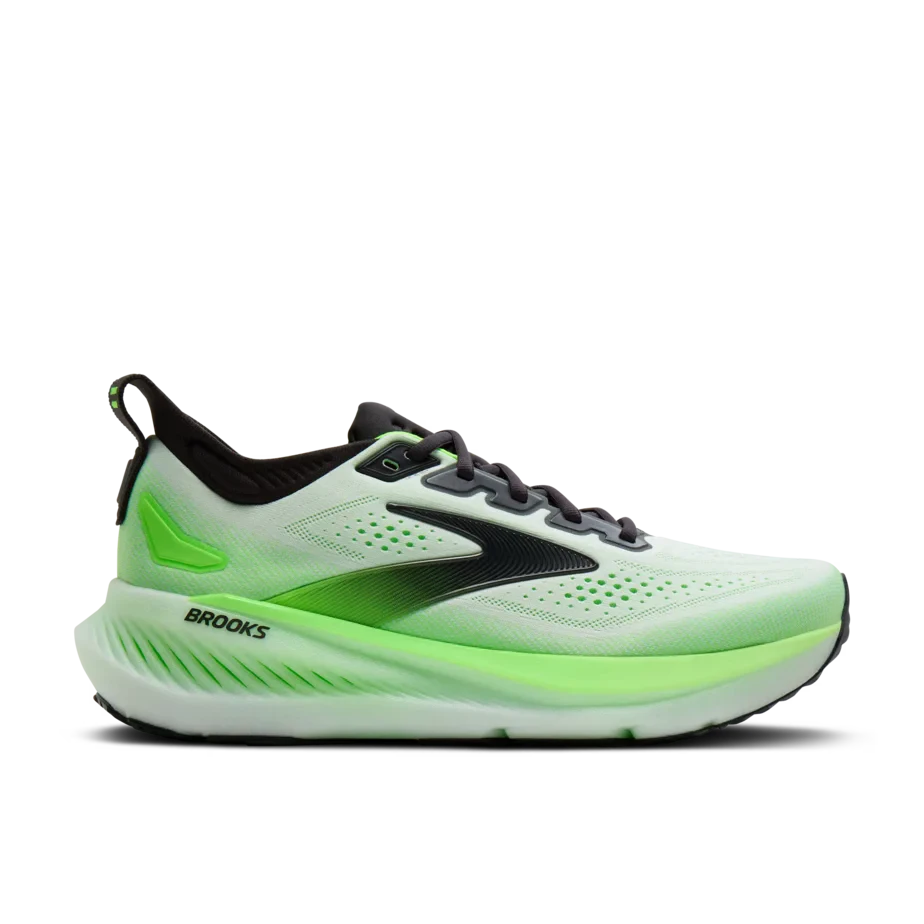
Check Glycerin 23 PriceGlycerin 23 is the Brooks option for runners who want softness without a loose, vague feeling. Brooks uses DNA Tuned cushioning and describes the standard Glycerin 23 as having balanced support with smooth, stable transitions.
It is heavier than the Cumulus and Ride, so I would buy it for comfort rather than pace. The standard Glycerin is the one I want here, not the GTS version, unless you already know you prefer Brooks GuideRails.
What Works
- Plush DNA Tuned cushioning
- Secure heel and accommodating fit
- 8 mm drop
- Good easy and long-run role
Watch For
- Heavier than several alternatives
- Premium price
- Not intended as a speed shoe
- GTS version adds a different support system
New Balance Fresh Foam X 880v15
Good choice if: getting the width right matters more than having the softest or bounciest midsole.
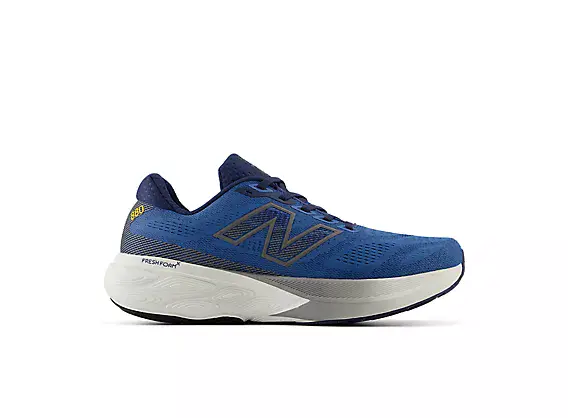
Check 880v15 PriceThe 880v15 earns its place because fit can solve more problems than adding another layer of shoe technology. New Balance sells the men’s model from narrow through extra wide, and the women’s model has a similarly useful width range. The ride is neutral, soft and steady rather than aggressively bouncy.
If your current shoe feels like it pushes your little toe inward or your forefoot hangs over the outside edge, try the right width before assuming supination is the whole problem.
What Works
- Excellent width range
- Steady neutral platform
- Built for everyday and long runs
- Durable cushioning focus
Watch For
- Heavier men’s listed weight
- 6 mm drop may feel different from 8 to 10 mm shoes
- Not especially fast
- Less plush than Nimbus or Bondi
Saucony Ride 19
Good choice if: you want one neutral trainer that does not feel locked into slow easy runs.
Check Ride 19 PriceRide 19 is the lighter, more versatile option in this group. Saucony positions it as a neutral daily trainer for everything from easy mileage to faster-paced training, and it comes in a dedicated wide version.
I would choose it over the Nimbus, Glycerin or Bondi if you dislike the heavy feel of plush trainers. There is still plenty of cushioning for daily running, but the shoe is not trying to turn every run into a recovery run.
What Works
- Lighter than the plush shoes here
- Neutral, versatile daily role
- Wide version available
- Works for easy and steadier efforts
Watch For
- Less max-cushioned than Nimbus or Bondi
- Not a gait-correction shoe
- Fit still needs to suit your foot
- Dedicated speed shoes are faster
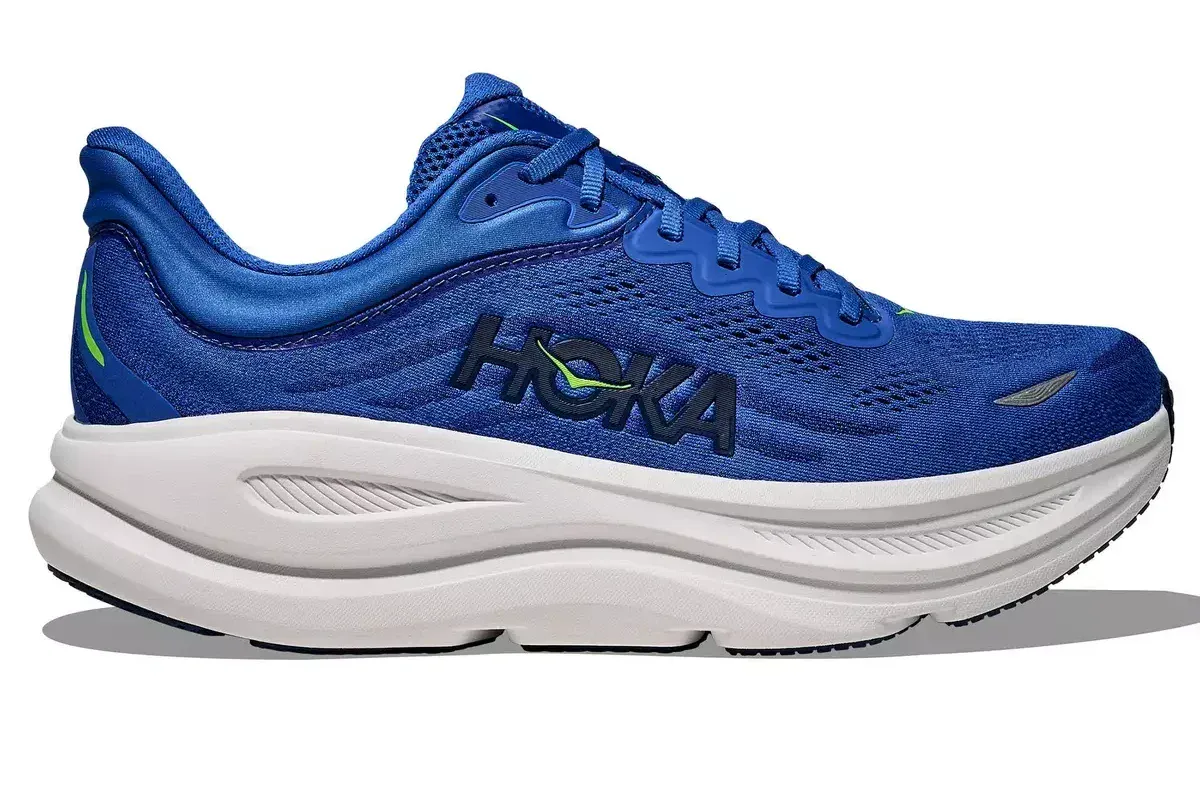
HOKA Bondi 9
Good choice if: your week mixes easy running, walking and time on your feet and you like a broad max-cushion platform.
Check Bondi 9 PriceBondi 9 is the biggest-feeling shoe here. HOKA classifies it as neutral and plush, and the current model uses a broad platform, higher stack and supercritical foam for easy running and walking.
More cushioning is not automatically better for underpronation, so I would not put Bondi first just because it is tall. Buy it because you genuinely like the rocker, broad base and plush feel. If you want something more nimble, start with Cumulus or Ride.
What Works
- Plush neutral cushioning
- Broad platform
- Three width choices
- Good running and walking crossover
Watch For
- Bulky compared with Cumulus or Ride
- 5 mm drop is lower than most picks here
- Premium price
- Not the best choice for fast sessions
Compare the 6 Picks
Swipe sideways to compare all columns →
| Shoe | Best For | Drop | Feel | Main Caution | Buy |
|---|---|---|---|---|---|
| ASICS Cumulus 28 Best Overall | Everyday road running | 8 mm | High cushion | Not max cushion | Amazon |
| ASICS Nimbus 28 | Easy + long runs | 8 mm | Maximum cushion | More substantial | Amazon |
| Brooks Glycerin 23 | Plush traditional feel | 8 mm | Soft + secure | Heavier | Amazon |
| New Balance 880v15 | Width options | 6 mm | Soft + steady | Not a speed shoe | Amazon |
| Saucony Ride 19 | Versatile daily miles | 8 mm | Lighter + balanced | Less plush | Amazon |
| HOKA Bondi 9 | Run-walk + easy miles | 5 mm | Broad + plush | Bulky | Amazon |
Should underpronators avoid stability shoes?
I would not use the old rule that every underpronator must avoid every stability shoe. Shoe design has changed, and many current support shoes use broad platforms, sidewalls and guidance systems rather than a hard medial post.
If you know you underpronate, have been comfortable in neutral shoes and have no other reason to add guidance, a neutral trainer is a sensible starting point. But comfort, past injury history and what has worked for you matter more than forcing yourself into a category.
Why these six made the list
RunningGearLab has not personally tested every model on this page. We checked current 2026 manufacturer specifications, intended use, width options and neutral-support classification, then compared those details with independent shoe testing and current research on running footwear and pronation.
The list deliberately avoids promising that a shoe will correct supination or prevent an injury. The goal is simpler: give runners who are looking for a cushioned neutral shoe a useful set of current options with clear differences between them.