6 Best Treadmills for Running 2026: Tested Picks for Every Budget
Running treadmill buying guide
Updated September 21, 2026. Prices are approximate and can change during promotions.
The direct answer
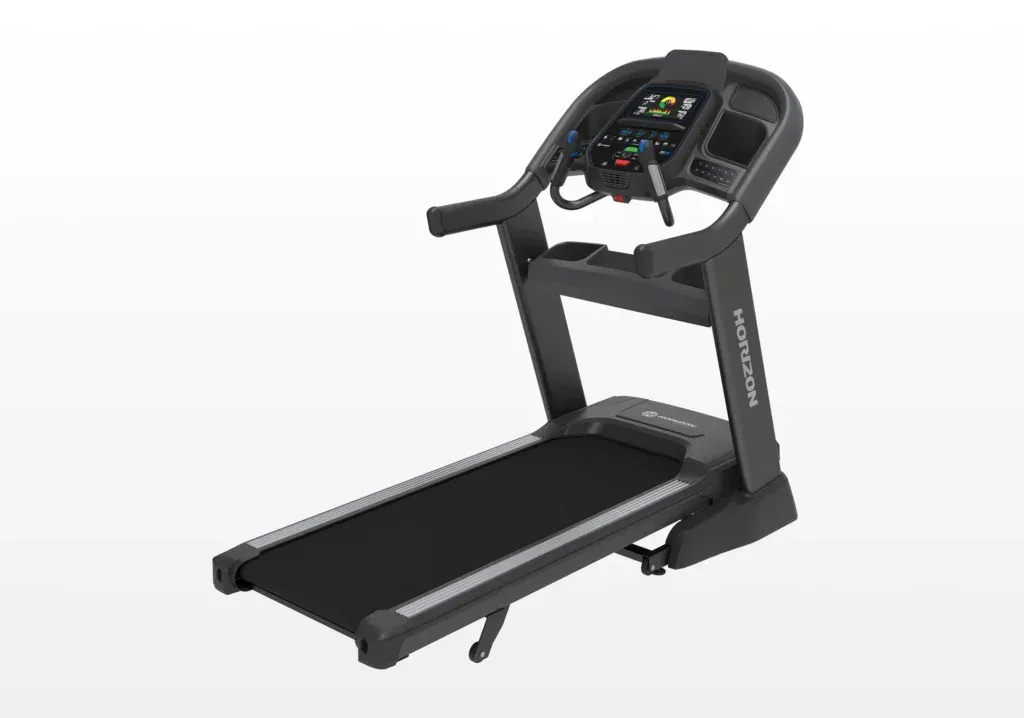
The Horizon 7.8 AT is the best fit for most home runners. You get a roomy 22-by-60-inch belt, quick physical controls, a 12 mph top speed, 15% incline, strong warranty coverage and no required subscription. Add your own tablet or television and you are not locked into one fitness platform.
Affiliate disclosure: This article contains affiliate links. Running Gear Lab may earn a commission if you buy through one of them, at no extra cost to you. This is a research-based comparison, the rankings use current manufacturer specifications, warranty terms, subscription costs and published independent testing.
Quick matchBefore you buyCompare all sixDetailed picksSetup and costsFAQ
Start with the way you will use it
Best lower-priced 22-inch deck
Pick it to save money without shrinking the running area.
Compare the six treadmills
| Model | Best for | Belt | Speed | Incline | Screen | Capacity | Typical U.S. price* |
|---|---|---|---|---|---|---|---|
| Horizon 7.8 AT | Most runners | 22 × 60 in. | 12 mph | 0 to 15% | 9.3 in. console | 375 lb | About $1,999 |
| NordicTrack 2450 | iFIT and fast intervals | 22 × 60 in. | 14 mph | -3 to 12% | 24 in. touchscreen | 400 lb | About $2,499+ |
| Sole F85 | Screen without required fee | 22 × 60 in. | 12 mph | 0 to 15 levels | 15.6 in. touchscreen | 350 lb | About $2,199 |
| NordicTrack 1750 | Lower-cost iFIT | 22 × 60 in. | 12 mph | -3 to 12% | 16 in. touchscreen | 400 lb | About $2,299 |
| Horizon 7.4 AT | 22-inch belt for less | 22 × 60 in. | 12 mph | 0 to 15% | 8.25 in. console | 350 lb | About $1,799 |
| Peloton Tread | Peloton classes | 20 × 59 in. | 12.5 mph | 0 to 12.5% | 21.5 in. touchscreen | 300 lb | About $3,295 |
The best treadmills for running in 2026
Best overall for most runners
1. Horizon 7.8 AT
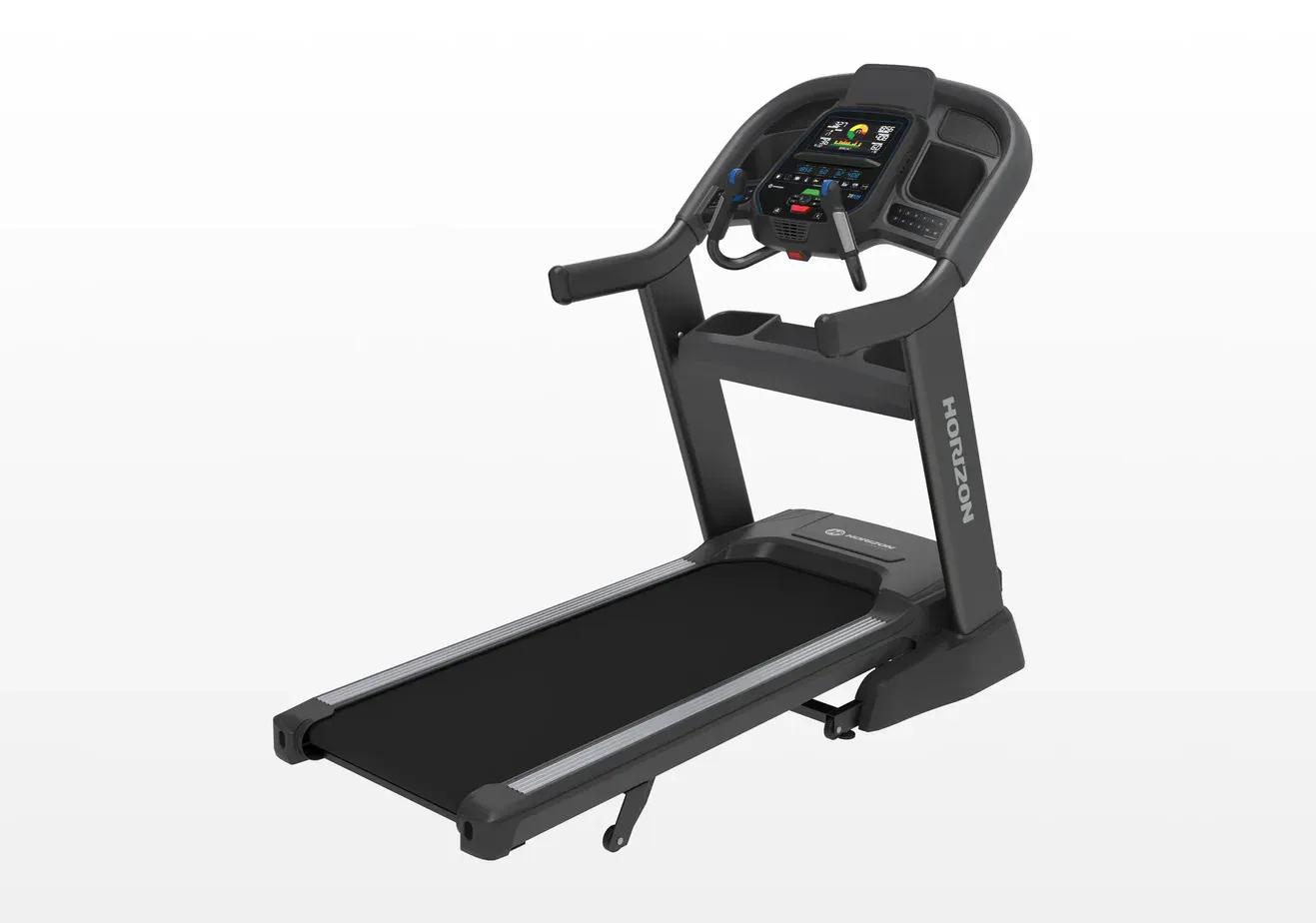
Running area: 22 × 60 in. Speed: 0.5 to 12 mph Incline: 0 to 15% Capacity: 375 lb Folds: Yes Warranty: Lifetime frame and motor, 5 years parts, 2 years labour
Buy it if: you want a substantial running treadmill, fast physical controls and the freedom to use your own tablet and apps.
Skip it if: a large built-in video screen or downhill setting is essential.
The 7.8 AT puts your money into the running platform rather than a touchscreen. Its 22-inch width gives you more side-to-side room than the Peloton belt, while the 60-inch length works for long strides. The QuickDial controls are easy to change at speed, and Horizon’s current specifications confirm Bluetooth FTMS support for Peloton and other training apps.
You will need your own phone or tablet for classes and entertainment. That is a drawback if you want one polished system, but it also means a dated screen will not make the treadmill feel obsolete. The machine weighs about 330 pounds, so folding helps reclaim floor space but does not make it portable.
What you get
- Full 22-by-60-inch running area
- QuickDial interval controls
- No required platform subscription
- 375-pound user capacity
- Strong home warranty
What you give up
- No built-in entertainment screen
- No decline setting
- Very heavy for upstairs delivery
- Not compatible with GFCI outlets under current specifications
Best premium option for iFIT and fast running
2. NordicTrack Commercial 2450
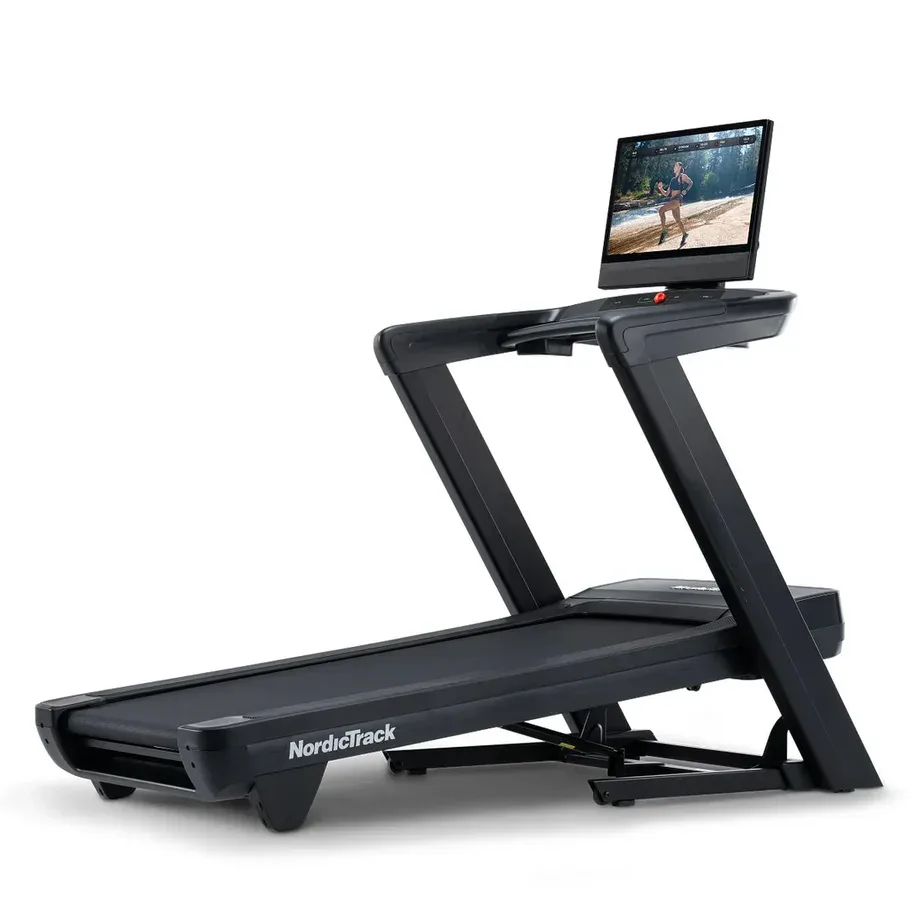
Motor: 4.25 CHP Running area: 22 × 60 in. Speed: Up to 14 mph Incline: -3 to 12% Capacity: 400 lb Screen: 24 in. pivoting touchscreen Folds: Yes
Buy it if: you want guided training, automatic speed and incline changes, downhill simulation and extra speed for short intervals.
Skip it if: you do not want to keep paying for iFIT or prefer simple physical controls.
The 2450 has the strongest performance case in this group. A 14 mph top speed gives fast runners more interval headroom, while the 22-by-60-inch belt, 400-pound capacity and -3% decline cover a wide range of users and workouts. The 24-inch screen pivots for strength sessions beside the machine.
Its value depends on iFIT. A paid iFIT Pro membership unlocks the trainer-controlled speed, incline, scenic workouts and streaming apps that justify the screen. Without that membership, you are paying a premium for hardware you will not fully use. NordicTrack’s current U.S. warranty lists lifetime motor coverage, 10 years on the frame, 2 years on parts and 1 year on the tablet and labour.
What you get
- 14 mph maximum speed
- Uphill and downhill training
- Large pivoting screen
- Automatic workout adjustments with iFIT
- 400-pound capacity
What you give up
- Best features require iFIT Pro
- Screen cannot be used as an open web browser
- Large, heavy delivery
- Return shipping fee can apply
Best built-in screen without a required monthly fee
3. Sole F85
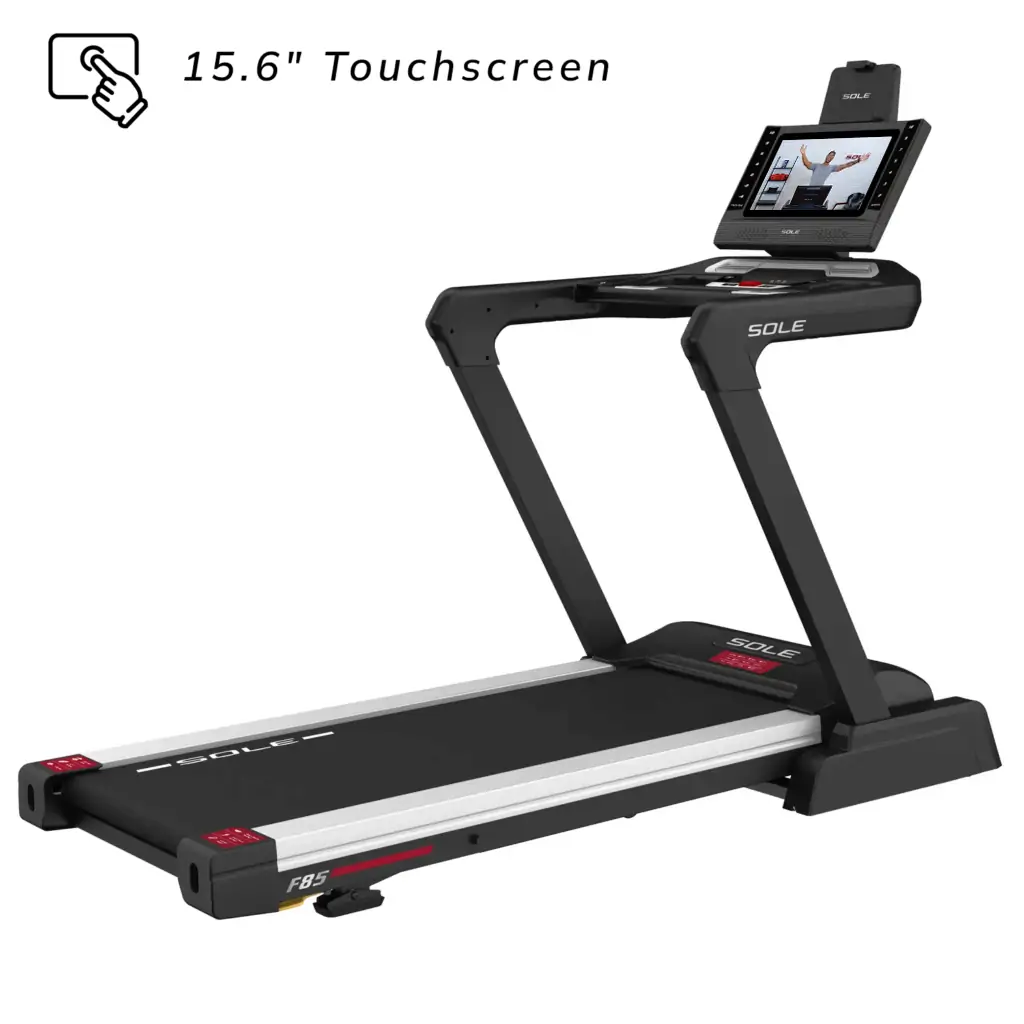
U.S. 2026 model: 3.5 HP motor Running area: 22 × 60 in. Speed: Up to 12 mph Incline: 0 to 15 levels Capacity: 350 lb Screen: 15.6 in. touchscreen Folds: Yes
Buy it if: you want a large screen, built-in apps and a full running belt without committing to a paid treadmill platform.
Skip it if: you want automatic coached workouts or a decline setting on the current U.S. model.
The current U.S. F85 combines a 22-by-60-inch deck with a 15.6-inch touchscreen, Wi-Fi, Bluetooth and a free SOLE+ app. You can run without a membership, which makes the long-term cost easier to predict than NordicTrack or Peloton. The lifetime frame and motor warranty is another reason to shortlist it.
Check the country-specific listing before ordering. Sole currently sells different F85 configurations in the United States and Canada. The Canadian page lists a 4.0 HP motor, 375-pound capacity and decline levels, while the new U.S. 2026 page lists a 3.5 HP motor, 350-pound capacity and incline only. Reviews of the older F85 do not necessarily describe the machine now sold in the U.S.
What you get
- 15.6-inch touchscreen
- No required monthly fee
- 22-by-60-inch running deck
- Lifetime frame and motor warranty
- Folding frame
What you give up
- No trainer-controlled ecosystem like iFIT
- No decline on current U.S. version
- Regional specifications can be confusing
- Less polished class experience than Peloton
Best-value NordicTrack for most iFIT runners
4. NordicTrack Commercial 1750
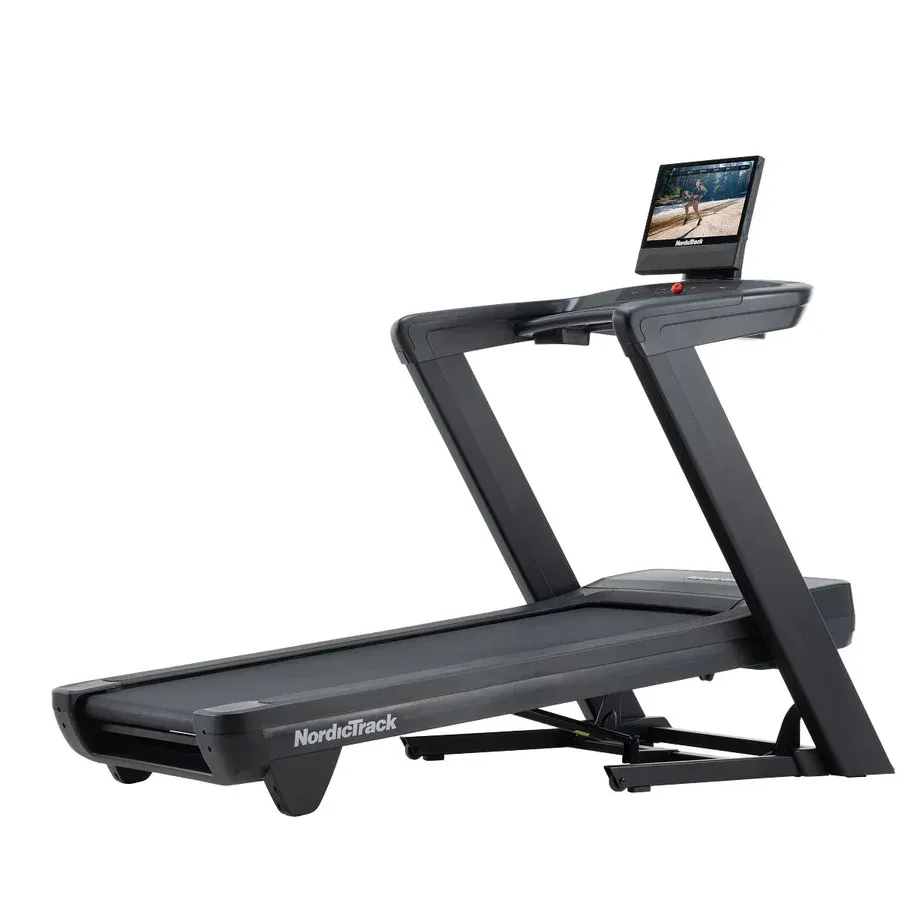
Motor: 4.25 CHP Running area: 22 × 60 in. Speed: Up to 12 mph Incline: -3 to 12% Capacity: 400 lb Screen: 16 in. pivoting touchscreen Folds: Yes
Buy it if: you want the 2450’s belt, motor rating, decline and iFIT experience but do not need 14 mph or a 24-inch screen.
Skip it if: you are unlikely to maintain an iFIT Pro membership.
The 1750 is the sensible NordicTrack for far more runners. It shares the 2450’s 22-by-60-inch belt, 4.25 CHP rating, 400-pound capacity and -3 to 12% range. The meaningful cuts are the 12 mph top speed and 16-inch screen. If you never run faster than 5:00 per mile, the lower speed limit does not affect your training.
The same subscription warning applies. Its automatic adjustments, trainer-led routes and entertainment features rely on iFIT Pro. Compare the machine price plus at least three years of membership before deciding it is cheaper than a no-subscription treadmill.
What you get
- Same belt size and motor rating as 2450
- Incline and decline
- Pivoting 16-inch screen
- 400-pound capacity
- Lower price than 2450
What you give up
- 12 mph rather than 14 mph
- Smaller screen than 2450
- Best features require iFIT Pro
- Still expensive if used only in manual mode
Best lower-priced treadmill with a 22-inch belt
5. Horizon 7.4 AT
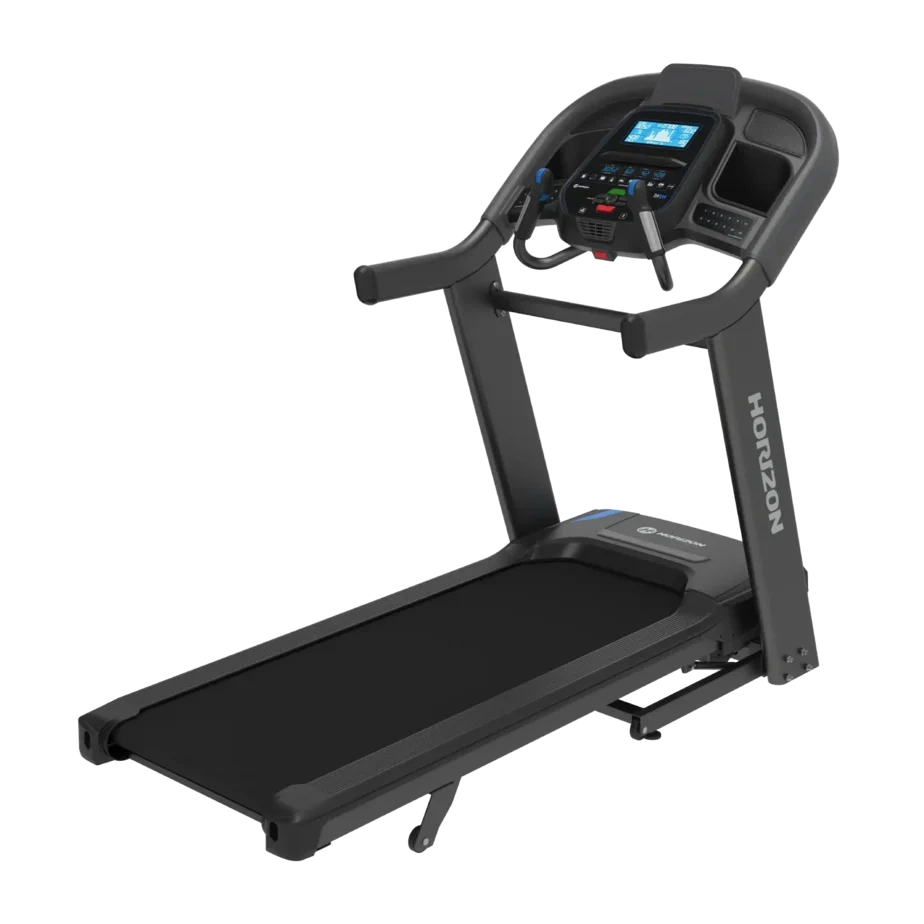
Running area: 22 × 60 in. Speed: 0.5 to 12 mph Incline: 0 to 15% Capacity: 350 lb Screen: 8.25 in. LCD Folds: Yes Warranty: Lifetime frame and motor, 5 years parts, 2 years labour
Buy it if: you want the same belt size, speed, incline and core warranty as the 7.8 AT for less.
Skip it if: your household needs the 7.8 AT’s 375-pound limit or you want its colour display and extra console features.
The 7.4 AT protects the features runners notice most. You still get the 22-by-60-inch belt, 12 mph top speed, 15% incline, QuickDial controls and a folding deck. The current official U.S. price was $1,799 when checked, $200 below the 7.8 AT.
The 7.8 AT earns its higher price with a 375-pound capacity, heavier frame, 9.3-inch colour display, media controls and aluminum side rails. If none of those changes affect you, the 7.4 AT is the more efficient purchase.
What you get
- 22-by-60-inch running area
- 12 mph and 15% incline
- Fast physical adjustment dials
- No required subscription
- Strong home warranty
What you give up
- Smaller basic display
- Lower capacity than 7.8 AT
- No decline
- Bring your own tablet for classes
Best for runners already committed to Peloton
6. Peloton Tread
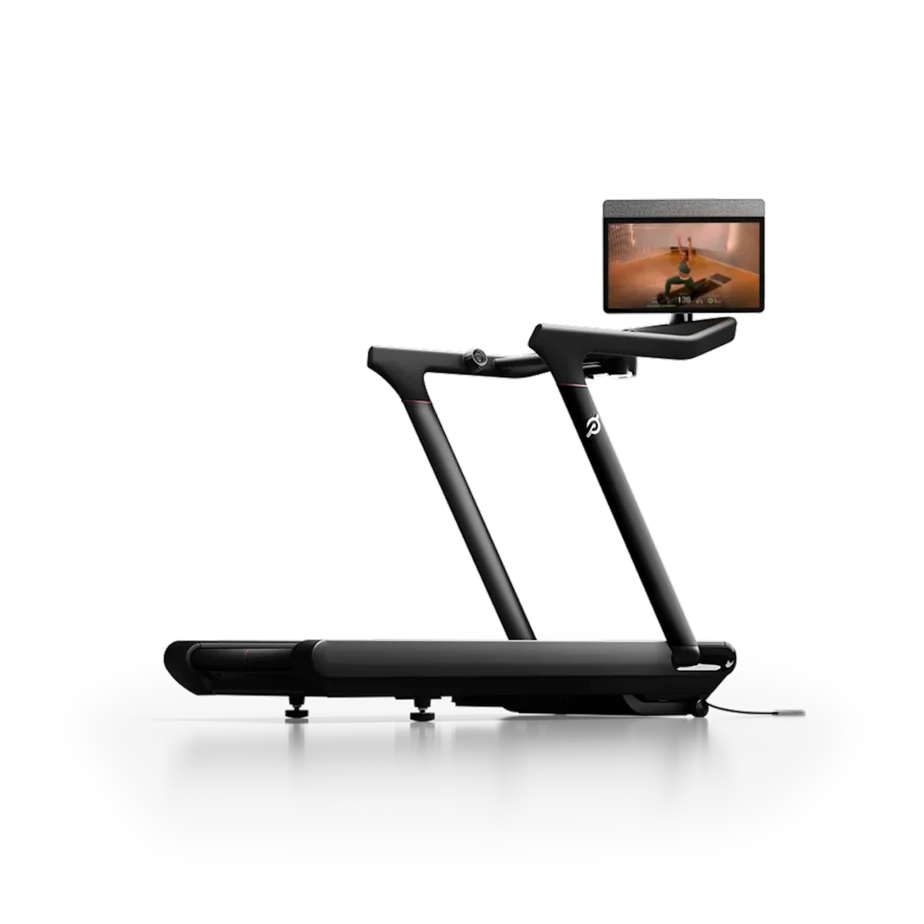
Motor: 3 HP DC Running area: 20 × 59 in. Speed: Up to 12.5 mph Incline: 0 to 12.5% Capacity: 300 lb Screen: 21.5 in. swivel touchscreen Folds: No
Buy it if: Peloton’s instructors, live classes and household profiles are what will keep you using the treadmill.
Skip it if: you mainly want the best running hardware for the money or need a folding machine.
The Tread is a content purchase as much as an equipment purchase. The speed and incline knobs are intuitive during classes, the interface is polished, and the 21.5-inch screen rotates for off-tread strength work. If several people in your home already use Peloton, the shared membership can make the price easier to justify.
On hardware value, it falls behind. The belt is narrower and slightly shorter than the 22-by-60-inch platforms above, the user limit is 300 pounds, there is no decline and the frame does not fold. It also requires considerable safety clearance behind it. Buy it because you want Peloton, not because the specification sheet beats the competition.
What you get
- Excellent class interface
- Easy speed and incline knobs
- Rotating screen for strength work
- Compact length for a premium treadmill
- Multiple household profiles with membership
What you give up
- High purchase price
- Paid membership for the intended experience
- Narrower 20-inch belt
- No folding or decline
- 300-pound user capacity
Answer these questions before comparing screens
1. How fast do you run?
A 12 mph treadmill reaches 5:00 per mile or about 3:06 per kilometre. Most runners do not need more. The 2450’s 14 mph limit matters mainly for short, fast intervals.
2. Do you want a subscription?
NordicTrack and Peloton deliver their best experience through paid memberships. Horizon and Sole are easier to use as stand-alone machines.
3. Built-in screen or your own TV?
A basic console plus a separate screen is cheaper to replace and does not tie entertainment to the treadmill. Compare both approaches in the guide to TVs for a treadmill setup.
4. Will it fit the room?
Measure the machine, the safety clearance, ceiling height and every doorway or stair turn on the delivery path. Folding the deck does not make a 300-pound treadmill easy to move.
5. Who else will use it?
Choose for the tallest runner, the heaviest user and the fastest workout in the household. Check the manufacturer’s user limit rather than buying right at the limit.
6. Can you service it locally?
Parts coverage is only useful if service is available. Before ordering, ask who handles warranty calls in your area and what return shipping would cost.
Do not rely on horsepower alone. Brands do not all report motor ratings in the same way, and Horizon no longer puts a horsepower number in its current U.S. specification table. Belt size, top speed, user capacity, warranty, interval response and repair access tell you more about whether a treadmill suits your running.
Costs and setup details buyers often miss
Calculate the three-year cost
Add the treadmill, delivery, assembly, floor mat, surge protection where permitted, membership and any separate streaming subscriptions. iFIT Pro was listed at $39 per month when checked. That is $1,404 over three years before tax. Peloton also requires a paid All-Access membership for its intended class experience, so confirm the current rate before ordering.
Measure the delivery path, not only the room
Measure doors, stairwells, landings and ceiling height. Include the deck’s step-up height plus the tallest runner. Keep the manufacturer’s required safety clearance around and behind the machine. Peloton, for example, currently asks for about 79 inches behind the Tread.
Check the outlet before delivery day
Large treadmills can have specific circuit and outlet requirements. Peloton calls for a dedicated 15-amp circuit. Horizon’s current U.S. specifications say its Studio treadmills are not compatible with GFCI outlets. Basements and garages often have GFCI protection, so confirm the manual and local electrical requirements before purchase.
Do not assume folding means movable
Folding creates floor space when the treadmill is not in use. It does not turn a 300-pound machine into something you will regularly wheel between rooms. Plan a permanent location.
Garage warning: Warranty terms may restrict storage in uncontrolled temperatures or humid spaces. Read the exact warranty before placing a treadmill in a garage, sunroom or unfinished basement.
Useful next steps
Frequently asked questions
What belt size is best for running?
A 20-by-60-inch belt works for many runners. A 22-inch width gives more room during faster running and can feel less restrictive to larger runners. Test the actual machine if you are tall, have a long stride or feel uncomfortable near the side rails. Do not claim a shorter belt will automatically cause an injury.
How much motor power do I need?
There is no universal horsepower cutoff because brands report power differently. A 3.0 to 4.25 HP or CHP rating is common among home running treadmills, but it should not be your only filter. Look at the treadmill’s stated running use, speed, user limit, warranty and independent testing under sustained running.
Should I always set the treadmill to 1% incline?
No. The familiar 1% rule comes from a small 1996 study of nine trained male runners. In that study, 1% most closely matched the energy cost of outdoor running across the tested speeds, largely because indoor treadmill running removes air resistance. The treadmill belt does not do your propulsion for you. Use 0% when it suits the workout, and add incline when you want hills or a closer match to a particular outdoor effort.
Is treadmill running the same as outdoor running?
It is similar enough to be a useful training substitute, but not identical. A systematic review found broadly comparable biomechanics with some differences in measures such as contact time, knee motion and muscle activity. Outdoors you also deal with wind, turns, changing footing and self-selected pacing.
Do I need a treadmill subscription?
No. Horizon and Sole can be used as complete stand-alone treadmills. NordicTrack and Peloton also have basic use without the full content experience, but much of the reason to pay for their screens is tied to a membership. Compare three-year cost, not only the sale price.
Should I buy a treadmill online or from a local dealer?
Online buying may provide better affiliate pricing and selection. A local fitness-equipment dealer lets you run on the machine, confirm noise and deck feel, arrange assembly and understand who performs repairs. For a multi-thousand-dollar machine, local service can be worth more than a small price difference.
How these picks were chosen
The comparison uses current U.S. manufacturer specifications, running area, maximum speed, incline and decline, user capacity, folding design, screen and app restrictions, warranty coverage, subscription cost and delivery requirements. Published independent reviews were also checked for issues a specification table cannot show, including interval response and stability. These rankings are recommendations, not claims that Running Gear Lab completed hands-on laboratory testing.
Model names can stay the same while the machine changes. Confirm the exact model number, country-specific specification sheet and warranty at checkout.
Sources checked
- NordicTrack Commercial Series specifications
- Horizon 7.8 AT specifications
- Horizon 7.4 AT specifications
- Sole F85 U.S. specifications
- Sole F85 Canadian specifications
- Peloton Tread specifications
- Jones and Doust study on treadmill grade and outdoor running energy cost
- Systematic review comparing motorized treadmill and overground running biomechanics