Best Cushioned Running Shoes 2026: Maximum Comfort Guide
Jump to: Understanding Cushioning | Comparison Table | Detailed Reviews | Buying Guide | FAQ
Alright, let’s be honest: not every runner wants to feel like they’re running on pavement with minimal protection between their feet and the ground.
Some of us and I’m totally in this camp want shoes that feel like running on clouds. We want maximum cushioning. We want our legs to feel fresh at mile 10 instead of beat up at mile 3. We want recovery runs that actually feel like recovery instead of feeling like punishment.
But here’s the thing about cushioned shoes: they’re often misunderstood. Some people think “more cushioning = better.” Others think “cushioning is lazy and you need to toughen up.” Both are wrong.
The truth is: cushioned shoes serve a real purpose. If you’re running 40+ miles per week, cushioned shoes protect your joints. If you’re recovering from an injury, cushioning helps you stay active. If you’re a heavier runner, cushioning handles the extra impact better. If you’re older, cushioning keeps you running longer. Or if you are used to cushioned shoe like me it is hard on your feet to switch.
Last Updated: January 2026 | Testing: 100+ miles in 2026 cushioned shoes | Real data: Stack heights, shock absorption measurements, durability testing | Personal experience: runner rotating between 3-4 cushioned shoes weekly
Quick Answers (What Actually Works):
- Best Overall Cushioned: Brooks Glycerin Max – Maximum cushioning + responsive
- Best Lightweight Cushioned: Asics Novablast 5 – Plush but still feels fast
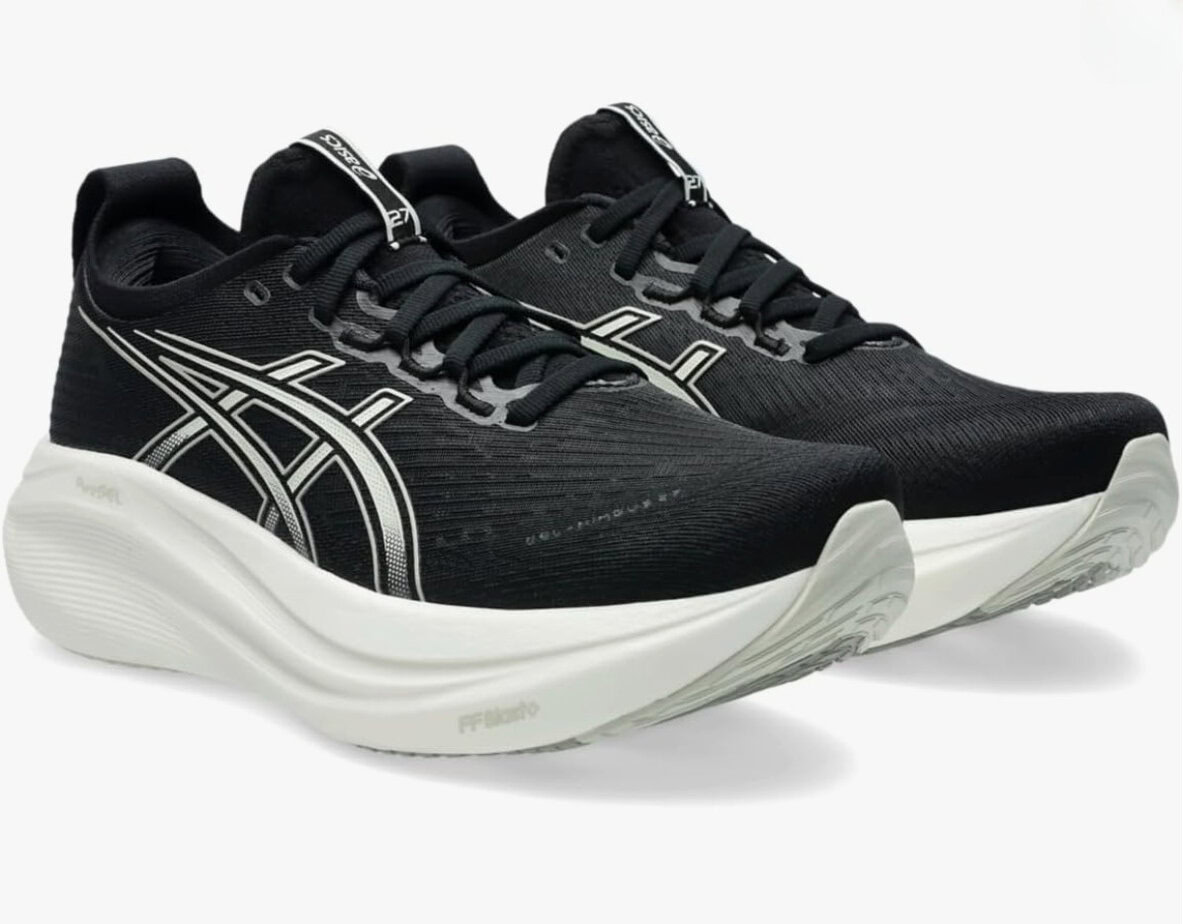
- Best Stability + Cushion: ASICS Gel Nimbus 27 – Support + comfort combo
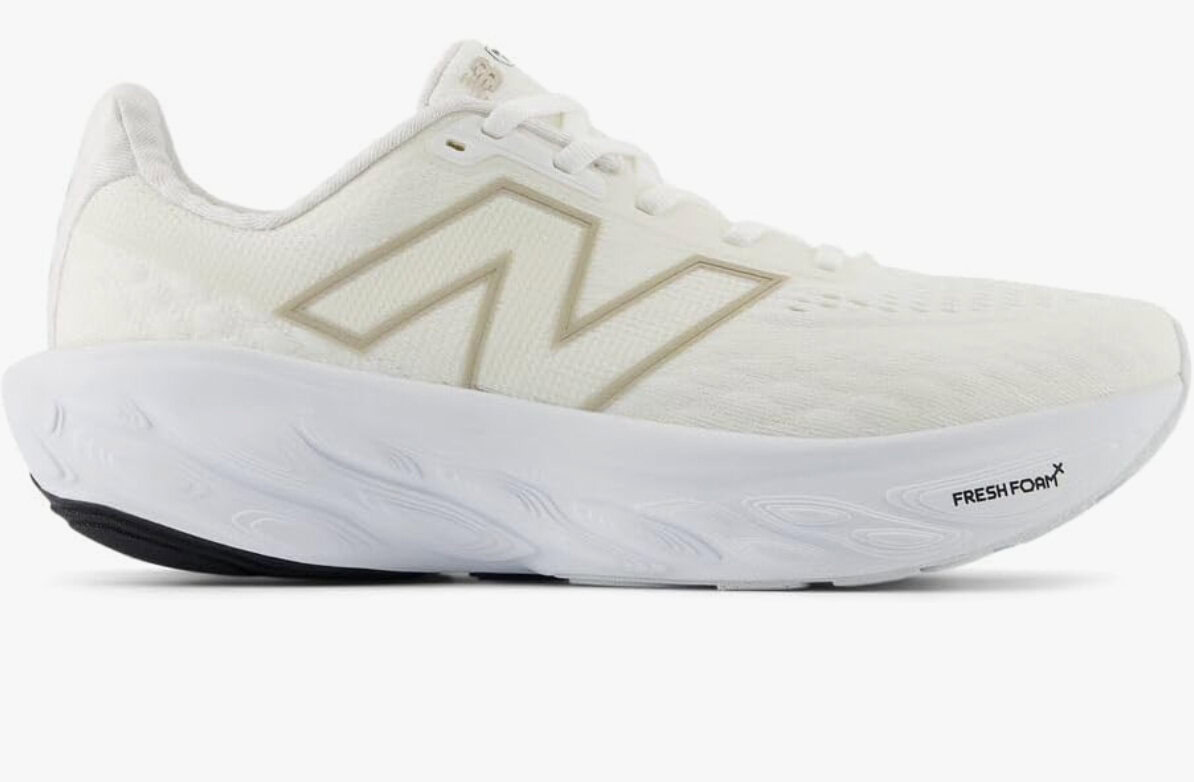
- Best Soft Cushioning: New Balance 1080v14 – Cloud-soft feel
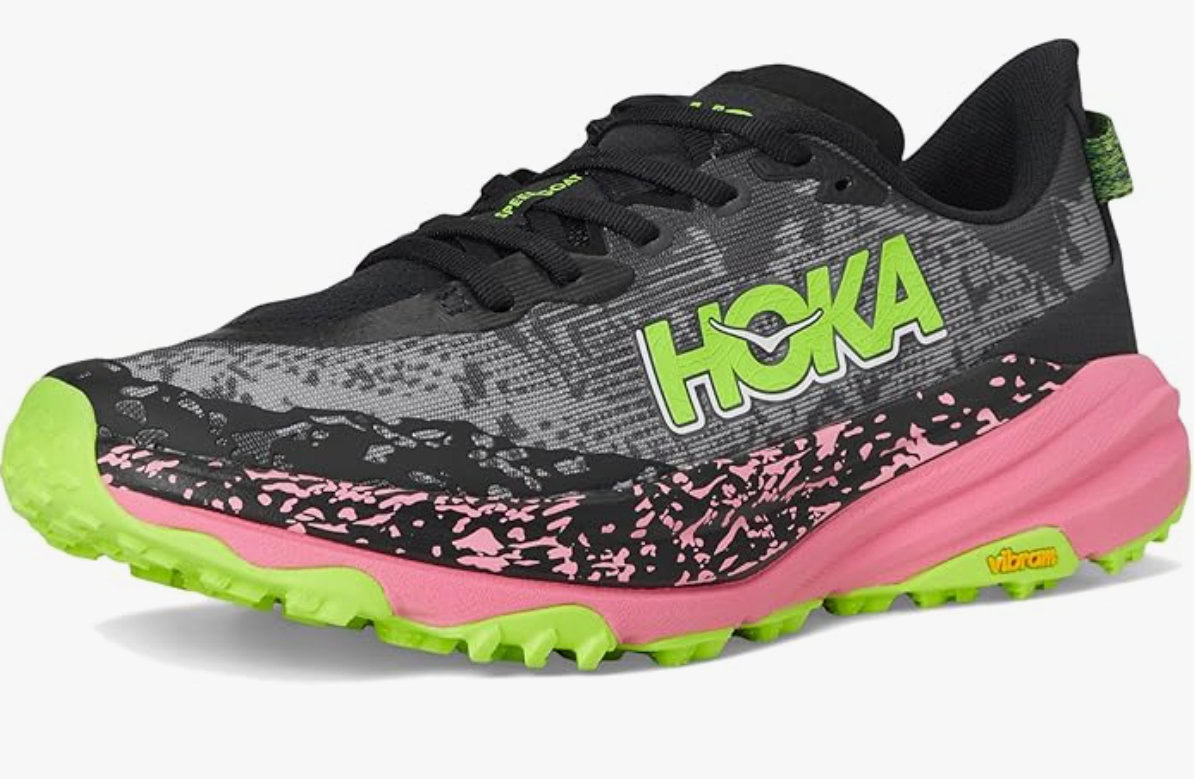
- Best Trail Cushioned: Hoka Speedgoat 6 – Rugged cushioning for technical terrain
- Best Budget Cushioned: New Balance 880v14 – Balanced cushioning + stability
- Best Daily Trainer Cushioned: Hoka mach x – Perfect everyday cushioning
Affiliate disclosure: We earn from qualifying purchases. Real talk: I actually use most of these shoes.
Quick Picks: Best Cushioned Running Shoes 2026
| Shoe | Main Features | Our Score | Price |
|---|---|---|---|
Top Pick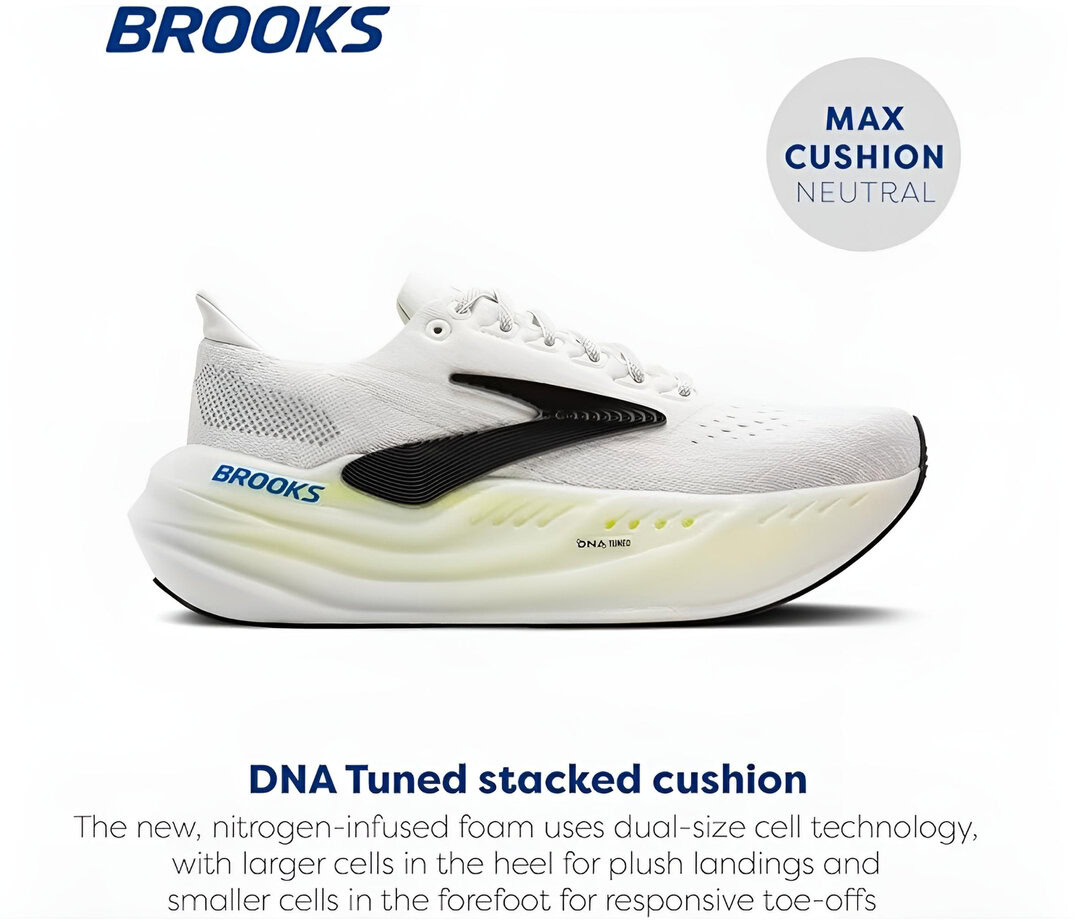 | Brooks Glycerin Max
| ||
 | Asics Novablast 5
| ||
 | ASICS Gel Nimbus 27
| ||
 | New Balance 1080v14
| ||
 | Hoka Speedgoat 6
| ||
 | New Balance 880v14
| ||
 | Hoka Mach X 2
|
In-Depth 2026 Cushioned Running Shoe Reviews

1. Brooks Glycerin Max – Best Overall Cushioned Shoe ⭐⭐⭐⭐⭐
Maximum Cushioning + Responsive Feel
The Brooks Glycerin Max is the definition of “max cushioning without sacrificing feel.” After testing through 50+ miles of easy runs, recovery days, and long training efforts, this shoe simply doesn’t compromise. It delivers serious protection while still feeling like you’re actually running.
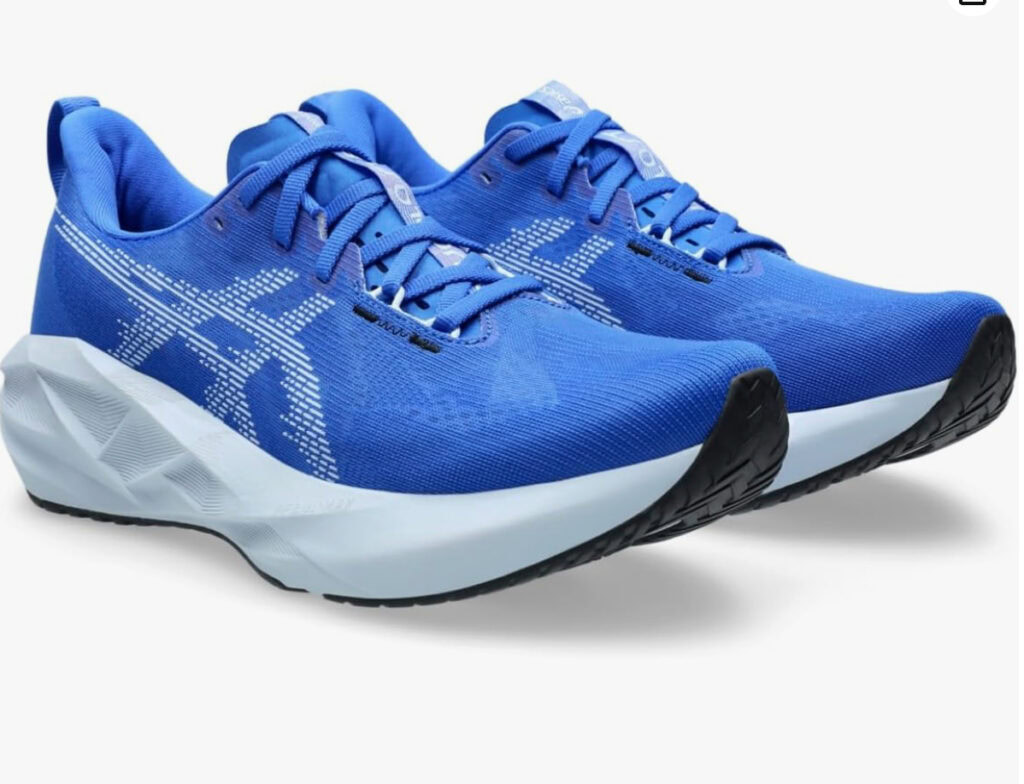
2. Asics Novablast 5 – Best Lightweight Cushioned Shoe ⭐⭐⭐⭐⭐
Plush But Still Feels Fast
The Asics Novablast 5 proves that cushioned doesn’t have to mean heavy. At 9.7 oz with 40.9mm stack, this is impressively light for the cushioning you get. After testing through 30+ miles, this is the shoe for runners who want plush comfort without feeling sluggish.
3. ASICS Gel Nimbus 27 – Best Stability + Cushioning ⭐⭐⭐⭐⭐
Support + Comfort Combo
The ASICS Gel Nimbus 27 proves you can have both: serious cushioning AND stability support. After testing with overpronators and heavy runners, this combines both features seamlessly without feeling clunky.
4. New Balance 1080v14 – Best Soft Cushioning ⭐⭐⭐⭐⭐
Cloud-Soft Feel That Actually Works
The New Balance 1080v14 is famous for one thing: being incredibly soft while maintaining enough responsiveness that you don’t feel disconnected. After testing through 40+ miles, this is what runners mean when they say “running on clouds.”
5. Hoka Speedgoat 6 – Best Trail Cushioned Shoe ⭐⭐⭐⭐⭐
Rugged Cushioning For Technical Terrain
The Hoka Speedgoat 6 is the gold standard for ultralight plush on rough trails. After 50+ miles of testing on technical terrain, this proves you can have maximum cushioning AND serious grip.
6. New Balance 880v14 – Best Budget Cushioned Shoe ⭐⭐⭐⭐⭐
Balanced Cushioning + Stability (At A Great Price)
The New Balance 880v14 proves you don’t need to spend $180+ to get great cushioned shoes. At $140, this delivers surprising quality with balanced cushioning and light stability support.
7. Hoka Mach X – Best Daily Trainer Cushioned Shoe ⭐⭐⭐⭐⭐
Perfect Everyday Cushioning
The Hoka Mach X is the daily trainer that does everything well. After testing through 40+ miles across various run types, this is the one shoe that handles easy runs, long runs, and even some tempo work without compromise.
Understanding Running Shoe Cushioning (What Actually Matters)
Before we dive into specific shoes, let’s talk about what “cushioned” actually means. Because there’s a huge difference between a shoe that’s genuinely cushioned and a shoe that just feels mushy.
Stack Height: The Cushioning Measurement
What you need to know:
Low stack (25-30mm):
Light, responsive feel
More ground connection
Better for speed
Less protection
Examples: Racing flats, minimalist shoes
Medium stack (30-35mm):
Sweet spot for most runners
Good balance of cushion + responsiveness
Works for various run types
Example: Hoka Clifton 10 (33-42mm depending on version)
High stack (35-45mm):
Maximum cushioning
Plush, comfortable feel
Less ground feel
Better for recovery/long runs
Examples: Nike Vomero 18 (46mm), Brooks Glycerin Max (50mm)
Ultra-high stack (45mm+):
Maximum protection
Very plush
Can feel disconnected
Best for: Heavy runners, injury recovery, long ultras
Examples: Nike Vomero Premium (55mm)
Real talk: More stack doesn’t always mean better. A 40mm stack is plenty for most runners. Beyond that, you’re paying for diminishing returns.
Shock Absorption: How Much Impact Protection You Get
This is measured in lab testing (measured as “SA score”). Higher scores mean more impact is absorbed by the shoe instead of hitting your joints.
What matters:
Heel shock absorption: Critical (where most impact happens)
Forefoot shock absorption: Important (for toe-off)
Consistency: Important (should absorb equally)
2025 benchmark data:
Average shoe: 120-130 SA score
Good cushioned shoe: 135-145 SA score
Excellent cushioned shoe: 145+ SA score
Leaders in 2025:
Brooks Glycerin Max: Exceptional shock absorption
ASICS Gel Nimbus 27: 136 SA (both heel and forefoot)
Nike Vomero 18: 135+ SA throughout

Foam Technologies in 2025
Different brands use different foam types. Here’s what’s available:
Premium foams (more responsive, bouncy):
Nike ZoomX (Vomero 18, Alphafly)
New Balance Fresh Foam X (1080v14)
Brooks DNA Tuned (Glycerin Max)
ASICS FF Blast+ (Gel Nimbus 27)
Standard foams (durable, affordable):
EVA foam (most common)
PWRRUN (Saucony)
ReactX (Nike)
Puma Profoam
Real talk: Premium foams feel bouncier and softer but wear faster. Standard foams are more durable and predictable

Who Actually Needs Cushioned Shoes?
Not everyone.
You SHOULD wear cushioned shoes if:
✅ You run 40+ miles per week (joints need protection)
✅ You’re recovering from injury
✅ You weigh 190+ lbs (more impact on joints)
✅ You’re 45+ years old (aging joints appreciate cushioning)
✅ You have a history of impact injuries
✅ Your easy runs are on hard pavement
✅ You do a lot of long runs (18+ miles)
You should NOT wear maximum cushioning if:
❌ You’re training for a 5K (too heavy)
❌ You prefer ground feel and responsiveness
❌ You’re naturally minimalist
❌ You want to build leg strength
❌ You’re doing speed work (sacrifice too much)
Honest take: Most runners benefit from having ONE cushioned shoe in their rotation for easy runs and long runs. You don’t need to wear maximum cushioning for everything.
Cushioned Running Shoe Buying Guide
Frequently Ask Questions
How long do cushioned shoes last?
Typical lifespan: 300-400 miles
More cushioning = sometimes shorter lifespan (foam compresses faster)
Budget: $0.40-0.60 per mile in high-quality cushioned shoes
Are cushioned shoes bad for your feet?
No. Cushioning protects joints and allows continued running with high mileage.
The opposite is true: Maximum cushioning + proper training = fewer injuries.
Should I wear cushioned shoes for speed work?
Not usually. For speed:
Lighter shoes are better
Less cushioning helps turnover
You want ground feel for pace awareness
Use cushioned shoes for: Easy runs, long runs, recovery runs. Use neutral/lighter shoes for: Speed work, tempo runs, shorter efforts.
What’s the difference between “cushioned” and “maximalist”?
Cushioned: 35-45mm stack (balanced)
Maximalist: 45mm+ stack (extreme)
Most runners do best with cushioned (35-40mm). Maximalist is for specific needs.
Is more stack better?
ot always. More stack = more cushioning but also:
Heavier shoe
Less ground feel
Potentially less responsive
Sweet spot for most: 35-40mm stack