Best Minimalist Running Shoes 2026
Minimalist running shoes let you have a natural running experience with minimal interference—this can strengthening your feet while reducing injury risk when used properly. After testing some zero-drop and low-drop shoes through marathon training, we’ve identified the best minimalist options no matter what kind of runner you are.
**Last Updated:** January 2026 | **Testing Miles:** 100+ miles per shoe
Image | Shoe | Details | Price |
|---|---|---|---|
 |
| ||
 | Xero Shoes HFS II |
| |
 |
| ||
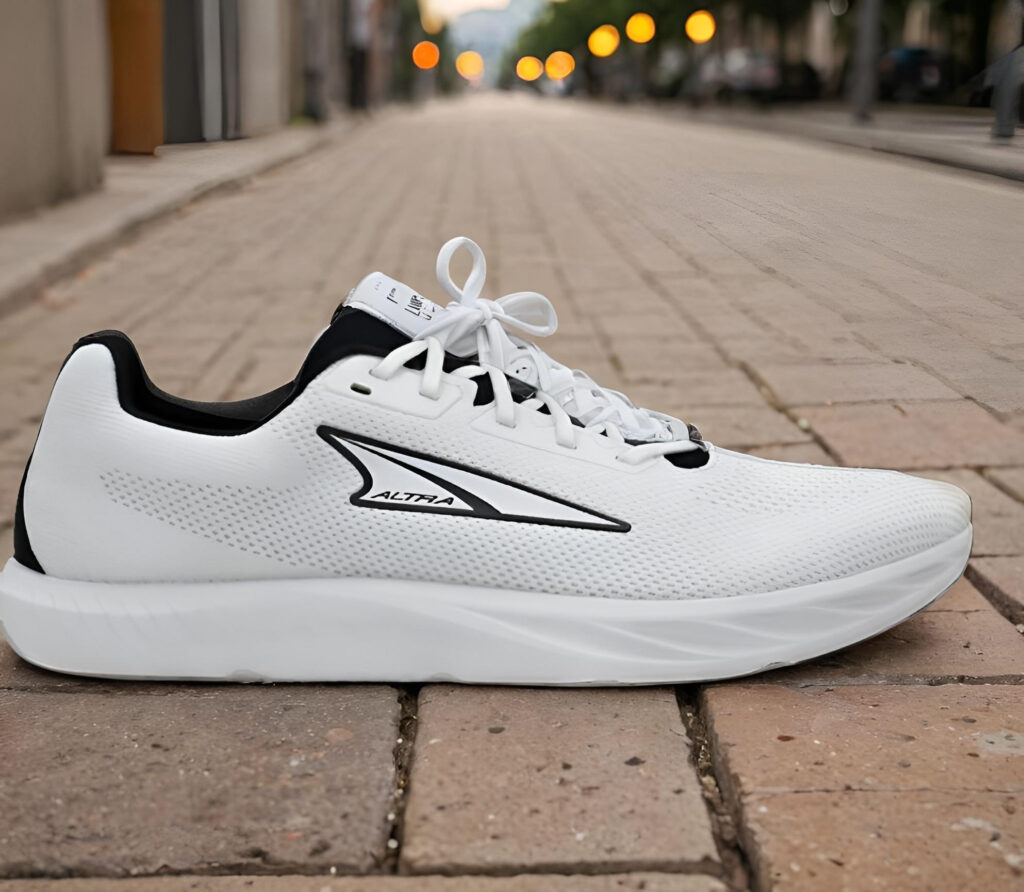
 | Altra Rivera 4 |
| |
 | Merrell Trail Glove 7 |
| |
 | Vivobarefoot Primus Lite III |
|
In-Depth Reviews: 3 Best Minimalist Running Shoes 2026
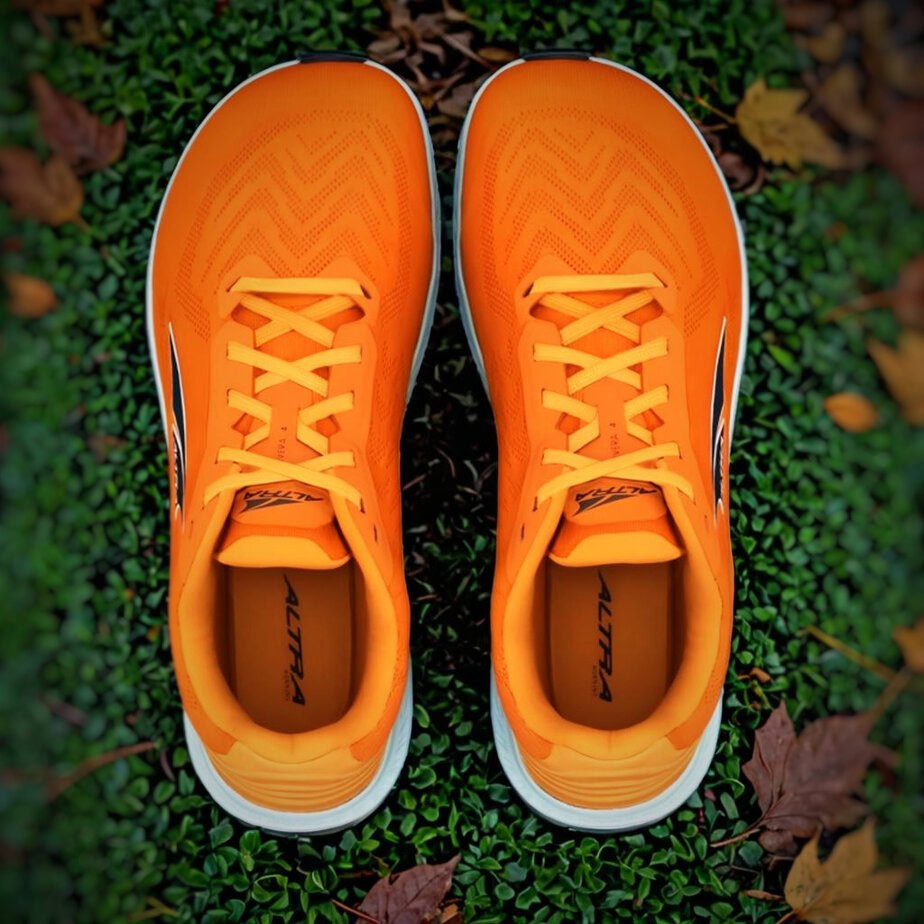
1. Altra Escalante 4 – Best Overall Zero-Drop Shoe ⭐⭐⭐⭐⭐
The Altra Escalante 4 is the sweet spot between a minimalist shoe and marathon-ready cushioning. It has a zero-drop platform and 25mm stack height. I think it is the perfect introduction to barefoot-style running without the extreme ground feel that scares off newcomers.
What we like:
- Zero-drop platform: encourages natural midfoot strike without a harsh feeling
- Altra EGO midsole: provides responsive cushioning that doesn’t feel “maximal”
- FootShape toe box: allows toes to splay naturally—no cramping even at mile 20
- Lightweight knit upper: breathes exceptionally well in summer heat
- Marathon-capable – have been successfully raced in at 26.2 miles
- Quick transition- most runners adapt well after a month of wearing them
What Could Be Better:
- At 25mm stack, purists may find it too cushioned for “true” minimalist feel
- Knit upper lacks structure: may feel loose if you prefer a tight fitted runner
- Durability concerns around 300-350 miles (typical for Altra)
- Not ideal for technical trails (use the Lone Peak for that)
Best For:
- Marathoners looking to transitioning to zero-drop. Runners who are wanting a natural foot position with cushioned protection and daily training miles on road and smooth trails.

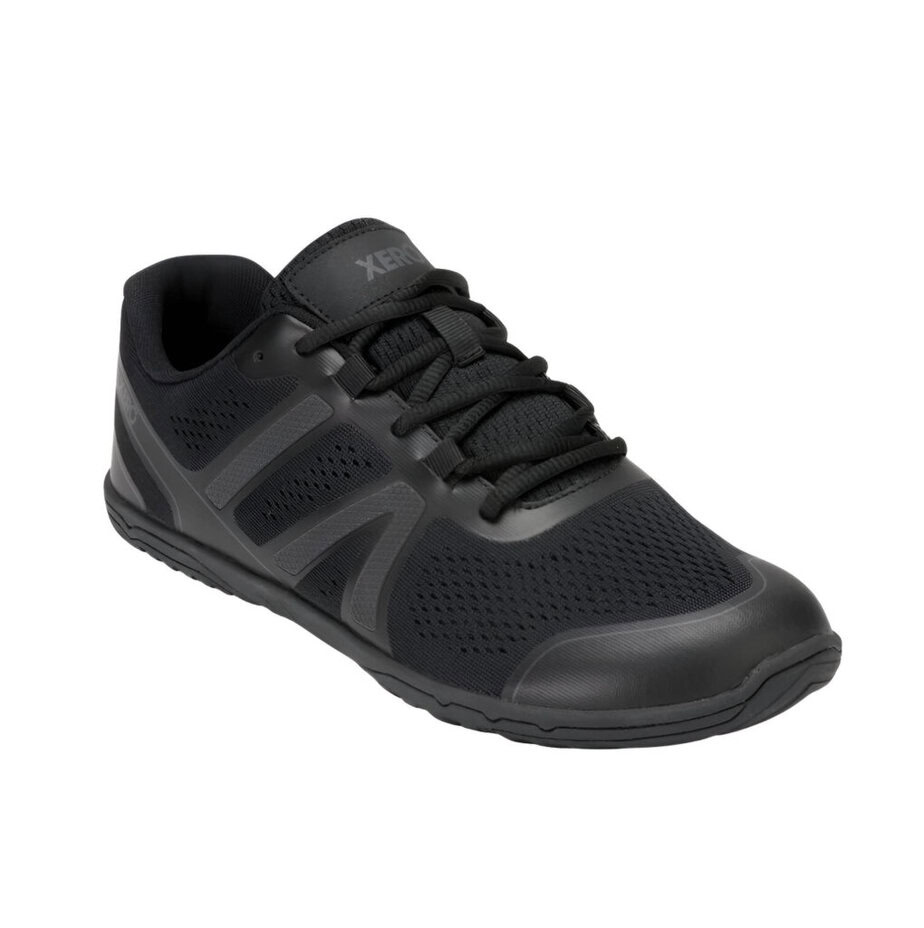
2. Xero Shoes HFS II – Best True Barefoot Experience ⭐⭐⭐⭐⭐
If you want to feel everything beneath your feet, the Xero HFS II delivers the closest experience to actual barefoot running while still protecting your feet from glass and debris. It has a 9mm stack height, making it a more minimalist shoe that our #1 pick.
What we like:
- Ultra-thin 9mm sole: provides exceptional ground feel if that is what you want
- FeelTrue rubber outsole: is surprisingly durable despite thin material
- Featherlight at 6.8 oz – you barely notice you’re wearing shoes
- Wide toe box accommodates natural foot spread
- Flexible sole allows full range of foot motion
- Incredible value at $100 for this level of quality
What Could Be Better:
- Zero cushioning means every pebble, crack, and root is felt, not for everyone
- Requires strong feet and proper form or injuries likely if transitioning too fast
- Limited miles per session recommended (start with 1-2 miles max)
- Not suitable for marathon distance until you’re fully adapted (6+ months)
- Minimal arch support may not work for flat feet
Best For:
- Experienced minimalist runners; those strengthening feet for injury prevention; short training runs and speed work where ground feel matters who are committed to barefoot running.

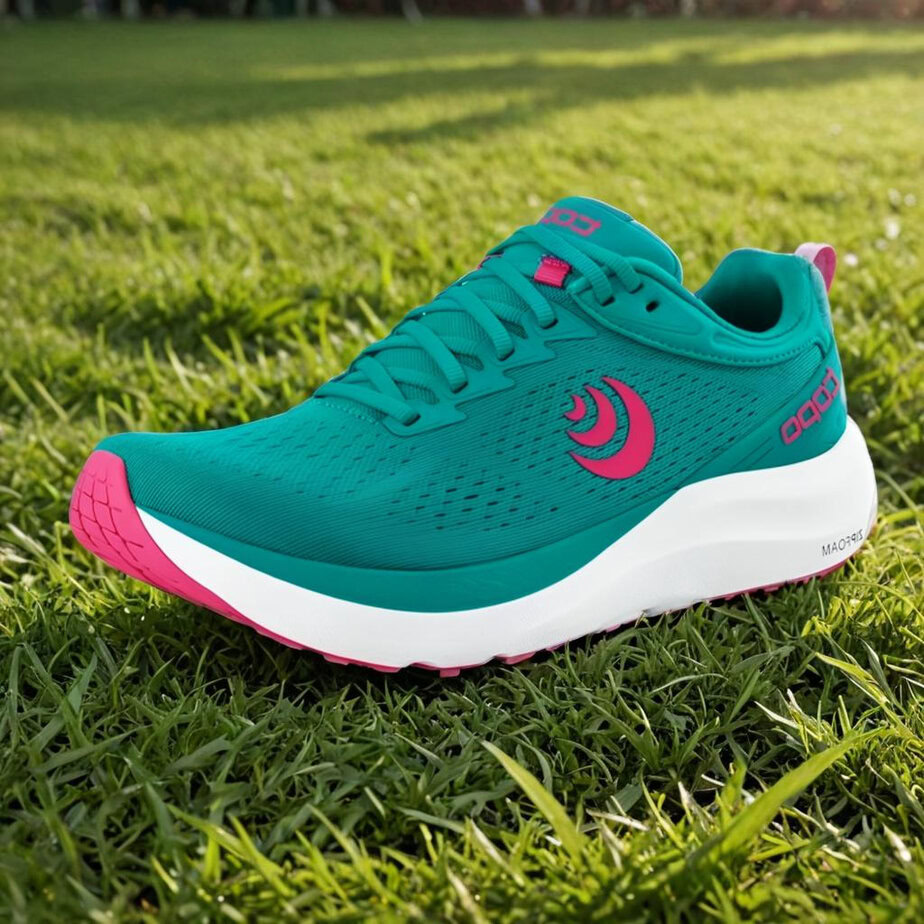
3. Topo Athletic Phantom 3 – Best for Minimalist Beginners ⭐⭐⭐⭐½
If you’re curious about trying minimalist shoes but not quite ready to go full zero-drop, the Topo Phantom 3 is a great place to start. It’s got a small 5mm drop and plenty of cushioning (30mm), so you still get the natural feel but with more cushioning.
What we like:
- 5mm drop is low enough to promote midfoot strike but not jarring for heel strikers
- 30mm ZipFoam midsole offers excellent cushioning for marathon training
- Roomy toe box allows natural toe spread (Topo’s signature feature)
- Smooth transition – most runners adapt immediately with no discomfort
- Versatile performer- works for easy runs, long runs, and moderate tempo work
- Stable ride despite generous cushioning
What Could Be Better:
- Not truly “minimalist” by purist standards—more of a “natural running” shoe
- Heavier than true minimalist options at 8.2 oz
- Premium price at $150
- Upper durability issues reported after 250+ miles
Best For:
- Runners transitioning from traditional 10-12mm drop shoes, those wanting minimalist benefits without barefoot extremes, marathon training on varied surfaces.
Complete Buying Guide:

How to Choose Minimalist Shoes
Understanding Minimalist Running Categories
Your feet, ankles, calves, and Achilles have probably spent years getting used to cushy, supportive shoes. Switching to minimalist running asks a lot more from them, so you’ve got to ease into it. Give yourself at least 3–6 months to adapt—trying to rush it is a fast track to getting injured.
Zero-Drop (0mm)
- Heel and forefoot at same height
- Most “barefoot” of all shoes
- Encourages natural biomechanics
- Examples: Altra Escalante, Xero HFS
Low-Drop (4-6mm)
- Slight elevation from heel to toe
- Easier transition from traditional shoes
- Still promotes midfoot striking
- Examples: Topo Phantom (5mm)
Stack Height Matters
- Under 10mm: True barefoot feel, maximum ground feedback
- 10-20mm:Balanced minimalism with some protection
- 20-30mm: Cushioned zero-drop (not a true barefoot feel)
Key Features to Prioritize
- Toe Box Width – Should be wide to allow maximum splay. Avoid narrow toe boxes as this defeats minimalist shoes purpose.
- Flexibility – Your shoe should bend naturally with your foot. Test if you can fold the shoe in half easily? Rigid shoes restrict natural foot motion
- Ground Feel vs. Protection – Maximum feel (under 10mm): Xero, Vivobarefoot, Vapor Glove – Balanced (10-15mm):Trail Glove, Minimus – Protected (20mm+) Escalante, Rivera
Common Mistakes to Avoid.
- ❌ Buying and immediately running your normal mileage. This can lead to injury.
- ❌ Choosing the thinnest shoe possible. Start with more cushioning, progress down.
- ❌ Forcing heel strikes in zero-drop. Zero-drop designed for midfoot/forefoot so you will need to adjust your form.
- ❌ Expecting instant performance improvement. Short term: you may be slower and sore need to wait 6+ months for improvement.
- ❌ Ignoring pain signals. Soreness = normal but Sharp pain = injury developing

Are minimalist running shoes better for you?
Not universally “better”—they’re different. Minimalist shoes can strengthen feet and improve biomechanics *if* you transition properly. Rushed transitions cause more injuries than they prevent. Benefits appear after 6+ months of gradual adaptation.
Can I run a marathon in minimalist shoes?
Yes, but only after 6-12 months of adaptation. Start with 5Ks, build to 10Ks and half marathons first. Cushioned zero-drop options (Altra Escalante, Topo Phantom) are most suitable for marathon distance initially.
What’s the difference between zero-drop and minimalist?
**Zero-drop** = heel and forefoot at same height (can have thick cushioning) **Minimalist** = thin sole, flexible, lightweight (can have small drop) **Barefoot** = both zero-drop AND minimal stack (<10mm) Example: Altra Escalante is zero-drop but not barefoot (25mm stack). Vapor Glove is both (0mm drop, 6mm stack).
Will minimalist shoes make me faster?
Unlikely in short term—you’ll slow down during adaptation. Long term (6+ months), improved biomechanics and foot strength *may* improve efficiency. Not a magic speed solution.
Can I alternate between traditional and minimalist shoes?
Absolutely—many runners maintain 50/50 split permanently. Use traditional shoes for long runs/races, minimalist for easy runs and speed work. This balanced approach may be optimal for many.