Best Trail Running Gaiters in 2026
Trail running gaiters are simple pieces of gear, but they solve a real problem. They help keep rocks, sand, snow, leaves, and trail grit from getting into your shoes. That means fewer stops, fewer hot spots, and less time digging a pebble out of your sock halfway through a run.
The mistake is thinking gaiters will keep your feet dry in every condition. Most trail running gaiters are not waterproof. They can shed light splashes and keep debris out, but rain, stream crossings, and wet grass can still soak your socks. Choose gaiters for debris first, then think about weather.

Quick Answer: Best Trail Running Gaiter for Most Runners
Kahtoola INSTAgaiter Mid
The Kahtoola INSTAgaiter Mid is the best overall pick because it gives better coverage than low gaiters without feeling like a heavy hiking gaiter. The side zipper is easy to use, the DuraLink instep strap is replaceable, and the mid height makes sense for most trail runs.
Best for mixed trails, long runs, rocky paths, and runners who want one dependable gaiter.
Check Price on AmazonBest Trail Running Gaiters Compared
| Gaiter | Best For | Height | Attachment | Listed Weight | Buy |
|---|---|---|---|---|---|
Kahtoola INSTAgaiter Mid Top Pick | Most trail runs and mixed terrain | 7.5 in | Side zipper, DuraLink strap | 2.1 to 2.7 oz pair | Check Price |
Dirty Girl Gaiters  | Budget ultralight trail running | Low | Lace hook, rear hook-and-loop | Under 2 oz pair | Check Price |
Altra Trail Gaiter 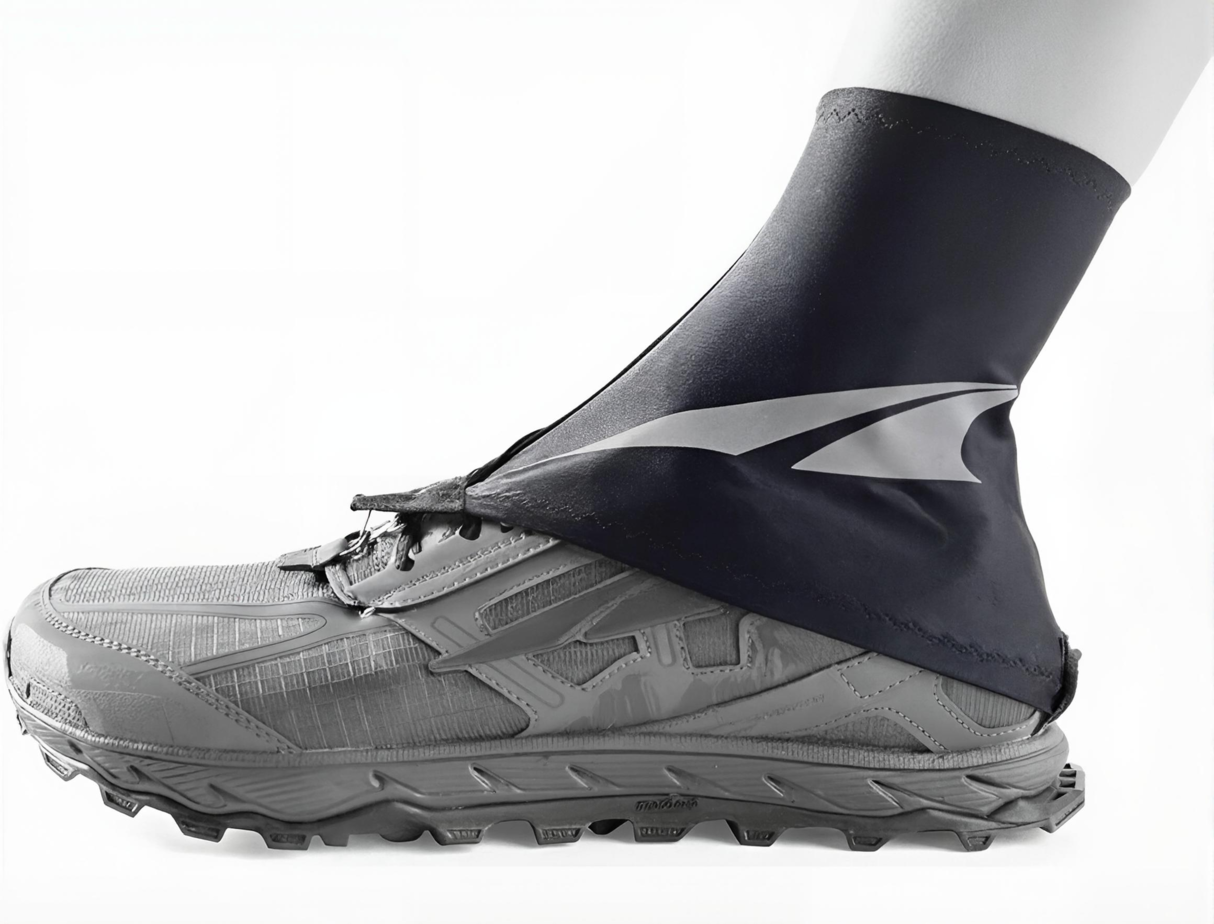 | Altra shoes and minimalist coverage | Over ankle | Strapless, hook-and-loop | 1.3 oz | Check Price |
Salomon Trail Gaiters Low  | Simple low gaiter for rocky or dusty trails | Low | Velcro closure, underfoot strap | 121 g listed | Check Price |
Montbell Short Gaiters 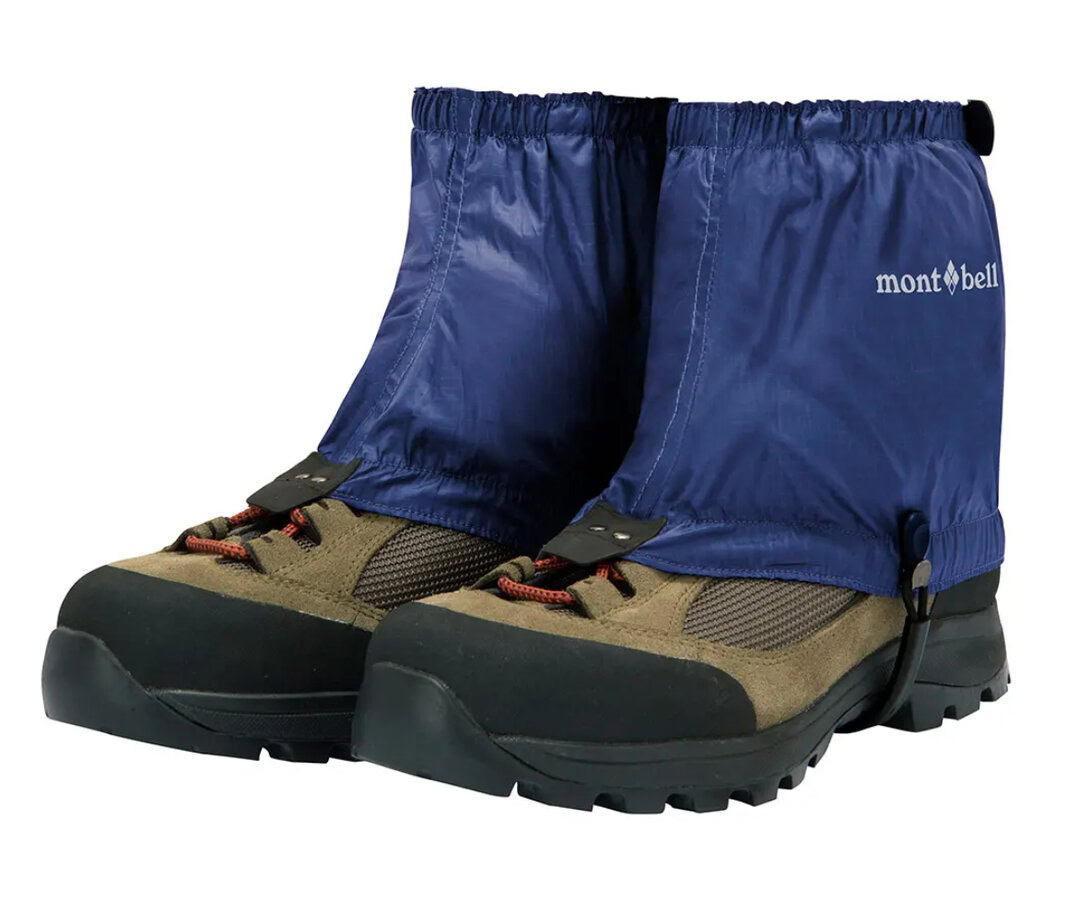 | Cold rain, slush, snow, winter trail use | Short | Zipper, underfoot strap | 3.1 oz / 88 g | Check Price |
Quick Picks: Best Trail Running Gaiters
- Best overall: Kahtoola INSTAgaiter Mid
- Best budget ultralight: Dirty Girl Gaiters
- Best for Altra shoes: Altra Trail Gaiter
- Best simple low gaiter: Salomon Trail Gaiters Low
- Best for wet winter trails: Montbell Short Gaiters
Which Trail Running Gaiter Should You Buy?
If you want one gaiter for most trail runs, start with the Kahtoola INSTAgaiter Mid. It gives more coverage than a very low gaiter, but it is still light enough for running.
If you want the simplest low cost option, choose Dirty Girl Gaiters. If you run in Altra trail shoes, the Altra Trail Gaiter is the cleanest match. If you want a tougher low gaiter with a wraparound feel, look at the Salomon Trail Gaiters Low. For snow, cold rain, and winter slush, the Montbell Short Gaiters make more sense than a thin summer trail gaiter.
What Trail Running Gaiters Actually Do
Trail running gaiters are mainly for debris. They help block the gap between your shoe and sock so small rocks, sand, dirt, pine needles, and snow do not drop into your shoe.
They keep debris out
This is the main reason to wear them. If you stop often to shake rocks out of your shoes, gaiters are worth trying.
They help in light moisture
Most trail gaiters can shed splashes, dust, wet grass, and light snow. They are not a full waterproof system.
They reduce trail irritation
A gaiter can keep grit away from your ankle and sock cuff, which may help reduce rubbing on dusty or sandy routes.
They do not replace good shoes
If your trail shoe is unstable or your socks are causing blisters, gaiters will not fix the whole problem.
If you are still choosing shoes, start with the best trail running shoes guide or use the Running Shoe Finder before buying gaiters.
Will trail running gaiters keep your feet dry?
Usually, no. Most running gaiters are water resistant at best. They can help with splashes, dust, and light moisture, but water can still run down your legs, enter from the top, soak your socks, or come through the shoe itself.
For summer trail running, that is not always a bad thing. Breathable gaiters that drain and dry quickly can be more comfortable than heavier waterproof gaiters. Save waterproof or Gore-Tex style gaiters for cold rain, snow, and winter routes where warmth and weather blocking matter more.
How to Choose Trail Running Gaiters
1. Match the gaiter to your terrain
For gravel, dry dirt, crushed limestone, and sandy paths, a low gaiter is usually enough. For rocky trails, brush, mud, and longer runs, a mid height gaiter gives a better seal and more ankle coverage.
2. Check how it attaches
Some gaiters use a zipper and underfoot strap. Some use hook-and-loop at the heel. Some work best with shoes that already have a gaiter attachment point. This matters more than most people think because a gaiter that slides around will annoy you for the whole run.
3. Make sure it works with your shoes
Altra gaiters are cleanest with Altra trail shoes. Dirty Girl Gaiters need rear hook-and-loop attached to the shoe. Kahtoola and Salomon are easier to use with many trail shoes because they use straps and closures that wrap around the shoe.
4. Choose breathability for warm weather
In summer, thin and breathable usually beats waterproof. Your feet will still sweat, and trapped moisture can make blisters worse. Pair gaiters with good running socks before blaming the shoe.
5. Think about winter separately
Winter trail running is different. If you are running through snow, slush, or freezing rain, a waterproof short gaiter like the Montbell can make more sense than a thin debris gaiter.
The Best Trail Running Gaiters in 2026
Kahtoola INSTAgaiter Mid
The Kahtoola INSTAgaiter Mid is the easiest top pick because it balances coverage, comfort, and shoe compatibility. It is taller than a low minimalist gaiter, so it does a better job blocking debris on rocky or brushy trails, but it still feels built for running.
The side zipper makes it easier to put on and take off than stretch-only gaiters. The DuraLink instep strap is also replaceable, which matters because underfoot straps are usually the first part of a gaiter to wear on rocks.
What Works
- Best balance of coverage and running weight
- Mid height is useful for rocks, grit, brush, and light snow
- Side zipper is easier than pull-on gaiters
- Replaceable DuraLink strap is a practical durability feature
Watch Out For
- Costs more than basic stretch gaiters
- Still not a waterproof running solution
- Needs proper sizing to avoid slipping
- Zipper should be cleaned if you run dusty or muddy trails
Dirty Girl Gaiters
Dirty Girl Gaiters are simple, light, and affordable. They do not feel premium, but that is part of the appeal. They are a stretchy fabric gaiter that hooks at the front laces and sticks to the back of your shoe with hook-and-loop.
This is the best option if you want to keep trail grit out without adding much weight or spending much. The tradeoff is setup. You need to attach the rear hook-and-loop to your shoes, and that may bother runners who like switching between several pairs.
What Works
- Very light and simple
- Low price compared with most running gaiters
- Good for dry, dusty, sandy, or gravelly trails
- No underfoot strap to wear out on rocks
Watch Out For
- Requires hook-and-loop on the back of your shoes
- Less protective than mid height gaiters
- Not built for wet winter routes
- Best if you usually wear the same trail shoes
Altra Trail Gaiter
The Altra Trail Gaiter is the cleanest pick if you already run in Altra trail shoes. It works with Altra’s gaiter attachment system and gives you light debris protection without an underfoot strap.
It can work with other shoes using the included hook-and-loop piece, but it is most natural on Altra shoes. If you run in the Altra Lone Peak or another Altra trail shoe, this is the gaiter I would check first.
What Works
- Very light
- Great match for Altra trail shoes
- No underfoot strap to rub or wear out
- Simple option for dry trail runs
Watch Out For
- Best with Altra shoes, less universal than Kahtoola
- Lower coverage than the Kahtoola Mid
- Not for heavy rain or stream crossings
- Hook-and-loop setup matters on non-Altra shoes
Salomon Trail Gaiters Low
The Salomon Trail Gaiters Low are a practical low gaiter if you want more structure than a stretch sleeve but do not want a mid height gaiter. They wrap around the shoe, close with Velcro, and use an underfoot strap.
I would choose these for mixed trail runs where rocks and grit are the main problem. They are not the lightest option here, but the wraparound style can feel more secure than simple stretch gaiters.
What Works
- Easy to put on and remove
- Works across many trail shoes
- Low height is good for warm weather running
- Good choice for debris on rocky or dusty trails
Watch Out For
- Heavier than stretch-only gaiters
- Underfoot strap can wear on rough rock
- Lower height means less coverage in brush or snow
- Velcro can collect dirt over time
Montbell Short Gaiters
The Montbell Short Gaiters are the pick for runners who need more weather protection than a thin trail running gaiter can give. They are heavier and less breathable than the Dirty Girl or Altra options, but that tradeoff makes sense in cold rain, snow, and slush.
I would not wear these for dry summer trails. They are more of a winter and shoulder season tool. If your goal is only to keep pebbles out, choose one of the lighter running gaiters instead.
What Works
- Better choice for cold wet trails than thin running gaiters
- Short height keeps them more compact than tall hiking gaiters
- Zipper makes them easier to put on and remove
- Useful for snow, slush, and winter trail conditions
Watch Out For
- Overkill for dry summer trail running
- Warmer and less breathable than ultralight gaiters
- Heavier than most running gaiters
- Not as minimal as Dirty Girl or Altra
Gaiters work better when the shoe fits the trail.
A gaiter can keep debris out, but it will not fix a shoe that slips, feels unstable, or lacks grip. Compare trail shoes before you buy the full setup.
Compare Trail Running ShoesFor road, trail, comfort, stability, and wide toe box options.
What Height Trail Gaiter Should You Get?
Low gaiters
Best for warm weather, gravel, dry dirt, speed work, and runners who only need basic debris protection. Dirty Girl, Altra, and Salomon fit here.
Mid gaiters
Best for mixed terrain, rocky trails, longer runs, light brush, and runners who want a better seal. Kahtoola INSTAgaiter Mid is the best example here.
Short winter gaiters
Best for cold rain, slush, light snow, and winter trail days. Montbell Short Gaiters make more sense here than thin summer gaiters.
Tall hiking gaiters
Best for deep snow, backpacking, and rough brush. Most runners do not need them for normal trail running because they are warmer and heavier.
Trail Gaiter Buying Tips
Check your shoe heel first
Some gaiters need a rear hook-and-loop patch. Some trail shoes already have one. If your shoe does not, you may need to attach one yourself.
Look at the underfoot strap
Underfoot straps can be secure, but they take a beating on rocks. If you run mostly rocky trails, a replaceable strap is a nice feature.
Do not size by shoe size alone
Gaiters wrap around your shoe and ankle, so shoe volume matters. A bulky trail shoe may need a different size than a slimmer shoe in the same shoe size.
Test before race day
Gaiters can rub at the ankle, slide down, or loosen if the fit is wrong. Test them on short runs before using them for a race, ultra, or long trail day.
Pair them with the right socks
If grit is getting into your shoe and causing blisters, gaiters can help. But socks still matter. Start with the best running socks if rubbing is already a problem.
What Else Helps on Trail Runs?
Gaiters are useful, but they are only one part of the trail setup. For longer runs, look at a hydration pack for running. For early morning or winter routes, compare the best headlamps for running. If you roll your ankles on uneven trails, this guide to the best ankle brace for running may help.
If you are building a full trail kit, start with the shoes first, then socks, then gaiters. That order usually saves money because gaiters work best when the shoe already fits and grips well.
Trail Running Gaiter FAQ
Are trail running gaiters waterproof?
Most are not waterproof. They help keep dirt, rocks, sand, leaves, and light moisture away from the top of your shoe, but heavy rain and stream crossings can still soak your socks. For cold wet conditions, choose a more weather protective gaiter.
What are the best trail running gaiters for most runners?
The Kahtoola INSTAgaiter Mid is the best overall pick for most runners because it gives more coverage than a low gaiter while staying light enough for running.
Do gaiters work with any running shoes?
Not always. Some gaiters work with most shoes, while others need a rear hook-and-loop patch or a shoe-specific attachment point. Check the attachment system before buying.
Are Dirty Girl Gaiters good for running?
Yes, especially for dry trails, gravel, sand, and runners who want an ultralight budget gaiter. They are not the best choice for cold wet trails or runners who do not want to attach hook-and-loop to their shoes.
Should I get low or mid trail gaiters?
Choose low gaiters for warm, dry, and faster runs. Choose mid gaiters for mixed terrain, longer runs, rocky trails, or light brush where you want more coverage.
Do trail gaiters help prevent blisters?
They can help if grit and sand are causing rubbing inside your shoe. They will not fix blisters caused by poor shoe fit, wet socks, or the wrong sock fabric.
Can I wear gaiters for road running?
You can, but most road runners do not need them. They make more sense on gravel, dusty paths, sandy routes, snowy sidewalks, and trails with loose debris.