How Long Is an Ultra Marathon? Every Distance Explained

How Long Is an Ultra Marathon?

An ultra marathon is any running race longer than a marathon. Since a marathon is 26.2 miles, or 42.195 kilometres, an ultra marathon starts the moment a race goes beyond that distance.

That is the simple answer. The more useful answer is this: most ultra marathons are not just a little longer than a marathon. The common ultra marathon distances are 50K, 50 miles, 100K, and 100 miles. Some races go past 200 miles, and timed events ask runners to cover as much ground as they can in 6, 12, 24, or 48 hours.

If you are new to ultra running, do not worry about the biggest races yet. Most runners start with a 50K. It is 31.07 miles, which makes it long enough to count as an ultra, but still close enough to marathon training that the jump feels possible.

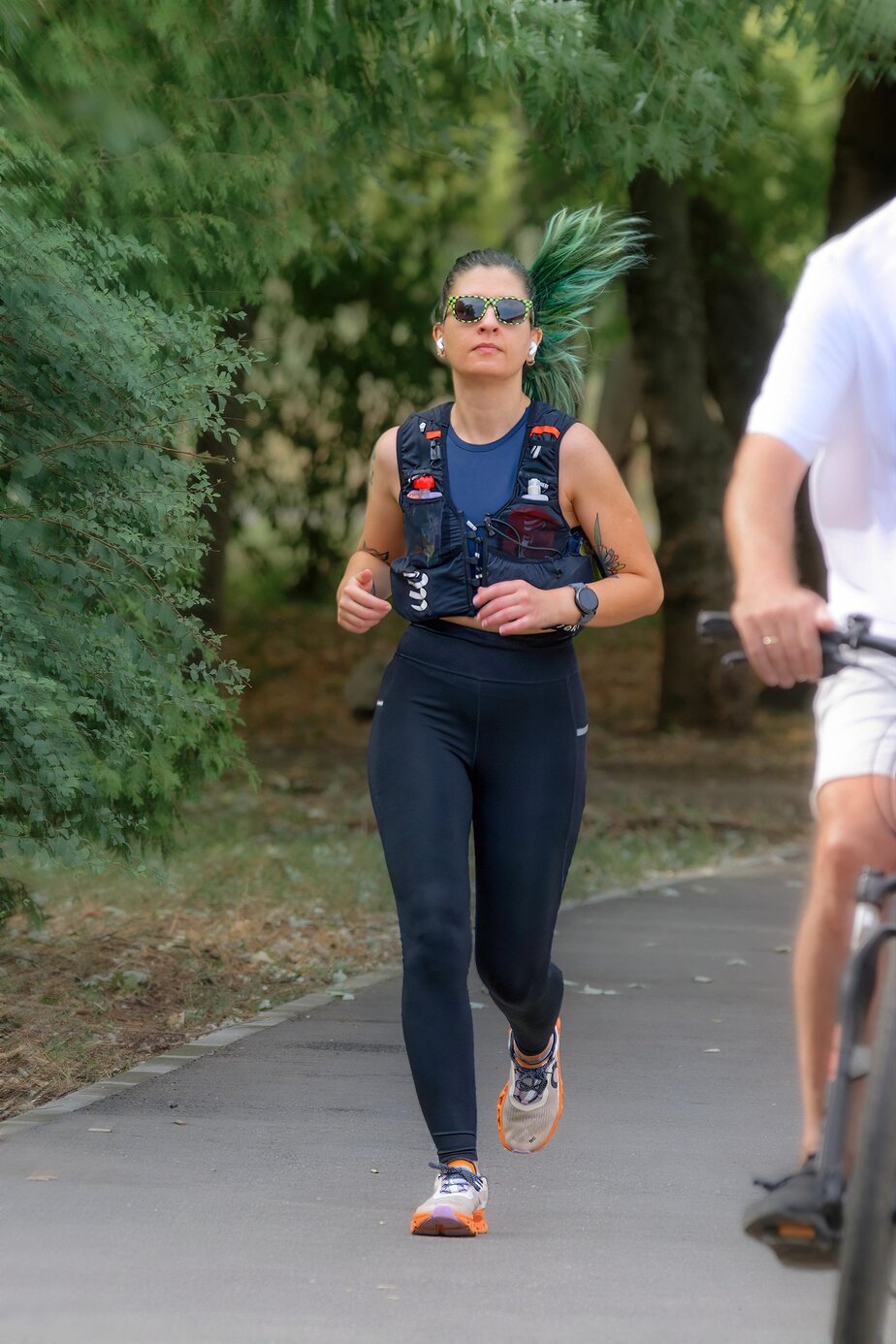
Runner on a trail during a long distance ultra marathon training run
Quick Answer
  • Ultra marathon distance: anything longer than 26.2 miles, or 42.195 kilometres.
  • Shortest common ultra: 50K, which is 31.07 miles.
  • Most common distances: 50K, 50 miles, 100K, and 100 miles.
  • Common formats: trail races, road races, timed events, backyard ultras, stage races, and multi day races.
  • Best first ultra: usually a 50K with friendly cutoff times, good aid stations, and moderate terrain.
Fast comparison

Ultra Marathon Distance Chart

This chart gives you the quick answer first. Finish times vary a lot because a flat road 50K and a mountain trail 50K are not the same race, even though the distance is the same.

Race distanceMilesKilometresWhat it usually feels like
Marathon26.242.195Not an ultra. This is the standard distance an ultra has to exceed.
50K31.0750The most common first ultra. Long, but still close to marathon training.
50 miles5080.47A much bigger step. Nutrition, pacing, and walking matter a lot more.
100K62.14100A full day on your feet for many runners, especially on trails.
100 miles100160.93The classic long ultra. Most runners are out there for a day or longer.
200 miles and beyond200+322+More like an expedition than a normal race. Sleep, gear, and logistics become part of the challenge.
Simple way to remember it: 50K is the first common ultra distance. Anything longer than a marathon counts, but when runners talk about a first ultra, they usually mean a 50K.
Distance by distance

Ultra Marathon Distances Explained

50K

50K, or 31.07 miles

A 50K is the usual entry point into ultra running. It is only about 5 miles longer than a marathon, but it does feel different. You are on your feet longer, you need to eat earlier, and if the race is on trails, the terrain can add a lot of time.

If you have already trained for a marathon, a 50K is a realistic next step. You may not need a huge jump in mileage, but you do need to practise slower pacing, eating during long runs, and staying patient when the race gets rough.

Typical finish: 5 to 9 hours on trails
50 mi

50 miles, or 80.47 kilometres

A 50 miler is where ultra running starts to feel very different from marathon running. You are not just adding a few miles. You are running through multiple meals, managing fatigue for most of the day, and using aid stations as part of your race plan.

Most runners need a more careful build for this distance. Back to back long runs, hiking practice, and nutrition testing become more important. A 50 mile race can be a good second ultra after you have finished a 50K and know how your body handles long trail efforts.

Typical finish: 9 to 14 hours
100K

100K, or 62.14 miles

A 100K is a long day for most runners. You may start in daylight and finish in the dark. You may deal with heat, cold, stomach issues, tired legs, and low points that come and go.

This distance rewards steady pacing more than speed. Runners who go out too fast often spend the second half walking because they are out of fuel or their legs are gone. The better goal is to stay boring early, eat on schedule, and keep moving.

Typical finish: 12 to 20 hours
100 mi

100 miles, or 160.93 kilometres

The 100 mile ultra is the distance most people think of when they picture the extreme side of the sport. It usually means running through the night, walking long sections, dealing with swollen feet, and solving problems when you are tired.

A 100 miler is not just a longer 50K. It is a different project. You need to test shoes, socks, lights, food, layers, and pacing before race day. Many runners use crew or pacers, depending on the race rules.

Typical finish: 24 to 36 hours
200+

200 miles and longer

Races over 200 miles are closer to a moving expedition than a standard race. You may be out for several days. Sleep becomes part of the strategy. Gear choices, foot care, calories, weather, and navigation can matter as much as running fitness.

These races are not where most runners start. They usually come after years of building experience through 50K, 50 mile, 100K, and 100 mile events.

Typical finish: several days
Not every ultra has a finish line distance

Other Ultra Marathon Formats

Not all ultras are simple point to point races with one fixed distance. Some use time, loops, stages, or repeated starts. These formats are part of why the question “how long is an ultra marathon?” does not have one clean answer.

Timed

Timed events

In a timed ultra, the race lasts for a set number of hours. Common formats include 6 hours, 12 hours, 24 hours, and 48 hours. The winner is the runner who covers the most distance before time runs out.

These races are often held on tracks or short loops, which makes aid simple. They can be beginner friendly because you are never too far from your gear, but they are still mentally hard because the loop can feel endless.

BYU

Backyard ultras

A backyard ultra uses a 4.167 mile loop. Runners start a new loop every hour, on the hour. If you finish early, you rest. If you miss the next start, your race is over.

The format is simple, but it gets hard quickly. After 24 loops, a runner has covered 100 miles. The race keeps going until only one runner completes a final loop.

Stage

Stage races

A stage race breaks the total distance into daily sections. You might run 30 to 50K per day for several days, then rest overnight before starting again.

These races are often held in deserts, mountains, or remote places. They are less about one long push and more about recovering well enough to run again the next day.

Multi

Fixed distance multi day races

Some races give runners an enormous distance and a set number of days to finish it. The Sri Chinmoy Self Transcendence 3100 Mile Race is the extreme example. It is 3,100 miles around a loop in Queens, New York.

Most runners will never race that far, but it shows how wide the ultra world is. The sport stretches from a very runnable 50K to races that last for weeks.

What to actually expect

How Long Does It Take to Run an Ultra Marathon?

Ultra marathon finish times are hard to compare because the course matters so much. A flat road 50K can be fast. A muddy mountain 50K can take all day. A 100 mile race with smooth trails can feel very different from a 100 mile race with altitude, heat, snow, or technical descents.

DistanceCommon recreational finish rangeWhy it varies
50K5 to 9 hoursTrail difficulty, elevation, heat, mud, and aid station time.
50 miles9 to 14 hoursNutrition, climbing, walking strategy, and late race fatigue.
100K12 to 20 hoursNight running, weather changes, stomach issues, and pacing errors.
100 miles24 to 36 hoursSleep loss, foot care, gear, crew support, and the course cutoff.
200 miles and beyondSeveral daysSleep, logistics, navigation, injury management, and weather.
Do not judge an ultra by distance alone. Elevation gain, terrain, altitude, heat, technical trails, and cutoff times can make a shorter race harder than a longer one. Always read the race guide before you sign up.

The biggest pacing mistake is starting like you are running a marathon. In an ultra, the goal is usually to keep effort calm early, eat before you feel empty, and save your legs for the second half. Many experienced runners walk climbs from the start because it keeps their heart rate under control.

If you are trying to plan your effort, your heart rate zones and running training zones can help, but trail terrain will still change the pace. Effort matters more than the number on your watch.

Well known race examples

Famous Ultra Marathons and Their Distances

These races show how different ultra marathons can be. Some are road races with huge fields. Some are mountain races with strict entry rules. Some are so hard that no one finishes in many years.

WS

Western States 100

Western States is one of the most famous 100 mile trail races in the world. It starts in Olympic Valley, California, and finishes in Auburn. The race is known for its history, heat, canyons, and 30 hour cutoff.

UTMB

UTMB Mont Blanc

UTMB is one of the best known trail ultras in Europe. The main race circles Mont Blanc through France, Italy, and Switzerland. The route is about 170 kilometres with roughly 10,000 metres of climbing, though the exact route can change.

COM

Comrades Marathon

Comrades is a road ultra in South Africa and one of the most famous ultra marathons in the world. The course alternates direction between Durban and Pietermaritzburg. The distance changes by year, but it is roughly 86 to 90 kilometres.

BM

The Barkley Marathons

The Barkley Marathons is known for being brutally hard. It uses five rough loops in Frozen Head State Park in Tennessee, and runners must navigate without GPS. Jasmin Paris became the first woman to finish in 2024. The 2025 and 2026 races had no official finishers.

Looking for a race instead of just the distance? See our guide to popular ultra marathons.

Yes, walking counts

Can You Walk During an Ultra Marathon?

Yes. Walking is normal in ultra marathons. It is not cheating, and it is not a sign that you failed. On hilly trail courses, walking can be the smarter choice from the start.

Many runners walk steep climbs, eat while walking through aid stations, and use short planned walk breaks to keep their effort under control. In longer races, even strong runners may walk large parts of the course. The goal is not to run every step. The goal is to keep moving well enough to finish before the cutoff.

Good times to walk

  • Steep climbs where running wastes too much energy.
  • Aid stations when you need to eat or refill bottles.
  • Technical sections where safe footing matters more than pace.
  • Early in the race if planned walk breaks keep your effort calm.

When walking becomes a warning sign

  • You started too fast and cannot run the flats early.
  • You stopped eating and now feel empty or dizzy.
  • You are spending too long standing still at aid stations.
  • Your form is breaking down because you skipped strength work or hills.

The best time to practise walking is during training, not on race day. Try power hiking hills, eating while walking, and easing back into a jog after a walk break. Those small skills matter late in an ultra.

Getting started

What Is the Best First Ultra Marathon Distance?

For most runners, the best first ultra marathon distance is 50K. It is long enough to count as an ultra, but short enough that you can train for it without changing your whole life.

A good first 50K is not the hardest race you can find. Look for a friendly course, clear markings, good aid stations, and a cutoff that gives you room to slow down. If you are coming from road marathons, a smoother trail or gravel race is usually a better first step than a steep mountain race.

Best first ultra checklist: choose a 50K, check the cutoff, read the elevation profile, look at aid station spacing, practise eating on long runs, and make sure your shoes work on the race surface.

If your race is on trails, use the Running Shoe Finder to narrow down the right shoe type. If your race may go into the dark, read our guide to the best headlamps for running. If your race will take longer than your watch battery, compare the best watches for ultra runners.

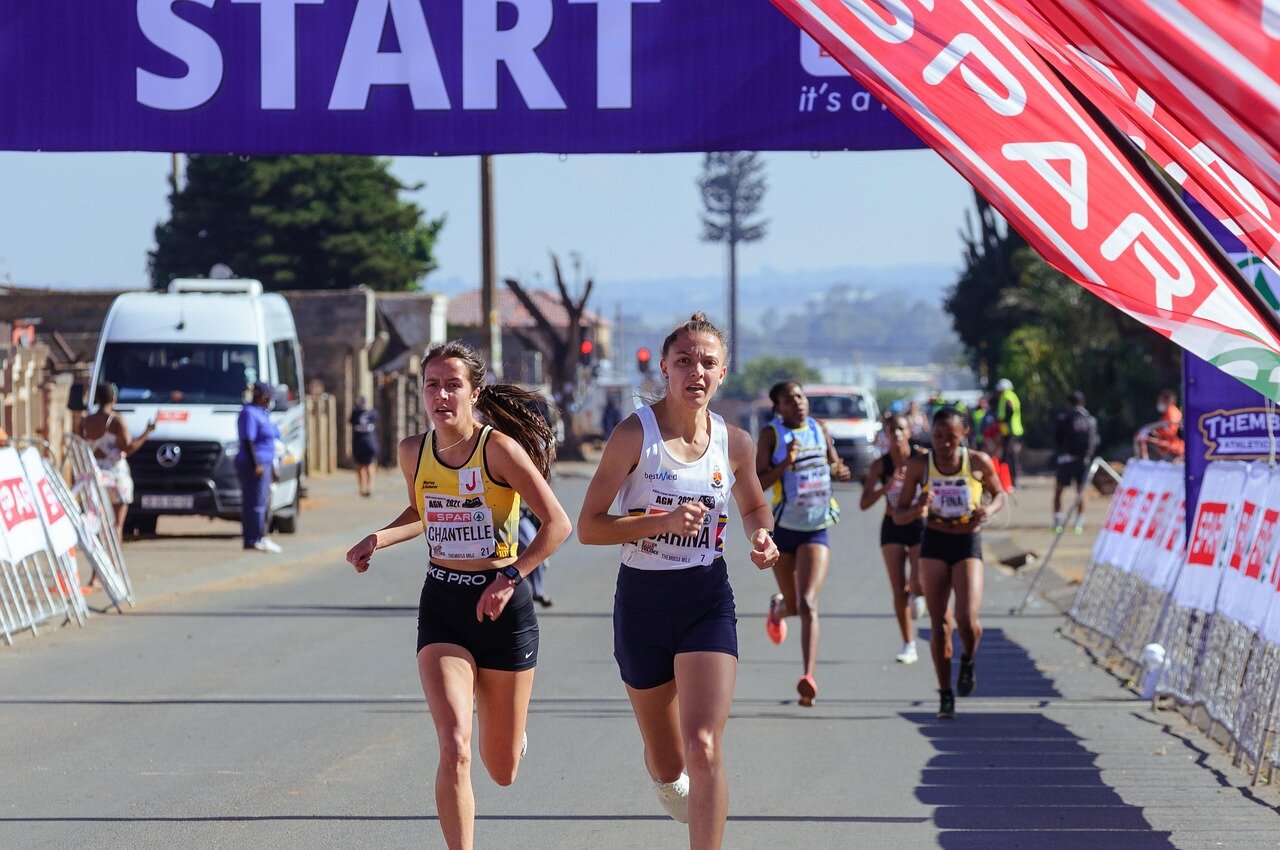
Runner finishing a long distance race

Planning your first ultra?

Start With the Ultra Running Guide

Learn how to train, pace, eat, choose gear, and avoid the biggest first ultra mistakes.

Read the Complete Ultra Running Guide
Common questions

FAQ

How long is an ultra marathon?
An ultra marathon is any running race longer than 26.2 miles, or 42.195 kilometres. There is no single set distance. Common ultra marathon distances include 50K, 50 miles, 100K, and 100 miles.
How many miles is an ultra marathon?
Technically, an ultra marathon is anything longer than 26.2 miles. In practice, the shortest common ultra distance is 50K, which is 31.07 miles.
Is a 50K an ultra marathon?
Yes. A 50K is 31.07 miles, so it is longer than a marathon and counts as an ultra marathon. It is also the most common first ultra distance.
How long does it take to run a 50K?
Many recreational runners finish a trail 50K in about 5 to 9 hours. A flat road 50K may be faster. A hilly or technical trail 50K may take longer.
How long does it take to run 100 miles?
Many recreational runners finish a 100 mile ultra marathon in about 24 to 36 hours. Course difficulty matters a lot. Mountain races, heat, altitude, and bad weather can make the same distance take much longer.
Can you walk during an ultra marathon?
Yes. Walking is normal in ultra marathons. Many runners walk steep hills, eat while walking, and use planned walk breaks. In long trail ultras, walking well is part of the skill.
What is the best first ultra marathon distance?
A 50K is usually the best first ultra marathon distance. It is long enough to count as an ultra, but close enough to marathon distance that many runners can train for it with a steady 12 to 16 week build.
What is the longest ultra marathon?
The Sri Chinmoy Self Transcendence 3100 Mile Race is widely known as the longest certified footrace. It covers 3,100 miles around a loop in Queens, New York. Most runners never need to think about a race that long. For most people, ultra running starts with a 50K.

Related guides: Complete Guide to Ultra Running · Popular Ultra Marathons · Best Watches for Ultra Runners · Best Headlamps for Running · Running Shoe Finder

Similar Posts