Best Running Shoes 2026: 7 Picks for Every Type of Runner
The best running shoe is the one that fits your foot and matches the job you need it to do. This guide narrows the choice to seven current road shoes for daily training, easy miles, faster sessions, stability and softer cushioning.
This article contains affiliate links. Running Gear Lab may earn a commission if you buy through one of them, at no extra cost to you. Prices and availability change. Check the exact model, width and size before ordering.
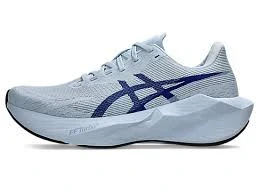
Best overall running shoe
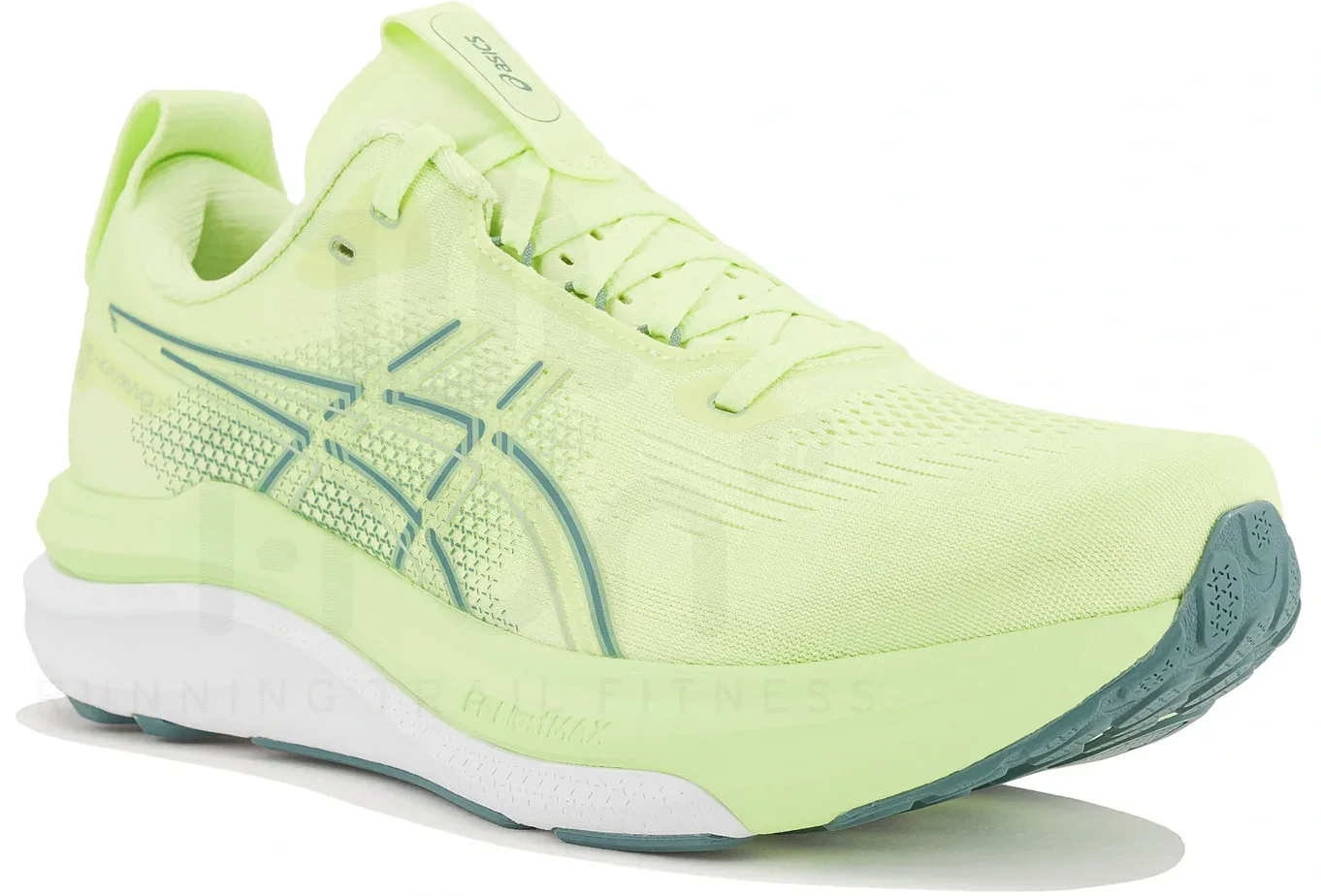
ASICS Novablast 6
The short answer: start here if you want one neutral road shoe for easy runs, steady days and longer mileage. It has plenty of cushioning but feels livelier than a traditional workhorse.
8 mm drop
8.9 oz / 253 g
Neutral
High cushion
Not sure the Novablast is right for you?
The Running Shoe Finder asks about support, cushioning, terrain, mileage and budget, then gives you a shorter list.
Quick match
Start with the kind of ride you want
Compare the seven shoes without scrolling through every full review first.
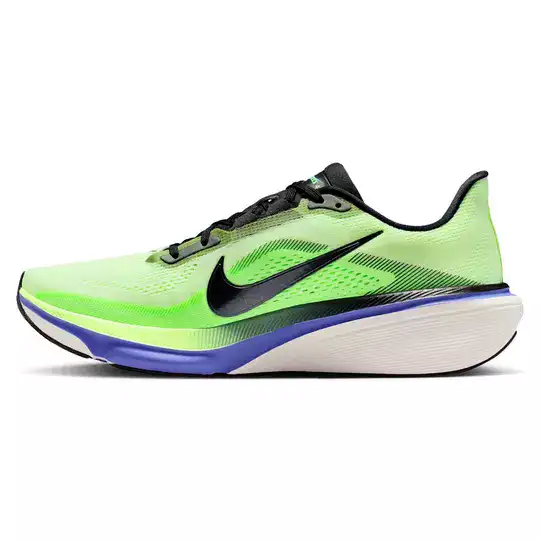
Everyday workhorse
Nike Pegasus 42
A steady, straightforward shoe for regular daily miles.
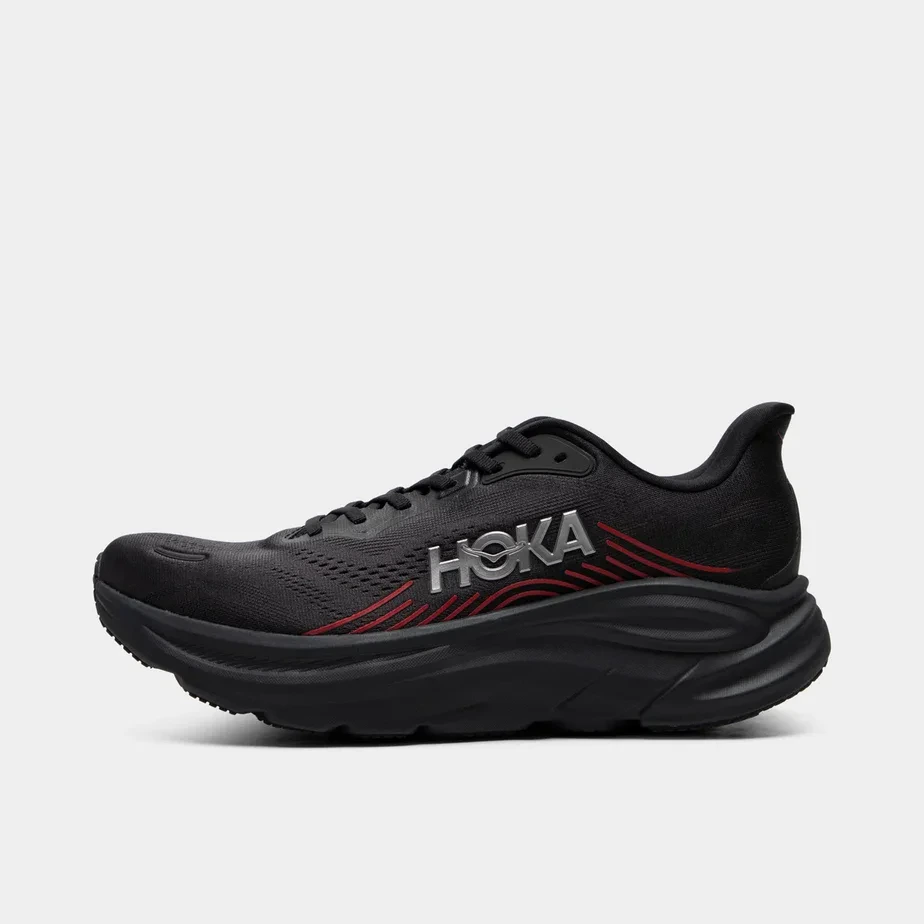
Easy-run comfort
HOKA Clifton 11
Smooth cushioning for easy runs, recovery and walking.
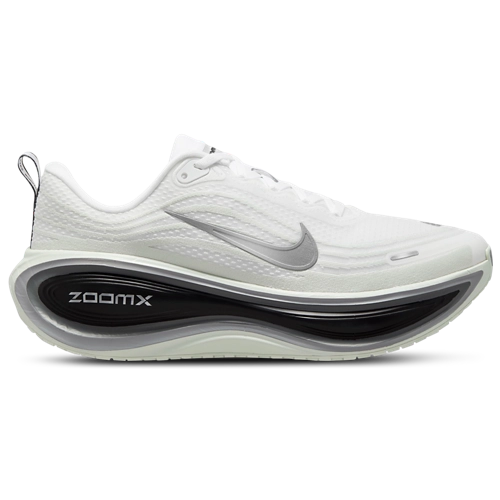
Maximum cushioning
Nike Vomero Plus
Soft ZoomX cushioning for comfortable daily and long runs.
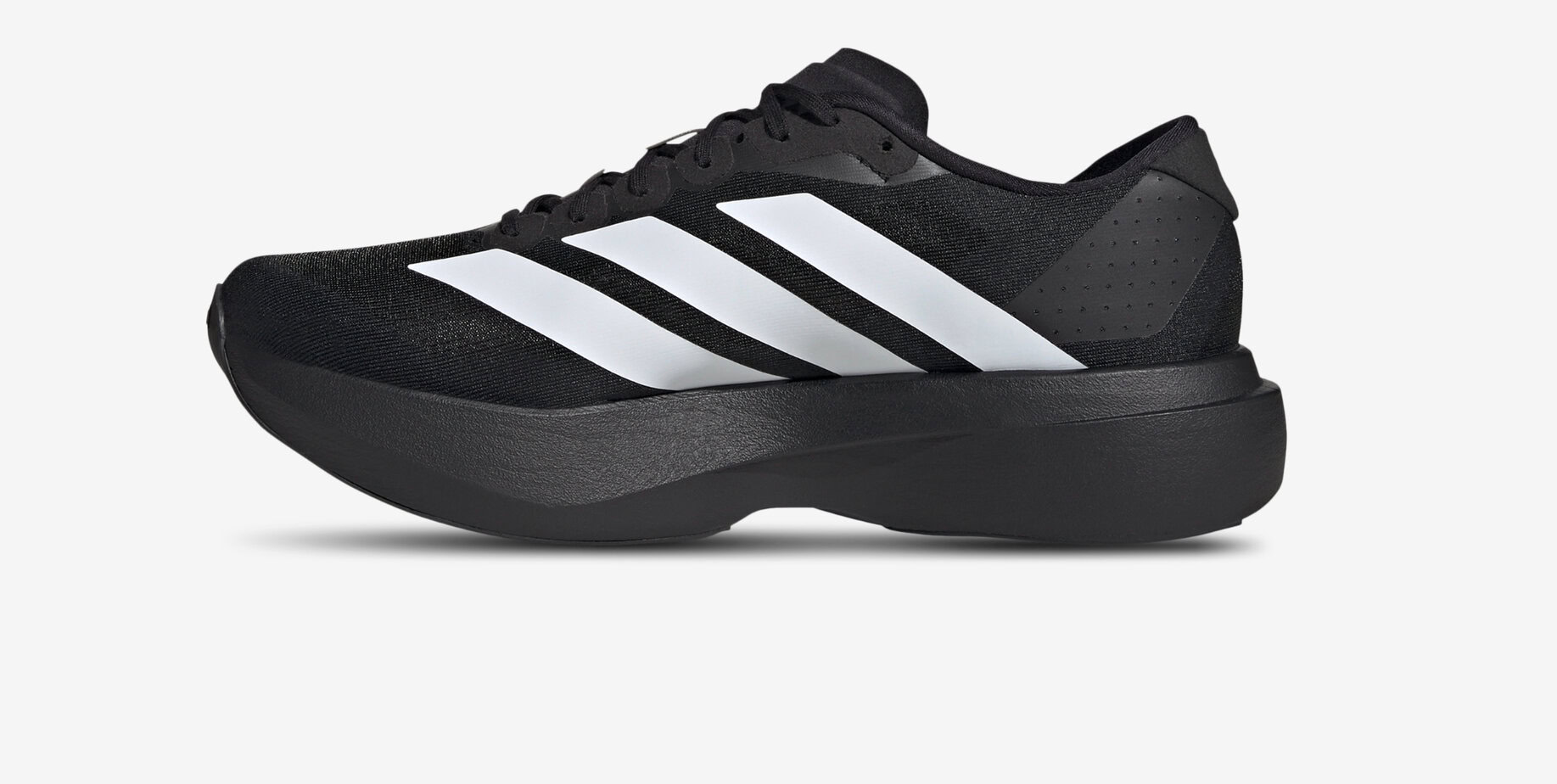
Faster training
adidas Adizero EVO SL
A lighter, quicker trainer without a carbon race plate.
Plush fit options
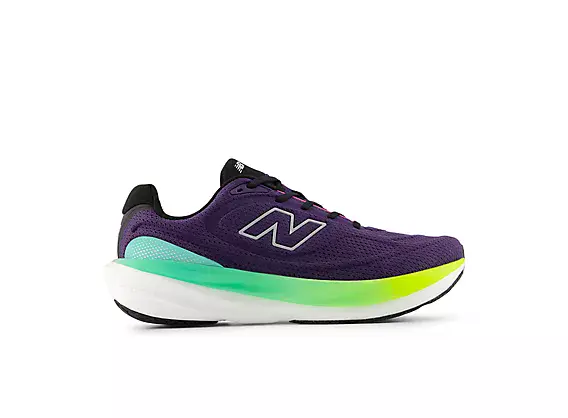
New Balance 1080v15
Soft cushioning with widths from narrow to extra wide.
Jump to:
Top 7 shoesComparisonHow we pickedHow to chooseFAQ
Updated September 2026
Top picks
The 7 best running shoes in 2026
#1 Best overall neutral daily trainer
ASICS Novablast 6
Best for: Daily runs, steady efforts and long runs
Support: Neutral
Drop: 8 mm
Weight: 8.9 oz / 253 g, men’s listed weight
Midsole: FF BLAST MAX with FF TURBO SQUARED forefoot pod
Ride: Cushioned and lively
Buy it if: you want one cushioned neutral shoe that can handle most of your road training.
If a friend asked me to choose one neutral shoe from this list without knowing much about their preferences, I would start with the Novablast 6. It has enough cushioning for easy runs and longer mileage, but it does not feel limited to slow days. When the pace changes, it should feel livelier than a soft comfort-first trainer.
I would not recommend it to everyone. The Novablast 6 is tall and noticeably cushioned. Runners who prefer a firm, planted shoe or like feeling the ground beneath them may find it too much. The Ghost 18 or Pegasus 42 would make more sense in that case. If you are deciding between several ASICS models, the Best ASICS Running Shoes guide explains the differences.
What works
- Versatile enough for most road training
- High cushioning without a pure recovery-shoe feel
- More energy than many traditional daily trainers
- Wide version available
Watch for
- The tall geometry will not suit everyone
- It does not provide dedicated stability support
- Some runners will prefer a firmer, steadier ride
#2 Best everyday workhorse
Nike Pegasus 42
Best for: Daily mileage, beginners and one-shoe setups
Support: Neutral
Drop: 10 mm
Weight: About 10.6 oz / 300 g, men’s US 10
Midsole: ReactX with curved full-length Air Zoom
Ride: Balanced and steady
Buy it if: you want a straightforward daily shoe and do not need the softest or fastest option.
The Pegasus 42 sits in the sensible middle. Nike gave it a curved full-length Air Zoom unit and more room through the forefoot than the Pegasus 41. It is not the lightest shoe here, nor the softest. That predictable feel is exactly why many runners use the Pegasus as a dependable daily trainer.
Choose it over the Novablast if you prefer a more planted ride. Skip it if you want maximum softness or a light shoe for fast sessions.
What works
- Simple everyday trainer for many runners
- Roomier forefoot than the previous version
- Good outsole coverage
- Regular and wide versions available
Watch for
- Heavier than several newer daily trainers
- Less bounce than the Novablast or EVO SL
- Not the best match for runners who want very soft foam
#3 Best easy-run comfort
HOKA Clifton 11
Best for: Easy runs, recovery miles and walking
Support: Neutral with a broad platform
Drop: 8 mm
Midsole: Compression-moulded EVA
Ride: Smooth and comfort focused
Widths: Multiple options on selected versions
Buy it if: comfort matters more than speed for most of your runs.
The Clifton 11 is the easygoing option. Its rocker and broad base create a smooth transition without the springier feel of the Novablast. It also makes sense for runners who want one comfortable shoe for both running and walking.
Do not choose it for the ranking alone. The Clifton family was third in Strava’s report, but runners who enjoy firmer ground contact or sharp tempo work may find it too relaxed.
What works
- Smooth cushioning for easy and recovery runs
- Broad, stable-feeling neutral platform
- Useful for running and walking
- Several width choices
Watch for
- Not especially lively at faster paces
- The rocker feel is not for everyone
- Performance-focused runners may prefer the Novablast or EVO SL
#4 Best maximum cushioning
Nike Vomero Plus
Best for: Cushioned daily miles and long easy runs
Support: Neutral
Drop: 10 mm
Weight: About 10.3 oz / 292 g, men’s US 10
Midsole: Full-length ZoomX
Ride: Soft and bouncy
Buy it if: you want noticeably softer cushioning for daily and longer road runs.
The Vomero Plus is for the runner who asks for more cushioning than the Pegasus provides. The full-length ZoomX midsole is soft, but it has more rebound than many heavy recovery shoes. That makes it useful for long, comfortable road mileage.
The size of the shoe is the compromise. It is not the natural choice for track intervals, racing or anyone who dislikes a tall stack underfoot.
What works
- Soft, responsive full-length ZoomX foam
- Comfortable choice for long easy mileage
- More energy than many maximum-cushion shoes
- Wide option available
Watch for
- Bulkier than the Novablast and EVO SL
- A 10 mm drop will not suit every runner
- Too much shoe for runners who value ground feel
#5 Best faster daily trainer
adidas Adizero EVO SL
Best for: Tempo runs and quicker daily miles
Support: Neutral
Drop: Roughly 6 mm
Weight: About 224 g, listed average
Midsole: Lightstrike Pro
Plate: No carbon plate
Buy it if: you want a light, quick trainer without moving to a stiff carbon-plated racing shoe.
The EVO SL brings Lightstrike Pro foam into a lighter training shoe without the carbon rods found in adidas racing models. It feels more at home during tempo runs and quicker steady efforts than the Pegasus or Clifton.
It can work as a one-shoe setup for a neutral runner who likes a lively ride. It is less convincing if you want strong structure, maximum softness or a relaxed shoe for every easy day.
What works
- Light and responsive for its cushioning
- Feels good when the pace increases
- No rigid carbon race plate
- Strong value for a superfoam trainer
Watch for
- Tongue and heel lockdown can take adjustment
- Not a stability shoe
- Some runners will want more structure on slow days
#6 Best stability shoe
ASICS Gel-Kayano 33
Best for: Runners who prefer added guidance and cushioning
Support: Stability
Drop: 8 mm
Weight: 10.5 oz / 298 g, men’s listed weight
Guidance: FLUIDSUPPORT
Midsole: FF BLAST PLUS and FF BLAST MAX
Buy it if: you already know you feel better in a supportive daily trainer.
The Gel-Kayano 33 is the support pick. Its guidance comes from layered cushioning and geometry rather than the hard medial post found in older stability shoes. The result should feel less intrusive for runners who still want help keeping the platform controlled.
Low arches alone do not tell you which shoe to buy. If neutral shoes already feel comfortable, you may not need the Kayano. If support is your priority, compare it with the other options in our Best Stability Running Shoes guide and the separate guide to running shoes for flat feet.
What works
- Modern guidance without a hard post
- Plenty of cushioning for daily and long runs
- Wide and extra-wide versions available
- Support feels less abrupt than older designs
Watch for
- Heavier than the neutral trainers above
- Not designed as a fast workout shoe
- Extra guidance is unnecessary for many runners
#7 Best plush option with more widths
New Balance 1080v15
Best for: Everyday runs, long runs and comfort-first runners
Support: Neutral
Drop: 6 mm
Weight: About 9.2 oz / 261 g, men’s listed weight
Midsole: Infinion foam
Widths: Narrow through extra wide on selected versions
Buy it if: you want soft cushioning and more width choices than many performance trainers provide.
The 1080v15 is the fit-and-comfort option. New Balance rebuilt this version around Infinion foam and continues to offer the line in a broad range of widths. It suits runners who want a soft daily or long-run shoe without the narrower fit of some performance trainers.
We have owned an earlier 1080, not the v15. That shoe worked better for walking than running for us because the cushioning felt too soft. The v15 is a major redesign, so that experience should not be treated as a test of this model. Read the Best New Balance Running Shoes guide to compare the 1080 with the 680, 860 and other models.
What works
- Soft cushioning for daily and longer runs
- Broad range of width choices
- Lower drop than several shoes in this guide
- Comfort-focused upper and ride
Watch for
- Not as fast as the EVO SL
- Soft cushioning is highly personal
- Premium daily-trainer price
At a glance
Compare all 7 running shoes
| Shoe | Best for | Support | Drop | Ride |
|---|---|---|---|---|
| ASICS Novablast 6 | Daily and long runs | Neutral | 8 mm | Cushioned, lively |
| Nike Pegasus 42 | Workhorse daily trainer | Neutral | 10 mm | Balanced, steady |
| HOKA Clifton 11 | Easy and recovery runs | Neutral | 8 mm | Smooth, relaxed |
| Nike Vomero Plus | Maximum cushioning | Neutral | 10 mm | Soft, bouncy |
| adidas EVO SL | Faster training | Neutral | About 6 mm | Light, responsive |
| ASICS Gel-Kayano 33 | Guided daily mileage | Stability | 8 mm | Supportive, cushioned |
| New Balance 1080v15 | Soft comfort and widths | Neutral | 6 mm | Plush, smooth |
What runners logged most often on Strava
Strava’s 2025 Year in Sport report listed the Novablast, Pegasus and Clifton as the three most logged running-shoe families. That does not prove they are best for every runner. It does show that all three are widely used for everyday training.
#1 ASICS Novablast
Current pick: Novablast 6
#2 Nike Pegasus
Current pick: Pegasus 42
#3 HOKA Clifton
Current pick: Clifton 11
Source: Strava 2025 Year in Sport. The report ranks shoe families, not these exact model versions.
How we picked these shoes
This is a researched buying guide, not a claim that every shoe was personally wear-tested. We used Strava’s shoe-family data as one popularity signal, checked current specifications with each brand, and compared the job each model is built to do. A shoe made the list only if it filled a clear role without duplicating another pick.
Specifications can vary by men’s and women’s size. Retail stock also changes by country. Check the exact listing before buying, and use a retailer with a practical return policy when you cannot try the shoe first.
Still not sure which shoe fits your needs?
Answer eight questions about your feet, terrain, mileage, cushioning preference and budget. The finder narrows the options in a few minutes.
Free to use. No account or email required.
Buying guide
How to choose the right running shoe
1. Start with the job
Most runners need a daily trainer first. Novablast, Pegasus, Clifton and 1080 all fit that role in different ways. EVO SL leans faster. Vomero Plus leans softer. Gel-Kayano adds guidance. Our running shoe guides break those categories down further.
2. Pick cushioning by feel
More foam is not automatically better. Some runners enjoy a tall, soft shoe. Others feel more secure closer to the ground. If you want less shoe underfoot, compare the options in the Best Minimalist Running Shoes guide before buying a maximum-cushion model.
3. Fit beats a ranking
You want secure heel hold, space for your toes and no pressure across the top of the foot. Try shoes with the socks you run in. Feet often swell on longer runs, so a cramped toe box in the shop rarely improves after 20 kilometres.
There is no universal men’s or women’s winner, but shape and available widths can differ. Use the Best Running Shoes for Men and Best Running Shoes for Women pages for more fit-specific options.
4. Do not diagnose support needs from your arch alone
Flat feet do not automatically require stability shoes. Comfort, your history and how the shoe feels while running matter more than a wet-foot test. If recurring pain is changing how you run, speak with a qualified health professional instead of trying to solve it only by buying a different shoe.
5. Set a budget before comparing features
A higher price does not guarantee a better fit. Previous-year models can be excellent buys when the size and return policy work for you. Start with the Best Running Shoes Under $150 or the Best Cheap Running Shoes guide if value is the priority.
6. Replace shoes based on condition, not one magic number
Track distance, but also pay attention to worn outsole rubber, compressed foam, a changed fit or a shoe that suddenly feels flat. The free shoe mileage tracker helps you record use without pretending every pair expires at the same distance.
Training for a race? A comfortable daily trainer can carry many runners through a marathon. If you want a lighter race-day option, compare the Best Marathon Shoes and Best Long-Distance Running Shoes. Test any race shoe during training before wearing it for 42.2 kilometres.
Common questions
Running shoe FAQ
What is the best running shoe overall in 2026?
For a neutral runner who wants one versatile road shoe, the ASICS Novablast 6 is the best starting point in this guide. It combines high cushioning with a livelier ride than a traditional workhorse. Fit can still make another model the better choice for you.
What were the most popular running shoes on Strava?
Strava’s 2025 report placed the ASICS Novablast family first, Nike Pegasus second and HOKA Clifton third among logged running shoes. That measures use on Strava, not a controlled test or a universal ranking.
What running shoe is best for a beginner?
The Nike Pegasus 42 is a sensible starting point if you want a straightforward daily trainer. The ASICS Novablast 6 may suit you better if you prefer more cushioning and bounce. A beginner does not need a carbon-plated racing shoe.
Do flat feet require stability shoes?
No. Some runners with flat feet are comfortable in neutral shoes. A stability model such as the Gel-Kayano 33 makes more sense when you know you prefer added guidance or a professional has recommended it for your situation.
Can I use a daily trainer for a marathon?
Yes. Comfort and reliable fit matter more than owning a carbon-plated shoe, especially for a first marathon. Faster runners may prefer a lighter race shoe, but it should be tested during training first.
How long should running shoes last?
There is no exact mileage for every runner and model. Record the distance, then watch for compressed cushioning, worn rubber, loss of grip, changes in fit or discomfort that was not there before.
Do I need more than one pair of running shoes?
No. One well-fitting daily trainer is enough for many runners. Add another pair only when it has a clear purpose, such as a lighter workout shoe, a trail shoe or a race-day model.