10 Best Running Shoes 2026
Best Running Shoes 2026: The Complete Guide for Every Type of Runner
Find Your Perfect Shoe
Jump to: What’s Popular 2026| 5 Best Shoe Reviews | How to Find The Perfect Shoe | Shoe Rotation | FAQ | Bottom Line
Hey, I’ve been there. You’re standing in a running store (or scrolling online at 10 PM) looking at 50 different running shoes thinking “How am I supposed to know which one to pick?”
Here’s the thing: the best running shoe is the one that fits YOUR feet and YOUR running style. Not what some influencer is wearing.
I’ve logged over 2,000 miles across different shoes, and I’ve learned that what works for me might be terrible for you. So instead of just telling you “buy this shoe,” I’m going to help you understand what makes a great running shoe, then show you the TOP models people are actually running in right now (based on Strava’s 2025 data from 180+ million athletes).
Let me be honest with you: these aren’t all my favorite shoes. But they’re the ones that real runners—beginners, marathoners, ultra runners—are choosing to log their miles in. That matters.
.
What’s Actually Popular in 2026?
According to Strava’s 2025 Year in Sport report (tracking 180+ million athletes), here’s what real runners are wearing:
Top 3 Most Popular Running Shoes:
- ASICS Novablast 5 — #1 most logged shoe on Strava
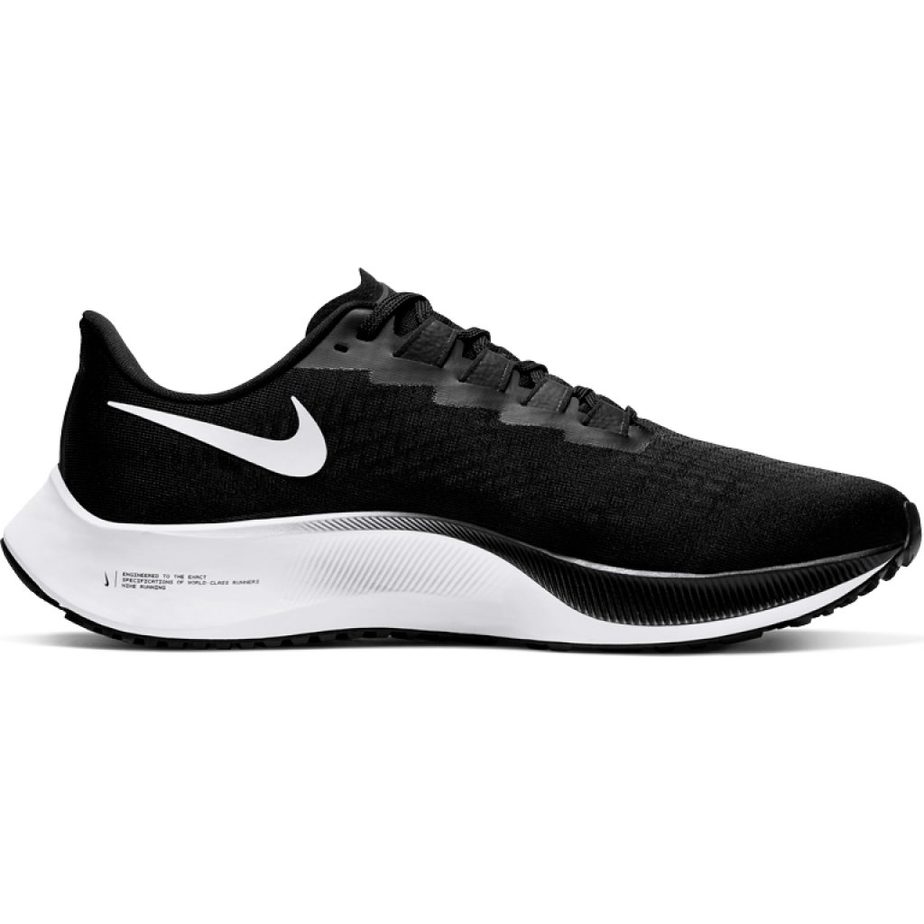
- Nike Pegasus 41 — #2 most logged shoe
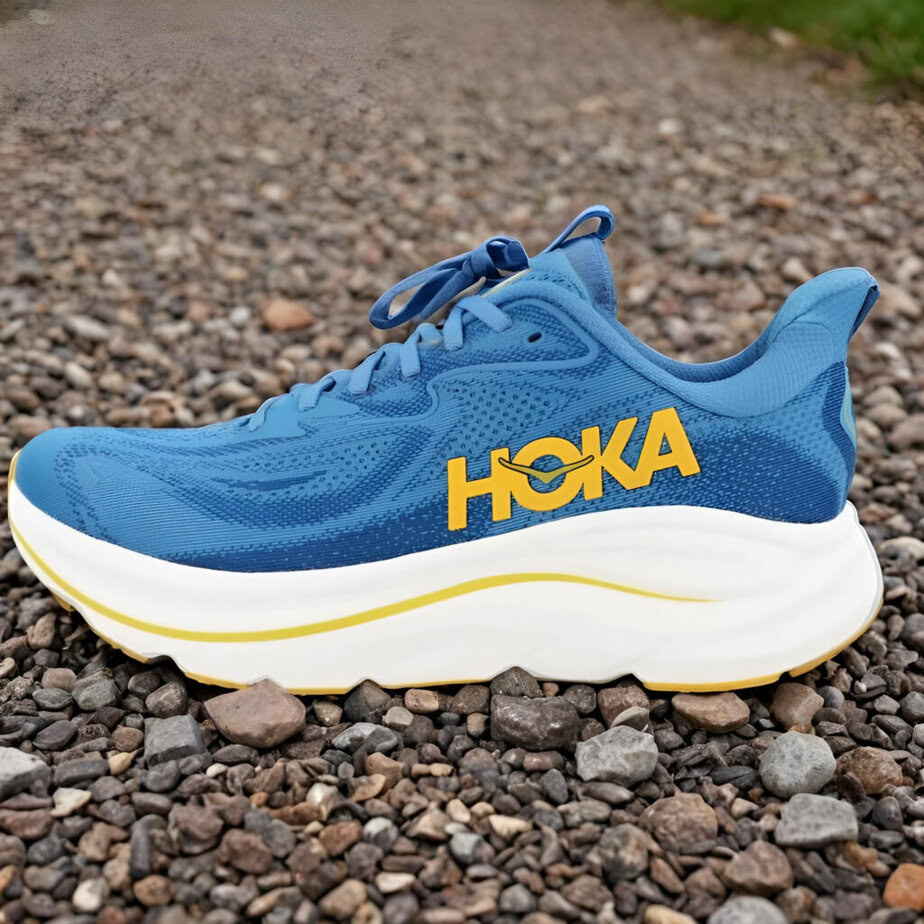
- Hoka Clifton 10 — #3 most logged shoe
Why these three? Because they’re daily trainers: shoes you can wear for easy runs, tempo runs, long runs, even casual running. They’re not flashy or expensive. They’re reliable
The big brands (Asics, Nike, Hoka) dominate because they work, and Strava data doesn’t lie.
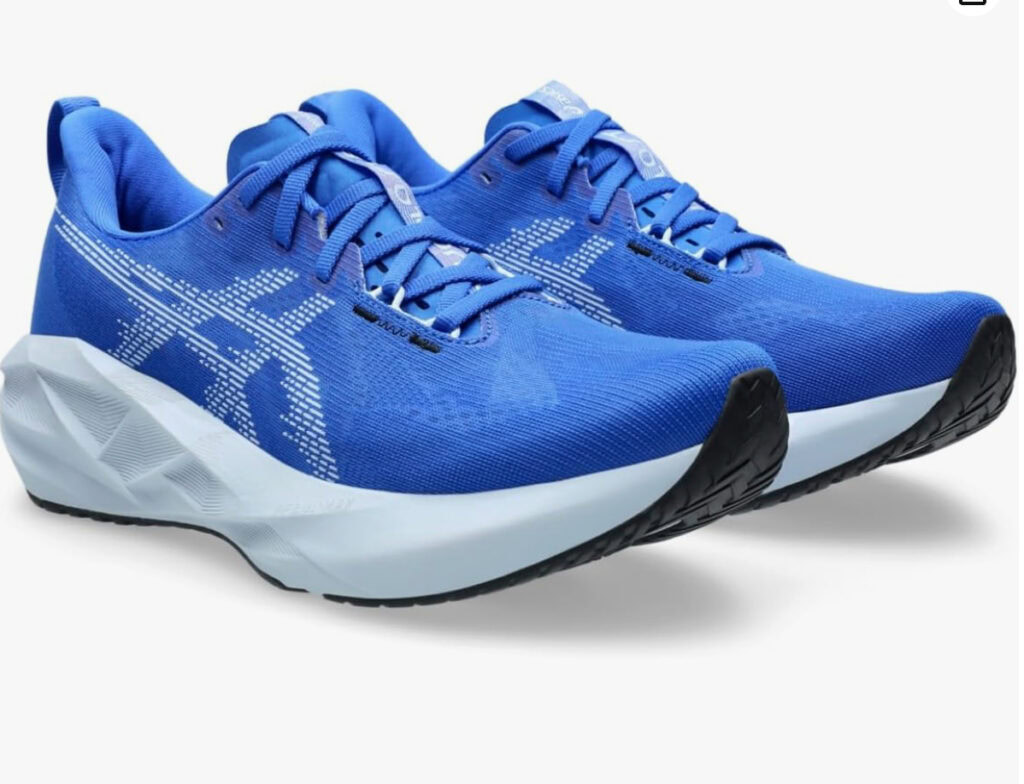
ASICS Novablast 5
Nike Pegasus 41
Hoka Clifton 10
The 5 Best Running Shoes of 2026 – Reviews
(Ranked by Real Data)
#1: ASICS Novablast 5 — The Daily Trainer Champion
Drop: 8mm | Weight: 8.3 oz | Best for: Everyday running, marathons, mix of everything
Why #1: Most logged shoe on Strava in 2025. For the first time ever, a neutral daily trainer beat Nike and Hoka.
Real talk: This shoe is not the flashiest. It’s not the most cushioned. It’s not the fastest. But it does everything well, easy runs feel smooth, tempo runs don’t feel sluggish, long runs don’t destroy your feet. It’s versatile.
#2: Nike Pegasus 41 — The Consistent Workhorse
Drop 10mm | Weight: 9.2 oz | Best for: New runners, daily training, all-around shoe
Why #2: Nike Pegasus has dominated for 10+ years, and the 41 is one of the best versions.
Real talk: If you’re new to running, this might be your shoe. Nike didn’t reinvent the wheel with the 41, they just made it slightly better. Trusted by millions of runners worldwide.
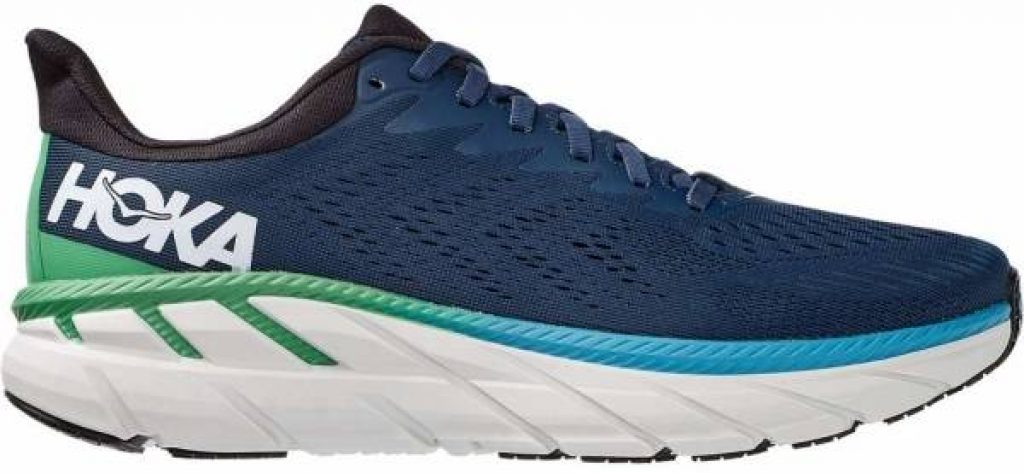
#3: Hoka Clifton 10 — The All-Day Comfort Shoe
Drop 8mm| Weight: 7.1 oz (surprisingly light!) | Best for: Long runs, recovery runs, comfort-first runners
Why #3: Third most logged shoe on Strava. Hoka’s entry point into the running world.
Real talk: This shoe is borderline magic. It’s one of the lightest shoes available, yet it feels more cushioned than shoes that weigh twice as much. How? Hoka’s foam technology. You’ll feel like you’re running on clouds.
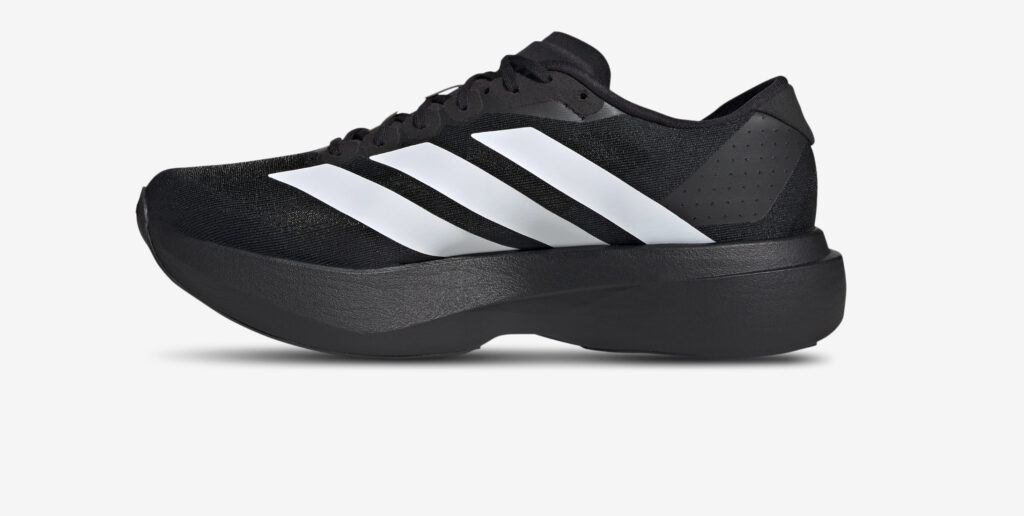
#4: Adidas Adizero Evo SL — Best Value Racing Shoe
Drop 6mm | Weight: 7.9 oz | Best for: Racing, speed work, aggressive runners
Why #4: Reviewers call this “outstanding value” carbon-plate performance at regular shoe price.
Real talk: This is not a beginner shoe. This is a racing shoe for runners who know what they want. It’s light, responsive, and has a carbon plate that actually works. And it’s $150. That’s insane value.
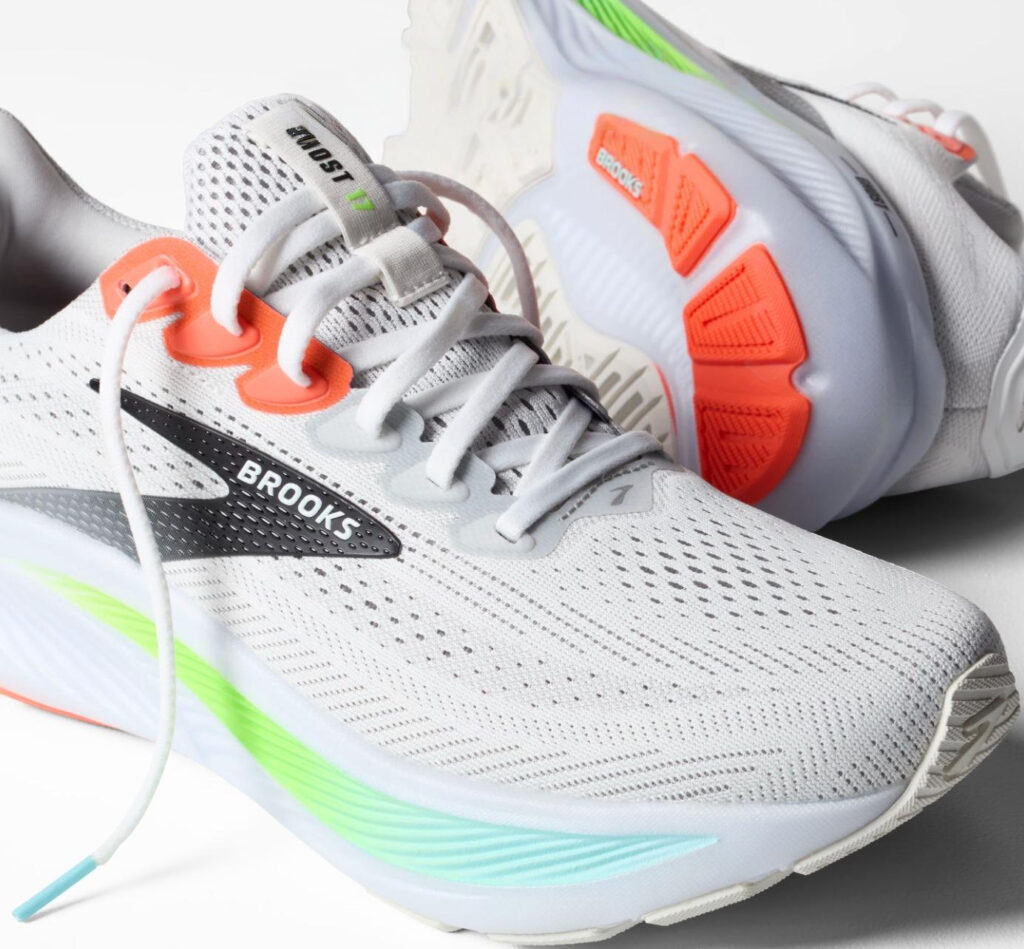
#5: Brooks Ghost 17 — Marathon Runner’s Best Friend
Drop 10mm | Weight: 9.2 oz | Best for: Marathon training, long runs, daily trainer
Why #5: Trusted by marathon runners for 20+ years. The Ghost 17 is one of the best versions.
Real talk: If you’re training for a marathon and you’re not sure where to start, buy Brooks Ghost 17. Thousands of runners have finished marathons in this shoe. It works.
Steps To Find the Perfect Running Shoe!
The ultimate guide
STEP 1: Understand Your Running Style First
STEP 2: Know Your Foot Type
STEP 3: Consider Your Running Distance
What races are you planning on running this year?
5K Runners
Lighter is better
Responsive shoes perform better
Don’t need maximum cushion
Try: Nike Pegasus, Adidas Adizero Evo SL, Puma Velocity Nitro
Half Marathon Runners
Need balance of speed + comfort
Shoes that work for both tempo and distance
Try: ASICS Novablast 5, Nike Pegasus 41, Brooks Ghost 17
Marathon Runners (20+ miles per week)
Maximum durability (must last 500 miles)
Cushioning is critical
Comfort over speed
Try: Hoka Clifton 10, Brooks Ghost 17, ASICS Novablast 5, New Balance Fresh Foam
Ultra Distance (50K+)
Extremely durable
Support for long hours
Can wear same shoes for 100+ miles
Try: Hoka Bondi 9, New Balance 1080v14
Shoe Rotation: The Secret Professional Runners Use
Pro tip: Don’t buy just one shoe. Get 2-3 pairs and rotate them.
Why? The foam in running shoes needs time to decompress between runs. Rotating shoes means:
Each pair lasts longer (600+ miles instead of 500)
Less injury risk (different shoes work different parts of your foot)
Different shoes excel at different types of runs
Daily trainer
ASICS Novablast 5 (for 70% of runs)
Tempo/speed:
Adidas Adizero Evo SL (for workouts)
Recovery:
Hoka Clifton 10 (for easy days + long runs)
How to Actually BUY Running Shoes
Believe me, I’ve wasted money buying shoes that didn’t fit. Here’s what I do now:
Frequently Asked Questions
How often should I replace my shoes?
Every 300-500 miles, or 6 months—whichever comes first. Track your mileage in Strava (it does it automatically) and replace when you hit 450 miles.
Can I use the same shoe for racing and daily training?
Yes, but not ideal. Daily trainers work fine for 5K-half marathons, but for marathons you want more cushion. For 10K or faster, you want something lighter.
Should I buy a size up or down?
Buy your actual size. Running shoes should have about a thumb’s width (0.5 inch) of space between your longest toe and the shoe end. If the store says “run a size up,” that’s a red flag.
Do I need stability shoes if I overpronate?
Not always. Some people feel better in neutral shoes. Get your gait analyzed at a running store. If you have knee pain, try stability shoes. If not, neutral is fine.
Are expensive shoes better?
Not necessarily. Nike Pegasus ($140) performs as well as Hoka Bondi ($185). Price ≠ quality. Find what works for YOUR feet.
Can I wear last year’s model to save money?
Absolutely! Last year’s model is usually 20-30% cheaper. Nike Pegasus 40 is essentially the same as Pegasus 41. Save the money.
The Bottom Line
The best running shoe is the one that:
✅ Fits your foot perfectly
✅ Matches your running style
✅ Feels comfortable from day one
✅ Lasts 400+ miles without problems
✅ Doesn’t break the bank
Based on real Strava data from 180+ million runners, ASICS Novablast 5 is the winner for 2025. But that doesn’t mean it’s best for YOU. If you have high arches, maybe Hoka. If you’re a beginner, maybe Nike Pegasus. If you’re racing, maybe Adidas Adizero.
My advice? Don’t overthink it. Go to a running store, try on 3 shoes, and pick the one that feels best. Your feet will tell you what’s right.