7 Best Handheld Water Bottles for Running (2026)
A good handheld bottle should disappear into your run. The strap stays put, the bottle does not slosh all over, and you can take a drink without fighting the cap.
Disclosure: This article contains affiliate links. If you buy through one of our links, RunningGearLab may earn a commission at no extra cost to you. Product details were checked against current brand listings.
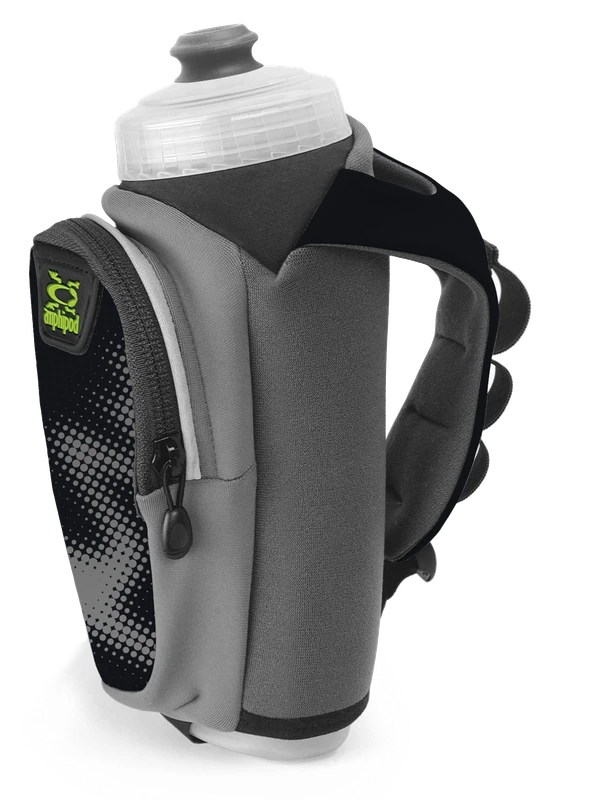
Amphipod Hydraform Ergo-Lite Ultra
The quick answer: The angled rigid bottle sits securely in the hand, while the insulated sleeve softens the grip. Its expandable pocket gives you room for a phone and a few small essentials.
Choose the 16-ounce size for everyday training or the 20-ounce size for hotter and longer runs. It costs more than a simple bottle. In return, you get enough storage to leave a running belt at home.
Best if: You want one handheld for water, a phone, a key, and a gel. Skip if: You strongly prefer a collapsible soft flask.
View on AmazonQuick Picks
Start with how you plan to use it.
Amphipod Ergo-Lite Ultra
Comfortable rigid bottle with insulation and useful storage.
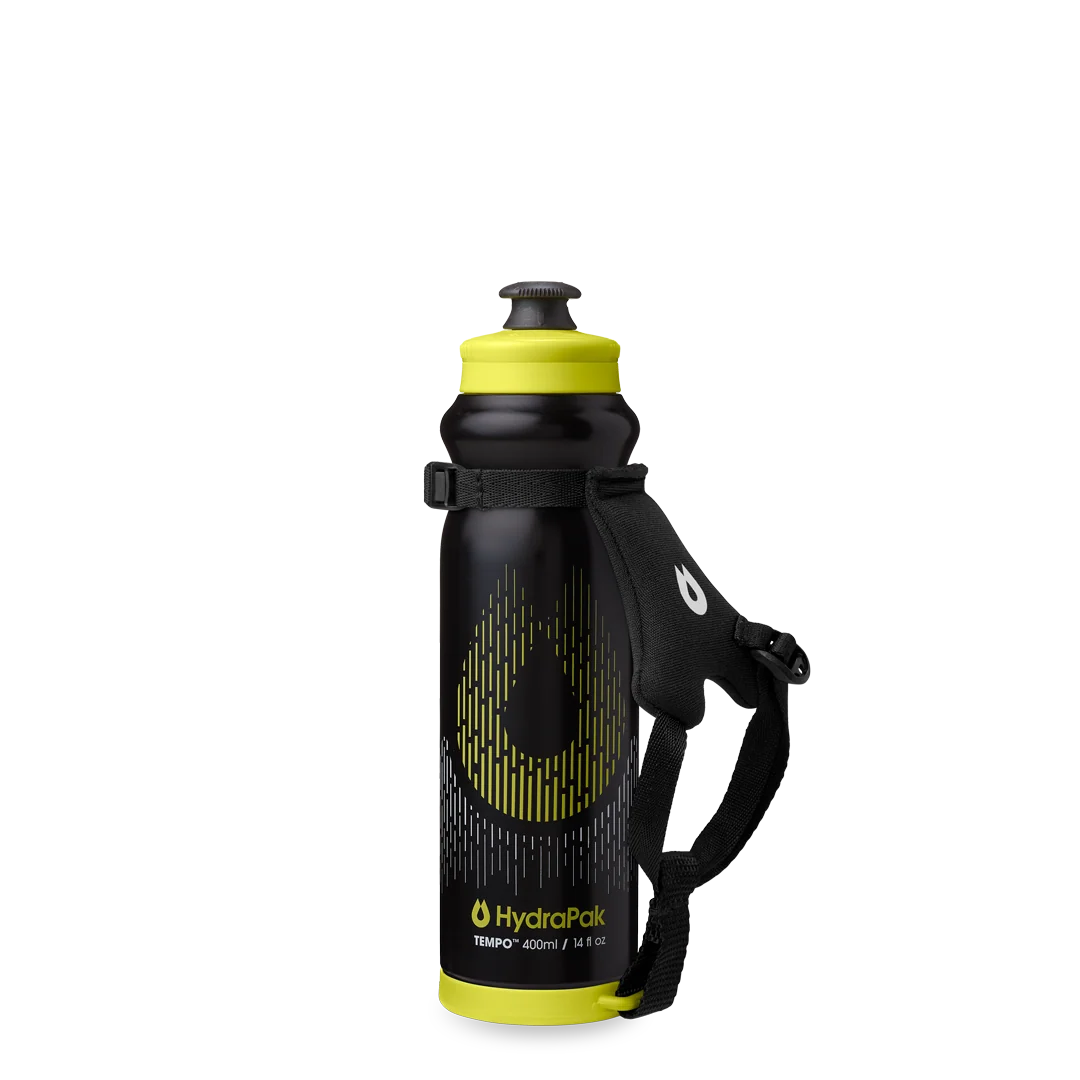
HydraPak Tempo Pro
Light, simple, and available in 400 or 525 mL sizes.
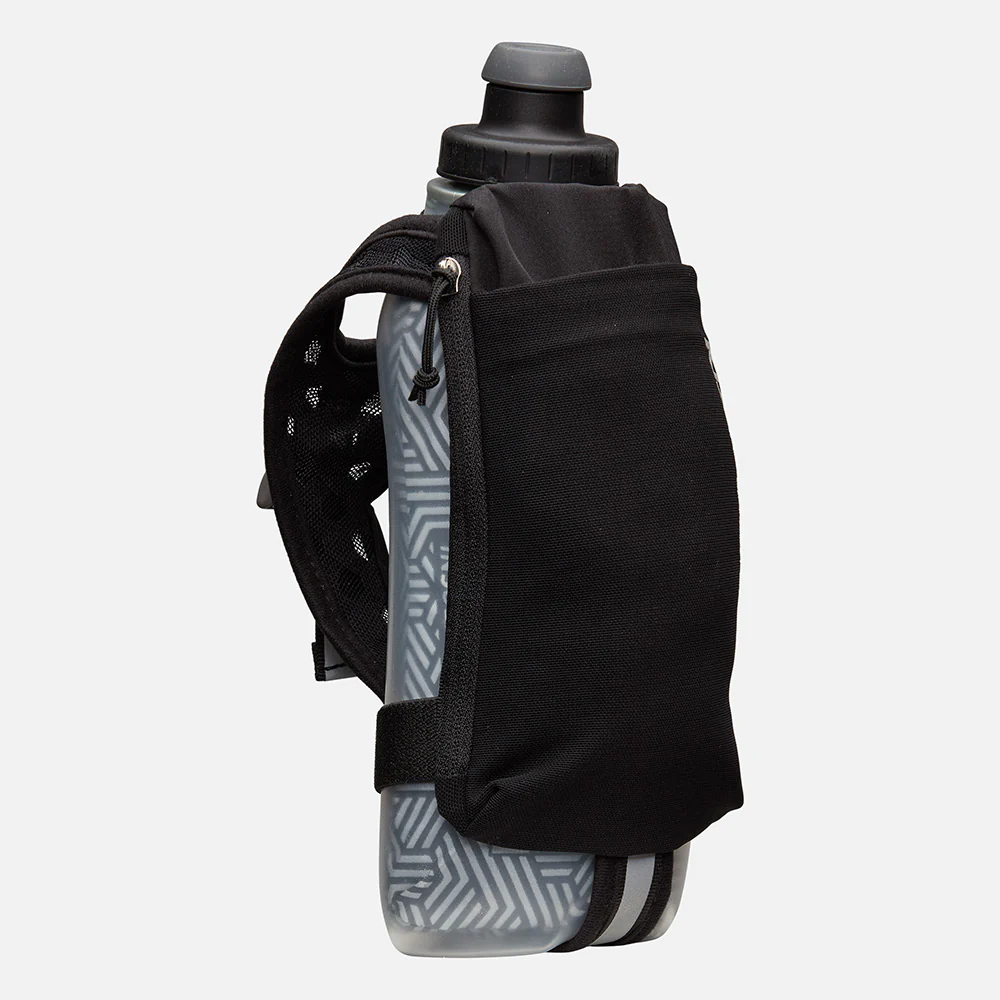
Nathan SpeedDraw 2 Insulated
Insulated rigid bottle with a large phone pocket and reflective details.
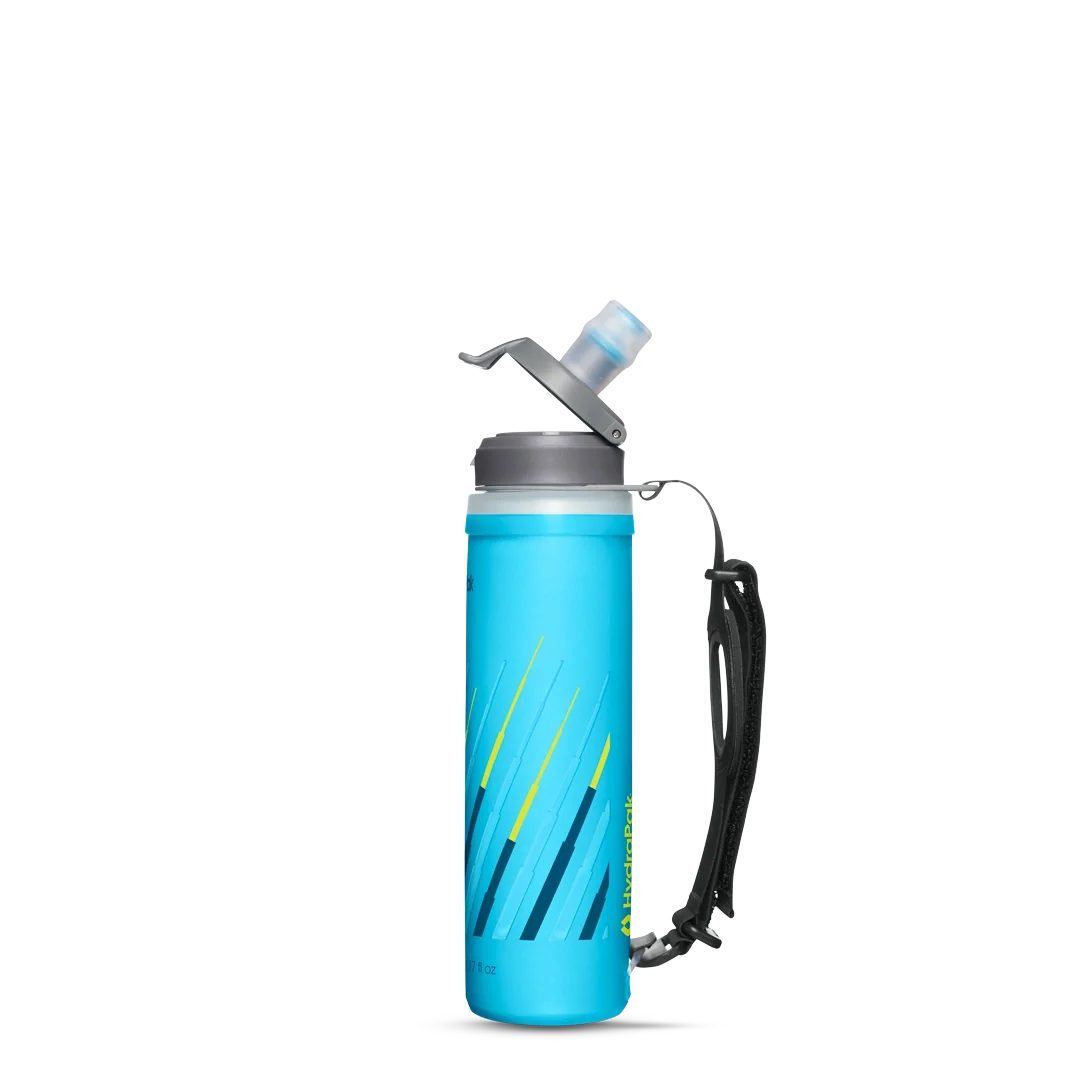
HydraPak SkyFlask Speed 500
Soft flask that packs down and has a fast flip-open refill cap.
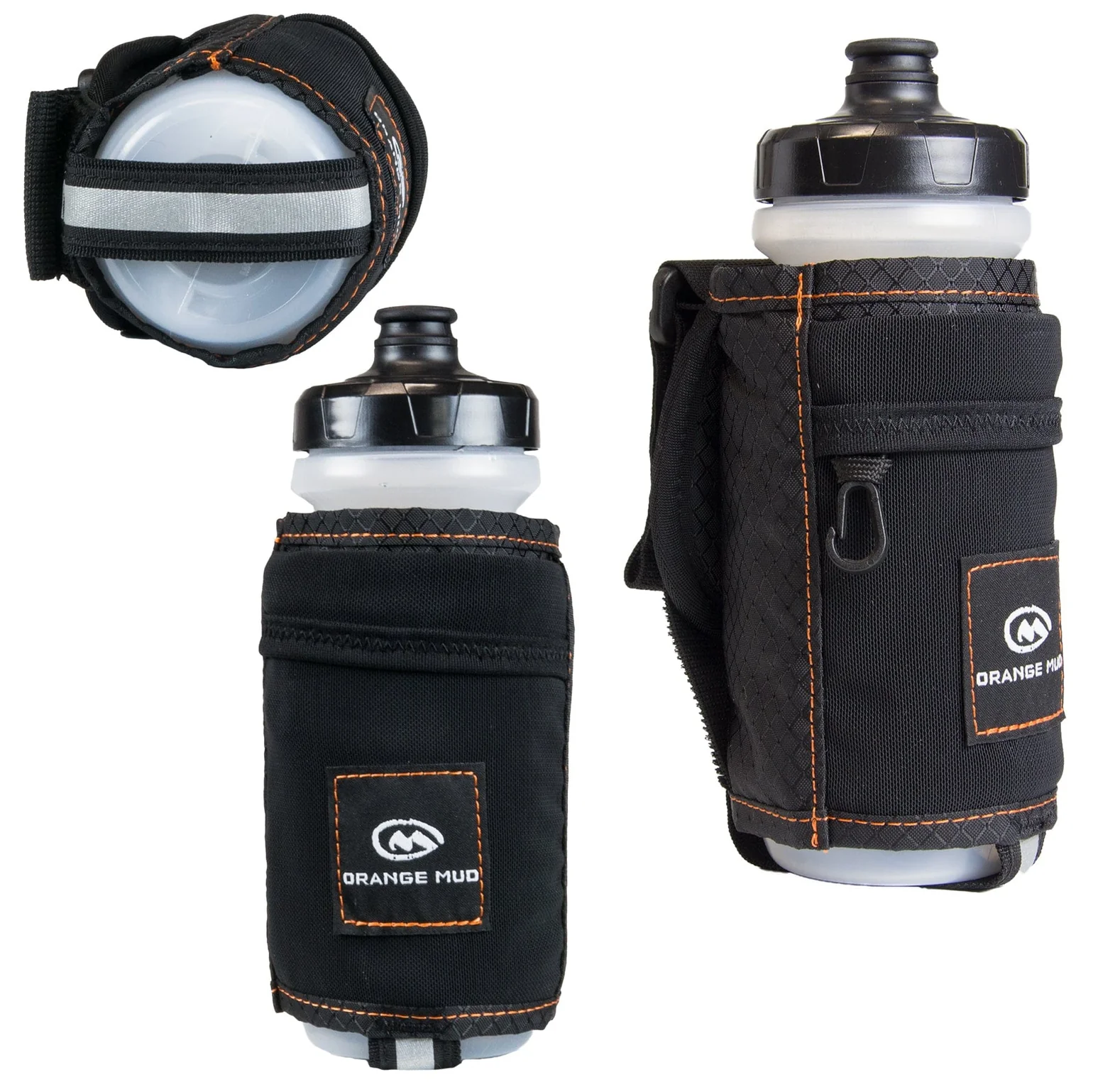
Orange Mud 21 oz Handheld
Large rigid bottle with a wide strap and room for phone and fuel.
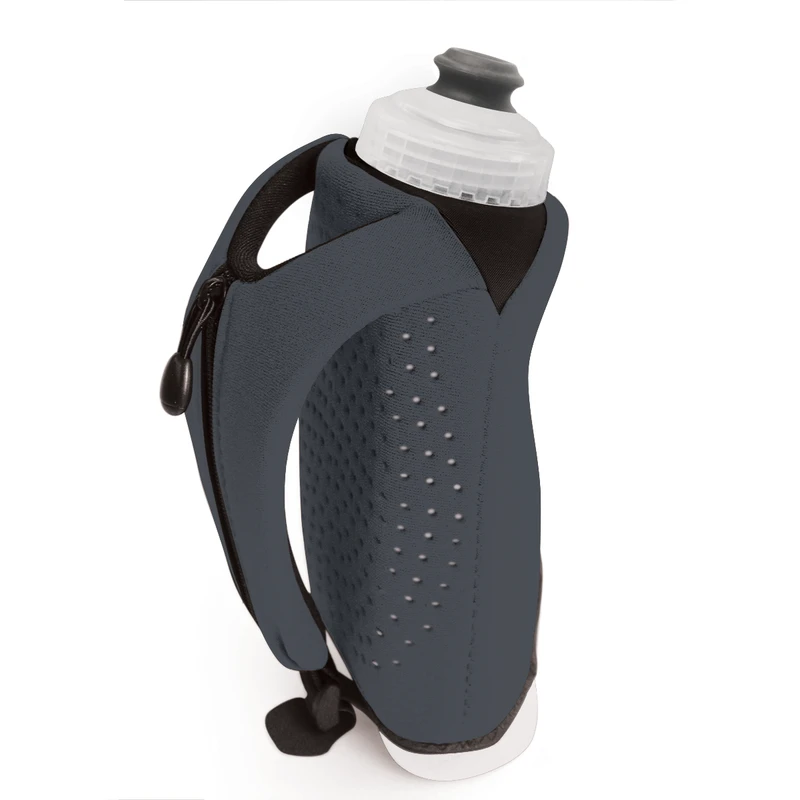
Amphipod Ergo-Lite 10.5 oz
A small, affordable rigid bottle for short runs and easy refills.
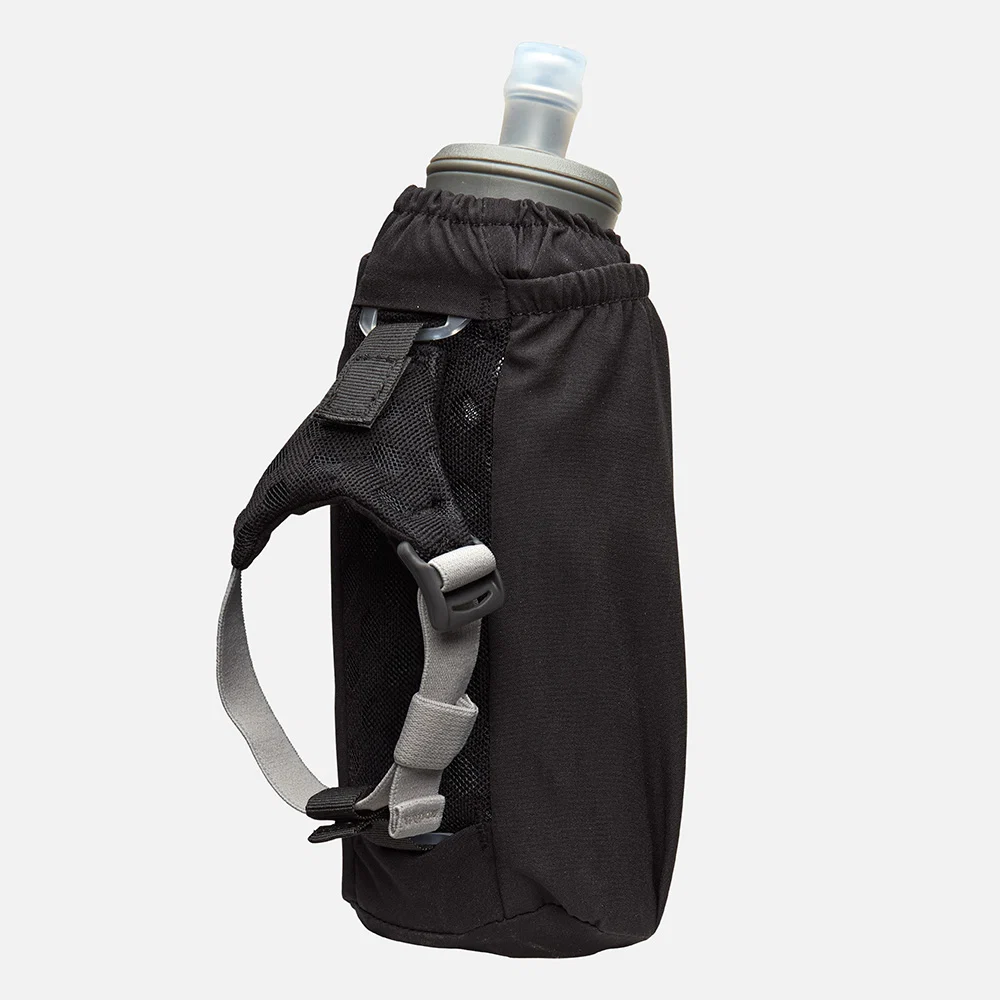
Nathan Pinnacle Soft Flask Insulated
Structured soft flask with insulation, a secure strap, and room for small essentials.
Handheld Running Bottle Comparison
Swipe the table sideways on a phone. Capacities and features come from current brand listings. Price and stock can change by colour and retailer.
| Bottle | Best for | Capacity | Bottle style | Storage | Main tradeoff |
|---|---|---|---|---|---|
| Amphipod Ergo-Lite Ultra | Most runners | 12, 16, or 20 oz | Rigid, insulated sleeve | Expandable pocket plus gel slots | Bulkier than a minimalist strap |
| HydraPak Tempo Pro | Value and low weight | 400 or 525 mL | Rigid squeeze bottle | None | No insulation or pocket |
| Nathan SpeedDraw 2 | Heat and phone storage | 18 oz / 535 mL | Rigid, double-wall insulated | Large phone pocket plus zip pocket | Heavier and pricier |
| HydraPak SkyFlask Speed 500 | Races and travel | 500 mL / 17 oz | Soft flask | None | Strap may need retightening |
| Orange Mud Handheld | More water and gear | 21 oz / 620 mL | Rigid squeeze bottle | Phone and nutrition pocket | Full bottle feels heavier |
| Amphipod Ergo-Lite | Short runs | 10.5 oz | Rigid squeeze bottle | Small zip pocket | Limited fluid capacity |
| Nathan Pinnacle Soft Flask Insulated | Premium soft-flask comfort | 18 oz / 535 mL | Insulated soft flask with spine | Small wraparound pocket | Highest price in this guide |
Best Handheld Water Bottles for Running: Full Reviews
Amphipod Hydraform Ergo-Lite Ultra
- 12, 16, or 20 oz
- Rigid bottle
- Insulated sleeve
- Expandable pocket
The angled bottle is what sets the Ergo-Lite Ultra apart. It rests across your hand instead of hanging from your fingers. Once the strap and thumb loop are fitted, your fingers can stay fairly relaxed.
The sleeve has an expandable pocket, an internal key clip, and outer gel slots. That is enough storage for most daily runs. Phone fit still depends on the phone and case, and a large phone can make the carrier feel top-heavy.
What works
- Natural angled grip
- Three bottle sizes
- Insulated sleeve
- Useful pocket and gel storage
Watch out for
- More fabric to dry after a sweaty run
- Large phones may crowd the pocket
- The lid needs to be lined up and tightened properly
Best if: You want one versatile handheld for daily runs. Skip if: You want the smallest possible carrier or a collapsible flask.
View on AmazonHydraPak Tempo Pro: Best Value
- 400 or 525 mL
- 56 or 62 g
- Rigid squeeze bottle
- Removable strap
The Tempo Pro keeps things simple. It is a slim bottle with a light hand strap and a leak-resistant drink cap. The 400 mL version weighs 56 grams, while the 525 mL version weighs 62 grams.
Choose the smaller bottle for quick runs or racing. The 525 mL size gives you more water with only a small weight increase.
What is missing? A phone pocket, gel pouch, and insulation. None of that matters if your shorts already hold everything. It does matter if you wanted the bottle to replace a running belt.
What works
- Low price
- Very light
- Easy squeeze and drink design
- Dishwasher-safe bottle and cap
Watch out for
- No storage
- No insulation
- Rigid bottle does not pack down
Best if: Your phone and key already have a home. Skip if: You need pockets or cold water for a hot run.
View on AmazonNathan SpeedDraw 2 Insulated 18 oz
- 18 oz / 535 mL
- Double-wall insulated
- Phone pocket
- 156 g listed weight
Warm water gets old fast on a muggy summer run. The SpeedDraw 2 uses a double-wall bottle to slow that warming. Its expandable pocket also fits more phones than the small pouches found on many handhelds.
It also has a smaller zip pocket for a key or card and reflective details around the carrier. The extra features add weight, though. At 156 grams before water, this is not the bottle for someone chasing the lightest setup.
What works
- Good hot-weather setup
- Large expandable phone pocket
- Small secure zip pocket
- Reflective details
Watch out for
- Heavier than simple handhelds
- More expensive than a basic bottle
- Insulation slows warming but does not keep ice all day
Best if: You run in heat and want phone storage. Skip if: Low weight matters more than insulation.
View on AmazonHydraPak SkyFlask Speed 500
- 500 mL / 17 oz
- 64.5 g listed weight
- Soft flask
- 42 mm opening
The SkyFlask Speed is made for runners who want a bottle at the start and almost no bottle near the finish. The soft flask shrinks as you drink, which cuts down on slosh and lets you roll it up when empty. Its flip-open SpeedFill cap is also quicker to refill than a lid you must fully unscrew and set down.
The good owner comments focus on its light feel, adjustability, and fit for smaller hands. The repeated complaint is a strap that slowly loosens. Expect to snug it again as the bottle gets smaller. Some runners will not mind. Others will.
What works
- Packs down as you drink
- Low slosh
- Fast refill cap
- Works in either hand
Watch out for
- Strap can loosen over time
- No storage pocket
- Soft bottles feel less stable when full
Best if: You want fast aid-station refills and a bottle that packs down. Skip if: You hate adjusting straps during a run.
View on AmazonOrange Mud 21 oz Handheld
- 21 oz / 620 mL
- Rigid bottle
- Wide adjustable strap
- Phone and fuel pocket
Orange Mud gives you more capacity without the cost of a full hydration vest. The 21-ounce bottle suits long road loops, warm days, and routes with fewer refill stops. The carrier has a wide hand strap, an elastic storage pocket, a key clip, and a reflective panel.
A full 21-ounce bottle is noticeably heavier than a 10-ounce or 12-ounce model. If you are sensitive to carrying weight in one hand, switch hands regularly or choose a running belt instead.
What works
- Largest capacity in this guide
- Useful phone and nutrition storage
- Wide strap spreads pressure
- Good feature-to-price balance
Watch out for
- Heavy when full
- Large phones can change the balance
- No insulation
Best if: You want more water and storage without a vest. Skip if: A full bottle makes your arm feel uneven.
View on AmazonAmphipod Hydraform Ergo-Lite 10.5 oz
- 10.5 oz
- Rigid bottle
- Small zip pocket
- Wide mouth
Not every run needs half a litre of water. The 10.5-ounce Ergo-Lite suits short summer runs, speed sessions, and routes with fountains. It uses the same angled bottle idea as the larger Amphipod models but keeps the carrier small.
The zip pocket is for a key, card, or maybe one gel. It is not a phone carrier. That limited storage is also why this bottle feels simple and balanced.
What works
- Compact and easy to carry
- Lower cost
- Small secure pocket
- Wide mouth accepts ice
Watch out for
- Too little water for many long or hot runs
- No phone storage
- Rigid bottle keeps its shape when empty
Best if: You only need a few drinks or have a refill on route. Skip if: You are heading out long with no water stop.
View on AmazonNathan Pinnacle Soft Flask Insulated 18 oz
- 18 oz / 535 mL
- Insulated soft flask
- Supportive ExoSpine
- 95 g listed weight
A full soft flask can feel awkward and floppy. Nathan gives the Pinnacle a firm internal spine, so the 18-ounce bottle keeps some structure in your hand. It still shrinks as you drink, which reduces water movement and empty-bottle bulk.
The breathable strap is easy on the hand, and a small wraparound pocket holds a key or a few gels. Do not expect it to carry a large phone. The price is also hard to ignore. This is a comfort upgrade, not the value pick.
What works
- Soft flask with more structure
- Less water movement as it empties
- Insulated design
- Comfortable breathable strap
Watch out for
- Highest price in this guide
- No phone storage
- More bottle than most short runs need
Best if: You want an insulated soft flask that feels supported in your hand. Skip if: You need phone storage or good value matters most.
View on AmazonWhat Everyday Runners Keep Saying
Product pages tell you the capacity. Runners tell you what gets annoying after 10 kilometres. The comments were not all glowing, which made them useful. These were the patterns that came up most often:
- A secure strap beats a tight grip. Runners like carriers that wrap around the hand and let the fingers relax.
- Soft flasks trade slosh for adjustment. They shrink as you drink, but some straps loosen and need another tug.
- Phone pockets are not universal. A pocket may fit a bare phone but not the same phone in a thick case.
- Some runners feel lopsided. Switching hands every few kilometres helps. If it still bothers you, a belt or vest will spread the load better.
- Simple bottles get used. Several experienced runners prefer an easy-to-clean handheld because it is less work than a bladder and hose.
- Race practice matters. Runners who carry a bottle in a race like skipping crowded cups and refilling at aid stations, but only after practising the routine in training.
Community feedback is useful for spotting patterns, but one person’s hand size, phone, pace, and sweat rate may be very different from yours.
How to Choose a Handheld Running Bottle
Short run or easy refill
Start around 10 to 12 ounces. A smaller bottle feels better in the hand and may be all you need when fountains or home loops are nearby.
Longer or hotter run
Look at 16 to 21 ounces. Your actual need depends on weather, pace, sweat rate, run time, and where you can refill.
Rigid bottle
Choose this for a steady shape, easy squeezing, and a familiar drink cap. It stays the same size after you finish the water.
Soft flask
Choose this for less slosh and a bottle that packs down. Expect to tighten the hand strap as the flask gets smaller.
Phone storage
Measure your phone with its case. A loaded pocket can change the bottle’s balance, even when the phone technically fits.
Insulation
It slows down warming but adds weight and cost. It is worth it for hot, sunny runs, not essential for a cool 30-minute loop.
Handheld, belt, or vest?
A handheld is best when you need one bottle and a few small items. A running belt spreads the weight around your waist and leaves both hands free. A running hydration pack makes more sense when you need more fluid, layers, safety gear, and several hours of fuel.
Five-minute fit test
- Fill the bottle. Empty-bottle fit tells you very little.
- Slide your hand in and tighten the strap until the bottle stays put with relaxed fingers.
- Add your real phone, key, and gel.
- Jog, swing your arms, and switch hands.
- Try the cap with one hand. It should not interrupt your stride.
A Quick Hydration Safety Note
Do not choose a bottle by a one-size-fits-all drinking rule. Fluid needs change with heat, humidity, pace, body size, acclimatization, and sweat rate. The National Athletic Trainers’ Association recommends an individualized plan and warns that both too little fluid and overdrinking can create health risks.
Start hydrated, drink based on your needs and thirst, and do not force so much fluid that you gain body weight during a long run. If you often train long in the heat, comparing your weight before and after a normal run can help estimate your own sweat loss. Speak with a sports dietitian or health professional if you have a medical condition or are unsure about fluids and sodium.
How to Stop a Running Bottle From Getting Gross
- Rinse the bottle and cap after every run.
- Wash right away after sports drink or electrolyte mix.
- Take the bottle out of its carrier so the fabric can dry.
- Leave the cap open while drying.
- Follow the brand’s care label before using a dishwasher or hot water.
- Check bite valves and cap threads for residue.
Build Your Long-Run Setup
Frequently Asked Questions
What size handheld bottle is best for running?
A 10 to 12-ounce bottle works well for shorter runs and routes with refills. A 16 to 21-ounce bottle is more useful for longer runs and hot weather. Run time, conditions, and your personal sweat rate matter more than distance alone.
Does carrying a water bottle affect running form?
It can if you squeeze too hard or carry a heavy bottle in one hand for a long time. Fit the strap so your fingers can relax, keep your shoulders loose, and switch hands. Use a belt or vest if the uneven weight keeps bothering you.
Is a soft flask better than a rigid bottle?
A soft flask gets smaller as you drink, reducing slosh and empty-bottle bulk. A rigid bottle is easier to refill, holds its shape, and often feels steadier. Neither is better for everyone.
Can I use a handheld bottle in a marathon?
Usually, but check the event’s current rules. Practise drinking and aid-station refills before race day. Make sure the bottle opening works with the cups or jugs used by your race.
How tight should the hand strap be?
It should hold the full bottle against your hand while your fingers stay mostly relaxed. It should not pinch, numb your fingers, or force your wrist into an odd angle.
Should I put sports drink in a handheld bottle?
Yes, if the bottle maker allows it. Rinse the bottle, cap, and bite valve right after the run because sugar and drink mix residue can build up quickly. Pair your hydration plan with fuel that you have already practised using. Our energy gel guide can help with that part.
The Bottom Line
The Amphipod Hydraform Ergo-Lite Ultra is the best choice for most runners. Its angled grip feels natural, and the sleeve gives you insulation plus useful storage.
Choose the HydraPak Tempo Pro if you want a light bottle at a lower price. Pick the Nathan SpeedDraw 2 for hot runs and phone storage, or the HydraPak SkyFlask Speed 500 for a collapsible race bottle.
View the best overall pick on AmazonSources Checked
Product details were checked on the Amphipod Ergo-Lite Ultra, Amphipod Ergo-Lite, HydraPak Tempo Pro, HydraPak SkyFlask, Nathan SpeedDraw, Nathan Pinnacle, and Orange Mud pages. We also checked Runner’s World, Runna, RunningAHEAD discussions, owner reviews, and the NATA fluid replacement statement.
Last fact check: August 2026.