Best Running Shoes Under $100 in 2026: 8 Budget Picks
A cheap running shoe should still feel like a running shoe. You should be able to lace it up for a short road run, a treadmill session or a beginner training plan without wondering if you bought a fashion sneaker by mistake.
The good news is that several major brands still sell real running shoes for $70 to $90. They use simpler foams and fewer premium materials, but that does not automatically make them bad. For many new runners, walkers who run, and lower mileage runners, simple can work very well.
Tap a colour to preview. More colours may be available at Amazon.
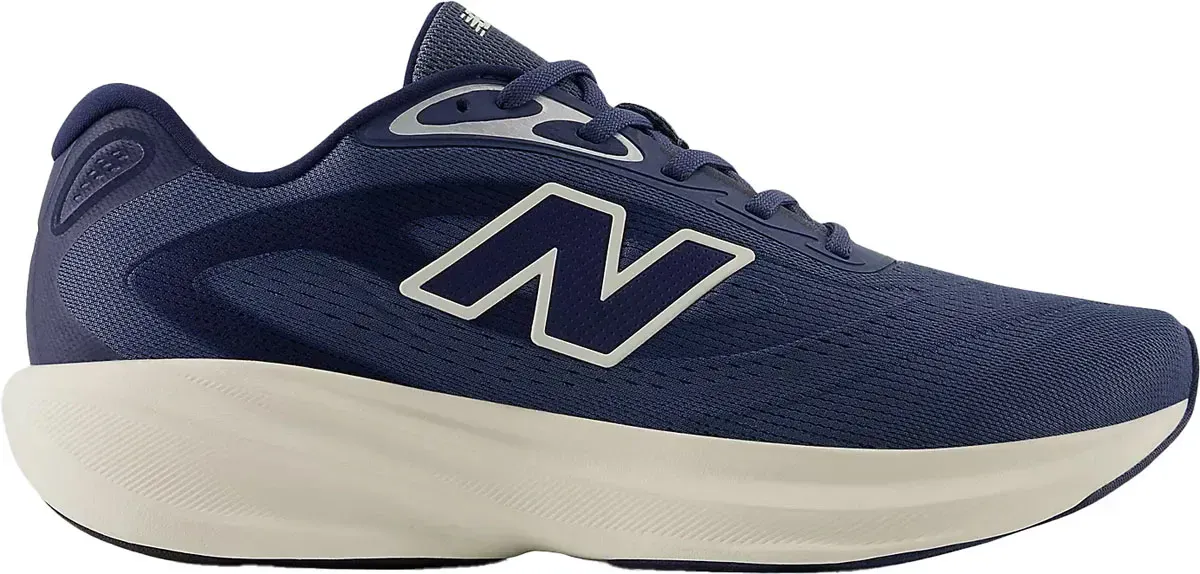
New Balance Fresh Foam 680v9
The 680v9 is an easy recommendation for runners who want a comfortable everyday shoe without spending much. It has Fresh Foam cushioning, a durable rubber outsole and useful width choices, including wide and extra wide in the men’s version.
Which cheap running shoe fits you best?
You do not need to read every review if you already know your main priority.
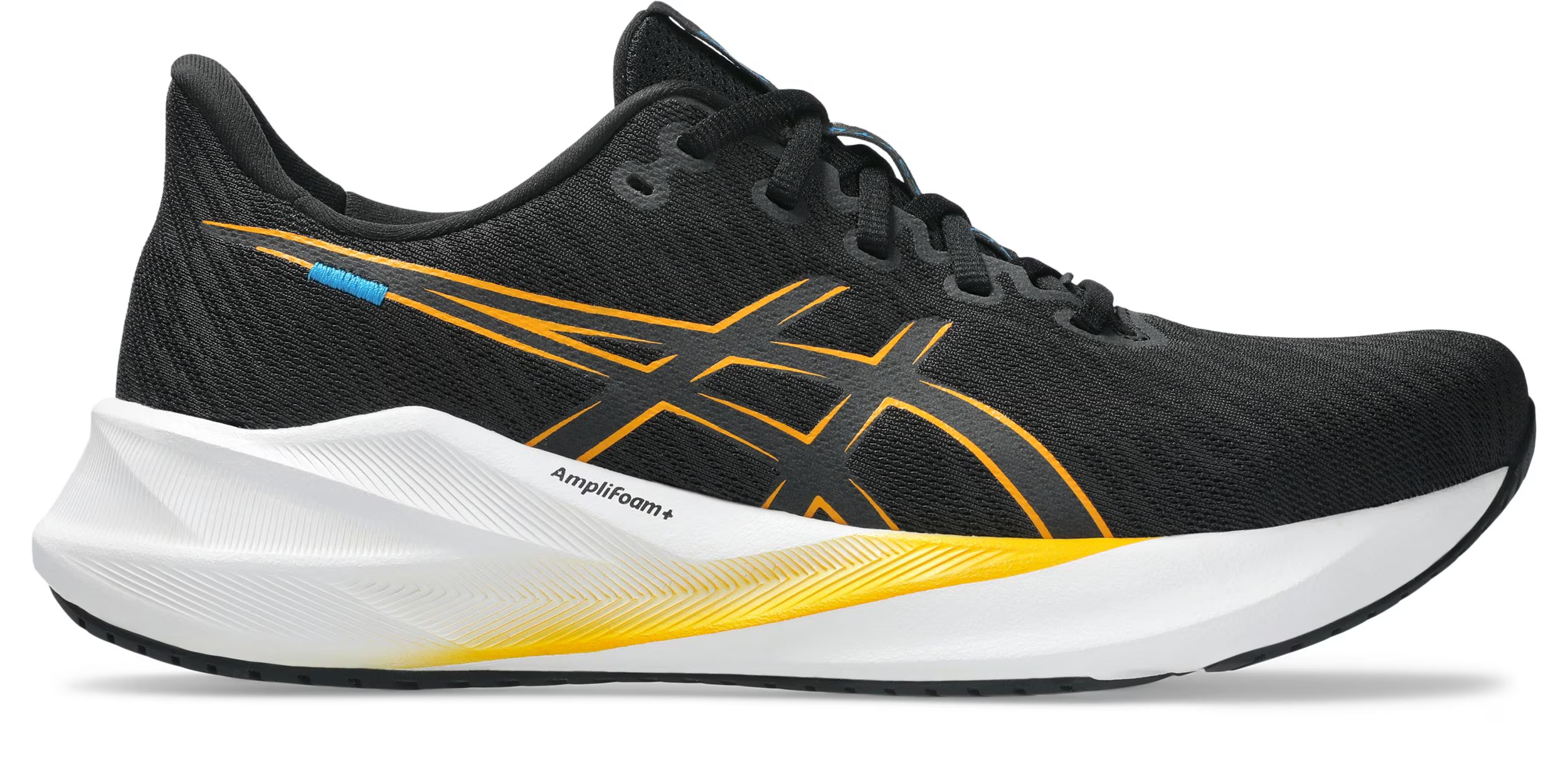
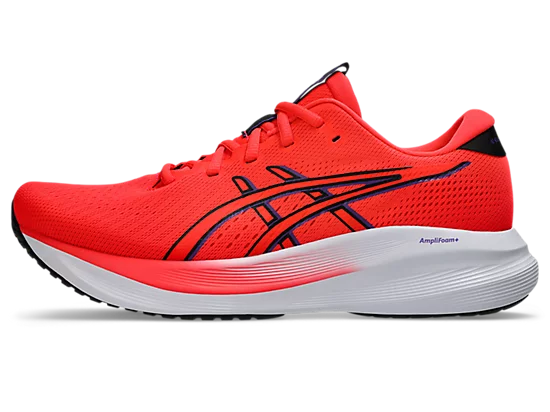
ASICS Gel Excite 11
Stable, grippy and comfortable for easy running.
See Gel Excite →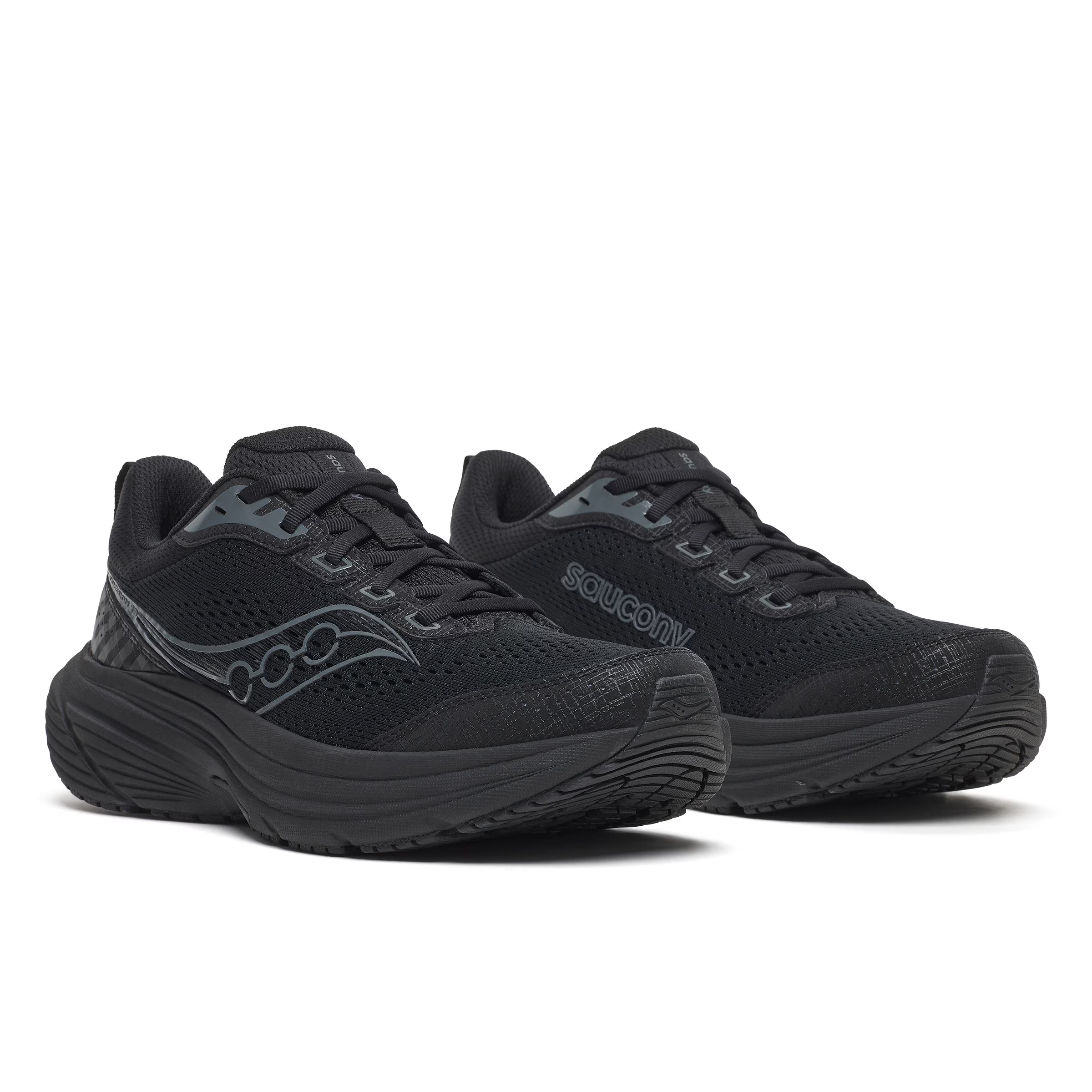
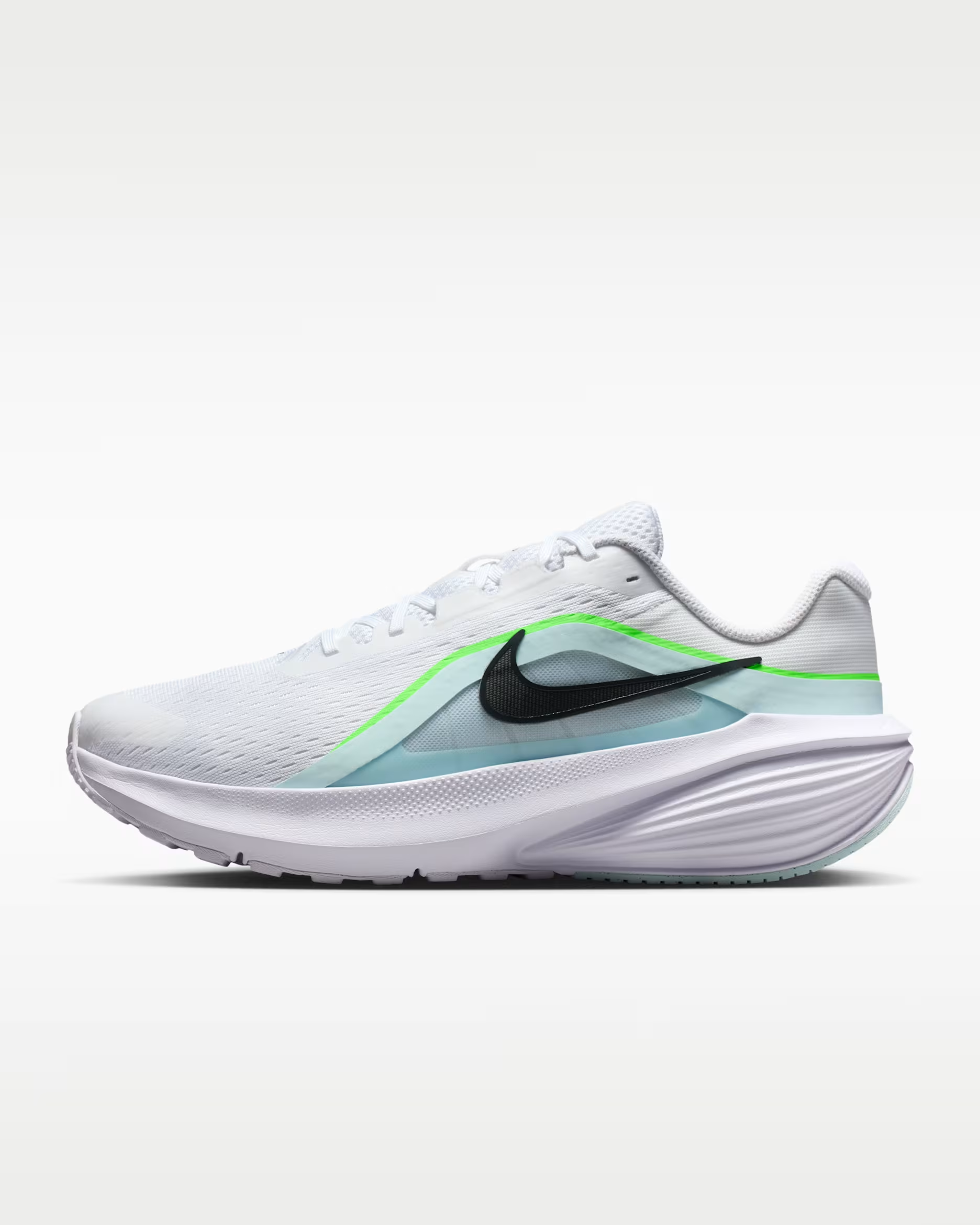
Nike Downshifter 14
Roomy toe box and more cushioning than version 13.
See Downshifter →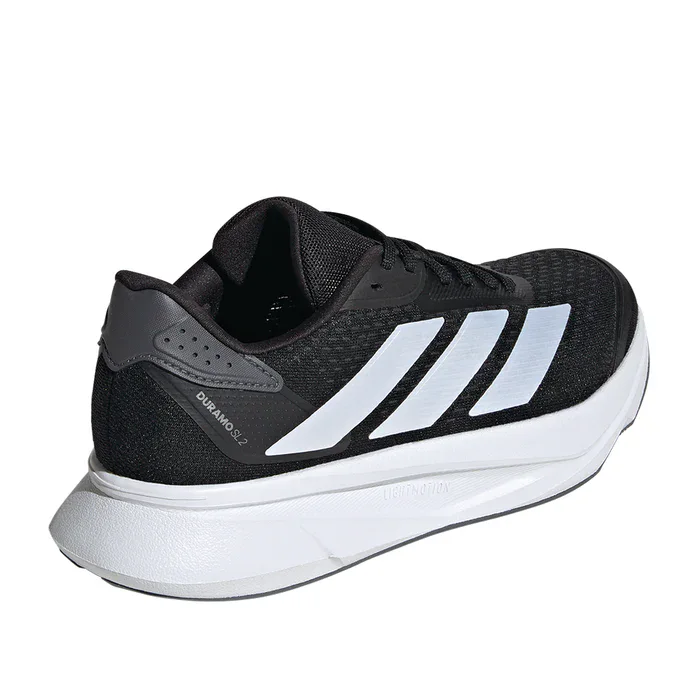
adidas Duramo SL 2
A real $70 running shoe with thousands of customer reviews.
See Duramo →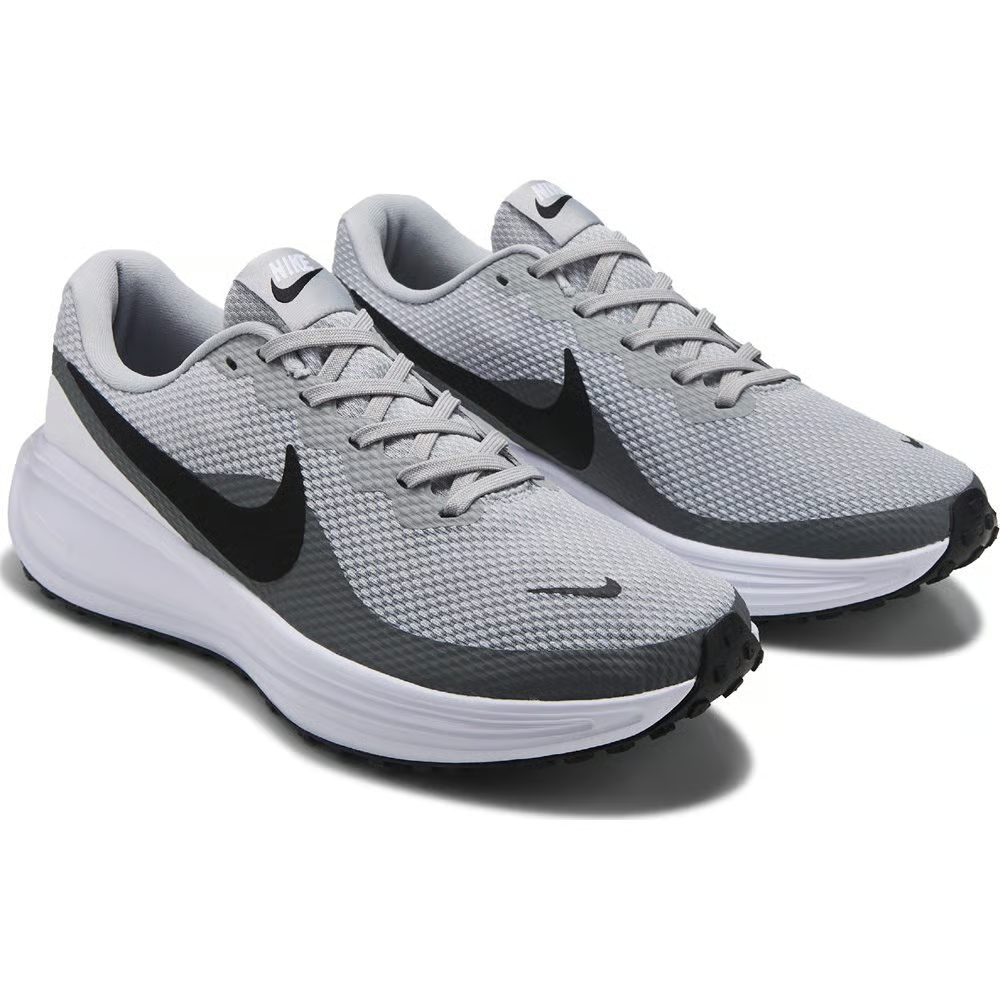
Nike Revolution 8
Easy choice for short runs, walking and general fitness.
See Revolution →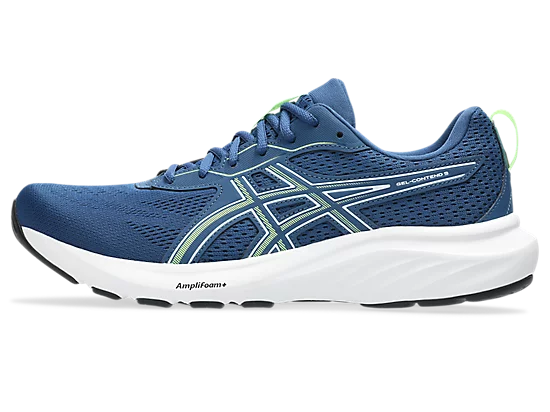
ASICS GEL-CONTEND 9
Simple cushioning, an 8 mm drop and useful width options.
See GEL-CONTEND →Not sure whether you need neutral, wide or stability shoes?
The Running Shoe Finder asks about your foot, support needs, surface and budget before narrowing the choices.
The 8 Best Running Shoes Under $100 in 2026
New Balance Fresh Foam 680v9
Good choice if: you want one inexpensive shoe for easy road runs, treadmill work, walking and everyday use.
See Current Price →The 680v9 keeps things simple. Fresh Foam gives it enough cushioning for easy runs and walking, the shoe flexes naturally, and there is plenty of rubber underneath for regular daily use.
Independent testing has also found good grip and outsole durability for the price. The trade-off is cushioning. It does not feel as protective or lively as many $150 daily trainers, so runners doing long runs or higher weekly mileage may want more cushioning.
What Works
- Current model, not clearance stock
- Wide and extra wide choices
- Good grip and outsole durability
- Flexible enough for running and walking
Watch For
- Moderate rather than plush cushioning
- Neutral support only
- Not built as a fast race shoe
- Less protective for very long runs
ASICS Versablast 4
Good choice if: you want a little more bounce and cushioning than the most basic budget trainers.
See Current Price →Versablast 4 stands out because it feels a little smoother and more responsive than many shoes at this price. It works well for easy runs, treadmill sessions and general workouts without feeling overly basic underfoot.
The fit is on the snug side, especially through the midfoot, and independent testing found the upper warmer than ideal. If you have wider feet, the New Balance 680v9 is the better place to start.
What Works
- Only $80 at full price
- More responsive than many budget shoes
- Stable underfoot for a neutral trainer
- Useful for running and general workouts
Watch For
- Narrower fit
- Warm upper
- Not a stability shoe
- Heavier than the name suggests
ASICS Gel Excite 11
Good choice if: you are a newer runner who wants a steady, grippy shoe rather than a very soft or wobbly one.
See Current Price →Gel Excite 11 has a steadier feel than Versablast 4. Its broader platform and grippy outsole make it a sensible first running shoe for easy road miles and treadmill sessions.
The main drawbacks are the upper and toe box. Testing has found the shoe warmer than some alternatives, with weaker durability at the front of the upper. If you run in hot weather or tend to wear through mesh quickly, the 680v9 may suit you better.
What Works
- Stable for a budget neutral shoe
- 8 mm drop
- Good outsole grip
- Comfortable for easy running
Watch For
- Warm upper
- Toe-box durability concerns
- Less lively than Versablast
- Not intended for strong overpronation
Saucony Cohesion 19
Good choice if: you want a no-fuss daily shoe with a wide version and you care more about durability than bounce.
See Current Price →Cohesion 19 is still a newer model, so there is less long-term runner feedback than there is for some of the shoes above. Saucony kept the price at $80, updated the VersaRun foam, added an XT-600 carbon rubber outsole and continues to offer a dedicated wide version.
This is still a straightforward daily trainer. It makes the most sense for easy miles, walking and general use rather than runners looking for a soft, highly responsive ride.
What Works
- Current $80 model
- Dedicated wide version
- Durability-focused outsole
- Made for road, gym and daily use
Watch For
- Very new, so long-term feedback is limited
- Still an entry-level foam package
- Not aimed at fast running
- Neutral support
Nike Downshifter 14
Good choice if: you want a current Nike running shoe under $100 with a more relaxed toe box.
See Current Price →Downshifter 14 gives you more cushioning than the previous version and uses an internal band to help hold the midfoot. It is a practical choice if you prefer Nike and mainly need a shoe for easy miles, walking or the treadmill.
Toe room gets positive feedback, but the shoe is fairly heavy and the arch support is modest. If you prefer a lighter feel or more structure underfoot, look elsewhere on this list.
What Works
- Current $80 Nike model
- Regular and wide choices
- Roomier toe box in customer feedback
- More cushioning than Downshifter 13
Watch For
- Heavy for a road shoe
- Limited arch support
- Not built for fast sessions
- Some heel durability complaints exist
adidas Duramo SL 2
Good choice if: price is your biggest concern and you want a simple shoe from a major running brand.
See Current Price →Duramo SL 2 is one of the easiest ways to stay well below $100. Its regular price is $70, and it is often discounted further. It works best for short runs, treadmill sessions, gym days and runners who want a simple first pair.
The materials feel more basic than they do on premium trainers, and some runners report rubbing around the arch. It is a good low-cost option, but not the shoe I would choose for long runs or high weekly mileage.
What Works
- $70 full price
- Thousands of customer reviews
- Wide version available
- Useful for running, walking and gym work
Watch For
- Basic materials
- Arch rubbing for some runners
- Not especially bouncy
- Wide model may size differently
Nike Revolution 8
Good choice if: your routine mixes walking, short jogs, treadmill sessions and general fitness.
See Current Price →Revolution 8 is the cheaper Nike I would choose for someone who is walking as much as running. The foam midsole and flexible forefoot make it comfortable for easy movement, and the upper is more breathable than the previous version.
I would not buy it for a serious high-mileage training block. It is a basic fitness and running shoe. That is also why it can be a good buy for a new runner who is doing run-walk intervals and does not need anything complicated yet.
What Works
- Only $75 full price
- Flexible forefoot
- Breathable mesh
- Easy choice for walk-run beginners
Watch For
- Basic cushioning
- Not a long-run specialist
- Not intended for stability needs
- Less capable than Nike’s higher-priced trainers
ASICS GEL-CONTEND 9
Good choice if: you like ASICS fit and want a straightforward shoe for easy runs, treadmill sessions and walking.
Check GEL-CONTEND PriceGEL-CONTEND 9 is a straightforward $70 running shoe. ASICS combines GEL cushioning with AMPLIFOAM+ in the midsole, and the 8 mm drop gives it a familiar feel for everyday running.
It is a better fit for easy miles than faster workouts. The appeal is the price, simple ride and sizing choices, including wide and extra-wide versions in parts of the range. If you want more bounce, the Versablast 4 is the stronger ASICS option above.
What Works
- $70 regular price
- GEL and AMPLIFOAM+ cushioning
- 8 mm drop
- Wide sizing options available
Watch For
- Basic rather than bouncy ride
- Neutral support only
- Better suited to easy running
- Less cushioning than premium daily trainers
Compare the 8 Budget Picks
Swipe sideways to compare all columns →
| Shoe | Regular Price | Best For | Main Caution | Buy |
|---|---|---|---|---|
| New Balance 680v9 Best Overall | $84.99 | Daily + wide feet | Moderate cushion | Amazon |
| ASICS Versablast 4 | $80 | Cushioned value | Narrow + warm | Amazon |
| ASICS Gel Excite 11 | $90 | Stable beginner | Warm upper | Amazon |
| Saucony Cohesion 19 | $80 | Simple daily + wide | Very new | Amazon |
| Nike Downshifter 14 | $80 | Cheap Nike daily | Heavy | Amazon |
| adidas Duramo SL 2 | $70 | Lowest-price trainer | Basic materials | Amazon |
| Nike Revolution 8 | $75 | Walking + jogging | Shorter runs | Amazon |
| ASICS GEL-CONTEND 9 | $70 | Easy runs + walking | Basic ride | Amazon |
Premium Running Shoes Worth Watching Under $100
The best deal is sometimes a $150 shoe that suddenly drops below $100. I would keep those deals separate from the main ranking because they disappear by size and colour.
ASICS Noosa Tri 16
ASICS has had Noosa Tri 16 stock at $99.95. It is lighter and more performance-focused than the basic trainers above, but sizes and colours disappear as old stock clears.
Brooks Ghost 17 or 16
A discounted Ghost can be a better long-run shoe than a $70 entry model. Buy it because the price and fit are right, not because an old model number automatically means value. Check Ghost sale price →
HOKA Clifton 9 or 10
Worth checking if you like HOKA’s rocker and find a genuine clearance deal. Do not assume version 9 and 10 feel identical.
Reebok FloatZig 2
Reebok has been discounting FloatZig 2 below $100. It gives you a more premium foam package than the cheapest shoes here, but the deal is sale-dependent.
How to Choose a Cheap Running Shoe
Fit beats the sale price
A $55 shoe is not a deal if your heel slips or your toes are squeezed. If you need wide sizing, start there before comparing foam or colours.
Be realistic about your mileage
Budget shoes are excellent for many easy runs and beginner plans. If you are building toward long weekly mileage, comfort over longer runs becomes more important than saving the last $20.
Do not force a neutral shoe
If you already know you feel better in a stability shoe, buying a cheap neutral trainer just to stay under $100 is false economy. Look for a stability model on sale instead.
Check the exact version
Downshifter 13 is not Downshifter 14. A 680v8 is not a 680v9. Marketplace listings often mix old and new generations together, so check before buying.