10 Best Neutral Running Shoes in 2026: Top Daily Trainers
Updated August 2026
If you want a neutral running shoe and do not want to spend an hour comparing foam names, start here. The best choice depends on whether you like a soft ride, a firmer traditional trainer, or something with a bit more bounce when you pick up the pace.
ASICS Novablast 6
The one I would start with if you want a neutral shoe that can handle most of your week.
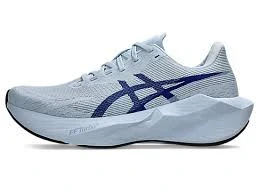
The Novablast 6 makes sense for a lot of runners because it sits in a useful middle ground. There is plenty of cushioning for easy runs and longer days, but it does not feel like a big soft shoe that only wants to move at one pace. ASICS pairs the FF BLAST MAX midsole with a springier forefoot section, so the shoe feels more energetic when you roll onto your toes.
I would pick it over a traditional daily trainer if you like a little bounce underfoot. If you prefer a shoe that feels calm, familiar, and less springy, the Ghost 18 is probably the better match. The difference is pretty simple. The Novablast feels livelier. The Ghost feels more predictable.
Why it stands out
- Lighter and livelier than many cushioned daily trainers
- Enough protection for long runs without feeling bulky
- 8 mm drop is an easy middle ground for many runners
Think twice if
- You prefer a firm, traditional feel underfoot
- You want a very low profile shoe with lots of road feel
The Best Neutral Shoes by Need
Use the Running Shoe Finder
Answer a few questions about fit, cushioning, mileage, terrain, and what you want the shoe to do. It is much easier than trying to choose from a wall of nearly identical looking trainers.
Find My Running ShoeQuick Comparison
What a Neutral Running Shoe Actually Means
A neutral shoe is basically a running shoe that does not rely on the stronger corrective features you would expect in a traditional stability model. That does not mean the shoe has to be floppy or unstable. Modern neutral shoes can use a wide base, sidewalls, a rocker, or the shape of the foam to make the ride feel steady without forcing your foot in one direction.
I would not try to diagnose yourself from one worn pair of shoes. Some inward roll is normal, and comfort matters a lot. If you have been happy in neutral shoes, start with the kind of ride you like. If you have recurring pain, a history of needing support, or you already know you prefer a stability shoe, take a look at the best stability running shoes instead.
The 10 Best Neutral Running Shoes for 2026
2. Brooks Ghost 18
A simple choice when you want a comfortable running shoe that does not feel complicated.
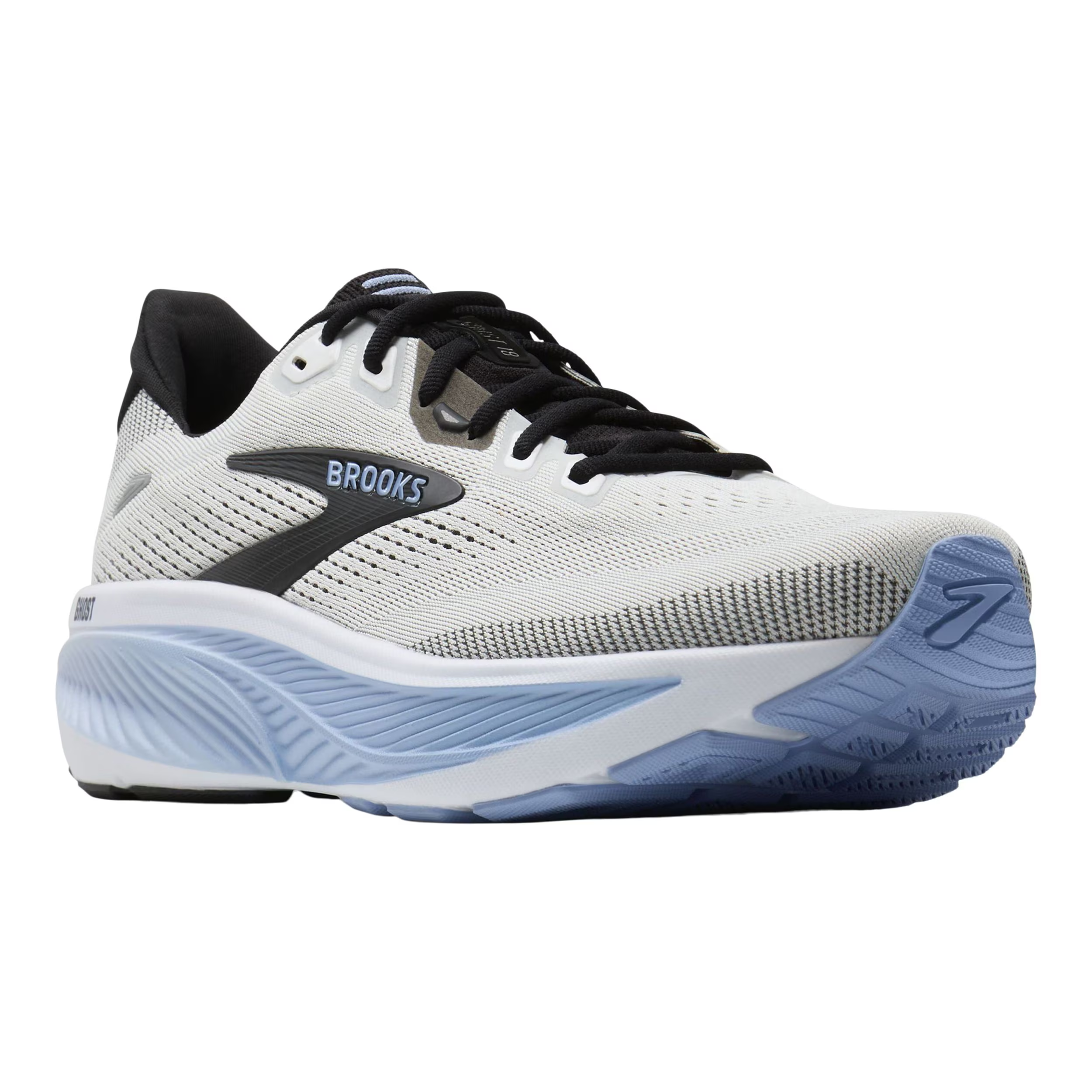
The Ghost 18 is the shoe I would point to when someone says, “I just want a normal running shoe that feels good.” It is not trying to feel especially fast, and it does not have the big rolling sensation you get from some newer trainers. You get soft DNA LOFT v3 cushioning, a secure heel, and a familiar 10 mm drop.
Compared with the Novablast 6, the Ghost feels calmer. That can be a good thing. Easy runs feel easy, the platform is predictable, and there is enough structure through the heel and forefoot that the shoe does not feel sloppy when you get tired. If you already know you like Brooks, this is an easy place to stay.
Why it stands out
- Familiar ride that takes very little getting used to
- Comfortable upper with a secure fit
- Works well for runners who prefer a traditional feel
Think twice if
- You want a light, springy shoe for faster days
- You prefer a lower drop
3. New Balance 1080v15
For the days when comfort matters more than feeling the road.
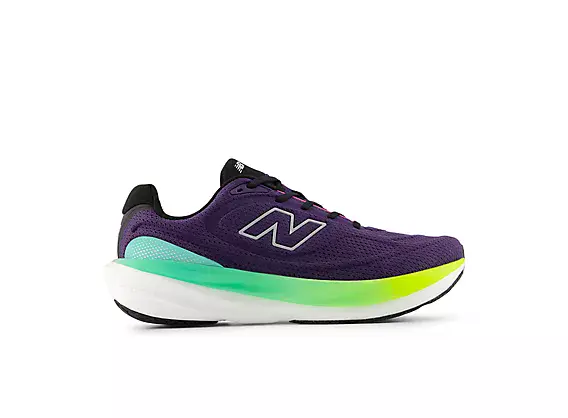
The 1080v15 is the shoe I would look at when the main goal is making easy miles feel comfortable. New Balance moved this version to its Infinion cushioning, and the shoe is still very much about softness, but it is lighter than the old 1080v14.
The 6 mm drop is worth noticing if you are coming from something like a Ghost or Pegasus. It can feel different through the calves at first. I would ease into it rather than taking it straight out for your longest run. Once the fit works for you, this is the kind of shoe that makes sense for recovery runs and long steady mileage.
Why it stands out
- Soft ride without the weight you might expect
- Good choice for long steady mileage
- Available in several widths
Think twice if
- You like a firm or very responsive trainer
- You are used to a high drop and do not want to transition
4. New Balance 880 v15
A dependable trainer for runners who would rather have simple and comfortable than flashy.
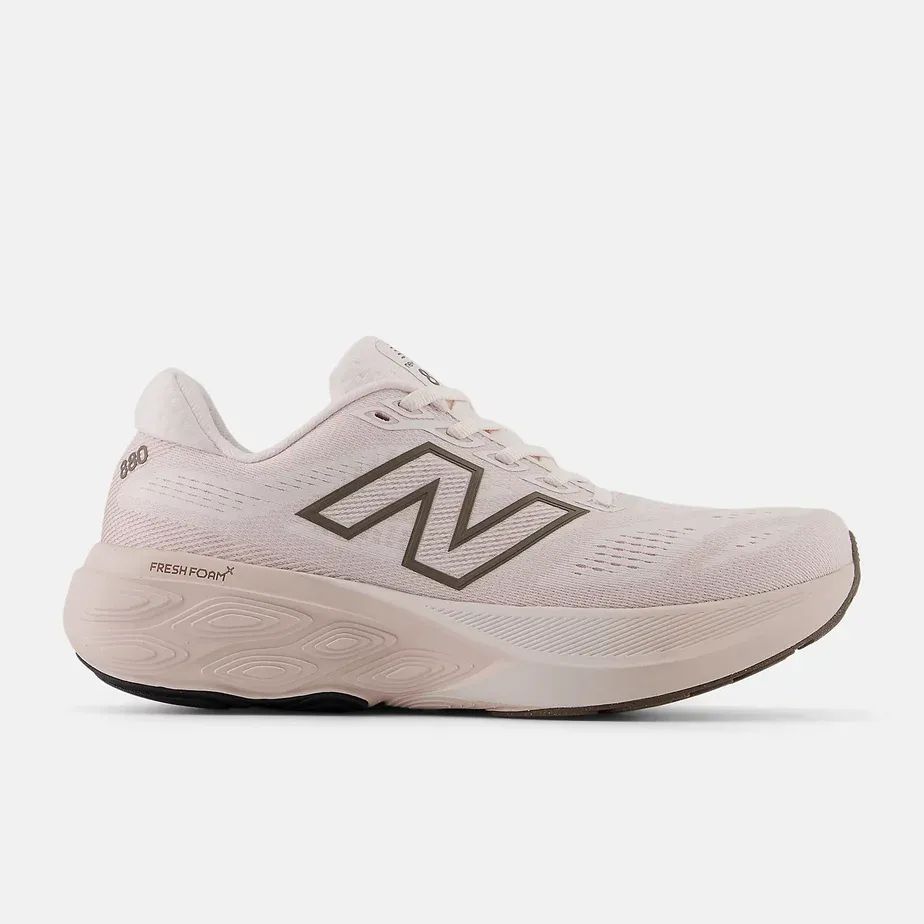
The 880 is not the shoe you buy because you want the newest trick in running foam. You buy it because you want something dependable. The v15 has a Fresh Foam X midsole, a structured mesh upper, and a fairly simple ride that works well for everyday mileage.
I especially like this type of shoe for someone building a rotation on a budget. It is comfortable enough to be your main trainer, but it also makes sense as the pair you keep for easy runs while a lighter shoe handles workouts. The 6 mm drop is lower than older 880 versions, so keep that in mind if you remember this line as a higher drop trainer.
5. ASICS Gel-Nimbus 28
The pick for runners who want the road to feel a little farther away.
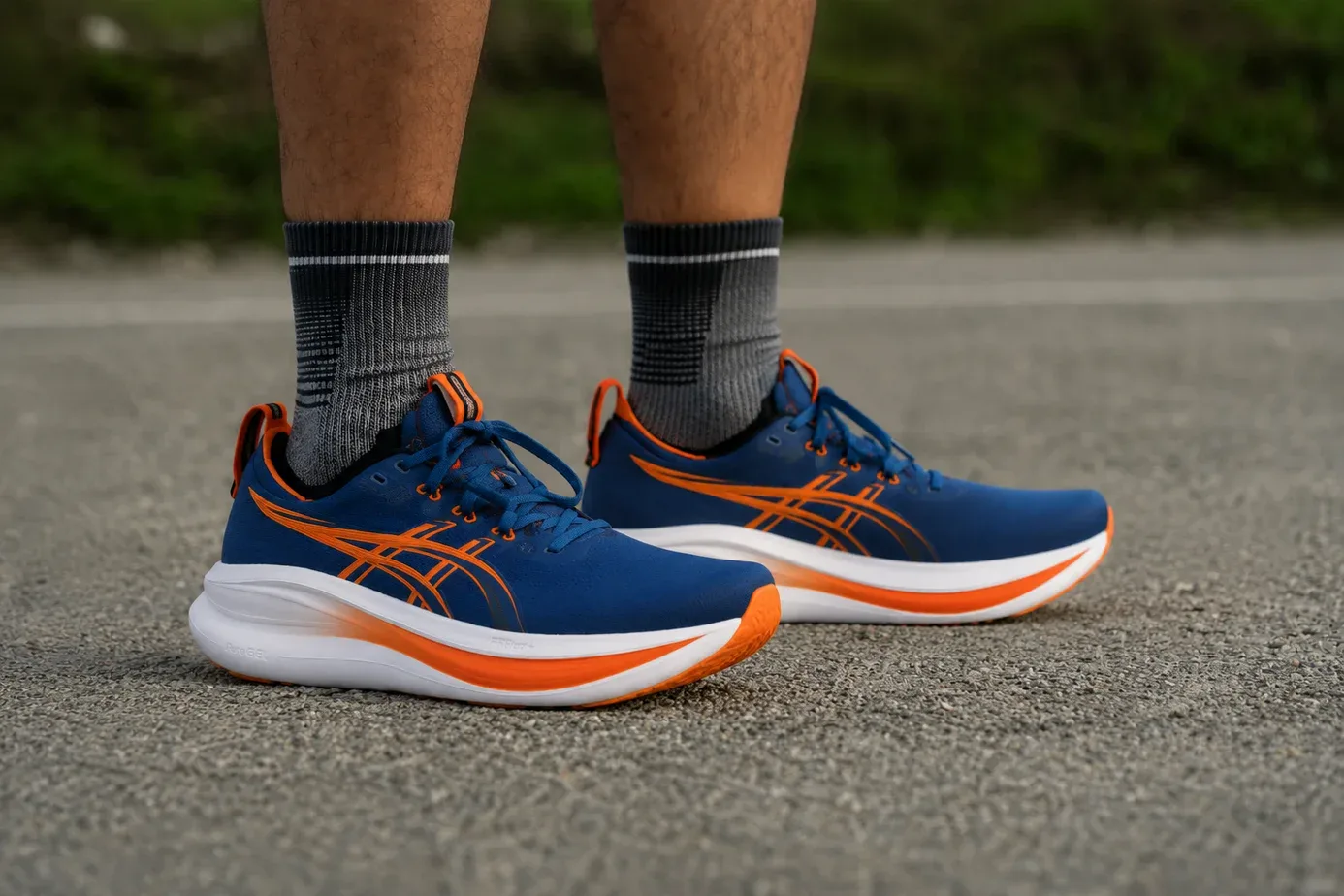
The Nimbus 28 is still the easy answer when someone says they want as much cushioning as possible without moving into a stability shoe. ASICS took weight out of this version, which helps because a max cushion shoe can start to feel clumsy when it gets too heavy.
I would use the Nimbus as an easy day and long run shoe, not because it cannot move faster, but because that is where all the cushioning makes the most sense. If you want one pair for easy runs and speed work, the Novablast 6 or Ride 19 gives you more range. If your priority is comfort, the Nimbus is hard to ignore.
6. Nike Pegasus 42
A familiar workhorse with a livelier setup than older Pegasus models.
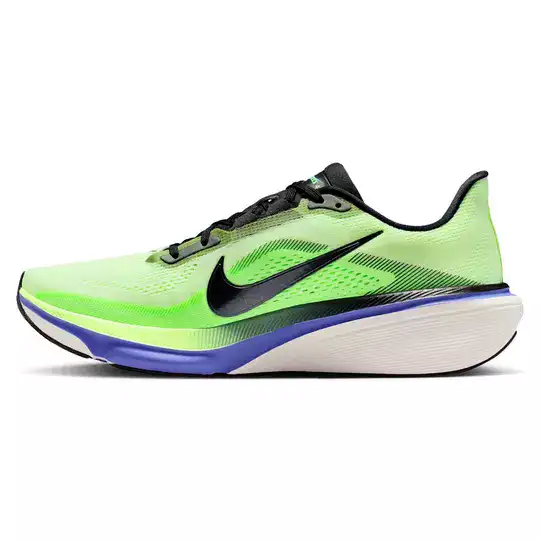
The Pegasus 42 is still a good answer if you want one shoe for running, travel, the gym, and whatever else ends up happening that day. Nike now uses a full length Air Zoom unit with ReactX foam, so the ride has more continuous spring underfoot than the separate heel and forefoot units used in the Pegasus 41.
It is not the softest shoe here, and that is part of why some runners like it. There is a bit more road feel and a more planted sensation than you get from the Nimbus or 1080. If you tend to destroy soft outsoles quickly, the Pegasus is also worth a look because Nike continues to put durable high abrasion rubber underneath it.
7. Saucony Ride 19
A lighter daily trainer that sits between soft and firm without leaning too far either way.
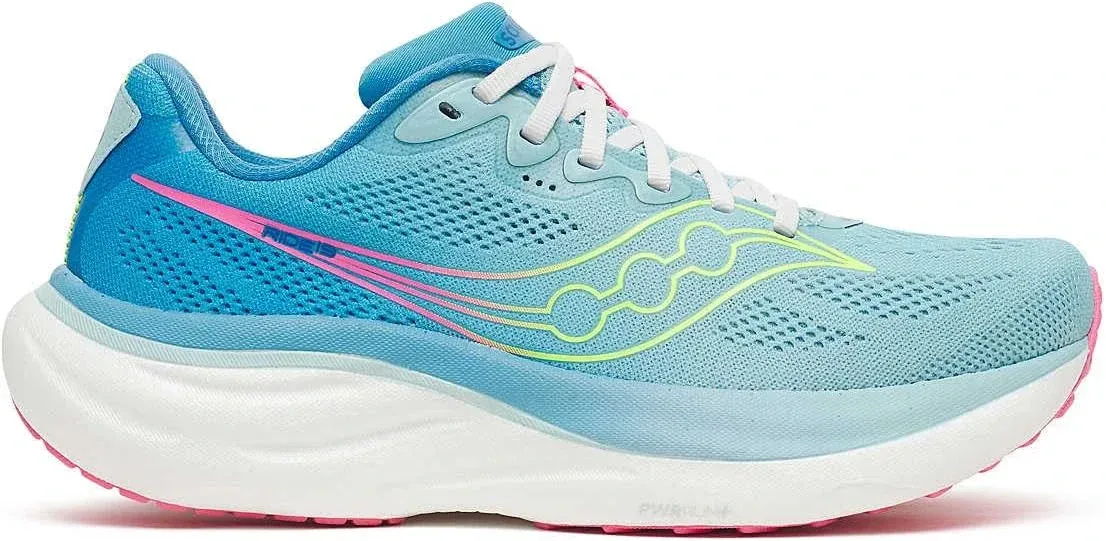
The Ride 19 is a good shoe for the runner who finds the Ghost a little plain but does not want the big soft feeling of a Nimbus or 1080. Saucony gives it a balanced midsole with a 10 mm drop, and the shoe is light enough that moderate pace runs do not feel like work just because of what is on your feet.
This is one I would look at if your week includes a bit of everything. Easy runs, a few strides, a steady long run, maybe some treadmill time. It is not a race shoe and it does not need to be. The appeal is that it rarely feels like the wrong shoe for the run you had planned.
8. Brooks Glycerin 23
For runners who like the idea of a Ghost but want a softer, more luxurious ride.
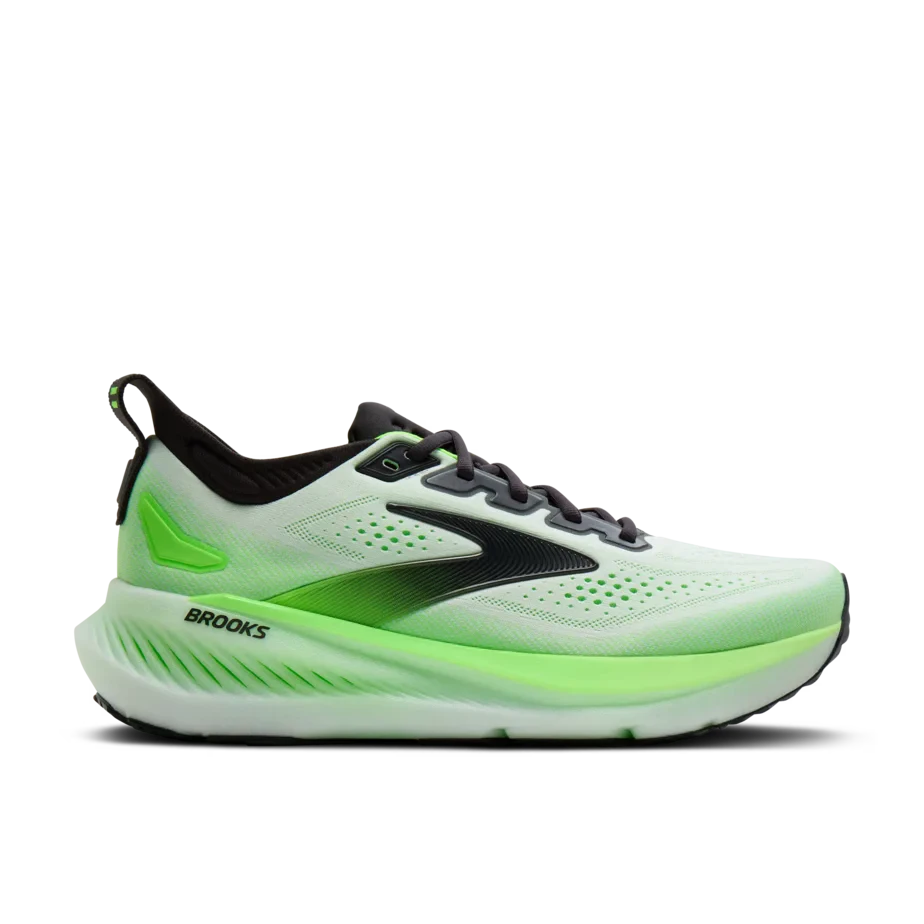
The easiest way to explain the Glycerin 23 is that it feels like a softer, more polished version of the everyday Brooks ride. The cushioning is plush, the upper is accommodating, and the 8 mm drop gives it a slightly different feel from the 10 mm Ghost 18.
I would spend the extra money on the Glycerin if comfort is the thing you notice first in a shoe. If you mostly care about having a dependable trainer and you are happy with a slightly simpler ride, the Ghost is enough. The Glycerin makes more sense when you want that extra softness every time you lace up.
9. ASICS Gel-Cumulus 28
A friendly first running shoe that is cushioned without feeling oversized.
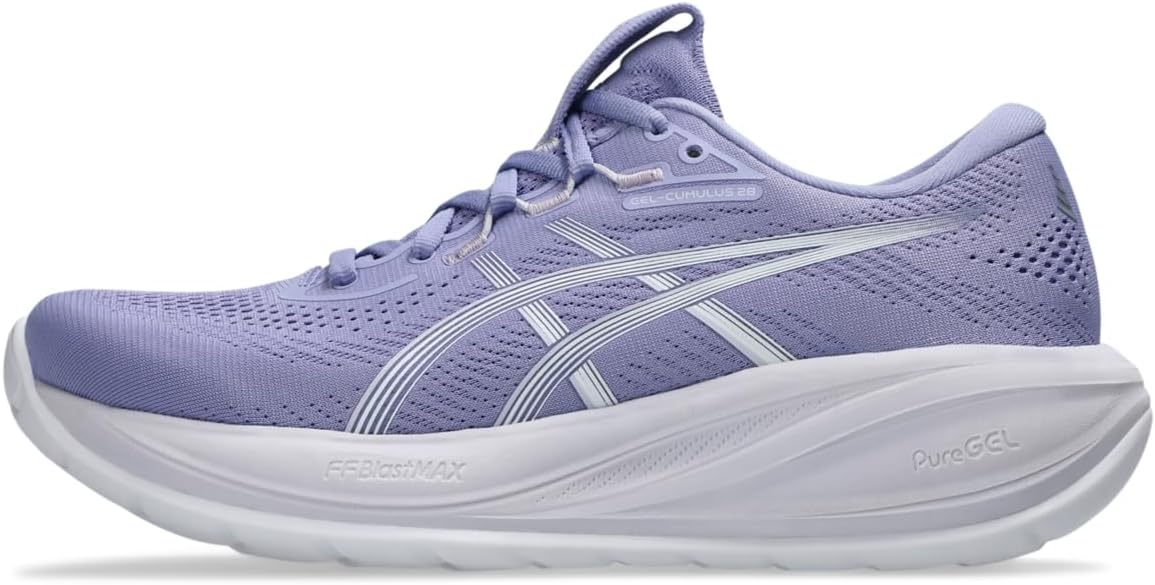
The Cumulus 28 is the kind of shoe I would show a new runner who does not yet know whether they like soft shoes, firm shoes, low drops, or giant stacks of foam. It lands right in the middle. There is good cushioning, an 8 mm drop, and a lighter feel than the Nimbus.
ASICS uses FF BLAST MAX foam in this version, so it has more response than the older Cumulus models many runners remember. It is still a straightforward daily trainer, which is exactly why it works here. You can learn what you like without buying something extreme for your first pair.
10. ASICS Superblast 3
Expensive, light, and much more versatile than a normal max cushion shoe.
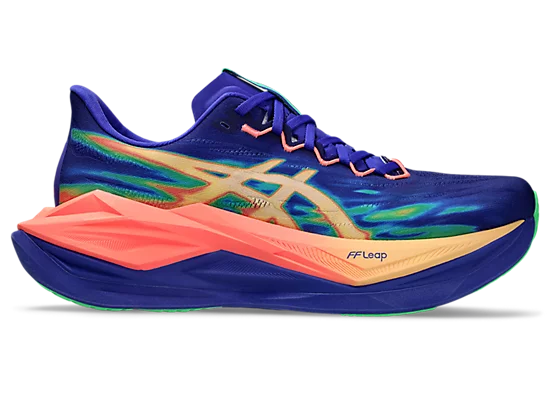
The Superblast 3 is not the sensible budget choice. It is here because some runners want one premium shoe for long runs that can still feel good when the pace changes. ASICS uses FF LEAP cushioning with a redesigned trampoline pod, and the whole shoe comes in much lighter than you would expect from the amount of foam underneath it.
I would not tell a beginner they need to spend this much. You do not. But if you already run a lot, know you like high stack shoes, and want something that can cover easy miles, long efforts, and quicker running without a plate, the Superblast 3 starts to make a lot more sense.
Which Neutral Running Shoe Should You Buy?
Fit Matters More Than the Ranking
I would rather see someone in a shoe lower on this list that fits perfectly than the number one shoe in the wrong width. Your heel should feel secure without being squeezed. Your toes need room to move, and you should not feel pressure across the widest part of your forefoot.
Many runners like roughly a thumb width of space in front of the longest toe because feet can swell during longer runs. That does not automatically mean everyone needs to size up. Shoe sizing varies by brand and model, so use the fit on your foot instead of the number on the box.
Drop matters too, especially when you make a big change. Moving from a 10 or 12 mm shoe into a 6 mm shoe can load your calves differently. There is no prize for switching quickly. Ease into a new setup and give your legs time to adjust.
Neutral Running Shoe FAQ
What is a neutral running shoe?
What is the best neutral running shoe for most runners?
Are neutral running shoes good for beginners?
Can I run a marathon in a neutral shoe?
How much room should I leave in a running shoe?
How long do neutral running shoes last?
If You Just Want the Answer
Start with the ASICS Novablast 6 if you want one neutral shoe that feels cushioned but still has some life to it. Choose the Brooks Ghost 18 if you prefer a more traditional ride. For soft long runs, I would look at the New Balance 1080v15. If maximum cushioning is the whole point, go with the ASICS Gel-Nimbus 28.
If none of those descriptions sounds quite right, use the Running Shoe Finder. It is a much better way to narrow the list than picking the shoe with the biggest stack or the nicest colour.