Best Cold Weather Running Gear for Winter (2026)
A good winter running outfit is not one heavy jacket. It is a dry base layer, enough wind protection, warm hands and head coverage, then traction and lights when the route calls for them. I run through Manitoba winters. The cold matters, but wind, ice, darkness and effort can change my outfit just as much. This guide helps you build the whole kit without buying everything at once.
This article contains affiliate links. RunningGearLab may earn a commission if you buy through one, at no extra cost to you. I personally use the Ronhill tights, Patagonia Airshed Pro, KIPRUN merino top and KIPRUN Warm Running Jacket Run 900 mentioned below. Other choices are based on current product details, price, availability and the job each item needs to do.
Build an outfitChoose a budgetBase layersJacketsBottomsHandsHead and faceSocksIce and darknessFAQ
Start Here
Choose your winter running budget
You do not need one matching outfit. Mix the tiers. Spend more where you have a real problem, such as frozen hands or wind cutting through your thighs.
Budget Kit
Cover every layer first
Roughly C$125 to C$175
- KIPRUN warm top
- KIPRUN warm jacket
- KIPRUN thermal tights
- Convertible gloves, beanie and neck warmer
- Merino blend running socks
This estimate is for core clothing. Shoes, traction and lighting are separate. Prices and sale stock change.
Best Value Kit
Upgrade the pieces that matter
Roughly C$350 to C$500
- Under Armour ColdGear base layer top
- A breathable wind shell or warm running jacket
- Ronhill or Athleta thermal tights
- Convertible wind mittens and a BUFF
- Smartwool cold weather socks
This is the sweet spot for most regular winter runners. It balances warmth, breathability and useful pockets.
Premium Kit
Target deep cold and wind
Roughly C$550 and up
- Smartwool thermal merino base layer top
- Craft SubZ jacket and tights
- Insulated wind resistant gloves
- Merino balaclava
- Cold weather running socks
Premium does not automatically mean better. Pay for a feature you need, not a logo or extra bulk.
Shop By Layer
Open the clothing item you need to see our reviews
How to use this section: open one clothing category, choose a price level, then move to the next gap in your outfit. Every option has a direct shopping link and a quick reason to buy or skip it.
1. Base layers: stay warm without holding sweat
Decision rule: choose a close fitting synthetic or merino top. Cotton holds moisture and gets colder as the run goes on.


Budget
KIPRUN Warm Run 500
A brushed running top with ventilation and thumb holes. It gives you useful winter features without a premium fabric price.
Buy if: you want an affordable first winter top. Skip if: you need merino for odour control on repeated wears.
Best Value
Under Armour ColdGear
The dual layer fabric has a brushed inside and a smooth, fast drying outside. It works well for runners who want warmth without wool.
Buy if: you like a close synthetic fit. Skip if: compression feels restrictive or you prefer a looser layer.
Premium
Smartwool Classic Thermal Merino
This is a warm merino base for cold days and repeat wear. It manages moisture well and is less likely to smell after one run.
Buy if: you value natural fibre warmth and odour control. Skip if: wool irritates your skin or you tend to overheat.
2. Jackets: block wind without trapping too much heat
Decision rule: choose wind protection before heavy insulation. The best running jacket protects your front while letting heat escape from your back and arms.
Budget
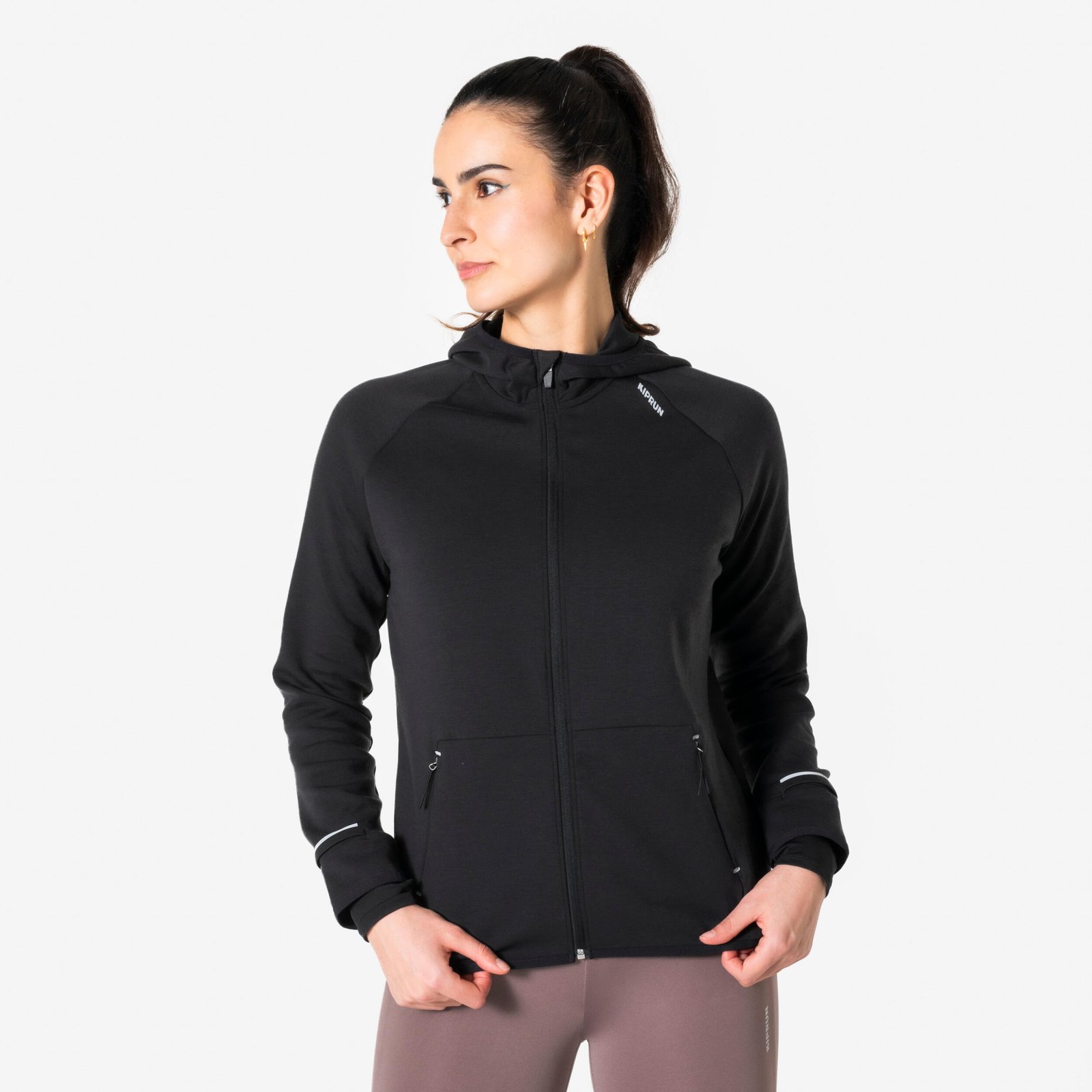
KIPRUN warm running jacket
The women’s Run 500 is a warm, breathable layer with a hood, pockets and thumb loops. I use the men’s Run 900 when I want more winter coverage.
Buy if: you need warmth at a sensible price. Skip if: your main need is strong wind protection or wet weather protection.
Best Value For Wind
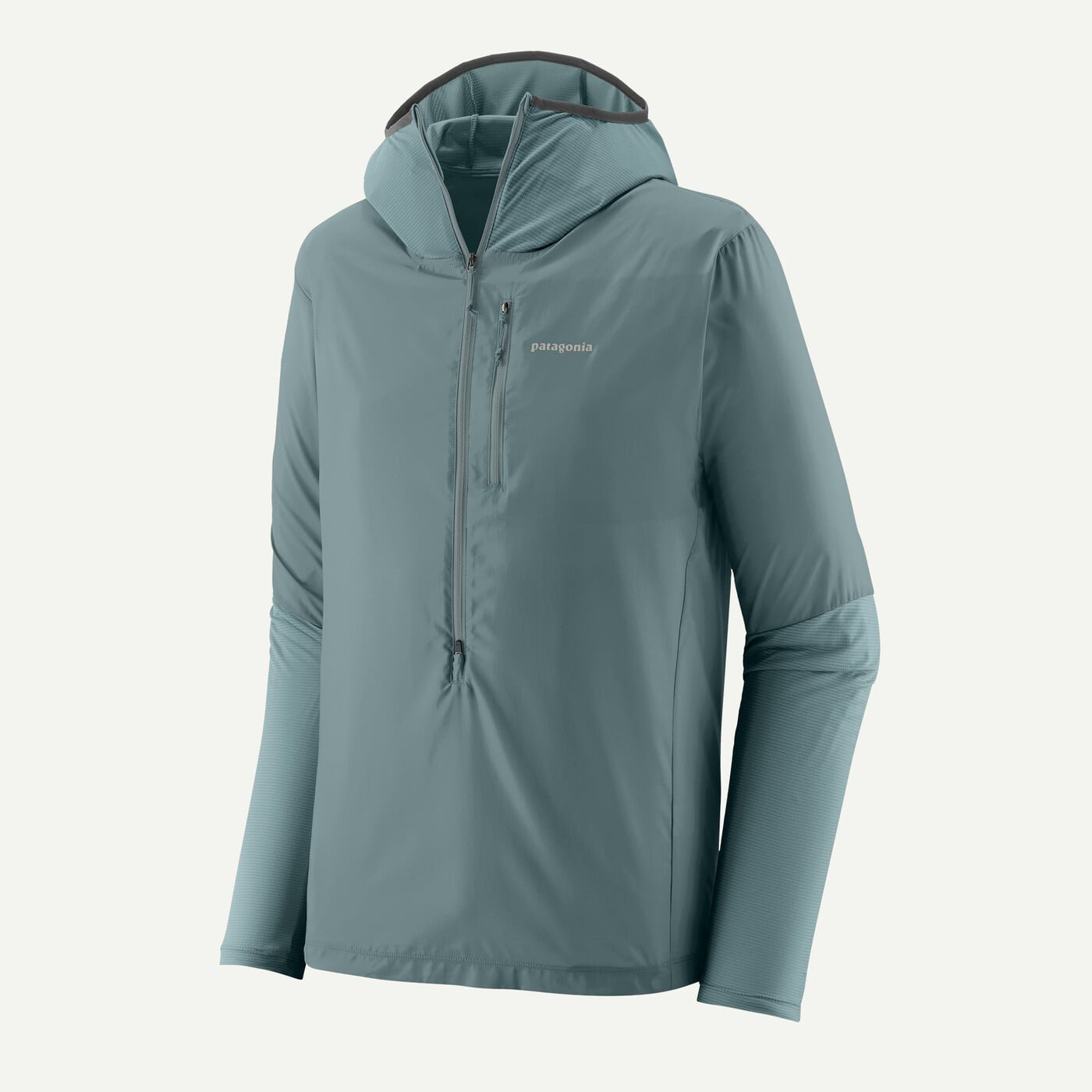
Patagonia Airshed Pro
The Airshed Pro is a very light, breathable wind shirt. I like it for changing effort and windy conditions. It is not an insulated deep cold jacket.
Buy if: you run warm and want wind control without a clammy shell. Skip if: you need built in insulation for slow runs.
Premium Deep Cold
Craft ADV SubZ Jacket
The SubZ design uses a wind protective front with light insulation, then stretch fabric through the back and sleeves. That layout makes sense for cold, active running.
Buy if: wind reaches your chest through lighter shells. Skip if: most of your runs are near freezing or you run hot.
Canadian stock changes by season. Check sizing and shipping before ordering.
3. Tights and pants: protect your legs from cold wind
Decision rule: brushed tights handle ordinary cold. Choose a wind protective front panel when exposed routes make your thighs feel numb.
Budget
KIPRUN Warm Run 100
These simple warm tights give you a brushed layer for everyday cold runs. They are a good place to start before paying for wind panels.
Buy if: you want affordable thermal coverage. Skip if: your regular route is exposed to hard wind.
Best Value
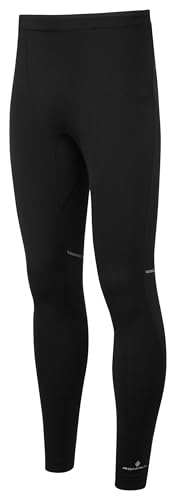
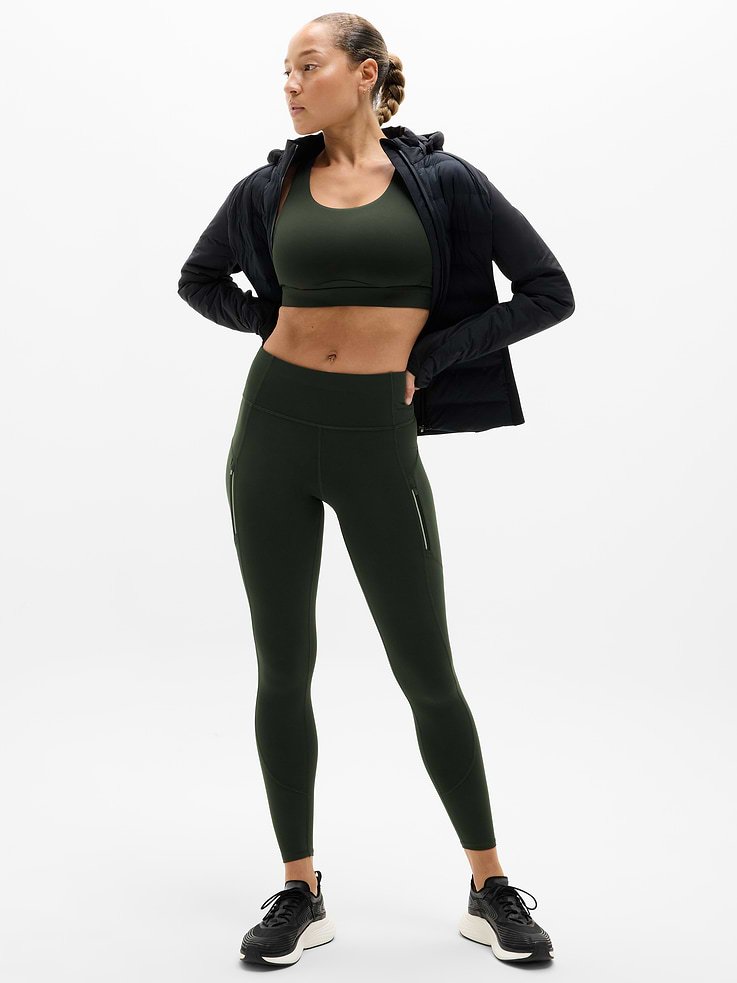
Ronhill Paragon or Athleta Rainier
I use the Ronhill Tech Paragon tights for dependable winter training. The Athleta Rainier gives women a brushed option with pockets, reflective details and a wide size range.
Buy if: you want a comfortable thermal tight for regular use. Skip if: you need a true wind barrier at the front.
For more fits, compare the women’s running pants guide and the men’s running tights guide.
Premium
Craft ADV SubZ Tights 3
The Ventair front combines wind protection with light insulation. Brushed stretch fabric at the back keeps the tights easier to move in.
Buy if: wind is the reason your current tights fail. Skip if: ordinary brushed tights already keep your legs comfortable.
4. Gloves and mittens: match warmth to wind
Decision rule: thin gloves are enough until they are not. A fold over mitten shell is the most useful upgrade because it traps heat and blocks wind without forcing you to wear a bulky glove for the full run.
Budget
KIPRUN Evolutiv V2
This convertible glove adds a mitten cover when your fingers get cold. The cover packs away when your hands warm up.
Buy if: you want one flexible glove for changing conditions. Skip if: you need real insulation for deep cold.
Best Value
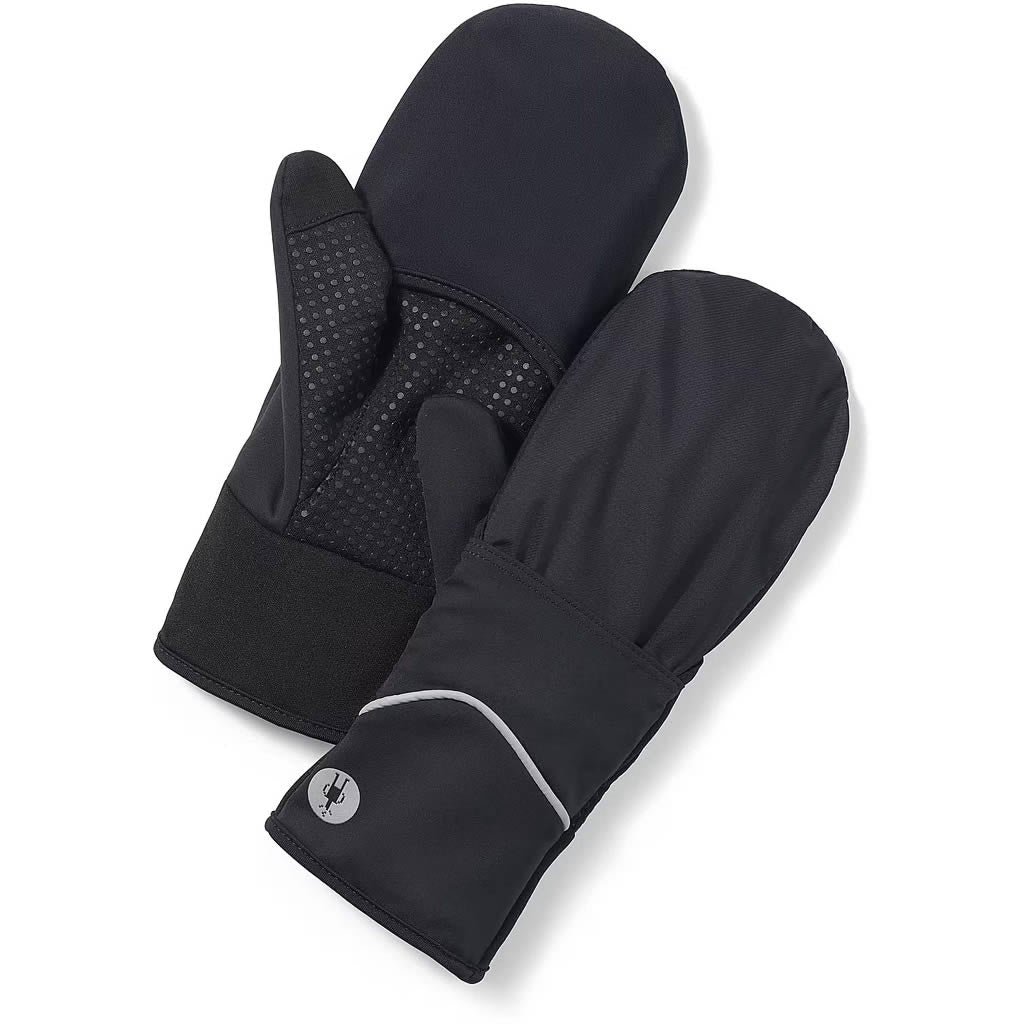
Smartwool Active Fleece Wind Mitten
The soft glove has a wind mitten that folds over the fingers. Reflective details and touchscreen fingertips make it practical for running.
Buy if: wind is your main hand problem. Skip if: it is sold out or you need a warmer insulated glove.
Availability has been limited, so treat this as the design to look for rather than the only acceptable mitten.
Premium
Smartwool Smartloft Glove
This warmer glove uses recycled wool insulation, a wind resistant front and a merino lined interior. It is made for colder conditions than a thin liner glove.
Buy if: your hands stay cold in convertible fleece gloves. Skip if: you need to remove layers once you warm up.
5. Hat, neck and face coverage: close the easy heat gaps
Decision rule: start with your ears and neck. Add cheek, nose and chin coverage when wind chill makes exposed skin the risk.
Budget
KIPRUN beanie and neck warmer
These simple pieces cover the most common gaps for very little money. The neck warmer can also cover part of your face for short periods.
Buy if: you need basic coverage now. Skip if: deep cold regularly requires full face coverage.
Best Value
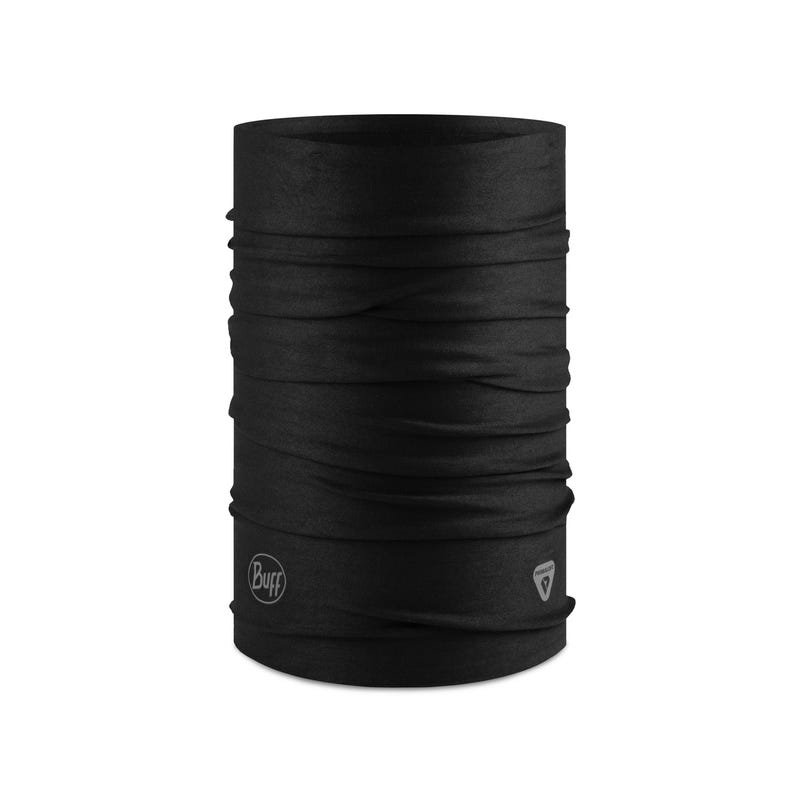
BUFF ThermoNet
ThermoNet is warm for its weight and easy to move as conditions change. Wear it around your neck, pull it over your lower face or use it as light head coverage.
Buy if: you want one piece that can do several jobs. Skip if: you only need ear coverage.
Premium
Smartwool Thermal Merino Balaclava
The double layer merino design covers the head and neck, while the hinged face opening lets you adjust how much skin is exposed.
Buy if: you regularly run in cold wind with full coverage. Skip if: your glasses fog badly or you only run near freezing.
For lighter options, compare the full running hats and headwear guide.
6. Socks: keep feet dry without crowding the shoe
Decision rule: choose a technical sock that leaves room for your toes. A very thick sock inside a tight shoe can reduce circulation and create more rubbing.
Budget
KIPRUN Run 900 Merino
This merino blend running sock adds warmth at a low price while keeping a running specific fit.
Buy if: you want to try merino without spending much. Skip if: the available size bunches or pulls tight across your toes.
Best Value
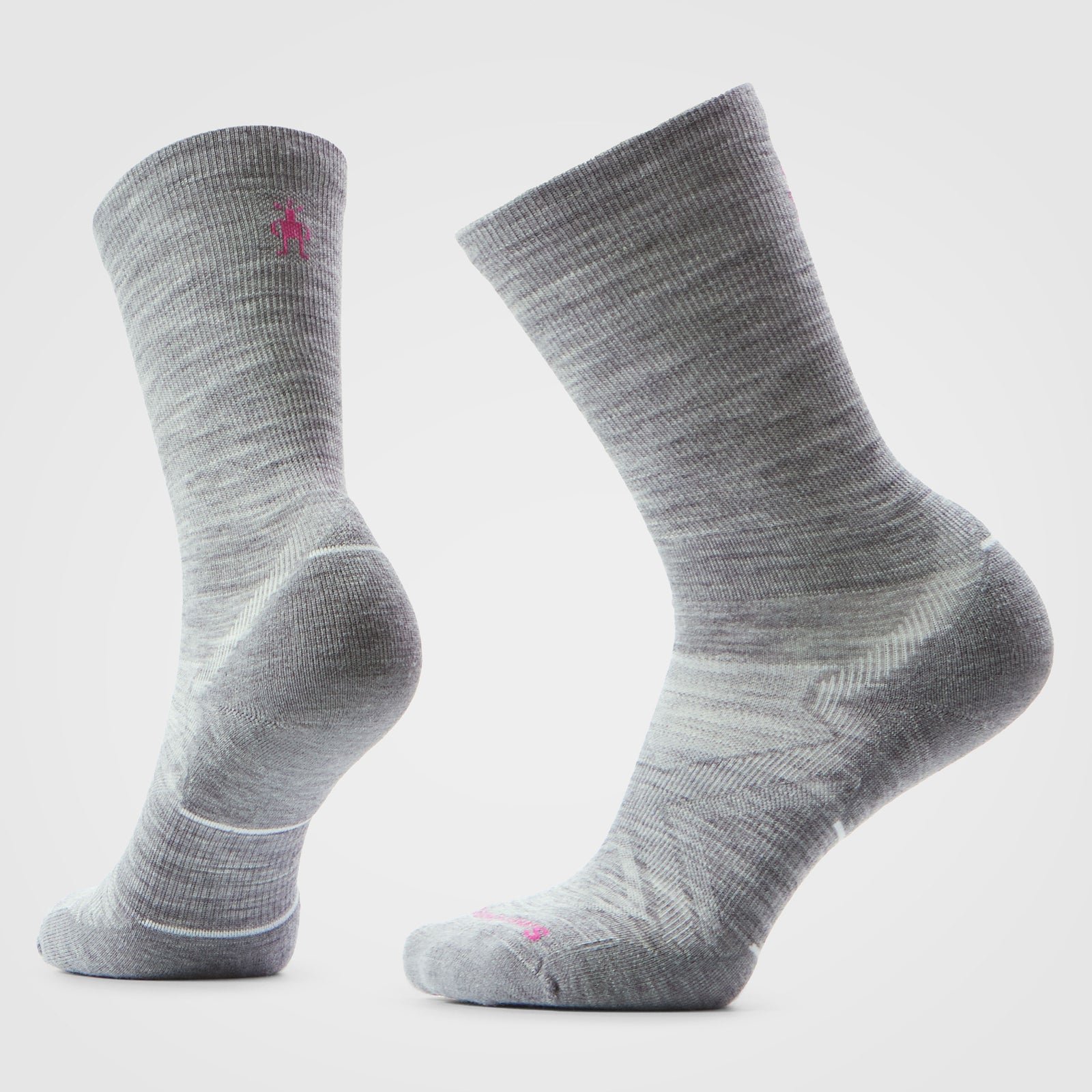
Smartwool Run Cold Weather Crew
The crew height adds ankle coverage. The merino blend, targeted cushioning and flat toe seam suit cold road and trail runs.
Buy if: your regular running socks feel cold or low around the ankle. Skip if: your winter shoes already fit snugly.
Premium Advice
Pay for fit, not extra thickness
There is no need to buy the most expensive winter sock. Once the fabric manages moisture, the best upgrade is a shape and thickness that fit your foot and shoe.
Best move: buy a second pair of the sock that already fits. Change brands only when durability, seams or sizing are wrong.
If winter moisture creates repeat hot spots, use the blister prevention guide.
What I Actually Wear
My Manitoba winter running kit
On milder cold days, I often wear the Decathlon KIPRUN merino long sleeve with Ronhill Tech Paragon tights. I add the Patagonia Airshed Pro when the wind matters more than insulation.
For colder runs, I use the Decathlon Warm Running Jacket Run 900. Nike gloves and a brooks winter hat. I will wear a thin long-sleeve base layer and then either a merino long sleeve on top or a fleece mid layer. I also own multiple buffs and a breathable half face mask for when it is very cold. I also own multiple merino socks from Darn tough, Smart wool and Injinji
Build your winter running outfit in 30 seconds
Start slightly cool. You should feel comfortable after the first 10 minutes, not while standing at the door. Add one light layer if the run is easy, the wind is strong or you usually feel cold.
5°C to 0°C
Wear: a light long sleeve top, tights or light pants, thin gloves and a headband if your ears get cold. Add a light wind shell when it is breezy or wet.
0°C to minus 10°C
Wear: a warm base layer, a wind resistant jacket, thermal tights, gloves, a beanie and technical socks. A neck warmer is useful when the wind picks up.
Minus 10°C to minus 20°C
Wear: a warmer base, a jacket with wind protection at the front, thermal bottoms, mittens or lined gloves, a covered neck and a hat. Add face coverage and check exposed skin often.
Below minus 20°C
Wear: full skin coverage and wind protection, but check the wind chill before deciding to run outside. Choose short loops near home. On high risk days, an indoor run is the better call.
These are starting points, not fixed rules. A hard workout
Safety Gear
Ice and darkness need separate tools
TIce and darkness need seperate tools
Warm clothing does not create grip, and a reflective jacket does not light the ground. Treat traction, seeing and being seen as three different jobs. Check out our articles below if you want reviews.
Before buying separate winter shoes
- Waterproofing and traction are different. A waterproof upper can keep slush out, but the outsole still decides how the shoe grips.
- Check space with winter socks. Toes need room to move.
- Try traction on the shoe. A spike device changes the feel and can affect fit.
- Keep the route in mind. Cleared pavement, packed snow and glare ice do not need the same outsole.
What Matters Most
Five buying rules that prevent wasted money
Fix wind before adding bulk
A light wind panel can feel warmer than a thick fleece on an exposed route. It also traps less sweat.
Avoid cotton next to skin
Cotton holds moisture. A synthetic or merino base is safer and more comfortable once you begin to sweat.
Protect hands and face early
A cheap neck warmer or mitten shell can solve more than a costly jacket when exposed skin is the weak point.
Leave room in the shoe
Thicker socks are not always warmer. Crowded toes can feel colder and are more likely to rub.
Make every purchase solve one problem
Cold chest, numb thighs, frozen fingers and poor visibility need different fixes. Buy for the actual failure.
Winter seams, waistbands and packs can rub in new places. If that starts happening, use the anti chafing guide for runners.
Get an outfit for today’s weather
Enter the temperature, wind, snow, run length and effort. The calculator gives you a practical starting outfit in less than a minute.
Cold Weather Safety
Check wind chill, not just temperature
Wind removes the warm air near your skin. Wet skin loses heat faster too. Environment and Climate Change Canada lists a wind chill from minus 28 to minus 39 as high risk, with exposed skin able to freeze in 10 to 30 minutes. At minus 40 to minus 47, that can happen in 5 to 10 minutes.
- Cover exposed skin and turn around if numbness begins.
- Use a short loop near home instead of a long point to point route.
- Tell someone where you are going and carry a phone.
- Slow down on ice even when you are wearing traction.
- Move the run indoors when the route or wind chill is beyond the gear you own.
Gear lowers risk. It does not make every storm or temperature safe. Warm up indoors first with this running warmup guide.
Keep Shopping
Related running gear guides
FAQ
Cold weather running gear questions
What should I wear to run at 0°C?
Start with a warm long sleeve base, thermal tights, thin gloves and a beanie or headband. Add a light wind resistant jacket if it is breezy, wet or you are running at an easy pace.
What should I wear to run at minus 10°C?
Wear a warm base layer, a running jacket with wind protection, thermal tights, gloves or light mittens, a beanie, a neck warmer and technical socks. Add face coverage when the wind chill calls for it.
Is merino better than synthetic fabric for winter running?
Neither is always better. Merino offers comfortable warmth and odour control. Synthetic fabric often dries faster, costs less and feels smoother against the skin. Choose the one you will wear consistently.
Do I need waterproof running shoes in winter?
Not always. Waterproof shoes help with slush and wet snow, but they can run warmer and do not create traction on ice. Fit, outsole grip and room for your sock matter just as much.
How much does a winter running outfit cost?
A complete budget clothing kit can often be built for about C$125 to C$175 before shoes, traction and lights. A best value kit is commonly C$350 to C$500. Buy one missing layer at a time instead of replacing clothing that already works.
When is it too cold to run outside?
There is no single safe cutoff for every runner. Check the wind chill, the length of the run, route access and whether you can keep skin covered. At high risk wind chill values, choose a short loop or move the run indoors.
The simplest way to build your kit
Start with a base layer, wind protection and thermal bottoms. Use the gloves, hat and socks you already own. After a few runs, upgrade the one item that failed first.
Sources checked for this update
Product details and Canadian pricing were checked against current pages from Decathlon Canada, Under Armour Canada, Patagonia Canada, Smartwool Canada, Craft Canada and Athleta Canada. Cold safety guidance was checked against the Environment and Climate Change Canada wind chill index. Prices, colours and stock can change.