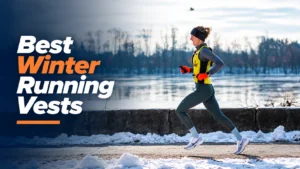
Best Winter Running Socks for Cold, Snow & Slush (2026)
Quick answer: The Smartwool Run Cold Weather Crew is our best winter running sock for most runners because it adds useful warmth without feeling like a hiking sock. If your winter shoes already fit snugly, choose the thinner Darn Tough Run Micro Crew. For repeated slush and puddles, the Sealskinz Starston is a specialist waterproof option.
Our winter running sock picks
Swipe the cards on a phone. Use the arrows with a keyboard or larger screen.
Best overall

Smartwool Run Cold Weather Crew
Balanced merino warmth and targeted cushion for most dry winter runs.
Best for rubbing

Balega Blister Resist Quarter
Soft, cushioned and secure for moderate cold when hot spots are the bigger worry.
Best plush merino

Feetures Merino 10 Max Cushion Crew
Warm, soft and highly cushioned for runners with room inside their shoes.
Best for snug shoes

Darn Tough Run Micro Crew
Low-bulk merino warmth when a thick sock would squeeze your toes.
Best toe sock

Injinji Trail Midweight Mini-Crew
Separates the toes to reduce skin-on-skin rubbing in moderate winter conditions.
Best synthetic value

R-Gear Drymax Quarter 3-Pack
A breathable rotation pack for sweaty feet and milder winter runs.
Best for slush

Sealskinz Starston Waterproof
A waterproof, insulated specialist sock for wet snow, slush and puddles.
Runner-reviewed and carefully researched. Justin runs through Winnipeg winters. He owns Smartwool cold-weather socks plus Balega Blister Resist, Darn Tough crew and Injinji running socks. The remaining picks were chosen from official specifications and recurring feedback from winter runners. We do not claim that every pair was personally tested.
Affiliate disclosure: Running Gear Lab may earn a commission if you buy through a link, at no extra cost to you. Recommendations are based on fit, materials, winter use and value, not commission. Prices and availability can change, so we do not hard-code them.
Full reviews: the best socks for winter running
1. Best overall winter running sock
Smartwool Run Cold Weather Targeted Cushion Crew
Team experience: Justin owns Smartwool cold-weather running socks
Best for: Runners who want one dependable sock for cold, mostly dry roads and trails.
The Smartwool is our first recommendation because it sits in the practical middle. The merino blend helps manage temperature and moisture, the crew height covers the gap below tights and the cushioning is placed in key areas rather than packed through the entire sock.
That matters in winter footwear. A maximum-cushion sock may feel warmer in your hand, but it can change how the shoe holds the forefoot. Smartwool’s targeted cushion is easier to fit into a normal daily trainer while still feeling more winter-ready than an ultralight summer sock.
Check the product name, size and cushion level on the retailer page. Amazon may group multiple variants.
2. Best for rubbing in moderate cold
Balega Blister Resist Quarter
Brand-family experience: Justin owns Balega Blister Resist; this quarter height was separately researched
Best for: Moderate winter temperatures, soft cushion and runners prone to heel or forefoot hot spots.
Balega combines mohair with its synthetic Drynamix fibres. The result is soft, warm and more cushioned than the Darn Tough pick. The quarter cuff also gives better snow and ankle coverage than a no-show sock.
The catch is volume. This is the pair to consider when rubbing and comfort matter more than creating the thinnest possible fit. If your toes already touch the upper or the sides of the shoe, a lower-bulk sock is safer.
3. Best plush merino sock
Feetures Merino 10 Max Cushion Crew
Research-based pick: exact model not claimed as team-tested
Best for: Runners with roomy shoes who want a softer, warmer and more cushioned feel.
Feetures pairs merino with Tencel in a crew sock with maximum cushion. It is the most comfort-focused conventional running sock in this guide. The tall cuff adds coverage, while the structured fit is meant to stay closer to the foot than a loose hiking sock.
Maximum cushion is not automatically better. It works when your winter shoe has extra space or when you deliberately fit the shoe around a thicker sock. If you are trying to rescue a snug shoe, move to the Darn Tough instead.
4. Best low-bulk merino sock
Darn Tough Run Micro Crew Ultra-Lightweight
Brand-family experience: Justin owns Darn Tough crew socks; this Run Micro Crew was separately researched
Best for: Snug winter shoes, runners who dislike cushion and those who want merino without hiking-sock bulk.
This is the counterintuitive winter pick. It is not the warmest sock by itself, but its ultra-light construction can keep the shoe from compressing your forefoot. Comfortable toe movement and space for warm air can matter more than extra fabric.
The micro-crew height keeps the ankle covered and the performance fit is designed to reduce bunching. Pair it with a winter-capable shoe if wind through a mesh toe box is your real problem.
5. Best for toe-on-toe rubbing
Injinji Trail Midweight Mini-Crew
Brand-family experience: Justin owns Injinji Run Lightweight and has used a warmer Injinji in winter; exact Trail model researched
Best for: Runners whose toes rub each other, especially in moderate cold and on winter trails.
Each toe sits in its own pocket, which removes skin-on-skin contact. The Trail Midweight adds more material underfoot than Injinji’s lightweight road models, plus a mini-crew cuff that helps keep debris away from the ankle.
It is important to be honest about the cold. This model uses a COOLMAX synthetic blend, not merino, and runners disagree about toe socks in winter. Some like the moisture control and separated toes. Others feel colder because each toe is wrapped alone. Test them on a short loop before trusting them in deep cold.
6. Best synthetic value pack
R-Gear Drymax Quarter Running Socks 3-Pack
Research-based pick: exact model not claimed as team-tested
Best for: Sweaty feet, milder winter runs and runners who need several pairs in rotation.
Not every winter runner needs wool. Drymax builds its socks around moving moisture away from the skin, and this three-pack is easier to rotate through a wet training week. It is a useful choice around freezing and into moderate cold for runners whose feet overheat in plush merino.
This exact Amazon listing is the standard R-Gear Drymax Quarter 3-Pack. It is not the separate Drymax Cold Weather model, so we do not present it as an extreme-cold sock. If you want more insulation, look for Drymax’s Cold Weather line and confirm the listing title.
7. Best waterproof sock for slush
Sealskinz Starston Waterproof Cold Weather Mid Length Sock
Research-based specialist pick: exact model not claimed as team-tested
Best for: Runners who repeatedly cross slush, wet snow, puddles or sloppy shoulder-season trails.
The Starston uses a waterproof membrane between a durable outer and a merino-blend lining. Unlike a standard wool sock, it is designed to stop outside water rather than simply stay more comfortable when damp.
That construction adds bulk, cost and a less airy feel. It can be worth it when soaked shoes are predictable, but it is overkill for dry pavement. Make sure the cuff sits high enough for your route and that your shoe still flexes naturally with the sock inside.
Winter running socks compared
Warmth ratings are relative within this guide. Your shoes, wind, moisture, pace and circulation can change how any sock feels.
| Sock | Best for | Relative warmth | Cushion | Material approach | Shoe space needed | Main trade-off |
|---|---|---|---|---|---|---|
| Smartwool Cold Weather Crew | Most dry winter runs | Warm | Targeted | Merino blend | Regular | Costs more than basic synthetic socks |
| Balega Blister Resist Quarter | Hot spots and moderate cold | Moderate | Plush | Mohair and synthetic blend | Regular to roomy | Too bulky for some fitted shoes |
| Feetures Merino 10 Max Cushion Crew | Soft warmth and impact comfort | Warm | Maximum | Merino and Tencel blend | Roomy | Max cushion changes shoe fit |
| Darn Tough Run Micro Crew | Snug winter shoes | Light to moderate | None | Merino blend | Snug to regular | Less insulating cushion underfoot |
| Injinji Trail Midweight Mini-Crew | Toe-on-toe rubbing | Moderate | Midweight | COOLMAX synthetic blend | Regular | Toe pockets divide opinion in cold |
| R-Gear Drymax Quarter 3-Pack | Sweaty feet and value rotation | Light | Moderate | Drymax synthetic system | Snug to regular | Not a deep-cold sock |
| Sealskinz Starston | Slush, puddles and wet snow | Warm | Midweight | Waterproof membrane and merino lining | Roomy | Bulky, expensive and less airy |
On a phone, swipe the table sideways. The sock name remains visible.
How we chose these winter socks
We started with the problems that actually make a winter run uncomfortable: wind reaching the toes, sweat that stays against the skin, snow entering at the ankle, slush soaking through the shoe and thick socks stealing toe room. We then compared official materials, height, cushion and intended use.
Justin’s Winnipeg experience helped us judge the difference between useful warmth and too much bulk. We also reviewed recurring themes in running forums. Runners repeatedly recommend merino, but their Injinji opinions are split and their temperature limits vary. That is why this guide treats fit and conditions as more useful than declaring one universally warmest sock.
Four picks connect to products Justin owns in the same line or brand. Those labels are specific. The other models are research-based selections. We did not copy retailer ratings, invent wear-test mileage or turn marketing claims into medical promises.
How to choose winter running socks by temperature
Temperature is only the starting point. A sunny, calm -15°C run can feel easier on your feet than a windy, wet run near freezing. Use these ranges to narrow the choices, then check wind, moisture, pace and shoe fit.
Around 0 to -10°C
Many runners only need a normal moisture-managing sock. Balega works when you prefer cushion; R-Gear Drymax suits runners who sweat; Darn Tough suits a close-fitting shoe. Do not add insulation simply because the calendar says winter.
Around -10 to -20°C
Smartwool is our balanced choice. Use Feetures when your shoe is roomy and you genuinely prefer more cushion. A crew cuff helps cover the skin below tights, but it does not replace an appropriate shoe or full winter outfit.
Below -20°C
There is no sock that makes every condition safe. Choose a merino winter sock that fits without pressure, shorten the route, use loops close to shelter and check the wind chill. Justin’s experience is that very thick socks in snug shoes can make toes colder. When wind chill approaches extreme levels, an indoor run can be the better call.
Wet snow, puddles and slush
Outside water changes the problem. A waterproof sock such as Sealskinz can help when the shoe gets soaked, but it needs more space and may feel warmer. A weather-resistant upper, gaiter and route choice can also matter. For a one-off shallow puddle, wool may be simpler.
The most important fit rule: you should be able to wiggle your toes without pressure after putting on the winter sock. If a thicker pair makes the shoe tight, the “warmer” sock may reduce comfort and leave your feet feeling colder. Consider the Darn Tough pick or a higher-volume winter shoe instead.
Why your feet may stay cold even in warm socks
Use the running temperature outfit calculator to plan the rest of your layers, and read our winter running guide before very cold or windy runs.
Test a new sock before a long winter run
Cold-safety note: Do not try to “run through” numbness, persistent pain or pale, waxy-looking skin. Get inside, warm up gradually and seek medical help when symptoms are severe or do not improve. This shopping guide is not medical advice.
Build the rest of your winter running kit
Winter running sock FAQ
Are wool or synthetic socks better for winter running?
Merino blends are a strong starting point because they balance warmth, moisture management and odour control. Synthetic socks can be better for runners who sweat heavily, want faster drying or need a thinner fit. The best choice is the fabric and thickness that stay comfortable in your shoe.
How thick should winter running socks be?
Only as thick as your shoe can comfortably hold. Targeted or light cushion works for many runners. Use max cushion only when the toe box and forefoot still have space after the sock is on.
Should I wear two pairs of socks for winter running?
Usually not. Two pairs can bunch, trap extra sweat and crowd the shoe. A liner system can work for some runners, but test it carefully. One well-fitting technical sock is the simpler starting point.
Are waterproof socks worth it for winter running?
They can be worth it for repeated slush, puddles and wet snow. They are usually bulkier, more expensive and less airy than normal socks, so they are not necessary for every dry winter run.
Can I run in cotton socks in winter?
Cotton holds moisture and dries slowly, which can feel clammy and cold. Choose a technical synthetic or merino blend for cold-weather running.
What socks are best below -20°C?
A warm merino blend that fits without pressure is a sensible start, but no sock guarantees comfort at a specific temperature. Wind chill, footwear, time outside, pace and individual circulation matter. Shorten the route and use indoor options when conditions are extreme.
Are toe socks good for winter running?
They can help runners who blister between the toes, but cold-weather opinions are mixed. A midweight or wool model is more winter-friendly than an ultralight synthetic one. Test on a short loop before deep cold.
How should I wash merino running socks?
Follow the product label. A gentle cool or warm wash and low heat or air drying usually protects fit and fibres better than high heat. Turn socks inside out when the brand recommends it.
Sources and fact checking
- Smartwool Run Cold Weather Crew product details
- Balega Blister Resist Quarter product details
- Feetures Merino 10 Max Cushion Crew product details
- Darn Tough Run Micro Crew product details
- Injinji Trail sock collection and specifications
- Drymax Cold Weather line for comparison
- Sealskinz Starston construction and care details
- Winter running sock discussion on r/running
- Runner discussion about Injinji warmth and sock preferences
- RunToTheFinish winter running sock guide, reviewed for competitor coverage
Written by Kelly Hanna with winter-running context from Justin Evenden. Last fact checked October 26, 2026. Product names, materials and retailer listings can change.