
Find the perfect
running shoe
for your feet.
Answer 7 quick questions and our shoe finder matches you to the right shoe from 200+ tested models — based on your gait, terrain, and goals. Plus in-depth reviews for every major category.
Running Shoe Reviews
Every shoe tested over 100+ miles. No spec-sheet regurgitation.

Brooks Caldera 8 Trail Running Shoes — My Honest Review
I ran straight at a puddle wide enough to swallow the whole trail to see if these shoes could handle real Pacific Northwest conditions. Here’s what happened after 120 miles on technical terrain.
Read the full review →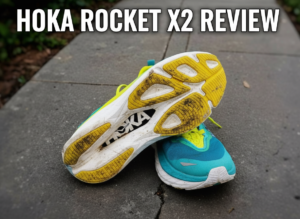
Hoka Rocket X2: A Runner’s First Venture Into Plated Shoes
Floating on clouds at the end of a tempo. Is the Rocket X2 worth the price of admission?
The 5 Best Running Shoes With Arch Support 2026
Whether you have flat feet or high arches, the right arch support changes everything.

Top 5 Best Stability Running Shoes 2026
Expert-tested picks for overpronators who want control without sacrificing cushion.

Best Running Shoes for Bunions 2026: Complete Guide
Every shoe feeling like a punishment? These picks are built differently — wide where it counts.
10 Best Neutral Running Shoes 2026
Everything you need to know about finding the best neutral shoe for your stride.

Best Minimalist Running Shoes 2026
Natural running experience with minimal interference — strengthen your feet while cutting injury risk.
Best Running Shoes For Flat Feet & Overpronators 2026
Flat feet don’t have to mean pain. The right shoe makes a bigger difference than orthotics.

Best Running Shoes for Women with Flat Feet 2026
Lack of arches doesn’t have to slow you down. These picks are built for female runners with flat feet.

Best Trail Running Shoes for Women
Trail running is dirty business — but finding the right shoes doesn’t have to be.
Which shoe type is right for you?
Not sure where to start? Use the finder — or pick your foot type below.
Not sure which category fits you? The shoe finder figures it out in 2 minutes.
Take the Free Shoe Finder Quiz →Running shoe questions, answered.
The most common questions from runners before they buy.
How do I know if I need stability or neutral shoes?
Wet-foot test: step on a paper bag with a wet foot. If your entire sole prints flat, you likely overpronate and benefit from stability shoes. If there’s a visible arch gap, neutral shoes work well. Our shoe finder asks about this directly and factors it into your recommendation.
Should I size up for running shoes?
Yes — a thumb’s width of space between your longest toe and the front of the shoe is the standard rule. Running causes foot swelling, so shoes that fit perfectly in-store often feel tight at mile 10. Most runners go half a size up from their street shoe size.
How long do running shoes last?
Most running shoes last 300–500 miles. High-mileage runners should replace them every 4–6 months. A useful rule: if you start noticing new aches or soreness in your knees or hips, check your shoe mileage before assuming it’s a training issue.
Are carbon-plated shoes worth it for marathons?
For competitive runners targeting PRs, yes — studies show 4–5% energy return improvement. But they require adaptation: most coaches recommend no more than 20% of training in carbon-plated shoes. For most recreational runners, a good max-cushion trainer is more practical.
What’s the difference between road and trail shoes?
Road shoes are optimized for pavement — smooth outsole, cushioned midsole, minimal ground feel. Trail shoes have aggressive lugs for traction, rock plates to protect against sharp debris, and lower stack heights for stability on uneven terrain. Don’t use road shoes on technical trails.
Can I use the same shoes for training and racing?
You can, but elite runners typically don’t. A durable daily trainer for the bulk of mileage, and a lighter, more responsive shoe for race day or speed sessions, is the most common two-shoe setup. Our shoe finder can recommend both if you tell it you’re training for a race.
New reviews, every week. Coming Soon!
Get our latest shoe reviews, gear picks, and training tips straight to your inbox. No spam, unsubscribe anytime.