Best Long Distance Running Shoes 2026: 6 Picks for Long Runs
Long runs expose problems that a few minutes in a store will not. A shoe can feel comfortable at first and still rub, wobble or crowd the forefoot once your feet swell and your form gets tired.
Start by deciding what the run asks of the shoe. Easy two-hour mileage calls for lasting comfort. A progression run or marathon-pace block needs a little more response. The tallest, softest model is not automatically the best choice.
Runner-reviewed and carefully researched. Current model details were checked against official brand pages on October 3, 2026.
Affiliate disclosure: Running Gear Lab may earn a commission from links on this page, at no extra cost to you. Affiliate relationships do not determine the rankings.
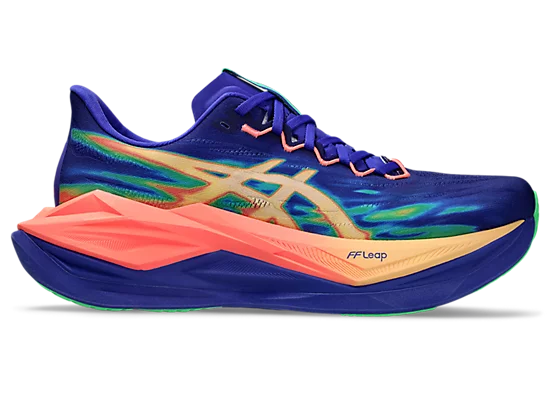
Best Overall Long-Distance Shoe
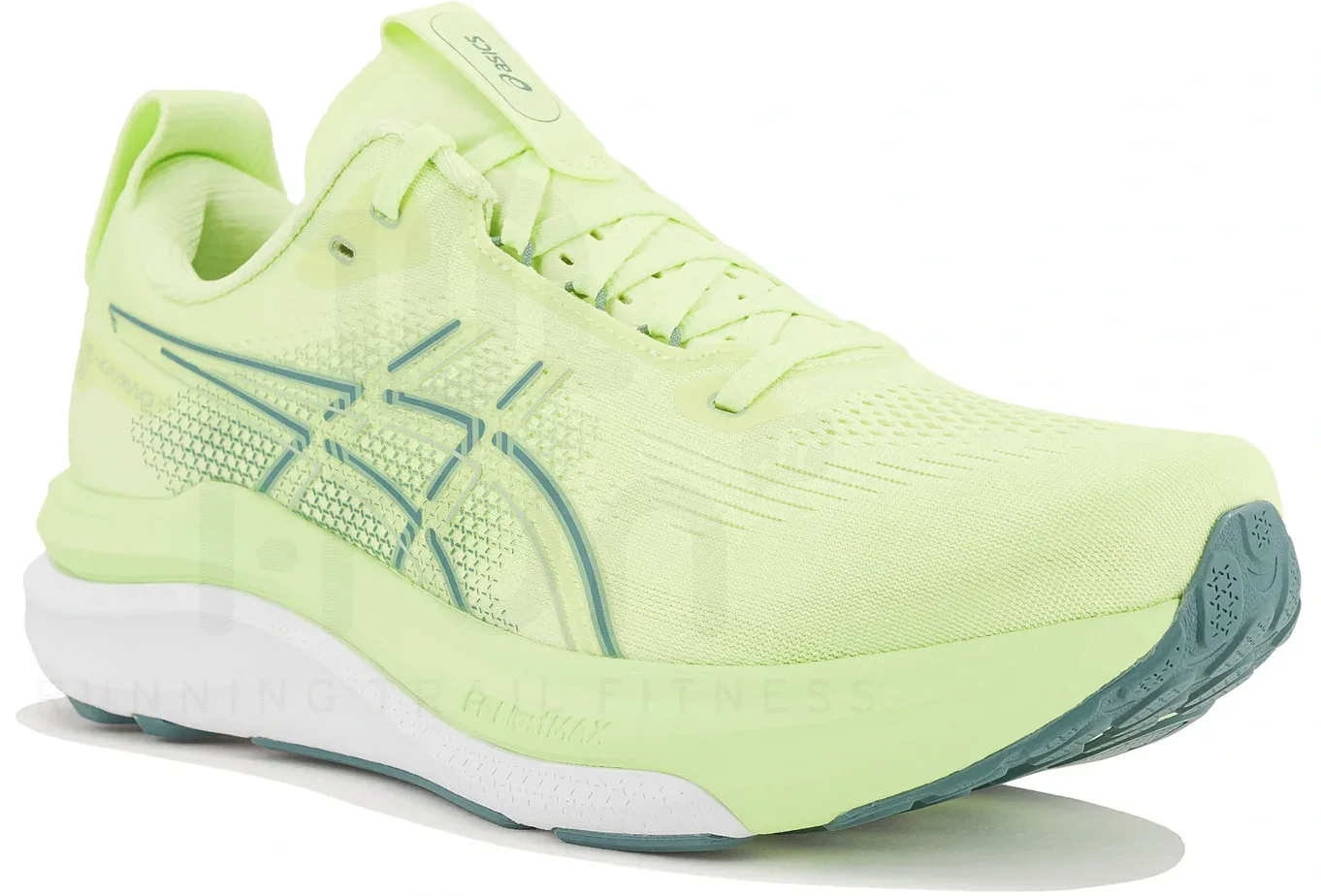
ASICS Superblast 3
The Superblast 3 is the most versatile shoe in this group. It carries enough cushioning for long mileage but weighs only 239 g, so it also makes sense when a run moves from easy effort into steady or marathon pace.
Neutral
High cushion
8 mm drop
239 g / 8.4 oz
Training shoe or race shoe? These picks are for long runs, marathon training and regular weekly mileage. If you are shopping specifically for race day, compare the best marathon shoes instead.
Quick Match
Pick by the kind of long run you do
If you already know what you want from the shoe, start here. Each full card opens the matching review.
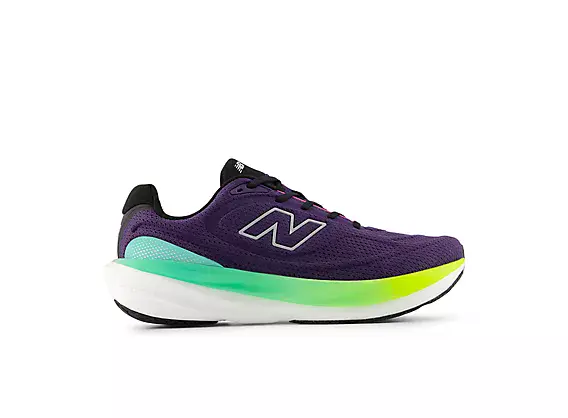
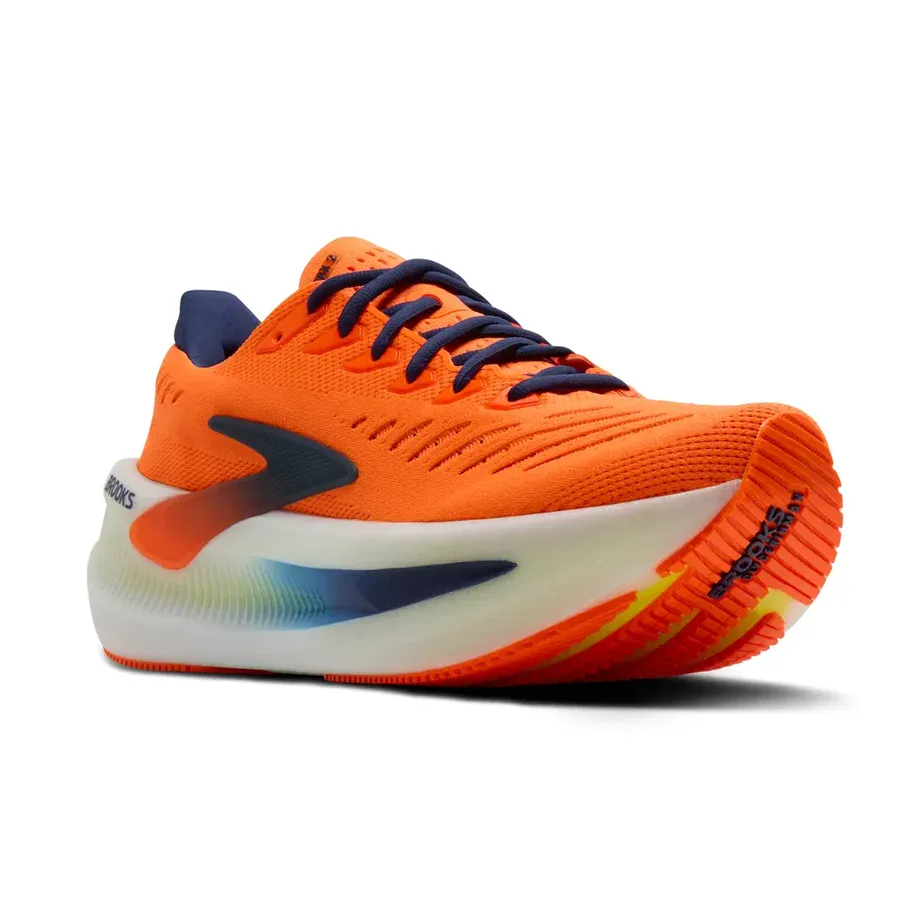
High-Mileage Comfort
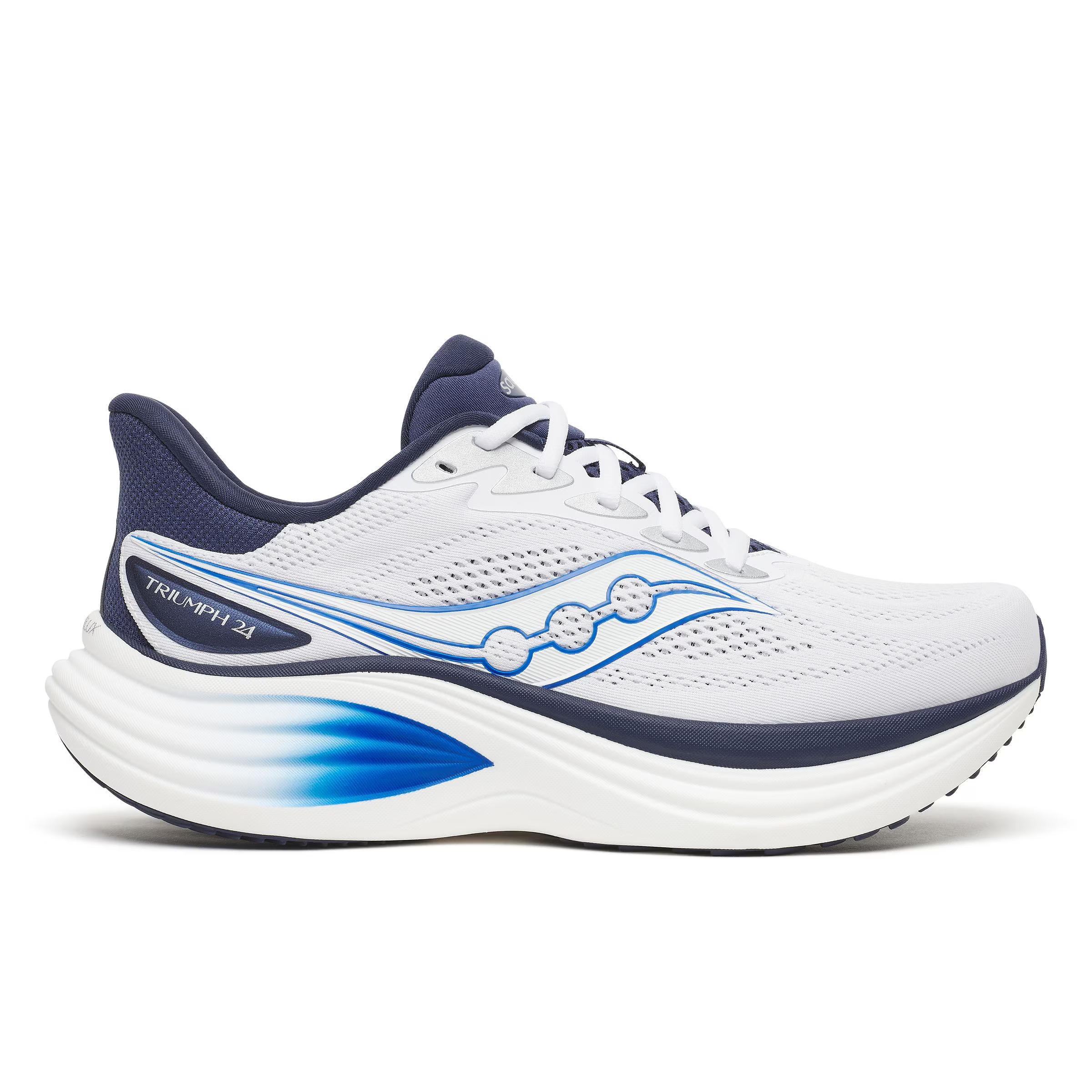
Saucony Triumph 24
A straightforward cushioned trainer for lots of miles.
Not sure whether you want soft, fast or supportive?
The Running Shoe Finder narrows the choices by cushioning, support, width, surface and training needs.
Jump to What Matters Top 6 Compare Shoe Rotation FAQ
Last fact-checked: October 3, 2026
Before You Buy
What matters most on long runs
Comfort after an hour
Leave enough room for your forefoot to spread as the run goes on. Heel hold also matters because small movement can become rubbing over 20 or 30 kilometres.
Match the shoe to the workout
For easy long runs, comfort matters most. For marathon pace or progression work, a lighter and more responsive shoe is usually easier to turn over.
Do not force maximum cushion
Tall, soft shoes work well for some runners, but they can feel vague or wobbly to others. A slightly firmer platform may feel more controlled late in a run.
Stability is personal
If you already prefer a support shoe, start with the Kayano. If neutral shoes work well for you, longer mileage does not mean you need to switch. Our stability shoe guide explains the difference.
Top Picks
The 6 Best Long-Distance Running Shoes in 2026
#1
Best Overall · Versatile Long Runs
ASICS Superblast 3
Support: Neutral
Drop: 8 mm
Weight: 239 g / 8.4 oz
Best for: Varied long runs
Good choice if: your long runs include easy mileage, steady running and faster sections.
ASICS combines FF LEAP above FF BLAST PLUS. On paper, that is an unusual mix: a high-cushion trainer that still weighs 239 g and does not use a plate.
This is the pair I would compare first when one shoe has to handle easy long runs, steady mileage and marathon-pace blocks. If most of your long running is slow recovery work, you may not need to pay for that range.
Buy it if: you want one premium trainer to cover most of your marathon long-run work.
Skip it if: you mainly want a soft recovery shoe or need a dedicated wide fit.
What Works
- Very light for the amount of cushioning
- Handles easy and faster long runs
- Responsive without a plate
- Useful across a full training week
Watch For
- Premium price
- Standard width on the main listing
- Tall platform may feel like too much shoe for some runners
#2
Best for Soft Cushioning · Width Options
New Balance 1080v15
Support: Neutral
Drop: 6 mm
Weight: 261 g / 9.2 oz men’s
Widths: Standard to extra wide in Canada
Good choice if: you want a softer long-run shoe and need more flexibility with width.
New Balance labels the 1080v15 extra soft and lists it for everyday and long runs. The Infinion midsole is the defining feature, while the current Canadian men’s listing covers standard, wide and extra-wide fits.
We have owned a shoe from the 1080 line, although not this exact v15. Kelly found her pair too soft for running and now prefers it for walking. That is a useful reminder: softer is not automatically better, even when the shoe is made for long mileage. See our New Balance running shoe guide if you want a firmer option from the brand.
Buy it if: soft cushioning and fit options matter more than speed.
Skip it if: you prefer a firmer platform or do lots of fast work inside your long runs.
What Works
- Extra-soft neutral ride
- Standard, wide and extra-wide men’s options in Canada
- 6 mm drop
- Made for daily and long runs
Watch For
- Softness can feel less controlled to some runners
- Not the strongest choice for faster sessions
- More relaxed than the Superblast 3
#3
Maximum Cushion · Easy Long Runs
Brooks Glycerin Max 2
Support: Neutral
Drop: 6 mm
Weight: 320.3 g / 11.3 oz men’s
Best for: Easy and recovery long runs
Good choice if: your long runs are mostly easy and you care more about cushioning than low weight.
The Glycerin Max 2 is the clearest match here for relaxed mileage. Brooks uses DNA TUNED cushioning and a GlideRoll rocker, so the shoe is built around a tall, smooth ride rather than a quick feel.
The tradeoff is weight. At 11.3 ounces in the men’s version, it is much heavier than the Superblast 3 or Endorphin Speed 5. That matters less when the pace is easy and cushioning is the priority.
Buy it if: you want maximum cushioning for easy long runs and recovery days.
Skip it if: you want one shoe for long runs that regularly include faster work.
What Works
- Plenty of cushioning underfoot
- Smooth rocker
- Clear role for recovery mileage
- Can also suit run-walk days
Watch For
- Heaviest shoe in the top six
- Too bulky for some runners
- Not designed for fast long-run workouts
#4
Best Stability · Plush Guidance
ASICS Gel-Kayano 33
Support: Stability
Drop: 8 mm
Weight: 298 g / 10.5 oz men’s
Widths: Wide and extra wide available
Good choice if: you already prefer a guided, stable daily trainer and want plenty of cushioning for longer runs.
The Kayano 33 is for runners who already know they feel better with added guidance. ASICS pairs its FLUIDSUPPORT system with FF BLAST PLUS and FF BLAST MAX cushioning, giving this model a supportive role without relying on a traditional firm post.
Do not choose it simply because you are increasing your mileage. If neutral shoes already feel comfortable and controlled, there is no reason to switch. The Kayano makes sense when this kind of supportive platform already works for you.
Buy it if: you want plush cushioning and modern stability in the same long-run shoe.
Skip it if: you feel comfortable in neutral shoes or want a lighter, faster ride.
What Works
- FLUIDSUPPORT guidance
- Plenty of cushioning
- Wide and extra-wide versions
- Clear role for easy long mileage
Watch For
- Heavier than neutral performance trainers
- Support may feel unnecessary to neutral-shoe runners
- Not a fast workout shoe
#5
Faster Long Runs · Nylon Plate
Saucony Endorphin Speed 5
Support: Neutral
Drop: 8 mm
Weight: 237 g / 8.3 oz men’s
Plate: Semi-rigid nylon
Good choice if: long runs regularly include marathon pace, progression work or steady faster kilometres.
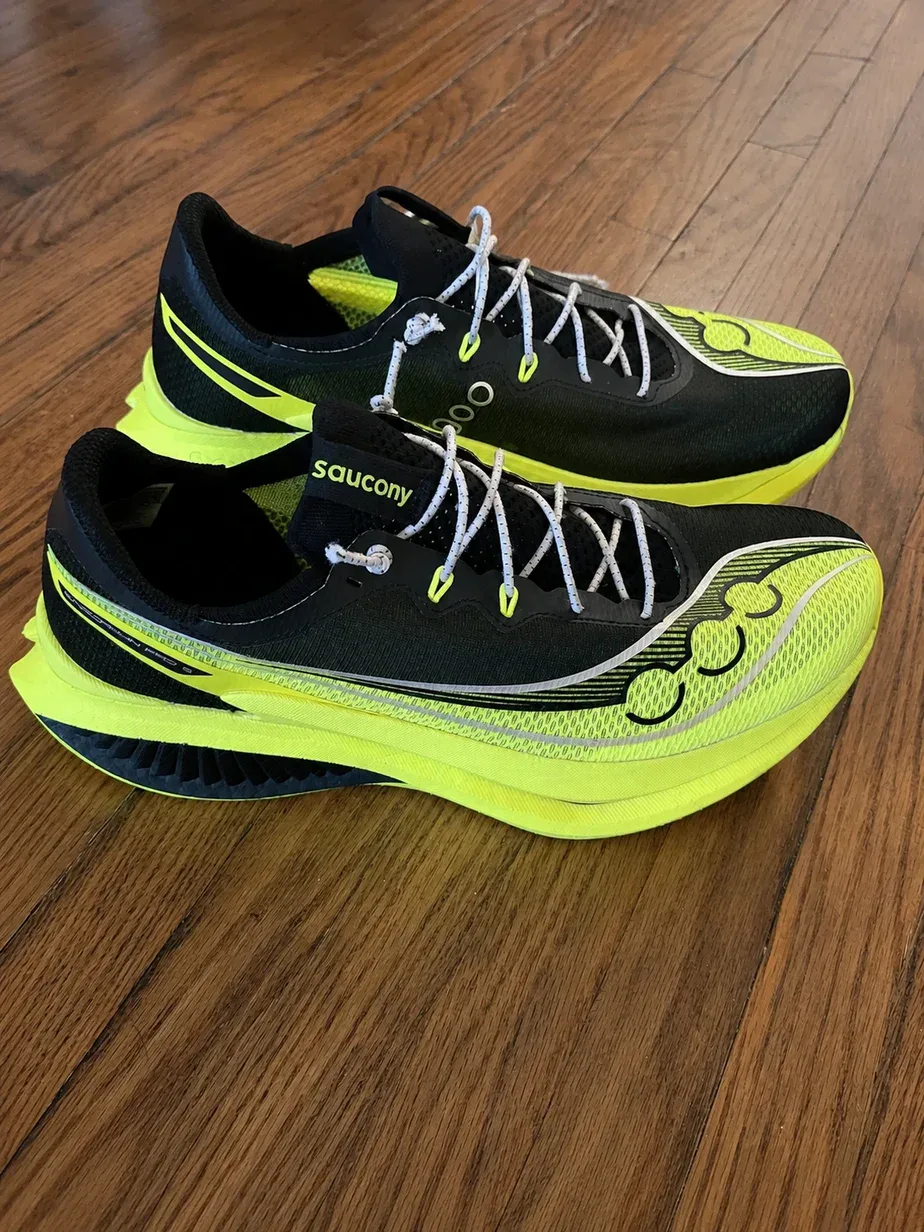
The Endorphin Speed 5 makes sense when the long run is also a workout. Saucony places a semi-rigid nylon plate between layers of PWRRUN PB foam, which gives the shoe more snap than a typical daily trainer.
It is still more flexible than a carbon-plated racer. Saucony also offers a wide version, which matters if a regular performance shoe pinches once your feet begin to swell. This is my current long distance race shoe, and i would 100% recommend it.
Buy it if: you want a lighter trainer for long runs with purposeful pace work.
Skip it if: your long runs are almost always easy or you dislike plated shoes.
What Works
- Light and responsive
- Nylon plate is less rigid than carbon
- PWRRUN PB cushioning
- Wide version available
Watch For
- More aggressive than necessary for recovery runs
- Plated feel is not for everyone
- Not as relaxed as the Triumph or Glycerin Max
#6
High-Mileage Comfort · Traditional Feel
Saucony Triumph 24
Support: Neutral
Drop: 10 mm
Weight: 250 g / 8.8 oz men’s
Best for: Daily and long mileage
Good choice if: you want a straightforward premium trainer for comfortable high-mileage weeks.
The Triumph 24 is the least complicated pick here. Saucony lists it for daily running, long-distance runs and recovery runs. Its 10 mm drop also gives it a more traditional trainer feel than several of the taller alternatives.
It suits runners who want to stack comfortable miles without a plate or an especially aggressive rocker. The Speed 5 is the better Saucony choice when those long runs often become workouts.
Buy it if: you want a dependable cushioned trainer for lots of easy and steady mileage.
Skip it if: you prefer lower-drop shoes or want the liveliest option for faster long runs.
What Works
- Made for daily and long-distance running
- Relatively light for a cushioned trainer
- 10 mm drop feels familiar to traditional trainer users
- Wide version available
Watch For
- 10 mm drop may feel high to some runners
- Less lively than the Superblast 3
- Premium trainer price
At a Glance
Compare the 6 Long-Distance Picks
Swipe sideways to compare all columns →
| Shoe | Best For | Support | Drop | Weight | Buy |
|---|---|---|---|---|---|
| ASICS Superblast 3 Best Overall | Varied long runs | Neutral | 8 mm | 239 g / 8.4 oz | ASICS |
| New Balance 1080v15 | Soft long runs | Neutral | 6 mm | 261 g / 9.2 oz men’s | New Balance |
| Brooks Glycerin Max 2 | Maximum cushioning | Neutral | 6 mm | 320.3 g / 11.3 oz men’s | Brooks |
| ASICS Gel-Kayano 33 | Stability | Stability | 8 mm | 298 g / 10.5 oz men’s | Amazon |
| Saucony Endorphin Speed 5 | Faster long runs | Neutral | 8 mm | 237 g / 8.3 oz men’s | Amazon |
| Saucony Triumph 24 | High-mileage comfort | Neutral | 10 mm | 250 g / 8.8 oz men’s | Saucony |
Weights are the men’s or unisex sample weights listed by each brand. Weight and fit can change by size, width and version.
Keep It Simple
Do you need more than one shoe for marathon training?
No. One comfortable long-distance trainer can handle an entire marathon block if it works for your easy runs, long runs and moderate workouts.
A rotation becomes useful when you want different jobs from different shoes. A simple setup is one comfortable trainer for easy and long mileage, plus a lighter shoe for tempo runs and marathon-pace work. A separate race shoe is optional.
Use the training plans hub to map out the week, then keep pacing, fuelling and race details together in the marathon race planner.
How we chose these shoes
Running Gear Lab is edited by Kelly Hanna. Our household includes an endurance athlete training for road races and triathlons. We sorted these shoes by the jobs that come up in real training: easy long runs, marathon-pace work, recovery mileage and support needs.
We have not personally run in every exact shoe listed. The New Balance 1080 line is one we have owned, though not this exact v15. That first-hand note is kept separate from the current product claims. Model details were checked against official brand pages on October 3, 2026.
We also checked independent test results when they helped confirm or question the shortlist. We do not turn that research into claims that we wore a shoe ourselves. Read more about our editorial approach on the About Us page.
Common Questions
Long-Distance Running Shoe FAQ
What are the best long-distance running shoes for most runners?
The ASICS Superblast 3 is the best overall pick here if you want one shoe for easy long runs, steady mileage and faster sections. The New Balance 1080v15 suits runners who want an extra-soft ride, while the ASICS Gel-Kayano 33 is the support option.
Do long-distance running shoes need maximum cushioning?
No. You need enough cushioning to stay comfortable for your distance and pace, but very soft or very tall shoes do not suit everyone. Some runners feel more controlled in a slightly firmer or lighter trainer.
What is the difference between a marathon training shoe and a race shoe?
A training shoe is made for repeated mileage. A race shoe usually puts more emphasis on low weight and speed, and may use a carbon plate or more aggressive geometry. You do not need a separate race shoe if your training shoes feel good at marathon pace.
Are stability shoes good for long-distance running?
They can be if you already prefer added guidance. If neutral shoes feel comfortable and controlled, you do not need to switch simply because your long runs are getting longer.
Can I use the same shoes for long runs and marathon race day?
Yes. A separate race shoe is optional. If your long-run shoe remains comfortable at marathon pace and you like how it feels late in the run, you can race in it.
When should I replace long-distance running shoes?
Do not use mileage alone. Look for worn outsole rubber, uneven compression, a damaged heel structure, or a shoe that now feels flat or unstable even though it used to feel comfortable. The shoe mileage tracker can help you log use without treating one number as a hard expiry date.
More Shoe Help